What Race Strategy Teaches Us About Risk, Momentum, and Split-Second Decisions
Racing is one of those sports where everything happens fast: the cars, the emotions, the decisions, even the mistakes. Behind every lap, there’s a strategy that goes way deeper than just “drive fast.”
Teams study tire wear, fuel levels, track temperature, pit timing, and even what the other drivers might attempt. It’s basically a giant chess match at 200 miles per hour. The lessons you see on the track go far beyond motorsports. They’re about taking smart risks, knowing when to push, when to back off, and how one small decision can flip everything in seconds.
The Art of Knowing When to Take a Risk
Race strategy teaches you that not all risks are the same. Sometimes a driver has to dive on the inside to grab a chance before it disappears, and other times, backing off is the smarter move. The best teams know how to weigh the danger against the reward in real time. It’s not about being fearless. It’s about being calculated. A risky move can feel thrilling, but if it ruins the car or kills momentum, it wasn’t worth it. Racing shows you that good risk-taking has timing, patience, and a little bit of courage.
When Race Strategy Goes Beyond the Track
Race strategy doesn’t only apply to racing itself. People who follow motorsports sometimes get into race predictions, fantasy leagues, or even betting on races, and the same ideas of risk, momentum, and timing show up there, too. You still need to understand form, watch patterns, and make choices quickly without hesitating.
If you’re someone who likes adding a bit of extra excitement, whether that means placing a small bet on a race or exploring other online options, such as casino games where you can play slots online for entertainment, the smartest move is sticking to platforms that are trustworthy, secure, and well-reviewed. Make sure the site is licensed, shows clear payout information, and has real customer feedback, not fake-looking comments. Just like in racing, where teams rely on solid data and good judgment, you should rely on reliable platforms and smart choices. It keeps things fun, safe, and totally in your control instead of feeling like you’re taking unnecessary risks.
Split-Second Decisions That Change Everything
One of the coolest things about racing is how fast drivers and teams have to react. A yellow flag appears, debris hits the track, tires start overheating, or a rival suddenly makes a bold move, and there’s no time to think twice. Drivers rely on instinct, training, and trust in their crew. It’s like their brain shifts into turbo mode. These snap decisions shape the outcome of entire races. Watching it happen teaches you how important it is to practice skills until they feel automatic, so when life throws something unexpected at you, you’re ready to respond without freezing.
Pit Stops: The Ultimate Teamwork Moment
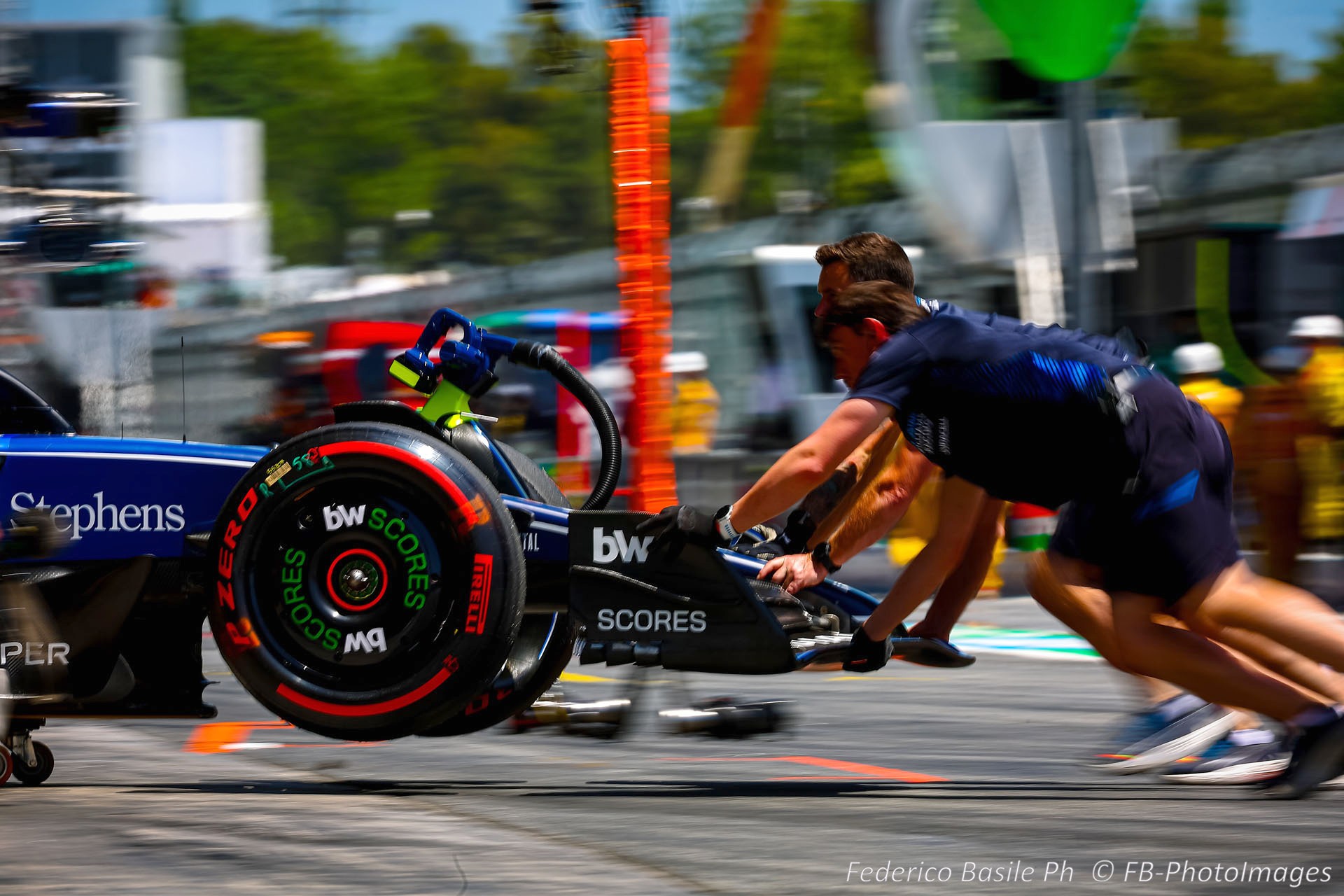
Pit stops look quick, but they’re basically controlled chaos. Every crew member has a tiny slice of responsibility…changing tires, adjusting the wing, cleaning the visor, refueling, and it all has to happen in seconds. One slip-up can cost a driver the race. A perfect stop, though? That can push a driver into the lead. It’s teamwork at its most intense and precise. Pit crews remind you that success isn’t just about the star on the track. It’s about everyone behind the scenes working insanely hard so the whole team shines.
Racing Teaches Lessons That Go Beyond the Track
The cool thing about race strategy is how many real-life lessons it sneaks in. You learn that smart risks matter, momentum makes a difference, tiny decisions can have big results, and teamwork is everything. Motorsport may look like loud engines and fast cars, but it’s packed with strategy and brainpower. Whether you’re a fan of F1, NASCAR, IndyCar, or any racing at all, you can pick up ideas that help you navigate school, sports, and everyday challenges. Racing doesn’t just teach you how to be fast. It teaches you how to think fast.