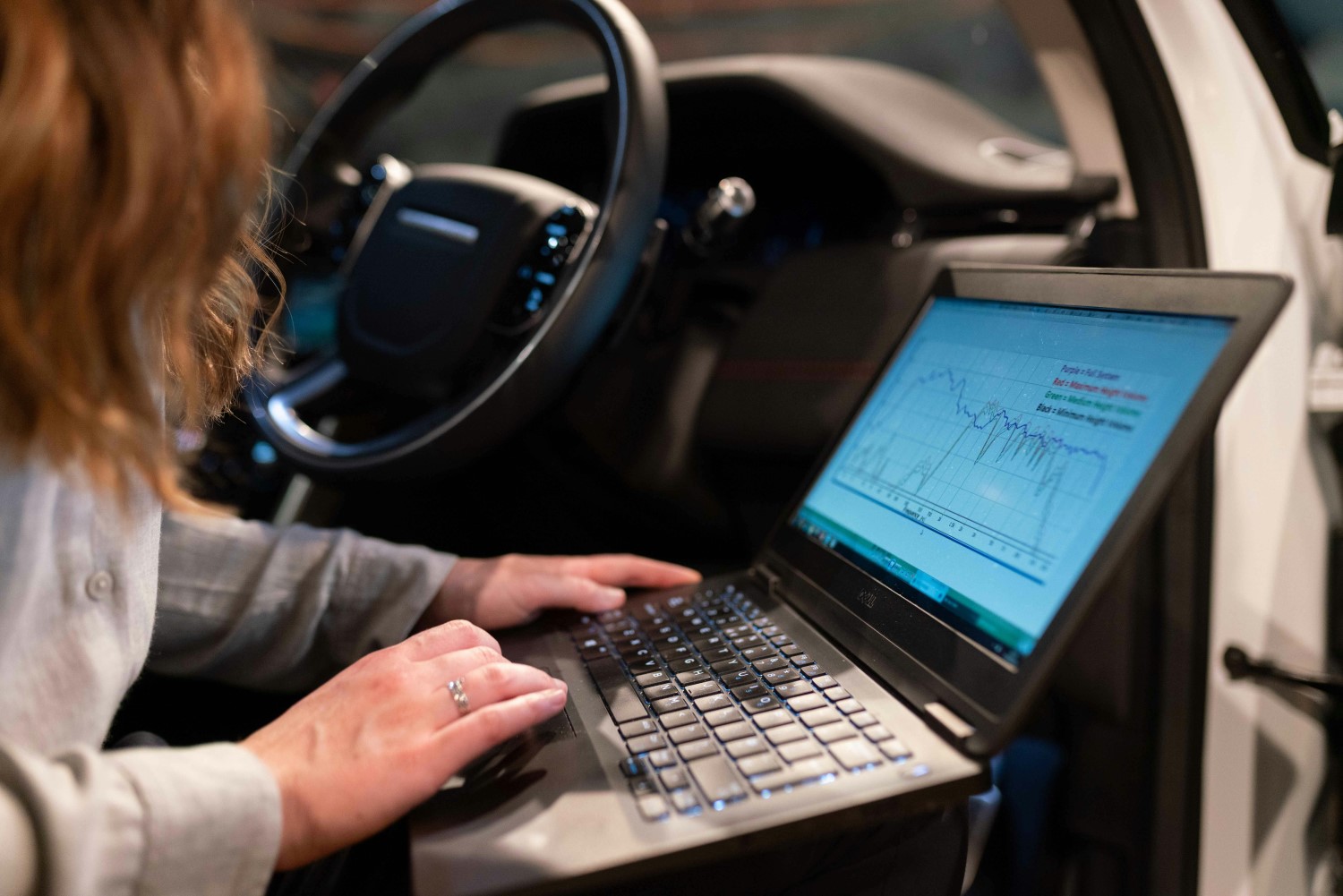
How Data, AI, and Connected Systems Are Revolutionizing Automotive and Racing Performance
The automotive industry stands at a transformative crossroads where raw horsepower meets computational intelligence. Today’s vehicles generate an estimated 25 gigabytes of data per hour, creating unprecedented opportunities for performance optimization that would have seemed impossible just a decade ago. This data revolution extends from elite motorsports to consumer vehicles, fundamentally reshaping how we approach automotive design, performance, and driver experience.
Modern connected vehicles utilize sophisticated sensor networks, real-time analytics, and machine learning algorithms to optimize everything from fuel efficiency to safety systems. As this technology becomes more accessible, enthusiasts seeking performance insights can explore trusted betting options that leverage similar data-driven methodologies to analyze racing outcomes and vehicle performance metrics across various motorsport disciplines.
According to industry projections, connected cars are expected to constitute 95% of all new vehicle sales by 2030, with the automotive AI market projected to expand from $53.79 billion in 2024 to $165.67 billion by 2032. These figures underscore a fundamental shift in how vehicles are conceived, manufactured, and operated in the digital age.
The Telemetry Revolution in Motorsports
Formula 1 teams have pioneered the application of advanced data analytics in the field of automotive performance. Modern F1 race cars deploy approximately 300 sensors across their chassis, monitoring everything from tire pressure and temperature to aerodynamic efficiency and engine performance parameters. These sensors generate roughly 1.5 terabytes of data throughout a single race weekend, transmitted wirelessly to engineering teams who analyze the information in real-time.
McLaren Racing’s 2024 Constructor’s Championship victory exemplifies the competitive advantage that sophisticated data analytics provides. The team’s partnership with advanced analytics platforms enabled them to automate the analysis of component lifecycle data, predicting optimal replacement schedules and preventing mechanical failures before they occurred. This predictive approach proved decisive in a championship decided by a mere 2% margin in total points.
The telemetry systems capturing this performance data operate through Controller Area Network (CAN) bus architectures, where multiple Electronic Control Units communicate continuously. This networked approach enables engineers to understand how different vehicle systems interact under racing conditions, providing insights that translate directly into performance improvements.
AI-Powered Performance Optimization
Artificial intelligence applications in automotive engineering extend far beyond simple data collection. Machine learning algorithms now analyze telemetry patterns to identify inefficiencies that human engineers might overlook, optimizing vehicle setups for specific track conditions and driving styles.
Predictive analytics enables racing teams to forecast tire degradation rates, calculate optimal pit stop windows, and simulate thousands of race strategies in seconds. These AI-powered simulations consider variables including weather conditions, competitor behavior, and fuel consumption patterns, enabling data-backed strategic decisions that can mean the difference between podium finishes and mid-pack results.
Advanced Driver Assistance Systems (ADAS) represent another frontier where AI demonstrates tangible benefits. Vision Transformer technology, a deep-learning model originally developed for natural language processing, now enhances how vehicles perceive their surroundings. This enhancement improves hazard detection, path planning capabilities, and emergency response systems, significantly contributing to vehicle safety.
Connected Vehicle Ecosystems
The integration of cloud computing platforms with vehicle telematics has created comprehensive connected car ecosystems. Major automotive manufacturers now utilise platforms that unify data from multiple sources, including vehicle sensors, dealership management systems, and driver behavior patterns, creating a holistic view of vehicle and driver performance.
These connected systems enable features that were once considered futuristic only a few years ago. Vehicles can now alert dealerships automatically when odometer readings approach service milestones, with AI algorithms suggesting personalized maintenance schedules based on actual driving patterns rather than generic manufacturer recommendations. Insurance companies leverage telematics data to offer usage-based policies, while fleet operators optimise logistics through real-time vehicle monitoring.
The architecture supporting these capabilities relies on edge computing and hybrid AI systems. Simple computational tasks, such as voice-activated climate control, are executed within the vehicle itself, while complex queries utilize cloud-based processing through 4G and 5G networks. This distributed approach balances latency concerns with processing power requirements.
Manufacturing and Quality Control
Data analytics and AI have transformed automotive manufacturing processes as profoundly as they’ve enhanced vehicle performance. Production lines now utilize AI-powered inspection systems that can detect micro-defects invisible to human quality control personnel, thereby reducing warranty claims and manufacturing waste.
BMW’s implementation of AI on production lines demonstrates these capabilities. The manufacturer utilizes Car2X technology and its AIQX platform to create intelligent production monitors. Vehicles automatically communicate errors along assembly lines, flagging missing components or assembly discrepancies in real-time. The system inspects both visual and acoustic elements, ensuring consistent product quality while accelerating manufacturing throughput.
Predictive maintenance applications extend to manufacturing equipment itself. By analyzing historical performance data and real-time sensor readings from production machinery, AI algorithms predict equipment failures before they occur, reducing costly downtime and optimizing maintenance schedules. Studies indicate that telematics-based predictive maintenance has reduced vehicle downtime by up to 80% in some applications.
Driver Performance Enhancement
Data analytics has revolutionized driver coaching and performance improvement methodologies. Telemetry data provides granular insights into driver behaviour, including braking points, cornering speeds, throttle application patterns, and steering inputs. This information enables personalized feedback tailored to individual drivers’ techniques and learning curves.
Racing teams analyze this data to identify specific areas where drivers can improve lap times. By comparing telemetry between drivers or analyzing optimal theoretical laps, engineers pinpoint precise track locations where technique adjustments yield measurable improvements. This data-driven coaching approach has become standard practice across professional motorsports.
Consumer applications are emerging as well. Advanced driver coaching systems analyse aggressive driving behaviors, such as rapid acceleration and hard braking, which can increase fuel consumption by up to 33%, according to U.S. Department of Energy research. By providing feedback based on actual driving data, these systems help drivers develop more efficient techniques.
Challenges and Future Directions
Despite remarkable advances, significant challenges remain in automotive data analytics and AI implementation. Data privacy concerns grow as vehicles collect increasingly detailed information about driver behaviour and location patterns. Regulatory frameworks, including ISO 26262, WP.29, and GDPR requirements, necessitate robust encryption and anonymization protocols.
Cybersecurity represents another critical concern as vehicles become more connected. The automotive industry must address potential vulnerabilities in AI-powered systems, particularly for safety-critical applications. The ethical questions surrounding autonomous vehicle decision-making and liability in accident scenarios require careful consideration as technology evolves.
The fragmented nature of automotive supply chains complicates data management and intellectual property ownership. Ensuring consistent data quality across multiple suppliers and maintaining secure access protocols demands sophisticated governance frameworks.
Looking forward, industry experts anticipate continued integration of generative AI capabilities into vehicle systems. Mercedes-Benz and other premium manufacturers are implementing AI-powered virtual assistants that provide increasingly human-like interactions, offering proactive suggestions based on learned driver preferences and contextual awareness.
Conclusion
The convergence of data analytics, artificial intelligence, and connected vehicle systems represents more than incremental technological progress—it constitutes a fundamental reimagining of the principles underlying automotive engineering. From millisecond-optimized race strategies to predictive maintenance systems that prevent roadside breakdowns, these technologies deliver measurable benefits across the automotive spectrum.
As the industry continues its digital transformation, the boundaries between mechanical engineering and software development blur. Tomorrow’s automotive engineers will need expertise in machine learning algorithms and data science alongside traditional mechanical principles. The vehicles emerging from this evolution promise unprecedented levels of performance, safety, and personalization, driven by the continuous flow of data from sensors to algorithms to actionable insights.
For manufacturers, racing teams, and consumers alike, the message is clear: in the automotive industry’s digital age, data is the new horsepower, and AI is the engineer optimizing every aspect of the driving experience.