The Road to 2026: Why F1’s New Cars Will Look So Different
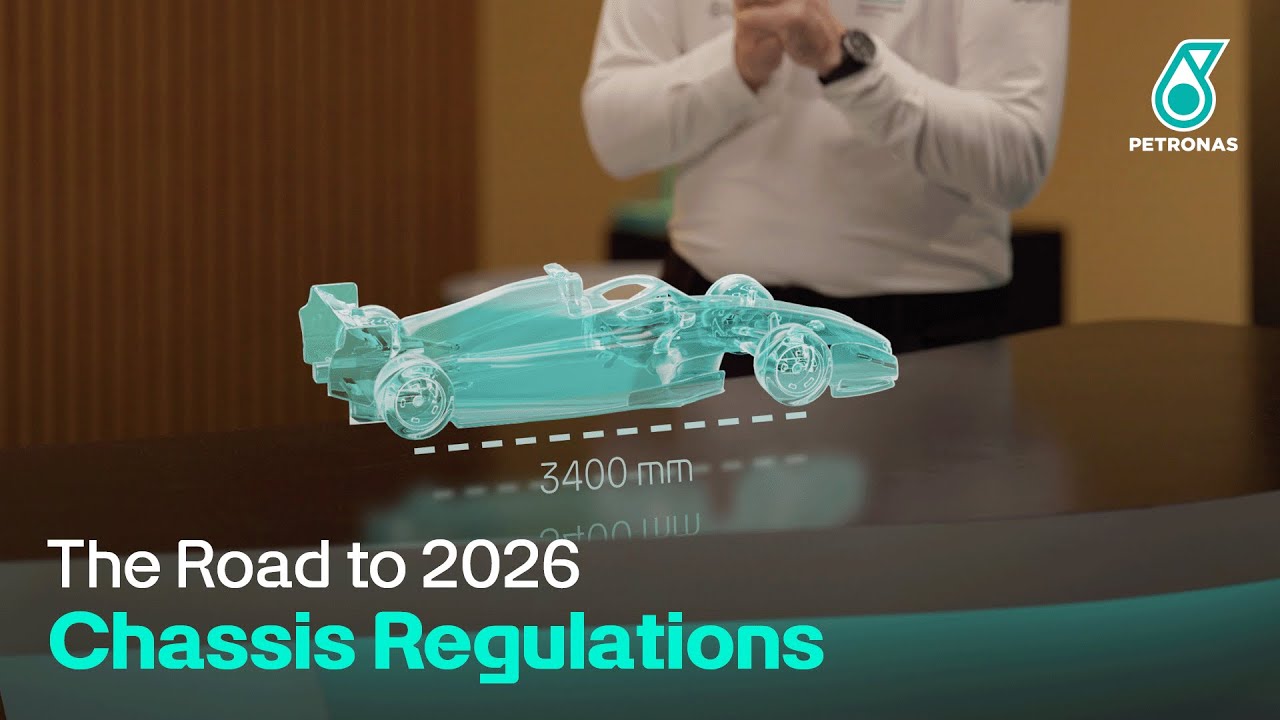
The fourth, and final episode, of the ‘Road to 2026’ series provides an insight into the chassis and aerodynamic regulations, with several major changes that will create new and fascinating racing from next year onwards.
With F1 moving ever closer to the 2026 regulatory changes, this episode outlines how the Mercedes-AMG PETRONAS F1 Team and PETRONAS are adapting their approach to meet the complex new requirements around efficiency, safety, and sustainability. Among the technical adjustments discussed are the evolution of aerodynamics, strategic energy deployment, plus overall car architecture philosophy, and how these changes align with the broader goals of the sport’s future direction.
This episode features exclusive contributions from:
- James Allison, Technical Director, Mercedes-AMG PETRONAS F1 Team
- Rachel Nash, Head of F1 Regulation Analysis, Mercedes-AMG PETRONAS F1 Team
The regulatory changes being implemented in the sport from the 2026 season onwards are some of the most significant in recent times, redefining the role of the chassis alongside the all-new, incoming power unit. The new approach to design signals an intent to promote more agile and closer racing, with the intention of creating a more exciting sport for spectators.
Key changes to the chassis include a reduction of the wheelbase by 20 centimetres, the width of the car by 10 centimetres, the minimum weight by 30 kilograms, and the removal of the Drag Reduction System (DRS) in favour of active aerodynamics. In addition, the new power units, that featured in episode two, come with three new key modes – BOOST, OVERTAKE and RECHARGE – all of which are detailed within this final episode.