Safety in Motorsport: How It Has Changed
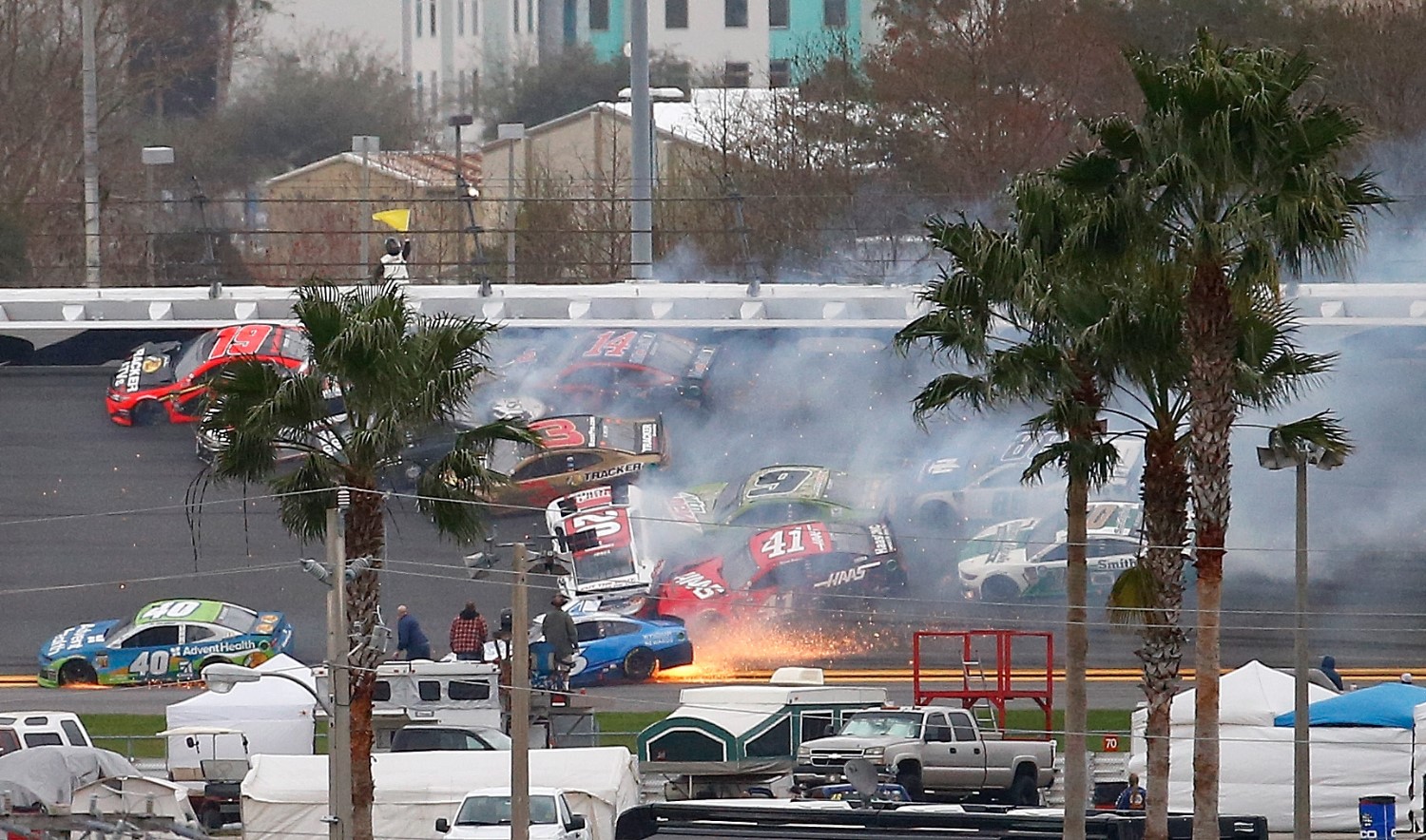
Motorsport has never been slow, incompetent, or dull. However, during its formative years it was equally terrifying. Each time a driver sat down behind the wheel, he/she jeopardized his/her life. Safety in motorsport has developed over the years tremendously. Since primitive helmets and advanced barriers have been developed, lives have been saved.
The Early Days
Initially, there was nearly no motorsport safety. Races were first started in the late 1800s, although regular events such as Formula 1 were initiated in 1950. Fire protection was not provided to drivers who wore plain clothes, such as polo shirts and pants. Automobiles were manufactured with the use of easily crumpled metal. There were hay bales or trees that acted as barriers and provided minimal cushion to the tracks. Fatalities were common.
The 27 Formula 1 fatalities between 1954 and 1994, many of which were in the 1950s and 1960s. It was a period when courage mattered more than protection, not unlike how modern fans sometimes chase excitement through side entertainment around racing culture, including promotions like the Jackpot City voucher code for Canadian members in 2025, which reflect how risk and reward still capture attention today.
With the development of the sport, the speeds increased. In the 1960s, automobiles reached speeds above 200km/h, yet the safety was behind. There are drivers such as Jackie Stewart who demanded change following alarming accidents. The accident that occurred in 1966 at Spa, when he got stuck in fuel-soaked wreckage, demonstrated the necessity of protection. Rules began to emerge gradually. Later on in 1963, the governing body of motorsport FIA, needed fireproof suits. They were manufactured using Nomex, which was a NASA heat-resistant material. It was a little leap, but that was the beginning of the safety revolution.
Major Turning Points
Tragic events usually necessitate big changes. The crash of Niki Lauda at the Nürburgring in 1976 was one of the significant moments. He got badly burnt, proving that even fireproof suits had a limit. This resulted in the multi-layer suits in the 1980s that could endure 800 o C. The other turning point was in 1994 at Imola. Ayrton Senna and Roland Ratzenberger died in different accidents. The death of Senna did not only make the world tremble but also brought great changes in Formula 1.
Subsequently, the FIA prohibited electronic devices such as traction control to reduce car speed. In 1995, the size of engines was decreased to 3.0 liter. The Tracks were fitted with chicanes to reduce the speed in hazardous turns. These modifications were successful: There have been no Formula 1 drivers who died during a race since 2014, when Jules Bianchi died, but this case prompted further improvements.
Safety also developed in other series such as MotoGP. Between the years 1995 and 2006, there was only a single death of a single rider due to regulations such as the prohibition of two-stroke engines in 2003. In general, the number of deaths has increased from approximately 28 in 1979 to approximately 40 deaths per year in the 2000s; however, with more events and participants. The emphasis was no longer on the responses after the accidents but on their prevention.
Technological Advancements in Cars
Even cars have been changed to be safer. In 1981, McLaren came up with a carbon fiber monocoque or survival cell. This is a powerful and lightweight framework that absorbs crash energy and shields the driver. It undergoes stringent testing before every season and post-races. In case of damages it is covered by replacing the layers.
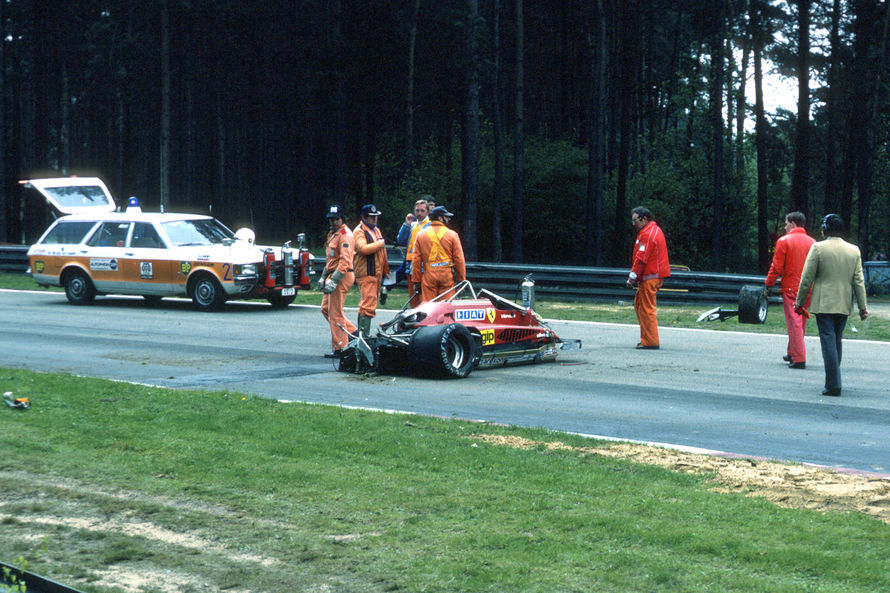
Regulations kept evolving. Grooved tires were introduced in 1998 in order to minimize grip and speed. In 2006, the engine capacity was cut down to 2.4 liters. The crash tests were tightened and the impact speed was increased to 15 m/s. Cockpits were fitted with anti-penetration panels such as Zylon. This made cars tougher and despite this, lap times continued to decrease with technological advancement in other areas.
There is a tremendous role of simulation and data analysis. Crash data helps engineers come up with superior parts. Virtual tests foretell threats prior to their occurrence. This technology has been transferred to road vehicles and ordinary driving has been made less dangerous as well.
Track and Circuit Improvements
Songs have evolved equally as well. The early circuits were the streets, and there was not much of a barrier. As early as the 1970s, hay bales were knocked out by Armco steel barriers. They bend when hit and absorb the impact and steer vehicles in the right direction. Software can be used to make the best placements.
The escape routes expanded in the 1980s and 1990s and concrete barriers (such as New Jerseys) were introduced. Shock-absorbing areas were created at risky areas. Classic songs such as Monza and Spa were upgraded. There was also the introduction of pit lane speed restrictions and improved emergency response.
Circuit today utilizes sophisticated systems. Medical teams are notified immediately by accident detection tech. The FIA, engineers, and doctors should work in cooperation so that there is never stagnation. The alterations have placed circuits at the forefront in safety.
Driver Protection Gear
Gear of drivers has been advanced. Once, helmets used to be simple; currently, they are homologated have crash tests. Fireproof underwear was introduced as mandatory and gloves got better following accidents such as the crash of Romain Grosjean in Bahrain in 2020.
The HANS device of 2003 was a big innovation. This is a carbon fiber collar that is attached to the helmet to avoid neck snaps during a crash. It was created following the death of Senna and has become popular even in NASCAR following the death of Dale Earnhardt in 2001.
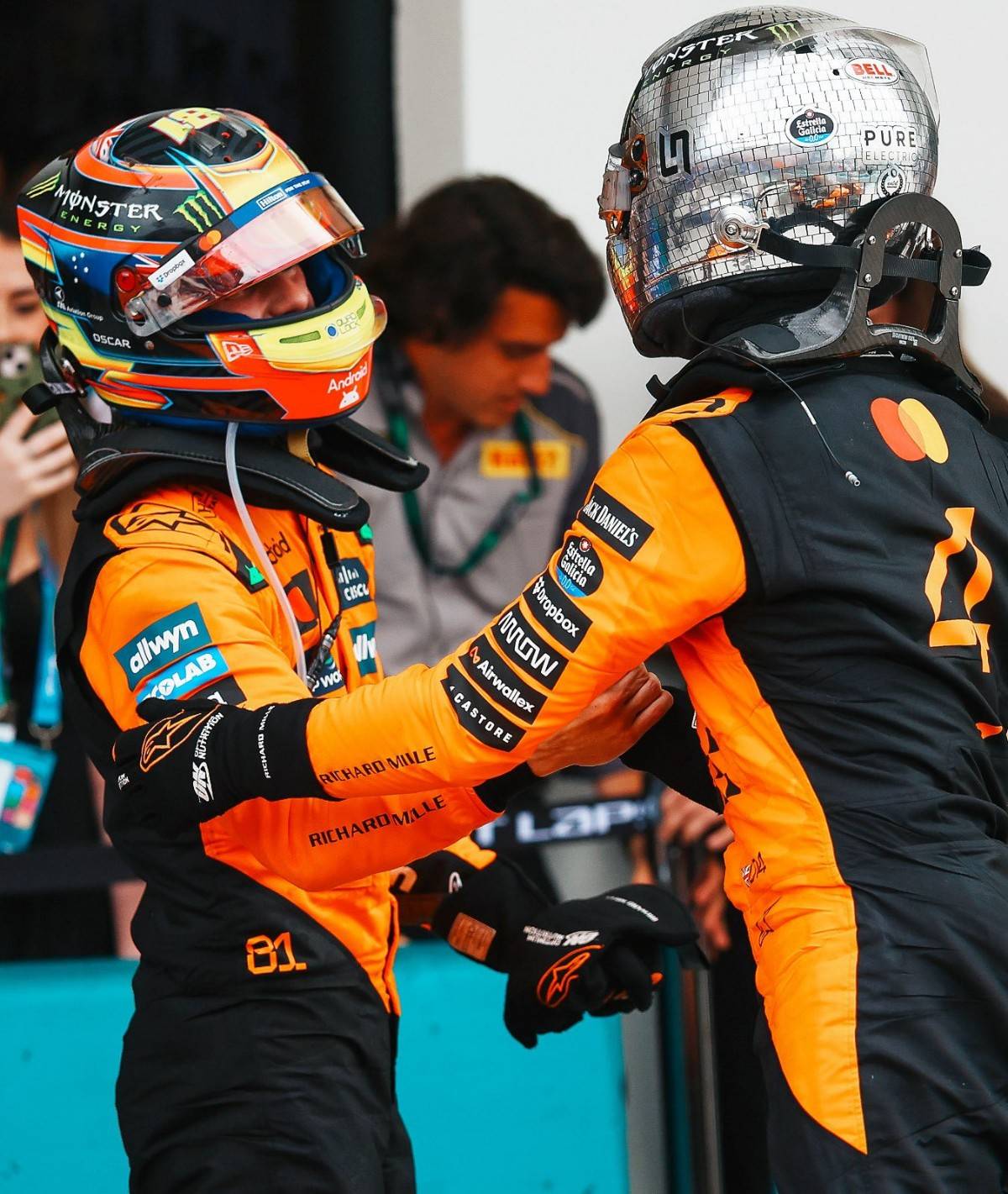
The other milestone is the Halo that was introduced in 2018. This titanium framework ensures protection against debris and flips. It also saved lives during crashes such as Zhou Guanyu crash in Silverstone in 2022. Although there was criticism of the appearance at first, it is now necessary.
Key Safety Milestones
The following are some of the key events that influenced motorsport safety:
- 1963: FIA made fireproof suits mandatory.
- 1981: Monocoque made of carbon fiber presented.
- Late 1960s: Hay bales are substituted by Armco barriers.
- 2003: HANS device is made mandatory.
- 2018: Halo device added to cars.
These measures demonstrate how tragedy brought about developments.
The Modern Era and Future
Nowadays, motorsport is incredibly safe. The death rate is fewer than 0.10 per thousand subjects in a year. In the UK, where the number of events exceeds 5,000 each year, the number of deaths had decreased from 25 (2000-2005) to 18 in the past few years. Even the high-risk areas, such as rallying, have been enhanced.
In the future, there is an emphasis on heavier vehicles, slower tires, and gears such as airbag jackets. Further rescue systems and information will continue to push limits.
Essential Modern Safety Features
The contemporary motorsport is based upon the following main factors:
- Crash cell monocoques, which are used to survive.
- HANS and Halo head and neck protection.
- High standard barriers and run-offs on tracks.
- Fireproof multi layer suits and helmets.
- Tough laws regarding engines and speeds.
These make the sport thrilling yet secure.
Conclusion
Safety in motorsport has changed from an afterthought to a priority. Driven by past losses, innovations have made it one of the safest extreme sports. Fans can now cheer without dread, knowing drivers are better protected. As technology advances, the future looks even brighter, balancing speed with survival.