Motorsport in the Digital Age: How Technology Is Reshaping Cars, Racing, and the Fan Experience
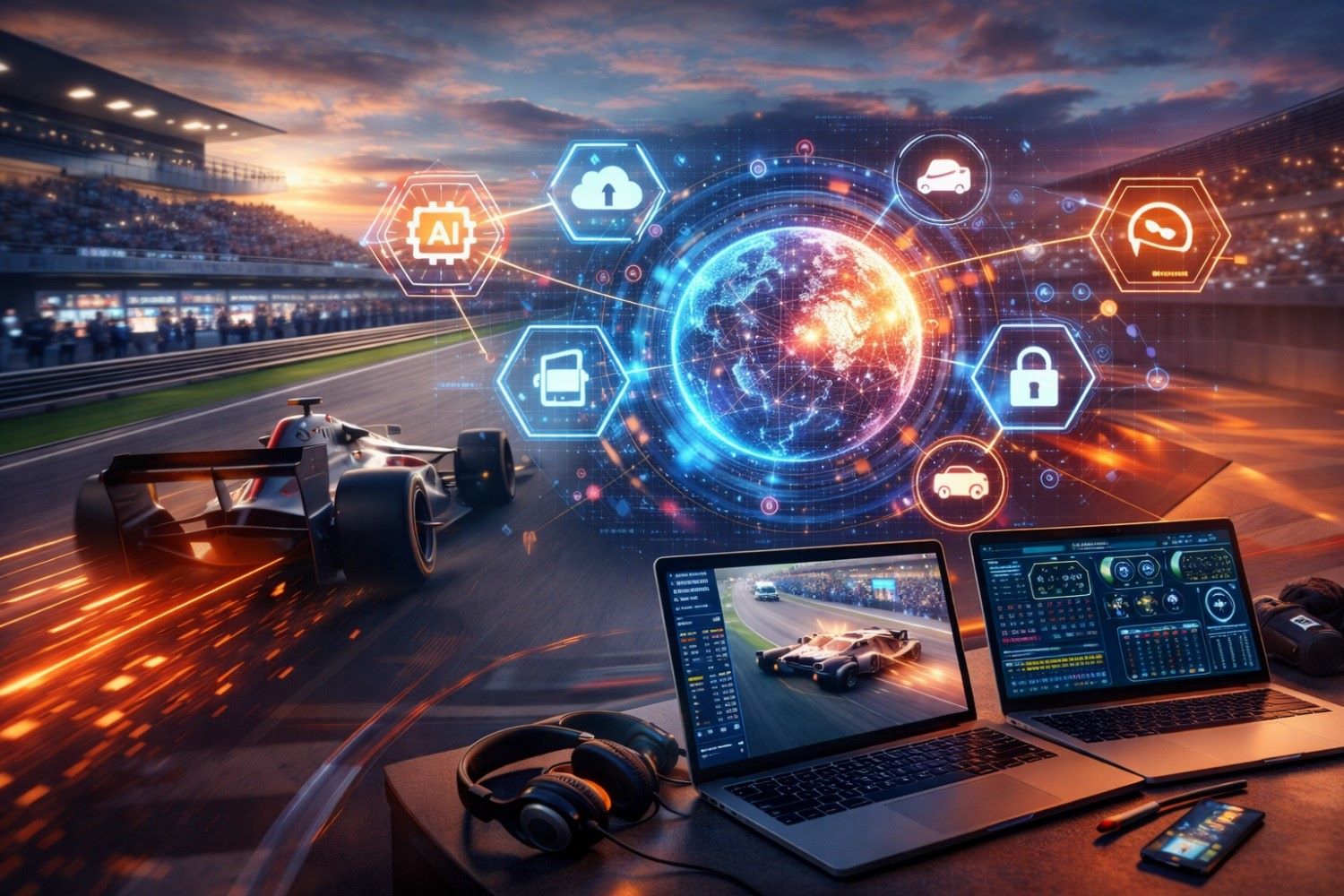
Motorsport has always been a testing ground for innovation, where speed, precision, and engineering excellence come together under extreme pressure. In recent years, however, the relationship between racing and technology has expanded far beyond the track. Digital platforms, data-driven analysis, and mobile applications such as gogogold.app have become part of a broader ecosystem that reflects how modern audiences consume, analyze, and interact with automotive culture. Today, motorsport is not just about what happens on race day, but also about how technology connects teams, drivers, and fans in real time.
Racing as a Laboratory for Automotive Innovation
From Formula 1 to endurance racing and touring car championships, motorsport has long served as a real-world laboratory for automotive development. Technologies that are now common in road cars—such as advanced aerodynamics, hybrid powertrains, regenerative braking, and sophisticated traction control systems—were first tested in competitive racing environments.
The reason is simple: racing pushes components to their limits. Engineers are forced to innovate quickly, solve problems under pressure, and extract maximum performance from minimal margins. These solutions eventually filter down into production vehicles, improving safety, efficiency, and performance for everyday drivers.
Data: The Invisible Engine of Modern Motorsport
One of the most significant changes in motorsport over the past two decades is the explosion of data. Modern race cars generate thousands of data points per second, tracking everything from tire temperature and brake wear to fuel consumption and aerodynamic efficiency. Engineers analyze this information in real time to make strategic decisions during a race.
This data-driven approach has transformed how teams operate. Strategy is no longer based solely on intuition or experience; it is supported by predictive models and simulations. Decisions about pit stops, tire selection, and fuel management are calculated with remarkable precision, often determining the outcome of a race by fractions of a second.
The Human Factor in a High-Tech World
Despite the growing reliance on technology, motorsport remains deeply human. Drivers must interpret complex feedback, adapt to changing conditions, and perform consistently under intense physical and mental stress. No amount of data can fully replace a driver’s instinct, reflexes, and racecraft.
Similarly, team communication plays a crucial role. Engineers, strategists, and mechanics must work as a cohesive unit, translating data into clear instructions that drivers can act on instantly. This balance between human skill and technological support is what makes motorsport uniquely compelling.
Electric and Hybrid Racing: A New Era
The automotive world is undergoing a major transition toward electrification, and motorsport is no exception. Series like Formula E and hybrid regulations in endurance racing reflect broader industry trends toward sustainability and energy efficiency.
These championships are redefining what performance means. Instead of focusing solely on raw speed, teams must manage energy usage, battery temperature, and regeneration strategies. This shift challenges traditional assumptions about racing and encourages innovation in areas that directly impact the future of road cars.
For manufacturers, electric and hybrid racing offers an opportunity to develop technologies that align with environmental goals while still showcasing performance and engineering prowess.
Motorsport Media and Fan Engagement
Technology has also changed how fans engage with motorsport. In the past, spectators relied on television broadcasts and post-race reports. Today, live telemetry, onboard cameras, interactive apps, and social media provide unprecedented access to the action.
Fans can analyze lap times, compare driver performance, and follow strategic battles in real time. This deeper level of engagement has transformed passive viewers into informed participants who understand the nuances of racing. It has also expanded the global reach of motorsport, attracting new audiences who might never attend a race in person.
Cars as Cultural Icons
Beyond competition, race cars have become cultural symbols. Iconic liveries, legendary models, and historic rivalries shape automotive identity and influence design trends far beyond the track. Motorsport inspires car enthusiasts, designers, and engineers, reinforcing the emotional connection between people and machines.
Classic race cars are celebrated not only for their performance but also for their stories. Each carries a legacy of innovation, risk, and ambition that resonates with generations of fans. This cultural impact ensures that motorsport remains relevant even as technology evolves.
Safety: Innovation Driven by Necessity
Safety is another area where motorsport has led the way. Advances such as carbon fiber monocoques, improved crash structures, halo systems, and sophisticated driver protection equipment have dramatically reduced the risks associated with high-speed racing.
These innovations are often adopted by the wider automotive industry, improving vehicle safety standards worldwide. Motorsport’s commitment to safety demonstrates how competition can drive progress that benefits society as a whole.
The Future of Motorsport and Automotive Technology
Looking ahead, the relationship between motorsport and automotive technology will only deepen. Artificial intelligence, advanced simulations, and virtual testing environments are already shaping how cars are developed and raced. Autonomous technologies, while controversial in a competitive context, may also influence future racing formats and training methods.
At the same time, sustainability will remain a central theme. Motorsport faces the challenge of balancing tradition with innovation, ensuring that racing remains exciting while addressing environmental concerns. How series adapt to these pressures will define the next chapter of automotive competition.
Conclusion
Motorsport today exists at the intersection of engineering, technology, and human passion. Cars have become more advanced, data more influential, and fan engagement more interactive than ever before. Yet the essence of racing remains unchanged: the pursuit of performance, the thrill of competition, and the stories created when people and machines are pushed to their limits.
As technology continues to evolve, motorsport will remain a powerful reflection of where the automotive world is headed—and a reminder that even in a digital age, speed, skill, and innovation still capture our imagination.