Automotive: How to Upgrade Your BMW 1 Series with Top-Quality Styling Parts
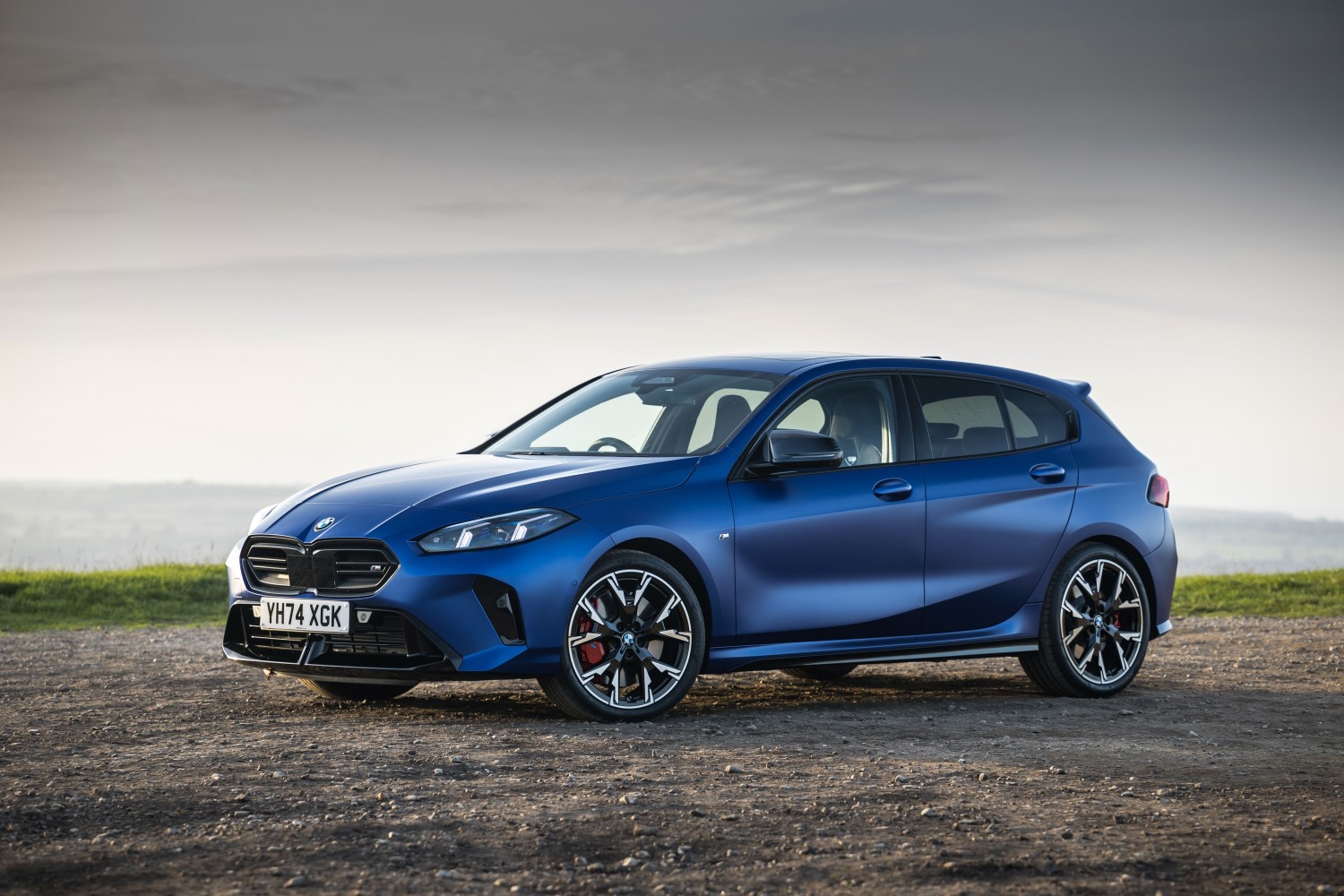
Switching to Front Wheel Drive (FWD) in the F40 BMW 1 Series caused a stir among die-hard fans. Still, the car shed the extra weight of the rear driveshaft, had more cabin space, and the revised front-wheel setup retained most of the driving dynamics the brand is known for.
BMW reserved the X-Drive drivetrain in the range-topping 135, but also threw in a factory-standard styling package with splitters, side skirts and tuned suspension to distinguish the car from the rest of the lineup.
While also available for lower-tuned cars, the M-package jacked prices by a few thousand pounds. Aftermarket body parts makers were quick to see the opening, offering BMW 1 Series styling parts in comparable quality to factory kits at a fraction of the price. Parts consist of seamless fit, low-weight plastics to balance cost and durability, with pricier pre-preg carbon soon to follow. BMW owners were given more options, and with the new F70 released just last year, the same styling possibilities to bring all versions of the baby BMW closer in style and performance to their bigger, more powerful siblings.
What Does an Aftermarket Body Kit Bring to the 1 Series?
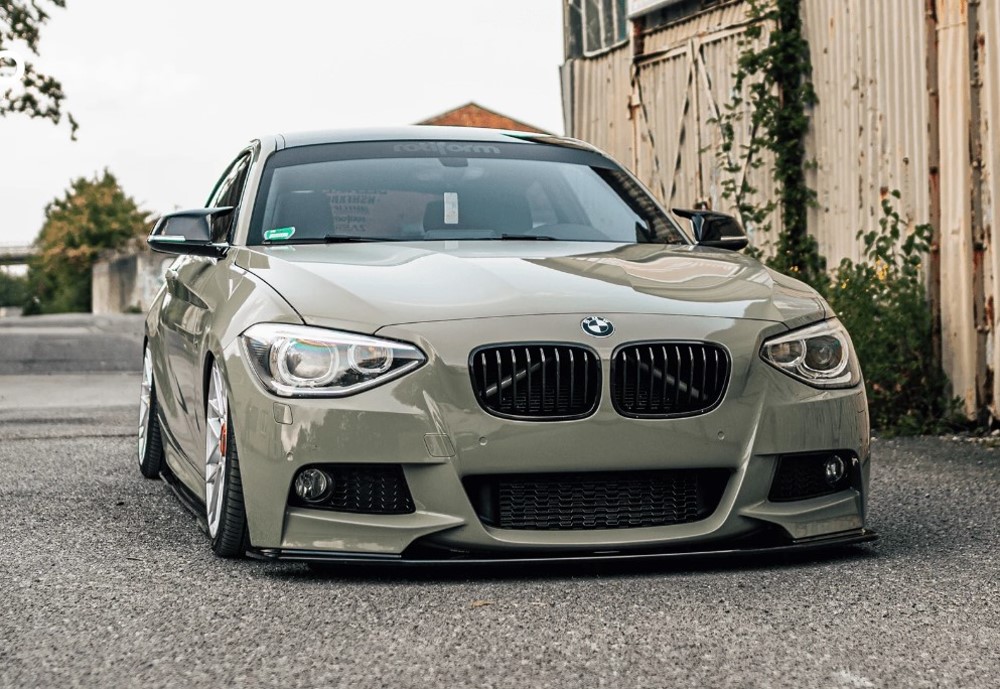
Styling kits from respected aftermarket manufacturers help all 1 Series model variants (including the RWD F20) in more ways:
Enhanced aero performance and handling
With all power sent to the front wheels, newer 1 Series cars exhibit more understeer when negotiating corners at speed, and torque steer when on the pedal in a straight line. Full body kits consisting of front splitters and canards integrated into the bumper and paired with matching side skirts, rear spoilers and diffusers help with traction and cornering stability by increasing downforce pressing on the tyres. The end result comes close to the nimbler, chuck-able handling in the older F20 and 3 and 5 Series models with rear wheel drive as standard. Drivers will also notice the lighter steering feel, more response from the brakes and crisper acceleration.
Paintwork protection
Both the newer F40 and current F70 1 Series cars sit slightly higher than the older F20. The FWD setup does have a say here too, but slapping on aftermarket styling accessories front, rear, and centre keeps your Bimmer clear of roadside debris, potholes, speed bumps and obstacles. The parts also absorb impact better than standard panels, reducing the risk of scratches, cracks, and chipping. Moreover, ABS and polyurethane (PU) are much easier and cheaper to repair than stainless steel and aluminium. If you’re in for more spirited drives, choose an aftermarket 1 Series styling kit for improved paint and panel protection.
Reduced weight
Both ABS and PU are significantly lighter than the factory 1 Series polypropylene (PP) bumpers and integrated metal support beams. Weight savings add to crisper handling, faster acceleration and (marginally) lower fuel use.
Personalised style
If you want the aggressive look of the M cars with the fitted M-package in a regular 1 Series (all 118,120 and 123 diesel and petrol models), but aren’t willing to auction off a kidney, aftermarket BMW 1 Series styling parts get seriously close. Offered in the same carbon-look as in the M135 and M140 models, and in colour-coded or black matte or gloss finishes, there are endless ways to customise any 1 Series model or mimic the looks of cars higher up the range. And if the oversized kidneys in the factory F40S are too much to take, consider blacked-out grilles (in diamond mesh or black slat designs) in the same durable plastics. This rounds out the entire bodywork.
Ensured fitment
Parts are made using advanced technologies, such as 3D scanning, computer-aided-design (CAD) software and rapid prototyping to create tight tolerances and a millimetre-perfect fit. Separate parts also take into account trim differences, such as inclusions for the dual exhausts in the rear diffusers to accommodate the tips and provide seamless profiles.
Key Buying Tips
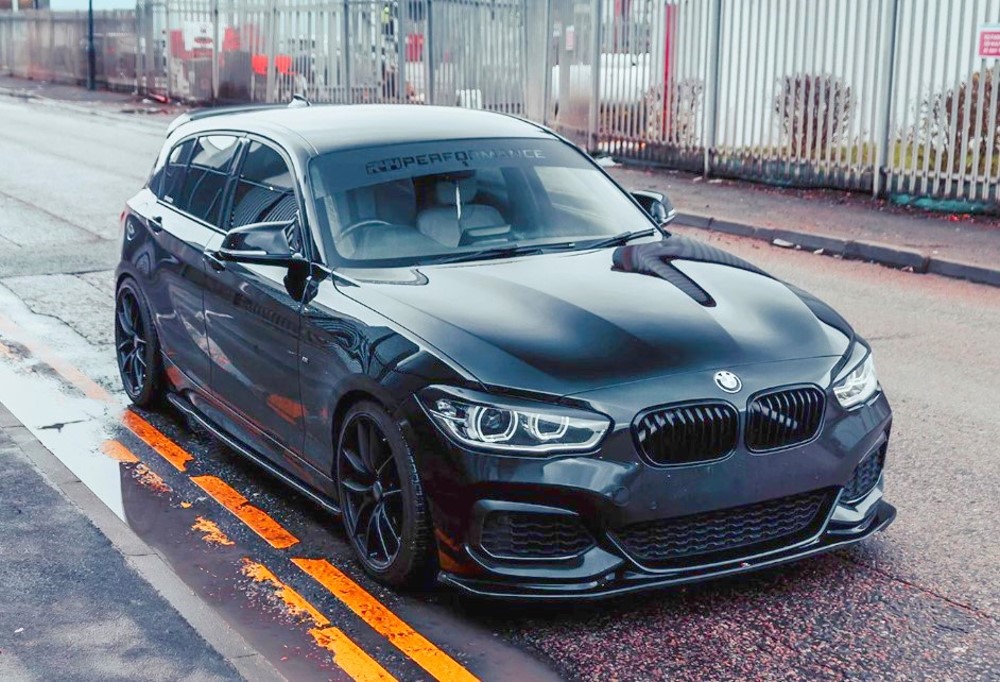
Material specifics, easy fitment and model compatibility are the main buying considerations when buying 1 Series styling accessories. ABS is the affordable, lightweight and durable choice that’s also easy to paint, maintain and repair. Its high strength and crack-resistance also mean the parts can be added to cars used on the track or potholed B-roads without the ensuing headache of high repair costs. Compared to other more affordable options such as fiberglass, ABS is shatter-proof and more flexible, balancing durability and performance at higher speeds.
Carbonfiber is the cost-no-issue material is you’re really after the best aero performance. The material has ten times the strength of aluminum or steel panels, comes in at a fifth of the weight (rated for same strength and volume) due to lower density, and is flexible to sustain enough downforce in 150mph+ straights and corners. The material is also used in hoods and roofs for considerable weight savings. The only downsides are that it is brittle and can crack in high-impact collisions. And very expensive to repair.
Ensure to shop for engineered parts that fit seamlessly with the rest of the car and don’t require considerable work, such as drilling or cutting, to get them right. Most thermoplastic (ABS, PP, PU) exterior body parts attach to panels and the chassis via screws and adhesive tape for quick installation. Just mind your 1 Series model and trim, and any aftermarket additions.
Combine Exterior Body Parts with Matching Performance Exhausts
The stock three and four-cylinder engines are largely restricted by emissions regulations and produce a muffled, quiet exhaust note. The 6-cylinder turbocharged mills in the M cars go louder and deeper, but even these can be improved and tuned to personal tastes. Performance exhaust systems from respectable brands help all engine variants in the 1 Series breathe with wider, straighter pipin,g concentrating heat in the pipes and extracting gases out faster. The less-restrictive design directly impacts sound, with a throatier rumble and higher volumes, and sound that gains more character the faster you go.
While BMW doesn’t cut as many corners as lower-rung car brands in terms of build and materials, aftermarket exhausts go one better with engineered parts in high-grade 304 stainless steel as the entry option, all the way to nickel alloys, titanium and carbon fibre in costlier variants. All materials improve strength, corrosion and heat-resistance, meaning pipes, mufflers, converters and tips retain their new factory looks after considerable use and abuse, regardless if this is on the street or the track.
On that note, tips are the visual element drawing the most attention. 1 Series owners can choose between different tip counts (single, dual, quad), varying diameters and a choice of materials and finishes. The latter vary from brushed, polished and chrome-plated stainless steel (or aluminium), to ceramic-polymer coatings in a variety of hues, or burnt titanium and layered, interwoven carbon fibre. This gives BMW 1 Series owners the choice to experiment with looks, especially with a full exterior makeover that also includes a full body kit and matching aftermarket alloys.