The Evolution of Motorsports Competition: From Mechanical Skill to Digital Models
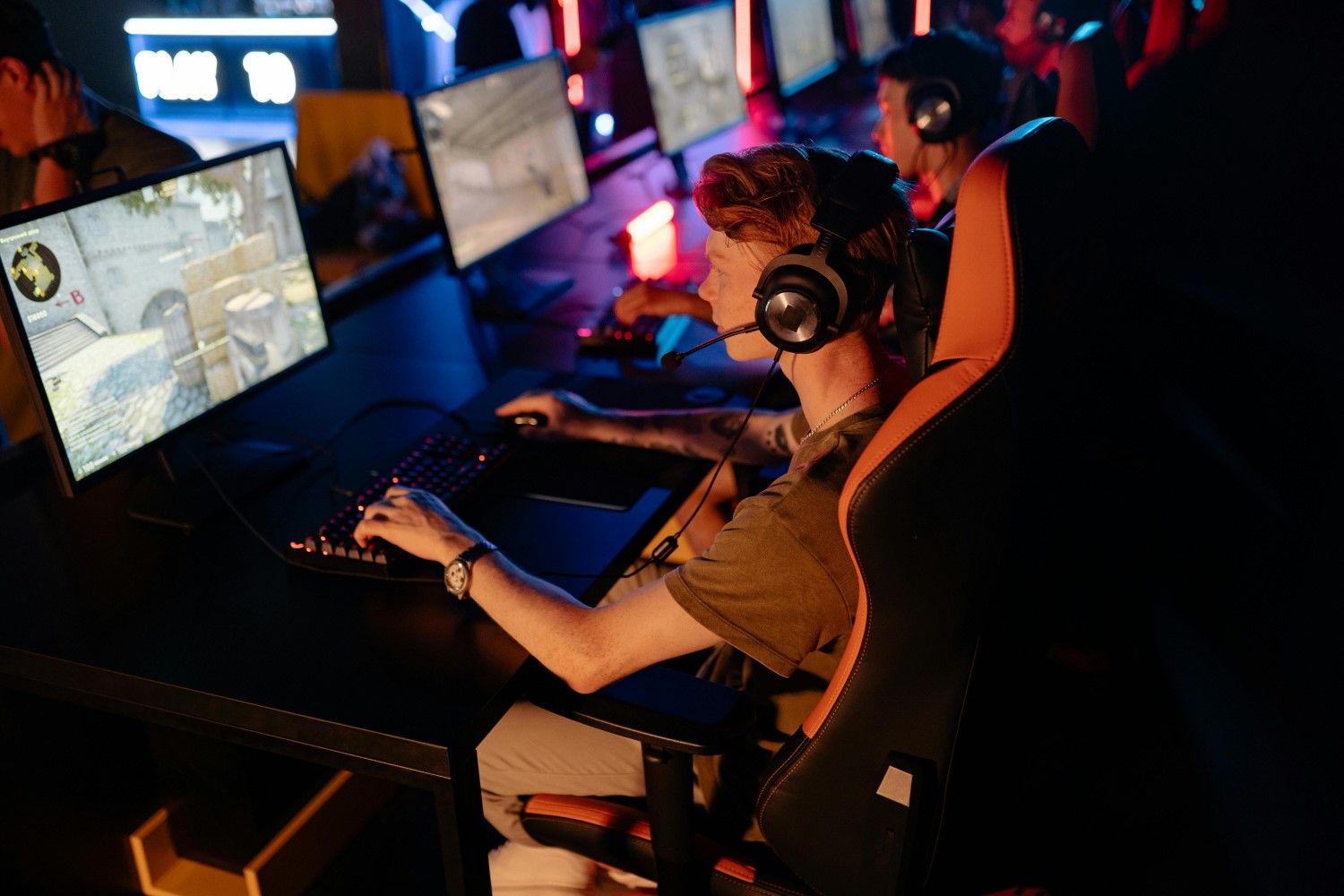
Motorsports Competition has long captivated humanity, evolving from gritty tests of mechanical ingenuity to pulse-pounding virtual battles on glowing screens. What began as raw contests of strength and craftsmanship now thrives in hyper-realistic simulations so lifelike they’re eerie—bridging playground rivalries to global esports arenas. Yet through every shift, the core thrill endures: the rush of competition.
As an offshoot of these virtual motorsports worlds, race fans and participants often extend the adrenaline rush beyond the track, testing their nerve and sharpening quick decision-making in online environments like platincasino-ie.ie or jackpotcity-casino.ie. These platforms prove that today’s battleground no longer requires a stadium, workshop, or even a steering wheel—just a screen and split-second choices. This seamless journey from turning gears to tapping keys illustrates how technology continually reshapes the boundaries of skill, chance, and fair play.
By tracing this arc—from wrench-turning duels to pixel-perfect precision—we uncover patterns that forecast the next frontier. This journey explores mechanical origins, electronic gaming’s spark, the ascent of virtual arenas, and hybrid futures where human grit merges with AI smarts. For drivers, engineers, fans, and designers, grasping this evolution unlocks more inclusive, innovative ways to race.
The Roots of Mechanical Competition
Long before engines roared, motorsports demanded mastery over moving parts, unyielding hands, and brute endurance. The first official automobile race, Paris-Rouen in 1894, wasn’t just speed—it was survival on rutted roads, where breakdowns tested a driver’s mechanical wizardry as much as nerve. Early racers doubled as pit crews, tweaking carburetors mid-race or patching tires with whatever lay nearby.
The Industrial Revolution fueled this fire: steam-powered contraptions and early autos turned workshops into proving grounds. Building a faster engine or fine-tuning a chassis became public spectacles, fostering innovation as rivals swapped tips (or spied on them). Spectators cheered visible drama—sparks flying, gears grinding—while strict rules emerged: every bolt secure, every lap timed. Winners landed jobs or sponsorships overnight, embedding fairness through judges, standards, and clocks.
Today’s robot combat or maker fairs echo these origins, proving friendly mechanical dares still ignite progress.
The Shift to Electronic Gaming
The mid-20th century flipped the script with arcades, swapping wrenches for joysticks and circuits. Atari’s *Space Race* (1973) kicked off the genre with simple spaceship duels, evolving into *Night Driver* (1976) and blockbuster *Pole Position* (1982)—the first with a steering wheel and realistic tracks. Home consoles like the NES brought these thrills indoors, turning living rooms into virtual circuits.
This era transformed rivalry in three ways: barriers plummeted (no garage required), software enabled instant rule tweaks for endless replayability, and digital leaderboards connected players worldwide. TV spotlights crowned arcade kings, while 1990s tournaments packed halls—pixels rivaling pistons. Milestones like *Indy 500: The Simulation* (1989) bridged fun to fidelity, laying groundwork for esports empires.
Digital Models and Virtual Arenas for Motorsports
Modern sims shatter physical bounds, crafting worlds where pros prep for glory. High-fidelity platforms like iRacing (2008) replicate tire wear, aerodynamics, and track bumps with physics engines rivaling reality—drivers like Max Verstappen log hours here before real laps. Cloud-based “digital twins” mirror factories or circuits, optimizing for efficiency in virtual showdowns.
AI elevates it further: as coach, it dissects laps; as foe, it adapts unpredictably. Metrics evolve beyond lap times—factoring strategy, resource use, and teamwork—while streams blend avatars with data viz. Victory now crowns adaptability over reflexes, democratizing access for diverse talents.
Where Motorsports Competition Goes Next
Tomorrow’s tracks fuse flesh, code, and metal in thrilling hybrids. VR headsets immerse racers in 360-degree cockpits; AR overlays digital foes on real streets; wearables track biometrics for live spectator stats. AI co-pilots predict strategies, blurring human-machine lines, while esports pros leap to real grids—like 2025’s sim-to-pro transitions.
Fairness debates loom—who owns data? How to curb algorithmic bias?—but history offers answers: transparent rules and shared gains. Schools could score via team sims; firms hire from virtual derbies. Whatever the arena, motorsports’ essence persists: pushing limits, bonding rivals, and savoring that electric win.