Formula 1 News: Ferrari’s Bold Gambit – Project 678 and the Quest to Reclaim F1 Glory in 2026
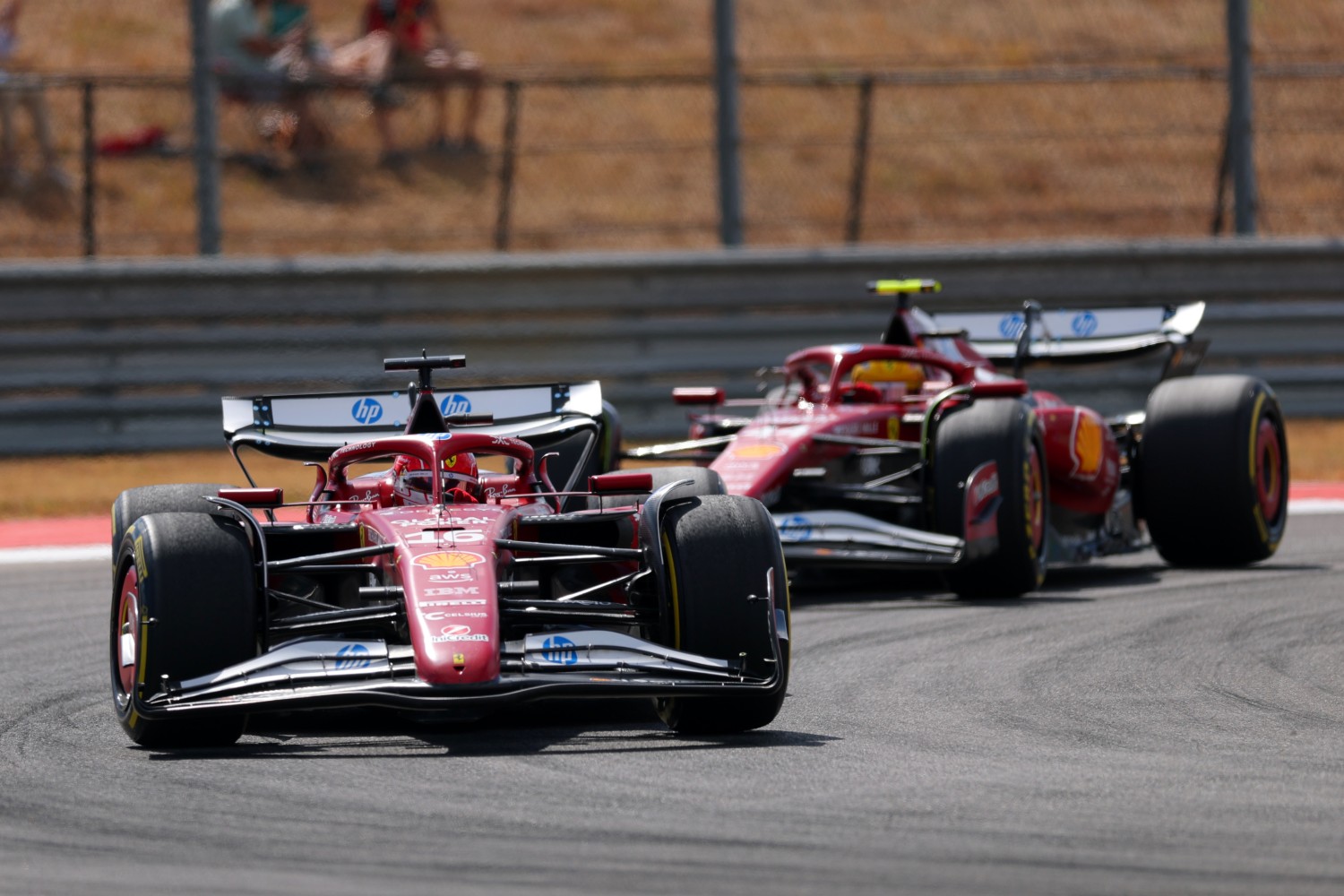
In the high-stakes world of Formula 1, where innovation clashes with tradition, Ferrari stands at a crossroads. After a disastrous 2025 season that saw the Scuderia plummet to fourth in the constructors’ championship—trailing champions McLaren by a staggering 435 points—the iconic Italian team is betting everything on a secretive overhaul for 2026.
–by Mark Cipolloni–
Winless for the first time since 2021, Ferrari’s SF-25 car was plagued by fundamental flaws, including ride-height issues that led to disqualifications: Lewis Hamilton for excessive skid-block wear and Charles Leclerc for being underweight in China.
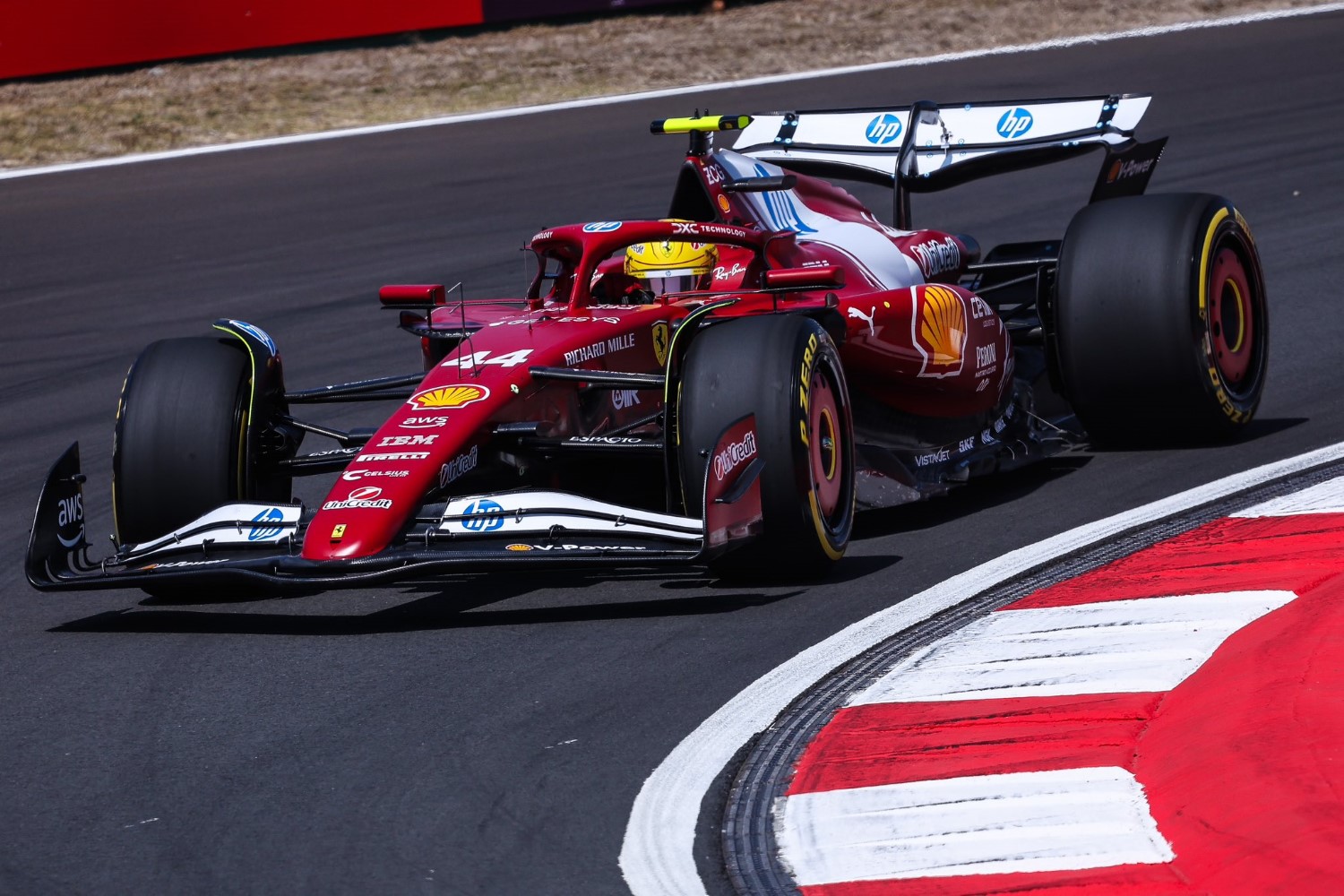
Conservative setups and “lift-and-coast” instructions stifled performance, leaving Leclerc with seven podiums through sheer consistency, while seven-time champion Hamilton endured his worst season ever, failing to crack the top three in any race.
This nadir prompted a radical pivot. By April 2025, Ferrari halted development on the SF-25 to pour resources into what would become their most ambitious project in over a decade: codenamed Project 678, the 2026 challenger represents a complete reset, designed to exploit the sport’s sweeping regulatory changes and propel the team back to the front.
“The future depends on the ‘678’ enigma,” as one Italian motorsport outlet put it, underscoring the high stakes—not just for the team, but for drivers like Hamilton, who has “no options” elsewhere, and Leclerc, reportedly courted by three rival teams if the project falters.
The 2026 regulations mark a seismic shift in F1, aiming for sustainability and closer racing. Power units will derive nearly 50% of their output from electrification, ditching the MGU-H (motor generator unit-heat) in favor of an enhanced MGU-K for energy recovery during braking. Cars will run on 100% sustainable fuels, incorporate active aerodynamics to manage energy and reduce drag, and feature slimmer rear axles for better efficiency.
These changes open the door for bold interpretations, and Ferrari is seizing the opportunity with a “revolutionary” V6 engine at the heart of Project 678.
Under the hood, the power unit—developed in Maranello’s engine department by figures like Technical Director Enrico Gualtieri, Davide Mazzoni, and Guido Di Paola—prioritizes combustion stability, reduced internal friction, and a linear power curve tailored to the hybrid setup.
It features a steel alloy cylinder head (a departure from the lighter aluminum norm, adding about 30kg but allowing for extreme pressures and temperatures with copper and ceramic reinforcements), a top-secret intake system, and advanced kinetic energy recovery that has already exceeded initial targets.
This compact design grants aerodynamicists like Loïc Serra, Diego Tondi, and Frank Sanchez greater freedom, enabling a slimmer chassis and more extreme aero choices. Unlike rivals Mercedes and Red Bull-Ford, suspected of exploiting tricks like variable compression ratios (shifting from 16:1 cold to 18:1 hot), Ferrari is sticking to a conventional yet optimized path, focusing on overall performance over peak power.
The chassis itself is Ferrari’s most adventurous since the hybrid era began in 2014, boasting a major aerodynamic rethink and pushrod suspension at both front and rear—the latter unused since 2010. This setup aims to cure the structural errors that haunted 2025, such as regulatory limit breaches and inconsistent handling.
Ferrari’s rollout strategy is equally aggressive, dubbed a “double Project 678 attack.” The car will be officially unveiled on January 23, 2026, followed by a shakedown at the team’s Fiorano circuit. Pre-season testing kicks off with an expanded nine-day schedule: a behind-closed-doors session in Barcelona in late January, where a launch-spec “A” version will prioritize reliability, packaging validation, electronics checks for the new power unit, and sheer mileage over lap times.
Upgrades, including a new nose cone, will debut in a “B-spec” at Bahrain from February 11-13 and 18-20, shifting the focus to outright performance.
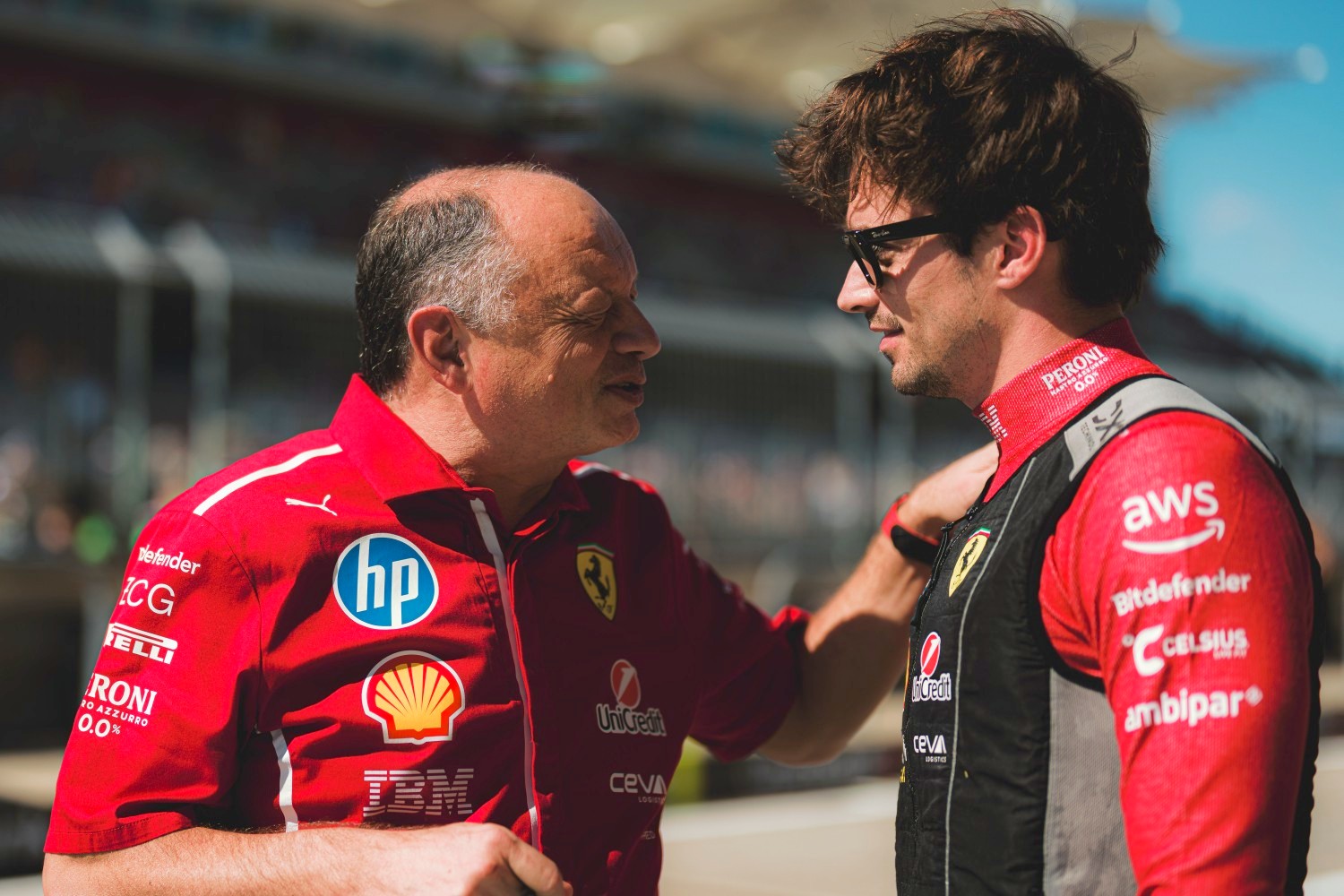
Team Principal Fred Vasseur, reflecting on the lessons from 2025’s high DNF rates and lost mileage, emphasized this pragmatic approach: “The most important [thing] is to get mileage. It’s not to chase performance, it’s to get mileage, to validate the technical choice of the car, and then to get performance.” He anticipates other teams will follow suit, turning the tests into a battle of preparation rather than immediate speed.
For Ferrari, Project 678 isn’t just a car—it’s a statement of intent. After years of near-misses and technical compromises, the team is positioning itself to “control the narrative” in the new era, rather than chase it. Early dyno tests on the power unit have been promising, but the true test comes on track. If successful, it could end Ferrari’s championship drought since 2008 and vindicate the bold risks taken. Failure, however, might spell upheaval, with whispers of driver shake-ups already circulating.
As the Prancing Horse charges into 2026, the F1 world watches: will Project 678 be the key to redemption, or another chapter in Ferrari’s storied saga of unfulfilled potential?