Race Strategy: How Fans Break It Down Live
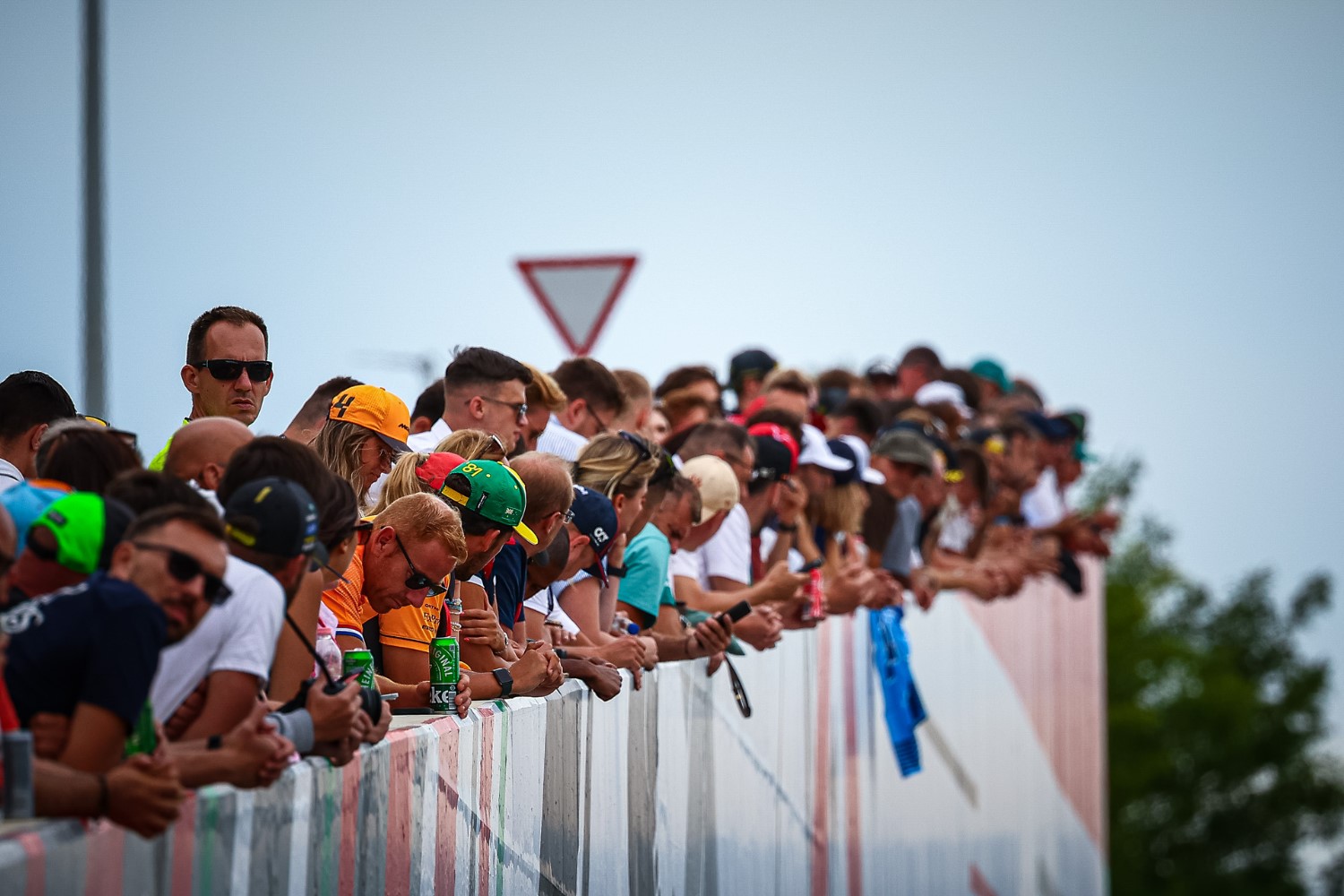
Racing is fast. Motorsport is louder, brighter, and more complex than it looks on TV. Formula series, especially, turn every lap into a puzzle. Fans no longer just watch cars go around a track. They watch data. They watch decisions. They argue in real time.
Years ago, viewers waited for commentators to explain what happened. Today, fans explain it to each other while it is happening. Phones buzz. Chats scroll. Opinions change every lap. Strategy is no longer hidden in the pit wall. It is discussed live by thousands of people at once.
https://combobreaker.org/tournaments/
What “Race Strategy” Really Means
Race strategy sounds complicated, but the core ideas are simple. When to pit. Which tires to use. How long to stay out. How much fuel to save. Whether to attack or defend.
In motorsport, a good strategy can beat a faster car. That is why fans care. In Formula racing, lap times may differ by only tenths of a second. Strategy fills the gap.
About 70 percent of races in top-level single-seater series are influenced by pit timing or tire choice, according to media analysis of race results over the last decade. Fans know this. They watch for it.
Live Data Changes Everything
Modern racing broadcasts show more than cars. They show tire age. Gaps between drivers. Sector times. Predicted pit windows.
Fans pause. They rewind. They screenshot.
Some viewers keep timing apps open while watching the race. Surveys from motorsport platforms suggest that over 50 percent of younger fans use a second screen during races. That second screen turns watching into analysis.
One fan notices tire wear. Another tracks fuel saving. A third watches onboard footage. Together, they build a live strategy model.
Tires: The Center of Every Debate
Tires are always the hottest topic. Soft, medium, hard. New or used. Fresh grip or long life.
In Formula racing, a soft tire can be up to 1.5 seconds faster per lap than a hard tire, but it wears out twice as fast. Fans know these numbers. They repeat them. They argue about them.
When a driver stays out longer than expected, chats explode. Is it a mistake? Is it a bold move? Is a safety car coming?
Sometimes fans guess right. Sometimes teams surprise everyone.
Social Media as a Strategy Room
Social platforms have become virtual pit walls. Fans post charts, screenshots, and predictions. The location isn’t so important; it could be a Facebook group or a personal video chat on the Callmechat platform. The main thing is the opportunity to talk online and convey your point of view or discuss others’.
Hashtags trend during big races. Strategy debates often start before the race and continue long after the checkered flag.
A wrong call by a team can trigger thousands of posts in minutes. A clever move earns praise just as fast.
In motorsport, fans do not wait for post-race analysis. They create it live.
Pit Stops Under the Microscope
Pit stops are short. Very short. In top motorsport series, a good pit stop takes about 2.3 seconds. A bad one can cost 5 seconds or more.
Fans count every frame.
When a driver pits, fans immediately calculate the “undercut” or “overcut.” An undercut means pitting early to gain time on fresh tires. An overcut means staying out longer with clean air.
Live chats fill with math. Simple math, but fast math.
“If he pits now, he comes out behind traffic.”
“If she stays out two more laps, she wins track position.”
This is racing as a shared puzzle.
Safety Cars and Sudden Chaos
Nothing changes strategy faster than a safety car. One crash can reset the race.
Statistics show that around 40 percent of Formula races include at least one safety car period. Fans expect it. They prepare for it.
When yellow flags appear, strategy talk spikes. Should the leader pit? Should midfield drivers gamble? Should someone stay out?
Fans split into camps. Some want safe points. Others want risk.
Sometimes the bold choice wins. Fans remember those moments for years.
Commentators vs. the Crowd
Commentators still matter. They guide new viewers. They explain rules. But fans are no longer passive.
Sometimes fans spot strategy shifts before the broadcast mentions them. Sometimes they disagree openly.
This creates a new balance. Official voices and fan voices exist side by side. Both shape how racing is understood.
In Formula racing especially, strategy talk has become part of the show.
Why Fans Love Breaking It Down
Strategy gives fans control. They cannot drive the car. They cannot choose the tires. But they can think.
Predicting a pit stop feels like winning. Calling a safety car timing feels smart. Being right feels powerful.
Motorsport rewards attention. The more closely you watch, the more you see.
This is why live breakdowns matter. They turn racing into a shared mental game.
The Future of Live Strategy Talk
As data becomes more open, fans will go even deeper. Real-time telemetry. AI predictions. Interactive broadcasts.
Some platforms already test live strategy polls during races. Fans vote on what they think a team should do next.
Racing, motorsport, and Formula series are evolving. Not just on track, but in how they are watched.
The race is still about speed. But for fans, it is also about thinking faster than the car in front.
And that thinking now happens live, together, one lap at a time.