Is Red Bull’s Hybrid Entertainment Model One That Others Need to Follow in Modern F1?
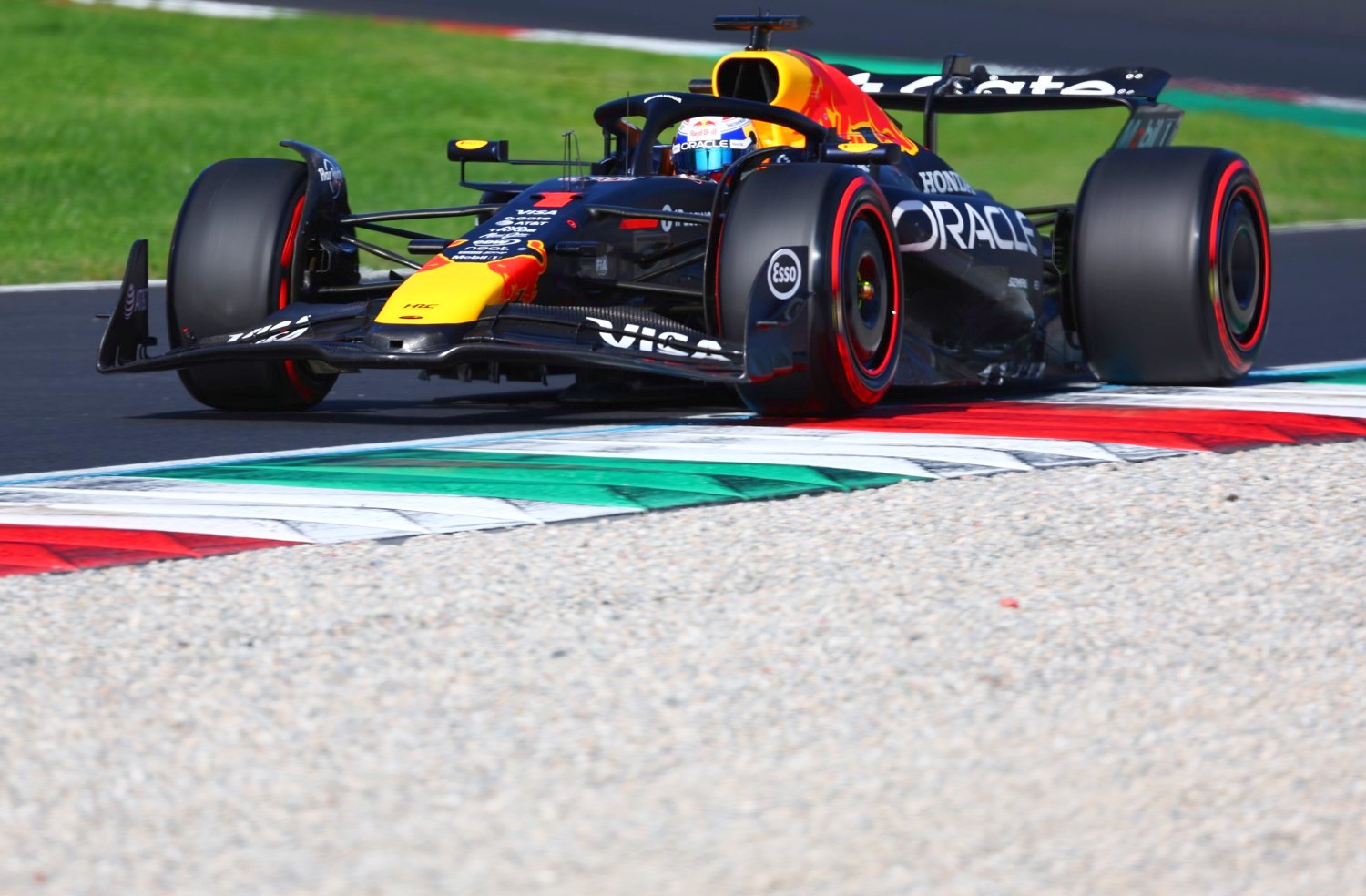
The rise of Red Bull in Formula One has been one of the greatest success stories of the sport. In addition to picking up six Constructors’ Championships and eight Drivers’ Championships since it entered in 2005, the brand has helped market the sport to modern audiences and has had an incredible effect on Formula One’s popularity.
Part of Red Bull’s success is in the way it has built both a race team and a global entertainment brand. The Formula One operation connects to other offshoots such as gaming and YouTube, and highlights the power of franchise expansion in the modern age.
Red Bull’s Partnerships Go Far Beyond Traditional Sponsorship
The days of traditional sponsorships in Formula One are changing, with Red Bull setting a new marketing model. The aim of the game is to connect the racing team to other industries and have the brand visible in as many places as possible.
An example of this in recent years is Red Bull’s extended engagement with EA Sports during the 2024 season, when it acted as a promotional partner around the F1 24 video game. It included branding for the game on Max Verstappen’s helmet and promotional appearances tied to the release, reflecting how F1 teams increasingly lean into gaming culture to reach today’s digital fans.
There’s also Oracle Red Bull Sim Racing, which now has a multi-year partnership with SCUF Gaming. This comes with branded hardware, and gives Red Bull greater visibility at esports competitions like the F1 Esports World Championship.
It’s not just entertainment, though. Red Bull has also partnered with Ford for Red Bull Ford Powertrains, which will begin in 2026. The focus is on developing next-generation Formula One power units, but it is also an excellent way to bring back one of the world’s most famous car brands into the Formula One fold once again.
Why Do Crossovers Work So Well?
Red Bull has brought a model to Formula One that has worked on countless other occasions over the years, especially in entertainment. There have been numerous crossovers and hybrids throughout history that have been designed to bring content to new audiences.
One of the most common examples of this in entertainment is the idea of the spinoff, which extends an existing television show or film. Characters or settings from the original come into play in the spinoff, and it gives people a new way to discover them. Better Call Saul was a recent success in this regard, adding even more depth to the Breaking Bad universe.
In other sectors of entertainment, like iGaming, we often see hybrid entertainment offerings as well, which aim to combine two already successful things. Slingo bingo is a prime example of this in action, with the games designed to appeal to both slots and bingo players. They introduce slots players to bingo and vice versa.
Red Bull’s partnerships are all designed in a similar way, with getting in front of new faces one of the primary aims. Every deal has been strategic and has helped it become one of the most famous brands in racing.
Red Bull may have paved the way when it comes to franchise expansion and getting in front of new faces through clever partnerships, but it’s not the only Formula One team doing this now. Others are starting to follow suit, realizing that this is the best way to reach new fans in the modern age.