Automotive: Ford’s Formula 1 Lessons in the Race Against China
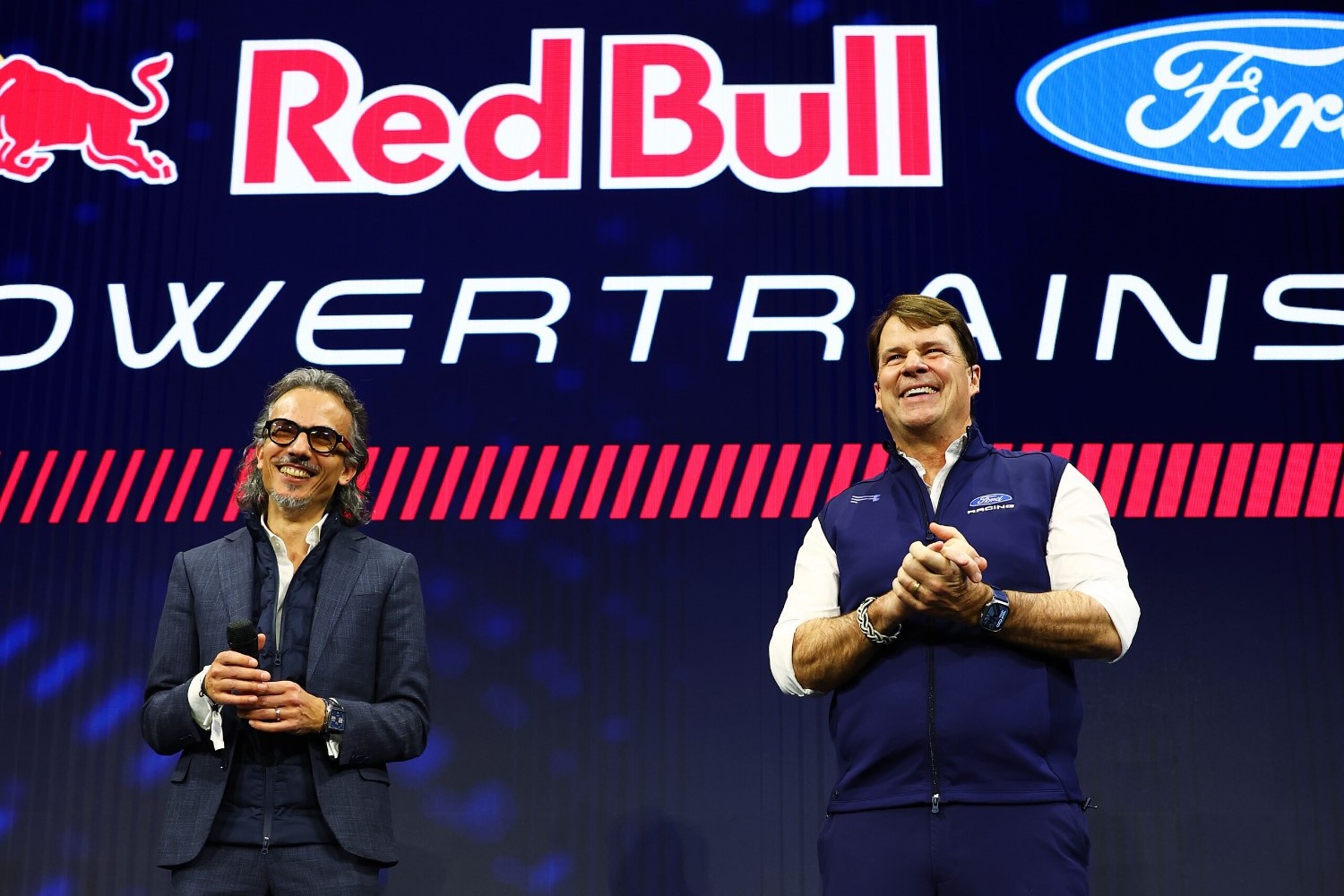
In the high-stakes arena of global automotive competition, where electric vehicles hum with the promise of the future and software reigns supreme, Ford CEO Jim Farley found an unlikely teacher: the roaring circuits of Formula 1. It was early 2026, and as the sleek Red Bull Ford Powertrains engine was unveiled for Oracle Red Bull Racing’s 2026 car, Farley stood at the crossroads of tradition and transformation.
Ford, the American giant that had powered F1 engines from 1967 to 2004, was roaring back—not just to chase checkered flags, but to outpace a new breed of rivals emerging from China.
Farley’s journey into this partnership began with a bold vision: collaborate with the dominant Oracle Red Bull Racing team to co-develop powertrains that could redefine speed and efficiency. But as the months unfolded, what started as an engineering alliance evolved into a masterclass in cutting-edge technology. “It’s a long list,” Farley reflected in a candid interview with Bloomberg, “but I would say the real signature for me is really the software — the control software for the hybrid system, predictive failure components.” These weren’t just race-day tweaks; they were the building blocks of what Farley called “the essence of the new software-defined vehicle globally to beat China, and they are really good.”
The lessons hit home amid the thunder of test laps and the hum of data streams. Formula 1’s unforgiving environment—where milliseconds separate victory from defeat—demanded software that could orchestrate hybrid power systems with pinpoint precision, predicting and preventing failures before they could derail a lap. Farley saw parallels to the consumer world, where vehicles are no longer just machines but intelligent companions.
“We need these capabilities from Formula 1,” he emphasized, “and we can put them right in the Transit van.” Imagine a delivery van that anticipates engine wear, optimizes energy flow in real-time, and integrates large language models (LLMs) for smarter operations—tech that could benefit Max Verstappen on the track and a small business owner on the highway alike.
This revelation came at a pivotal moment. Chinese automakers like BYD, Geely, and Great Wall Motor were surging ahead, redefining cars as “electric intelligent vehicles” (EIVs) infused with AI, such as DeepSeek’s R1 model. Farley himself had spent half a year behind the wheel of a Xiaomi EV, reluctant to part with it due to its seamless phone-to-car integration and superior in-vehicle tech.
“They’re really good,” he admitted of Chinese cars, acknowledging their edge in software that makes vehicles feel alive, intuitive, and ahead of the curve. But F1 offered Ford a secret weapon: the ability to translate racetrack innovations into everyday EVs, turning predictive algorithms and hybrid controls into tools to close the gap.
As the 2026 F1 season loomed, Farley’s team absorbed these insights, weaving them into Ford’s broader strategy. The partnership wasn’t just about engines; it was about fostering a culture of relentless innovation, where failure prediction in a high-speed corner could prevent breakdowns on a family road trip. In the end, Ford’s return to Formula 1 wasn’t merely a nostalgic nod to its racing heritage—it was a calculated sprint toward a software-savvy future, ensuring that American ingenuity could keep pace with, and ultimately overtake, the electric revolution brewing in the East. With the checkered flag in sight, Farley and Ford were ready to shift gears and win the bigger race.