Why Casino and Betting Brands Are Investing More in IMSA and Endurance Racing
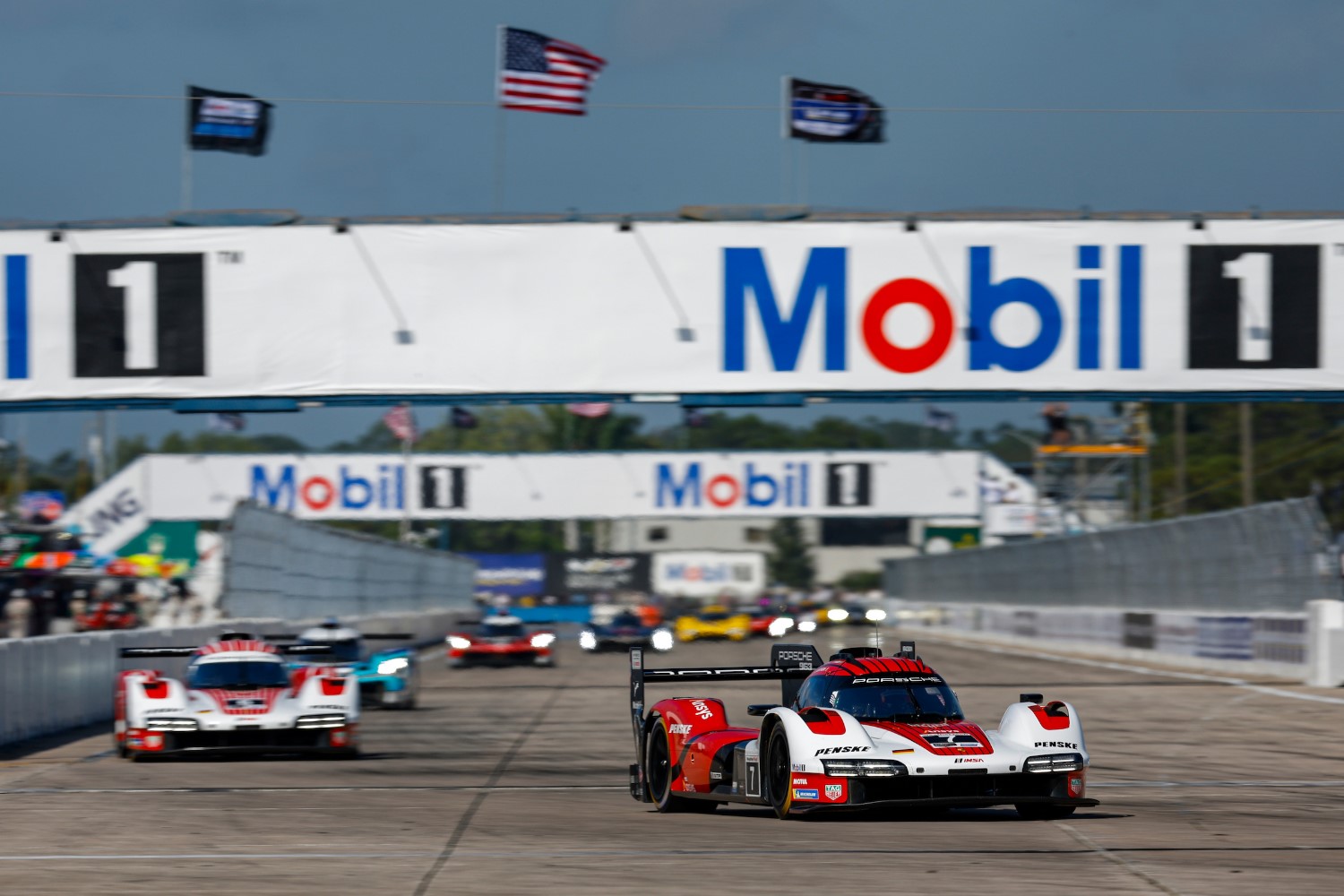
Walked through the paddock at Sebring last year and counted logos I’d never seen there five years ago. Betting companies on rear wings. Online gaming platforms on driver suits. The transformation happened gradually enough that longtime fans barely noticed – but step back and the scale of investment becomes obvious. Endurance racing has become prime real estate for gambling and gaming brands looking to reach audiences they can’t find anywhere else.
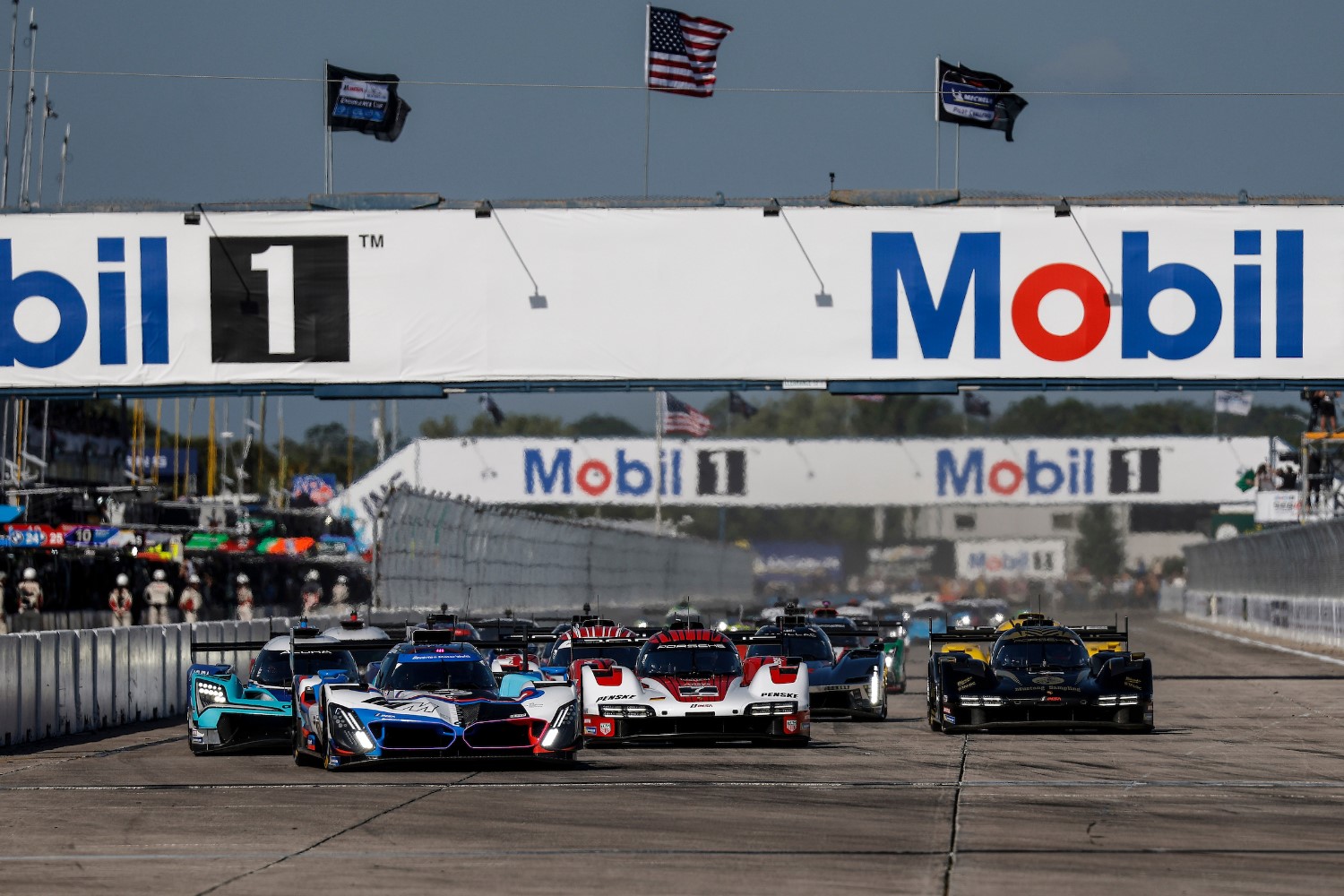
The logic isn’t complicated when you break it down. IMSA and similar endurance series attract a demographic that traditional advertising struggles to capture – affluent, tech-savvy, globally connected fans who consume content across multiple platforms and time zones.
A friend who works in sports marketing told me the numbers are striking. Even platforms focused on specific regional markets like ( الكازينو العربي على الإنترنت ) are exploring motorsport partnerships because the audience crossover between racing enthusiasts and online entertainment users is remarkably high regardless of geography. The Rolex 24 broadcasts to over 150 countries. That kind of exposure used to require Olympic-level sponsorship budgets.
The endurance advantage
What makes endurance racing particularly attractive compared to other motorsport categories? Duration and engagement patterns create unique opportunities. A 24-hour race means 24 hours of continuous brand visibility. Compare that to a two-hour Formula 1 broadcast where advertising space gets sliced into seconds. The mathematics favor endurance events dramatically. More screen time per sponsorship dollar. More opportunities for commentary mentions. Additional social media content throughout extended race weekends.
There’s also something about the fan profile. Endurance racing audiences tend to be deeply engaged rather than casually interested. They understand strategy and driver rotations and tire compounds. This translates to higher attention levels during broadcasts – people actually watch rather than having races on as background noise. A team principal I spoke with at Daytona described it bluntly: “Our sponsors get fans who care. Not just eyeballs – actual engaged humans who remember what they saw.”
Follow the money
| Category | Traditional motorsport appeal | Endurance racing advantage |
| Broadcast hours | 2-3 hours typical | 6-24 hours continuous |
| Global reach | Often regional focus | Multi-continent audiences |
| Fan demographics | Broader but shallower | Narrower but deeper engagement |
| Digital content | Race-day focused | Extended weekend coverage |
| Hospitality value | Premium but brief | Extended relationship building |
| Cost efficiency | Higher CPM | Lower cost per engaged viewer |
This table oversimplifies but captures why marketing directors are shifting budgets. The value proposition changed when broadcasting went global and digital engagement became measurable in ways it was never before.
The wagering sector particularly profits from endurance racing’s intricacy. Multiple divisions operating concurrently. Regularly evolving tactics. Weather factors. Driver changes. The sport generates natural talking points that align perfectly with how betting platforms engage their users – analysis, prediction, live updates.
Regional expansion drives investment
Here’s something that doesn’t get discussed enough. The betting and gaming industry is expanding rapidly into new markets – Middle East, Asia, South America. These regions happen to have growing motorsport fan bases and improving broadcast infrastructure.
Over the previous three years, IMSA’s global viewership has increased dramatically. The series now actively courts international broadcast partners and promotes content creation for non-English audiences. For gaming companies trying to establish presence in emerging markets, associating with premium motorsport offers credibility that pure digital advertising cannot match. I talked to a marketing executive from a gaming company at Petit Le Mans who explained their calculation: building brand trust in new markets requires physical presence and legitimate sporting associations. Digital ads can be ignored or blocked. A logo on a race car competing at legendary circuits carries different weight entirely.
The factor that regulates
There are limits on gambling ads in many places that don’t apply to other types of businesses. Sponsoring motorsports works in a gray area where direct advertising might not be allowed but still gets the word out.
This isn’t about circumventing rules – it’s about finding legitimate channels in complicated regulatory environments. Racing sponsorship has always served this function. Tobacco brands pioneered the approach before regulations caught up. The gaming industry is navigating similar territory now.
What comes next
The investment trend shows no signs of reversing. Conversations at recent races suggest acceleration. More teams are courting gaming sponsors. More platforms evaluating motorsport. Additional sophisticated integration beyond logo placement. Several teams now offer dedicated content creation for sponsor platforms. Embedded access. Driver appearances. Behind-the-scenes material tailored for gaming audiences.
A veteran team owner told me he’s negotiating deals structured completely differently than five years ago. Less about logo size. More about content rights and digital integration and audience data sharing. The old model was transactional – money for visibility. The emerging model is collaborative. For fans, this means better-funded teams and presumably better racing. For the series, gaming investment provides diversification away from traditional automotive sponsors facing their own transformation. The paddock at Sebring will look different five years from now. The trajectory seems clear – gaming brands found something valuable in endurance racing and they’re not leaving.