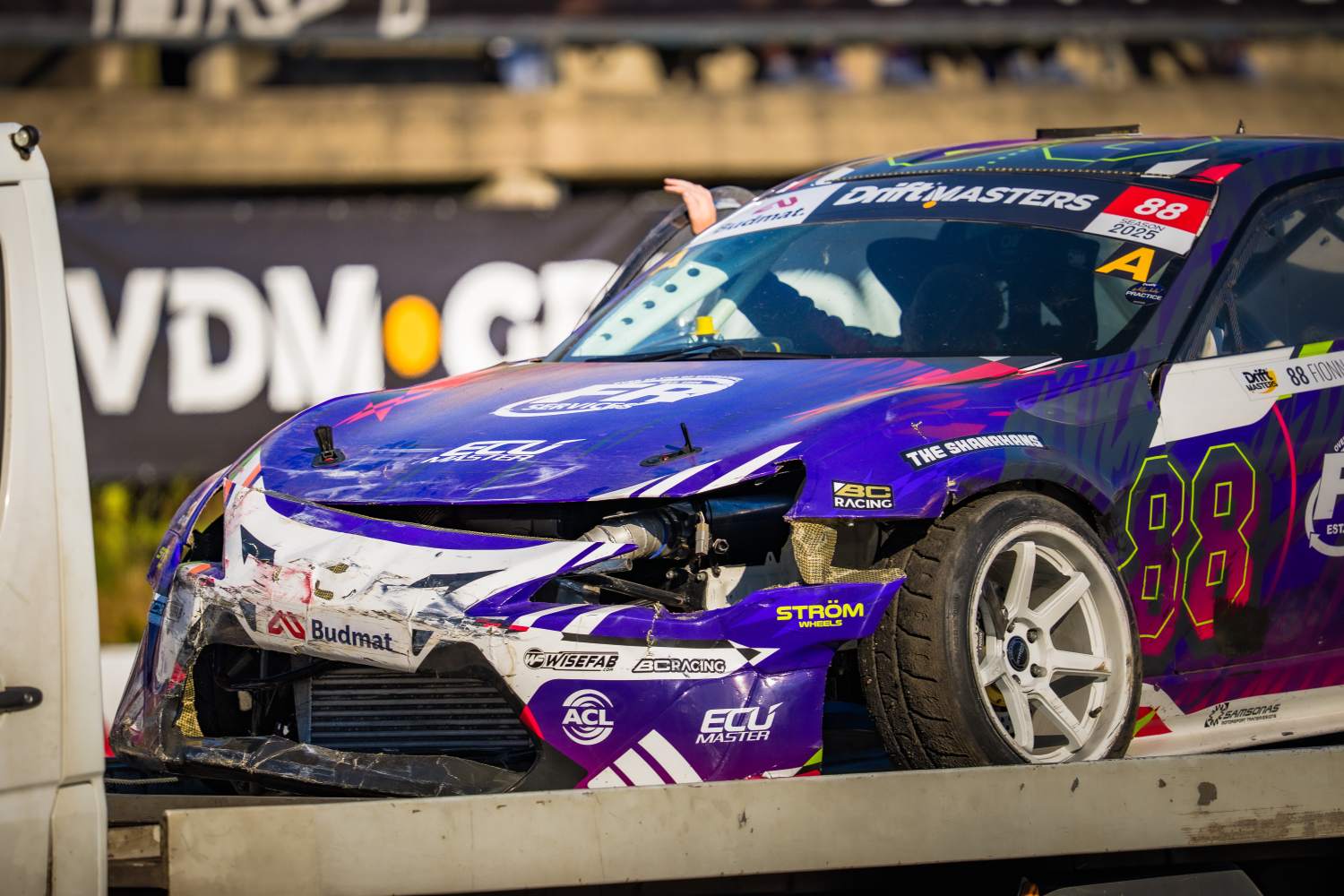
Motorsports Crashes and the Hidden Legal Aftermath
Motorsports is built on speed, precision, and risk. When fans witness dramatic fiery crashes and drivers miraculously walking away from destroyed vehicles, these moments represent only the beginning.
Beyond the safety barriers and TV replays lies a complicated legal landscape that most people never see. This is often filled with liability questions, insurance disputes, and consequences that last for years. This affects not just drivers, but teams, track owners, sponsors, and sometimes even spectators.
Between 2011 and 2015, full-time professional drivers crashed 134 times more often per mile than regular drivers on public roads. However, thanks to advanced safety engineering in racing, they experienced 9.3 times fewer injuries per crash. While this represents significant engineering progress, it does not eliminate the legal complications that arise when accidents occur. (1)
Read on as this post examines what happens after a motorsports crash, focusing on the legal consequences that often remain hidden from public view.
The Immediate Aftermath: More Than Medical Response
Following a serious crash, the immediate focus is rightly on medical care. However, even as emergency crews respond, legal and procedural protocols begin. Officials launch an investigation to determine the cause: driver error, mechanical failure, race track conditions, or some combination. This investigation forms the foundation for any potential legal action.
The damaged vehicles are secured as evidence for expert examination. Data from telemetry systems, onboard camera footage, and witness statements are all collected. This phase serves dual purposes: it helps improve future safety regulations and crash prevention, while also creating a detailed record that will inform liability determinations in any subsequent legal proceedings.
Untangling the Web of Liability
Determining fault in a racing environment is notoriously complex. Unlike public roads, participants assume a known level of risk, often formalized through waivers. However, these waivers aren’t absolute shields against liability. They typically protect entities from the inherent risks of the sport but may not cover gross negligence, willful misconduct, or faulty equipment.
Liability can be distributed among multiple parties:
-
- Drivers: Reckless driving that violates safety rules can lead to liability.
- Teams and car owners: Failure to properly maintain a vehicle, such as negligent mechanical preparation, can create direct responsibility.
- Track owners and promoters: Inadequate safety barriers, poor track design, or failure to address known hazards, such as oil spills, debris, can lead to premises liability claims.
- Parts manufacturers: A defective component, like a failed tire, a faulty brake line, or a malfunctioning safety device, can trigger product liability lawsuits.
- Sponsors and event organizers: In certain circumstances, if they exercise significant control over the event or the vehicle, they too may be drawn into litigation.
These multi-party scenarios often lead to extended legal battles as each entity attempts to shift responsibility to others. An important distinction exists between everyday driving and professional racing: standard car insurance policies do not apply on the racetrack. For professional racers operating at speeds exceeding 200 miles per hour, such as in NASCAR, a completely separate and specialized framework of risk management and financial protection is required. (2)
For those managing insurance claims arising from such complex incidents, specialized legal guidance becomes essential. Firms with expertise in complex vehicular liability are often engaged to navigate these situations. For example, those in the Dayton area might seek out a Dayton car insurance claims firm familiar with motorsports-related cases.
The Insurance Maze: Exclusions and Limitations
Insurance in motorsports operates as a specialized and expensive field. Personal injury protection from standard auto policies explicitly excludes organized racing. Drivers and teams must rely on specialized motorsport policies, which come with high deductibles, exclusions for certain racing types, and strict safety requirements.
For context, the national average annual premium for full coverage auto insurance, including collision and comprehensive protection for events like theft or fire, is approximately USD$2,149. This figure highlights the significant disparity in both risk exposure and premium costs between regular driving and competitive racing. (3)
Following a crash, insurers conduct independent investigations, often challenging the cause of loss or extent of damage. These investigations examine everything from tire failures to crash barrier integrity. While safety measures have substantially reduced fatality rates in motorsports, disputes frequently arise over medical expenses, property damage, lost earnings, and liability coverage.
Long-Term Consequences: The Silent Toll of Motorsport Crashes

The aftermath can extend for years or even decades. A driver, for instance, may be seriously injured and suffer a traumatic brain injury with subtle cognitive effects that emerge gradually, affecting both career and daily life. Spinal injuries can result in chronic pain and long-term disability. The psychological impact on drivers, crew members, and witnesses can also manifest as PTSD, anxiety, or depression, requiring ongoing treatment.
Legal settlements or court judgments must account for these long-term effects. This includes future medical care, reduced quality of life, and permanent impairment. All of this occurs within the broader context of motorsport safety advancements, such as NASCAR’s SAFER Barrier and Formula 1’s sophisticated safety systems, which are developed through intensive accident analysis.
However, the effectiveness of driver safety equipment and communication protocols, while designed to reduce crash risk, does not eliminate the financial consequences for individuals. For amateur drivers participating in club racing, these costs can be financially devastating without adequate insurance or legal support.
Conclusion
While motorsports crashes may quickly fade from news headlines, their real-world impact extends far longer for those involved. The legal aftermath unfolds over months or years through investigations, negotiations, and potential litigation.
In an environment where speed and danger intersect, understanding the potential legal and financial consequences is essential for protecting one’s interests long after the checkered flag waves on the incident itself.
References:
-
- “Estimated crash injury risk and crash characteristics for motorsport drivers”, Source: https://www.sciencedirect.com/science/article/abs/pii/S0001457519310759
- “Who Insures Race Car Drivers and Their Cars?”, Source: https://auto.howstuffworks.com/auto-racing/motorsports/insuring-race-cars.htm
- “Average Cost Of Car Insurance 2026”, Source: https://www.forbes.com/advisor/car-insurance/average-cost-of-car-insurance/