Automotive News: Choosing the Right Filter for Your Driving Style
The different types of driving conditions create different demands on your vehicle’s filter system. Depending on whether you are driving to work, driving on the highways, or taking your vehicle off-road, the different filter types you choose for your engine—oil, fuel, and cabin filters—should be based on where and how you drive. By utilizing the appropriate filter for your driving conditions, your engine will operate more efficiently with less expense over the long term.
In this article, we review how different driving styles will affect filter selections and things to consider when purchasing the correct components.
Match Filter Types to Your Driving Conditions
Your driving environment has a direct impact on how filters perform. For example, if you often drive on dusty rural roads, your engine air filter will need to capture a higher volume of dirt and debris than it would in clean urban conditions. In these cases, high-capacity filters with layered media are essential to prevent engine wear and maintain airflow.
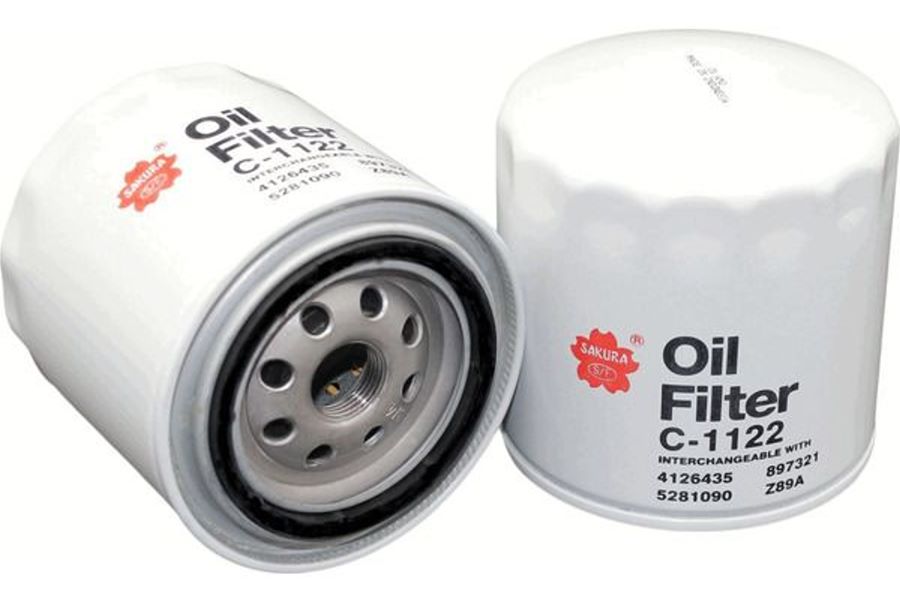
Meanwhile, city-based drivers face stop-start traffic and increased exposure to pollutants. These places added strain on both cabin and oil filters, which must manage more frequent thermal cycles and trap finer particulates. Drivers looking for consistent filtration performance across varying conditions may consider options like Sakura automotive filtration products from Rolan Australian, which are designed to meet a range of operational demands common to Australian roads.
Choose the Right Air Filter for Engine Protection
Engine air filtration is important because it protects an engine’s internal components from dirt, pollen, and other airborne contaminants which can enter through the intake manifold. Fine particle air filters are best utilised in urban environments where pollution is prevalent to keep the level of pollution entering your engine low. If you do most of your driving on highways, then you should look for high-flow air filters, as they will assist in providing increased acceleration, as well as filtering incoming air.
If you are driving a lot of unpaved/off-road areas, then use a heavy-duty air filter since these can trap lots of dirt while providing good airflow. Regardless of whether you use a fine particle, high flow or heavy-duty style, it’s important to have proper maintenance, including regular checks and replacing your filter when required, to keep your engine operating at optimal levels.
Select Oil Filters Based on Driving Frequency
The purpose of an oil filter is to clean out contaminants from the engine oil such as things like carbon buildup, sludge, and metal shavings from the engine oil. If you drive short distances and your engine does not run at its ideal temperature often, then you will want a high-efficiency oil filter. These types of filters work better on engines that accumulate a large amount of contaminants and help stop these contaminants from building up in your engine’s oil system.
Conversely, long-distance drivers and users of synthetic oil will want to use extended-life oil filters containing synthetic media because they provide better filtration for longer periods of use and maintain constant oil flow when starting their vehicle after cold weather or experiencing excessive loads on the engine.
Adapt Fuel Filters to Fuel Quality and Load
Contaminants such as dirt, rust and water found in fuel supply are kept out of engines by using a fuel filter as the first line of defence against any of them entering the engine. If you often refuel in remote or regional areas where fuel quality may be inconsistent, a multi-stage fuel filter with water separation capability is advisable to prevent issues in common rail systems, where any impurities can compromise fuel delivery and pressure consistency.
Drivers who tow trailers, carry heavy loads, or drive in hilly terrain should also consider low-restriction fuel filters. These allow for uninterrupted fuel flow and reduce the risk of hesitation or misfiring under load. Diesel vehicles, in particular, rely heavily on well-maintained fuel filters for performance and engine protection.
Adjust Cabin Filters for Comfort and Health
Cabin air filters are a vital component in maintaining a clean environment inside your vehicle. City drivers and individuals with allergies would greatly benefit from using activated carbon cabin air filters, which not only neutralise odors but also effectively capture small particles, like pollen and smoke.
In rural or industrial locations, especially during bushfire or harvest seasons, multi-layer cabin filters will effectively block a larger variety of airborne particles. Replacing the cabin filter as specified maintains HVAC system efficiency and gives you and your passengers a healthier driving experience.
The Takeaway on Filter Selection
Choosing the right filter for your driving style isn’t just about ticking off manufacturer guidelines—it’s about aligning performance with real-world conditions. Whether you’re navigating daily commutes or exploring rougher terrain, using the right filtration setup ensures cleaner operation, fewer issues, and longer engine life.