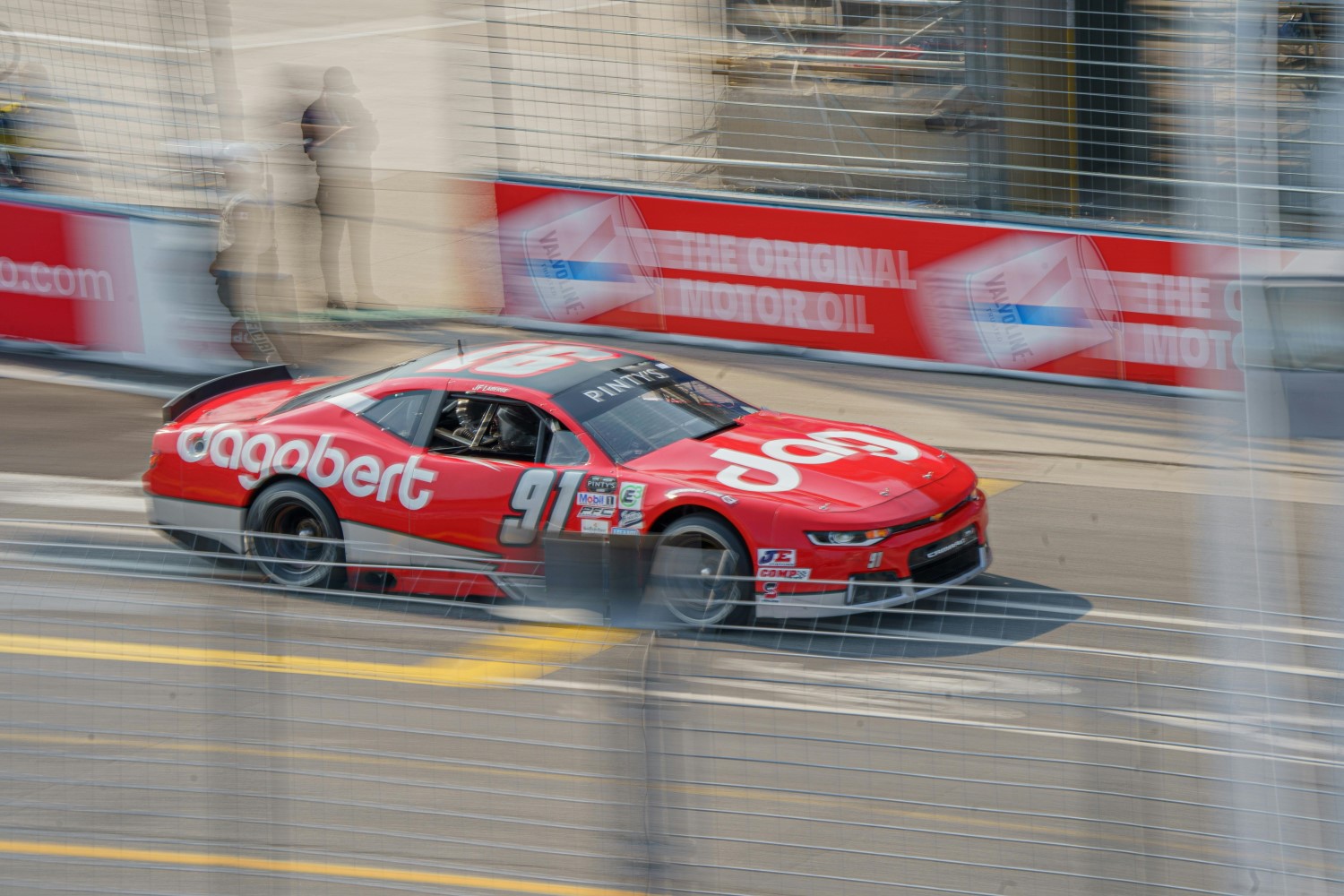
Why Wind-Adjusted Speed Metrics Matter More Than You Think for Race Outcome Predictions
What if the most “accurate” lap time is the one that never happened?
Not because a driver missed a braking point or a crew chief guessed wrong. A different reason, one that shows up on every circuit, every week. Wind.
Most prediction models treat wind as background noise, then wonder why speed trends break at the worst possible moment. That gap comes from aerodynamics. Wind changes the forces on the car, shifts how drivers approach entries and exits, and alters the value of clean air versus traffic. When wind moves, the race moves with it.
Wind-adjusted speed metrics aim to isolate performance from conditions. They also reveal who holds pace when the track stops behaving.
Wind changes more than top speed
Wind rarely acts like a simple headwind or tailwind down a straight. It changes across the lap, it gusts, it funnels through openings, and it interacts with the car’s yaw angle. That matters because most cars generate downforce and drag in a narrow operating window. Outside that window, balance shifts, tire load changes, and steering inputs rise.
A strong headwind into a braking zone can increase aero load, shorten stopping distance, and tempt later braking. The same headwind can also increase drag on the preceding straight, reducing peak speed and changing how a driver times the draft. A tailwind can do the opposite. It reduces aero load on entry, lengthens braking, and pushes the car towards understeer at the moment the driver needs bite.
Crosswinds add a second layer. They push the car into yaw and change how the aero platform works. Some setups tolerate yaw and keep stability. Others lose rear grip quickly and force the driver into a defensive line. Those traits often stay hidden when only looking at raw lap times.
The key point is simple. Wind changes the cost of every decision. That cost shows up in speed profiles, not in a single lap figure.
Why platform quality matters when applying this to NASCAR markets
Wind-adjusted metrics only help when the underlying data and market presentation stay clean. That includes reliable timing feeds, consistent market updates, and clear rules on classification. Without that, the analysis becomes hard to execute, especially close to race time when conditions change quickly.
This section connects directly to execution. Good NASCAR betting odds also depend on the platforms that tend to handle live market updates more smoothly and present clearer lines for different bet types. They also reduce friction when tracking multiple markets tied to the same wind-driven narrative, such as head-to-heads versus stage outcomes.
It’s important to know where the market currently prices performance. Wind-adjusted analysis can challenge that price when it leans too heavily on practice rank or season-long averages. The goal stays the same as any serious approach: interpret the line, test the assumptions behind it, and decide whether the market reflects the conditions likely to shape the race.
Platform choice also shapes discipline. Reliable limits, stable uptime, and clear settlement rules support a structured process. Those details sound boring. They become essential when the wind flips direction and the best position changes quickly.
Turning raw telemetry into wind-adjusted speed profiles
Wind-adjusted metrics start with a basic idea. Segment performance, then correct it for wind exposure and traffic context. That correction does not need to be complex to be useful, but it has to be consistent.
A practical approach begins with segmenting the lap into zones based on aerodynamic sensitivity. Long straights, fast sweepers, braking zones, and throttle pickup zones respond differently to wind. A single “average wind” value rarely captures that.
From there, separate the signal from the noise:
- Direction relative to car heading: headwind, tailwind, crosswind, and mixed zones.
- Wind stability: steady flow versus gusty intervals that create transient balance changes.
- Exposure map: open straights, grandstand shadows, tree lines, and banking transitions that funnel air.
Once zones exist, build a speed trace baseline for each driver or car state. Compare like with like. Similar tire age. Similar fuel load. Similar traffic density. Then apply the wind context. The question becomes, “How much speed does this car gain or lose in this wind pattern, in this zone, under these conditions?”
This is where experienced bettors find value. A car that looks average on overall lap time can show elite stability in crosswind entries or strong acceleration when the tailwind reduces rear load. That profile often predicts who survives late-race restarts when conditions shift.
Aerodynamic interactions that models often miss
Wind-adjusted analysis becomes far sharper when it accounts for the race-specific aerodynamic environment. Draft, dirty air, and side-draft effects all change with wind direction and banking. That matters because the same car can behave like two different packages, depending on whether it runs in clean air or in a pack.
Clean air amplifies the value of a stable aero platform. A car that holds front grip in crosswind can run a higher minimum speed and protect tire life. In traffic, the opposite can happen. Dirty air reduces downforce, raises tire temperatures, and forces earlier lifts. A headwind can partly offset dirty air by increasing dynamic pressure, but it can also increase drag and make passing harder on straights.
This is why wind-adjusted speed metrics should be split into two layers. One layer for clean-air pace, another for traffic resilience. That split helps identify who can lead and who can climb.
Real-world race examples appear often. A driver dominates practice in calm conditions, then fades when gusts arrive. Another team looks quiet early, then climbs as the wind rises because the setup keeps rear stability on entry. Raw times hide the story. Speed traces tell it.