
What High-Speed Racing Teaches About Control and Road Awareness
Track driving is a master class in staying calm when everything moves fast. Drivers learn to see farther, plan earlier, and make fewer but cleaner inputs. Those same habits make daily traffic less stressful and far safer.
The goal is not to drive like a racer on public roads. It is to borrow the mindset: manage risk, protect space, and think ahead. When you do, surprises shrink, and your margin for error grows.
Look Far, Steer Smooth
Racers keep their eyes up and scan beyond the hood. That wider view buys time to react to brake lights, lane changes, or debris. The car stays settled because the driver is settled.
Smooth hands come from a steady gaze. When you look where you want to go, your steering follows with small, tidy inputs. The car tracks cleanly, and you avoid sudden corrections that can unsettle the weight.
On the street, aim to read the next 10 to 15 seconds of road. Use corners, signs, and shadows as cues. The more you see, the less you need to do.
Braking Like A Pro On The Street
Racing teaches that the brakes are not just for stopping, but for shaping speed before turns. On the road, that means lifting early and squeezing the pedal with intent. Your tires keep grip because you are not rushing the last split second.
This same idea supports better judgment in real life – mid-corner surprises are rare if you finish most of your slowing in a straight line. The Tad Nelson law firm is a helpful resource for understanding the legal stakes of poor decisions in Texas, so you can roll back on the throttle only when the exit is clear. Treat every bend and ramp like a short plan: slow, look, and go.
If a turn looks blind or the surface is uneven, buy more margin with less speed. Your future self will thank you when a stalled car or cyclist appears.
Managing Grip And Margin
Every tire has a limited grip pie. If you corner hard, there is less left for braking or accelerating. Drivers who respect that limit rarely get caught out.
On public roads, keep a buffer of unused grip. You may not know the pavement quality, tire temperature, or wind. A quiet steering wheel and stable body roll tell you that you still have room.
If you feel the car push wide or the wheel tug, ease off smoothly. Let the tires recover rather than adding more steering. Patience restores control faster than force.
Why Speed Magnifies Risk
Higher speed multiplies energy and shortens reaction time. That is why small mistakes become big ones. Even a modest cut in speed can turn a near miss into nothing at all.
Safety researchers have linked speed to a large share of fatal crashes. The Insurance Institute for Highway Safety reported that in 2023, about 11,775 U.S. deaths involved speeding, roughly 29% of all roadway fatalities. That scale of loss shows why a few mph matter.
Think of speed like volume on a speaker. A slight turn of the knob can be the difference between clear sound and harsh noise. Keep it down where your senses work best.
Calm Minds Beat Fast Hands
Racers know panic is the enemy. They breathe, reset their eyes to the exit, and make one change at a time. That rhythm beats frantic corrections.
On the road, the same calm helps with tailgaters, cutoffs, and gridlock. Create time and space instead of taking the bait. A light lift or lane change solves what anger makes worse.
Build your ritual for stressful moments. Inhale, exhale, look far, and smooth your hands. The car will mirror your mood.
Trends Drivers Should Know
Road safety moves in the right direction when we manage speed. That is not luck. It reflects choices by millions of drivers in daily traffic.
Federal early estimates pointed to progress in 2024, including fewer speeding-related deaths in part of the year. The National Highway Traffic Safety Administration noted a decline of about 6% in speeding-related crashes for the first half of 2024 compared with the same period in 2023. Progress is real, but it depends on what each of us does with our right foot.
Use that trend as motivation. If a small change in average speed helps the whole system, your choices matter even more.
Building Space Cushions
Great drivers protect space the way goalies protect angles. They leave room to stop and an escape lane to swerve. That cushion turns the worst events into manageable ones.
Count seconds, not car lengths. On dry roads, aim for at least 3 seconds behind the vehicle ahead, and add more for rain or darkness. The clock adjusts to speed without mental math.
When someone crowds your bumper, do not speed up. Add space ahead or change lanes. You cannot control them, but you can control your margin.
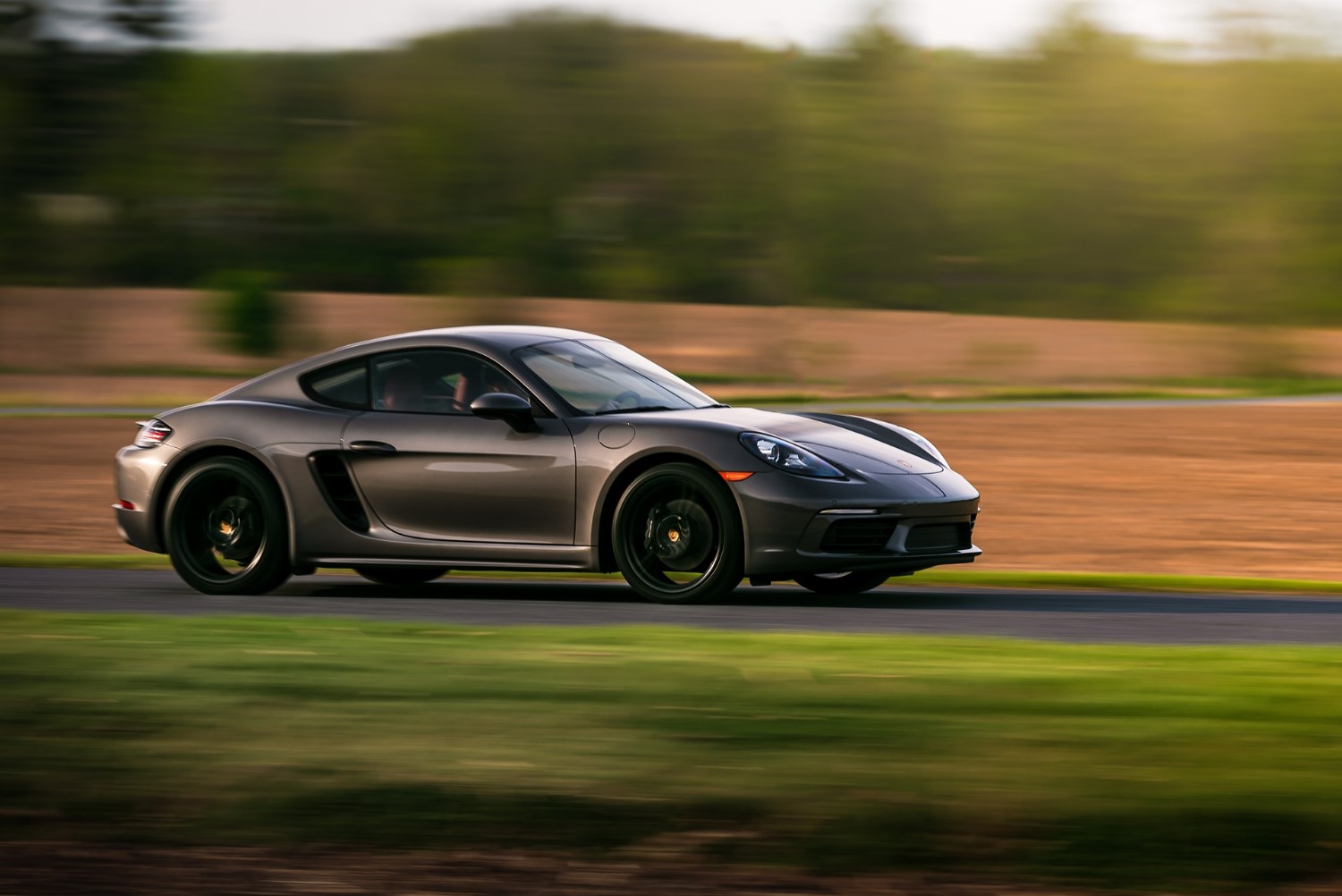
Great road awareness is not about heroics. It is about respect for physics, patience with people, and the habit of looking farther ahead. Borrow those lessons from high-speed racing, and every drive becomes calmer and safer.
Related Article: Building Driver Confidence and Focus for High-Speed Driving