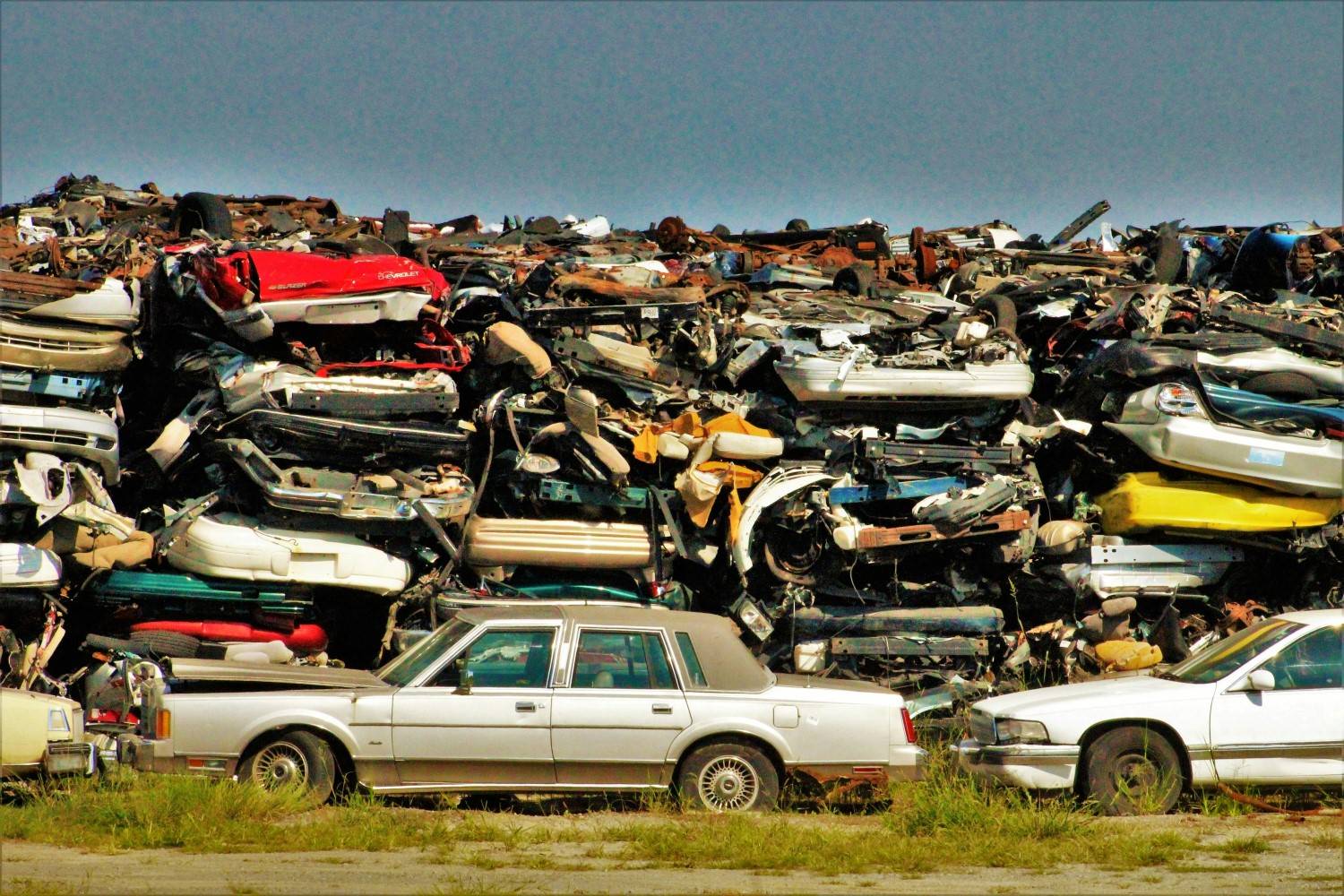
Automotive News: Showroom to Junk Yard – Making Smart Decisions Across a Vehicle’s Life Cycle
Every vehicle has a story.
Some start on the track. Some live their whole lives as daily drivers. Others become weekend projects, slowly rebuilt in garages with borrowed tools and long playlists.
But no matter how well a vehicle is maintained, every car eventually reaches a point where decisions matter: repair it, rebuild it, part it out, or finally let it go.
Smart drivers don’t just think about performance — they think about the full lifecycle of a vehicle. That includes how they maintain it, where they source parts, and what they do when repairs stop making sense.
Let’s walk through that journey.
Keeping Cars Alive Longer: The Real Enthusiast Mindset
Talk to anyone who’s been around cars long enough, and you’ll hear a familiar theme: preventative maintenance beats expensive fixes.
Regular oil changes, cooling system care, early brake replacements, and catching small problems before they grow — these habits stretch a vehicle’s usable life far beyond what most people expect.
But there’s another side to this that doesn’t get talked about enough.
Experienced DIYers and grassroots racers rarely rely only on brand-new parts. They learn how to reuse, refurbish, and source components creatively. Body panels, interior trim, mirrors, wheels, even mechanical pieces often come from recycled vehicles.
That’s why so many builders start by searching for a junkyard near me when they need affordable replacements:
Self-service yards especially attract hands-on people who prefer pulling parts themselves.
And here’s an important reality check: self-service yards don’t guarantee OEM-only inventory. You’ll usually find a mix — factory parts, aftermarket replacements, and components with unknown history. For someone who knows how to inspect what they’re grabbing, that’s not a dealbreaker. It’s just part of the process.
You learn to check casting marks, examine wear patterns, and test fit when possible. It’s practical ownership — not showroom perfection.
Why Salvage Yards Matter More Than Most People Realize
Behind the scenes, recycled auto parts keep millions of vehicles on the road every year.
When cars are retired, they don’t immediately become scrap metal. First, usable components are removed. Engines are evaluated. Transmissions are separated. Panels are stacked. Electronics are pulled. Fluids are drained safely.
Only after everything reusable is extracted does the remaining shell get crushed and recycled.
This creates a circular ecosystem:
- Drivers get affordable parts
- Builders get donor vehicles
- Metals are reused
- Landfills stay lighter
Even motorsports benefits from this system. Plenty of grassroots builds rely on recycled suspension parts, steering racks, or drivetrain components. It’s not always about saving money — sometimes it’s about availability, especially for older platforms.
Recycled parts quietly support both everyday drivers and performance communities.
Knowing When It’s Time to Stop Fixing
Every owner eventually hits the same crossroads.
Maybe the engine loses compression.
Maybe the transmission starts slipping.
Maybe rust eats into structural areas.
At some point, repair estimates exceed what the car is realistically worth.
That’s when emotions meet logic.
A lot of people hesitate here. They’ve already invested time and money. The car still “mostly works.” But continuing to pour funds into a declining vehicle rarely makes financial sense.
This is also when many owners begin searching for ways to sell my junk car without dealing with endless online messages or unreliable buyers:
Letting go isn’t failure — it’s recognizing that the remaining value of the vehicle is better recovered through recycling than sunk into another major repair.
Even Dead Cars Still Have Value
One of the biggest misconceptions is that non-running vehicles are worthless.
They’re not.
Catalytic converters contain precious metals. Engines may still be rebuildable. Body panels can be reused. Aluminum and steel always have scrap value. Even interior components can find new homes.
That’s why professional cash for cars services exist — to turn unwanted vehicles into immediate funds while making sure they’re processed responsibly:
Instead of paying towing fees or letting a car rot in your driveway, these services simplify everything:
- Fast evaluations
- Pickup or drop-off options
- Clean paperwork
- Quick payment
For many owners, this becomes the easiest way to close one chapter and move on to the next.
What Actually Happens After You Sell a Junk Vehicle
Once a car leaves your possession, it doesn’t disappear.
First comes dismantling.
Reusable components are removed and sorted. Some go to self-service yards. Others are prepared for resale through full-service recyclers. Fluids are properly disposed of. Batteries are recycled. Tires are processed separately.
Then the remaining shell is crushed and sent for metal recovery.
What’s fascinating is how often parts from retired vehicles find their way back into circulation. The alternator from your old sedan might end up keeping someone else’s commuter alive. Your former suspension components might support a project build. Your wheels could show up on another driver’s daily.
It’s a quiet system, but it works.
Smart Ownership Goes Beyond Driving
Real automotive responsibility isn’t just about how you drive.
It’s about how you maintain.
How you source parts.
How you inspect recycled components.
And how you handle a vehicle when its usable life is over.
It also means understanding that self-service yards don’t promise OEM-only parts — and that knowing how to evaluate what you pull matters.
Smart ownership looks like this:
- Preventing breakdowns instead of reacting to them
- Using recycled parts when appropriate
- Knowing when repairs no longer make sense
- Recovering value instead of creating waste
For enthusiasts, this mindset becomes second nature. Cars are built, rebuilt, retired, and reborn through parts. Every vehicle contributes something — even at the end.
Final Thoughts
Every car reaches a finish line eventually.
Some get there after decades of faithful service. Others bow out early due to mechanical failure or accident damage. But none of them truly go to waste.
They become parts. They become materials. They become solutions for someone else.
Whether you’re pulling components from a yard, wrenching in your garage, or finally clearing space in your driveway, understanding the full lifecycle of a vehicle makes you a smarter owner.
Because in the automotive world, nothing really ends — it just finds a new purpose.