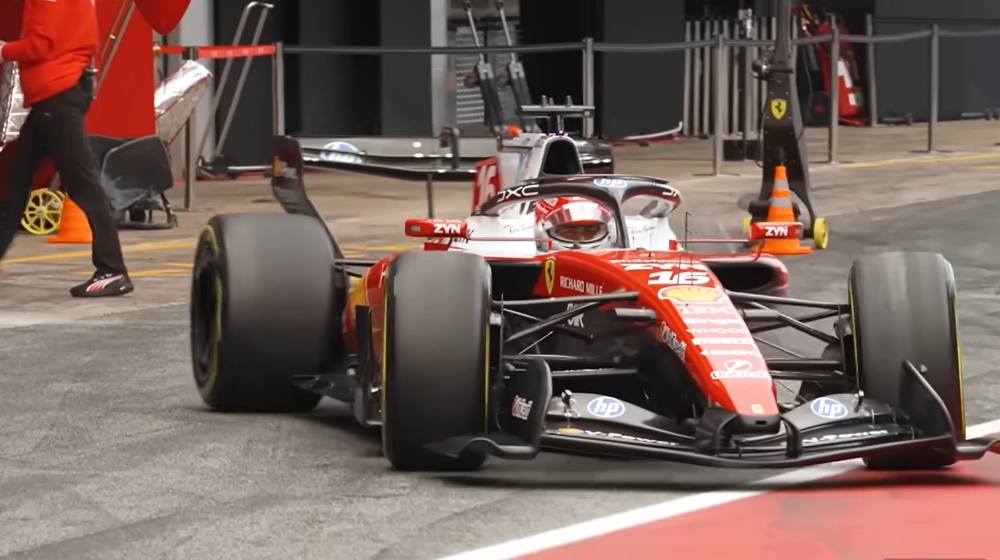
Formula 1 News: Energy management on ’26 cars not true racing
(GMM) As Formula 1’s radically revised 2026 cars take shape on track, drivers and team bosses agree on one thing – the defining factor is no longer outright speed, but energy management.
The cars are lighter, smaller and slower over a lap – but far more complex to race.
Lando Norris admits the first impression is mixed.
“The new car is a bit like Formula 2 in terms of handling,” Norris said. “I don’t know yet whether I like it or not.”
By contrast, early title favorite George Russell is more positive.
“The new cars feel more like racing cars,” he said. “They’re lighter.”
But even Russell has acknowledged one of fans’ biggest fears: extreme energy saving. Not just lift-and-coast in qualifying, but managing power in ways rarely seen before – including on the straights.
McLaren CEO Zak Brown admits the sport is still learning how to race with the new formula.
“We’re going to have to figure out how exactly to race with these cars, because they’re getting through their energy,” Brown said. “In collaboration with the FIA, some sophistication is still needed. We were three or four seconds slower than last year – you don’t really see it, because it’s still fast.”
Norris believes the energy picture could produce dramatic – even chaotic – racing.
Editor’s Note: If drivers must constantly juggle energy management on every lap instead of pushing the car flat out across the full distance, it’s no longer true racing. The sport has been gutted just to tout cars as 50% electric—a gimmick fans couldn’t care less about. And the claim that this is necessary for F1 tech to trickle down to road cars is utter nonsense; everyday drivers aren’t micromanaging battery power in their passenger vehicles. The 2026 F1 cars are indeed ‘Frankenstein Cars.’
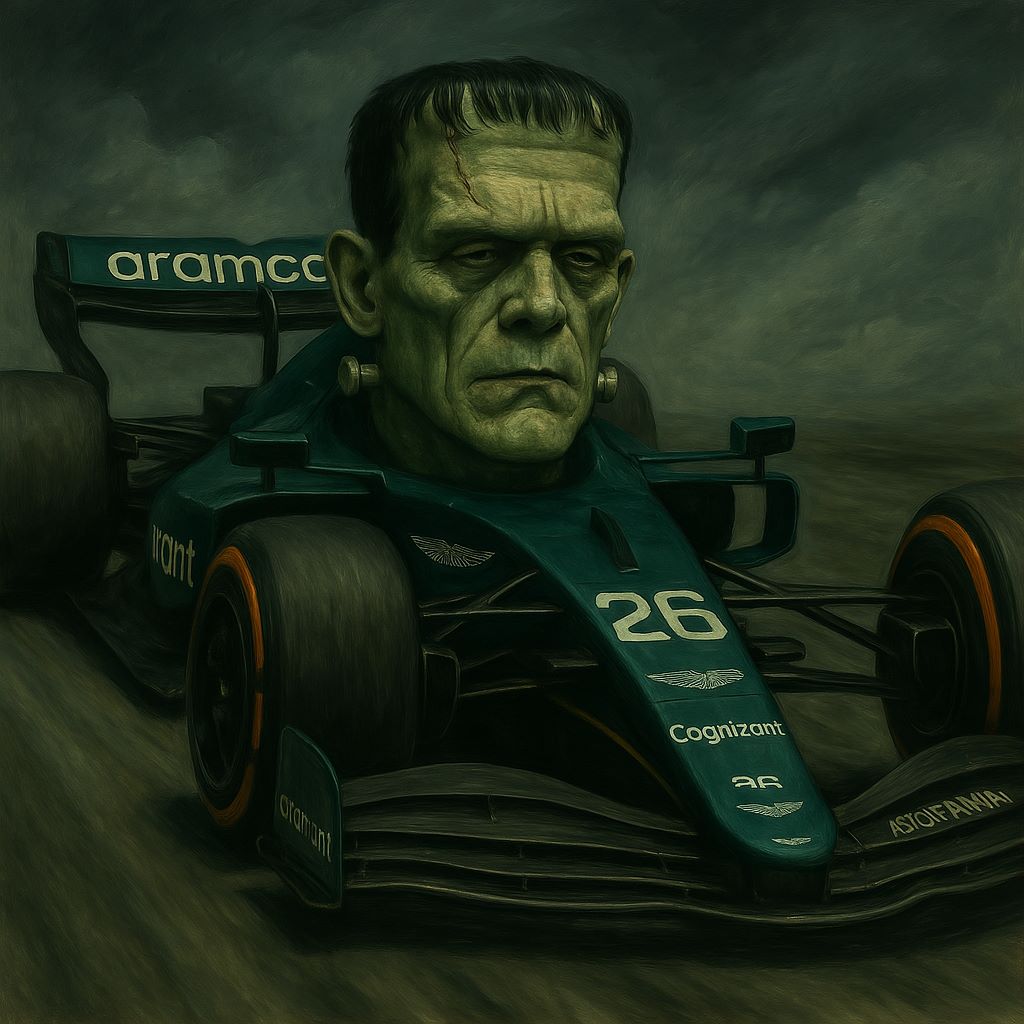
Related Article: Horner called the 2026 F1 cars ‘Frankenstein Cars’, Symonds calls them a ‘Camel’
Related Article: F1 News: Norris fears F1 becoming ‘too fake’ with 2026 Frankenstein cars
“These cars have less grip but more power,” he explained. “If you go flat out and don’t manage it, you could easily reach 380 kilometers per hour on some straights. But your battery drains very quickly.
“You have a very powerful battery, but it doesn’t last long. So you have to think carefully about how you use the power, where you recharge, and when you deploy it. Some will use everything at the start, others later in the lap. That creates more chaos.”
While Norris admits that easing off the throttle even in qualifying “is not how I grew up”, he insists the spectacle may actually improve.
“That boost capability allows you to attack more than in the past,” he said. “It creates more spectacle – and more chaos. I enjoyed driving the car in Barcelona. It’s different, but it’s still Formula 1.”
Oscar Piastri is similarly relaxed about the changes.
“In many cases, the car still behaves as a Formula 1 car should,” he said. “I don’t think Formula 1 is losing its identity at all. They’re still incredibly fast machines, and from the stands it will still be truly impressive.”
Piastri also noted that strong early reliability – particularly from Mercedes-powered teams – is a positive sign.
“You don’t want races and titles decided just by who finishes,” he said.
Williams boss James Vowles offered a glimpse of how strange driving techniques may become, revealing that battery recovery could even dictate gear choice.
“It wouldn’t surprise me if we see drivers using a lower gear than necessary to recover energy,” Vowles said. “Using first gear might even happen in certain situations.”
“We have to power an electric generator three times more powerful than before,” he added. “Using the internal combustion engine to recharge will become an attractive strategy – even if it’s not natural for the driver.”
As for the emerging pecking order, Brown urged caution but singled out one early standout.
“It’s still too early to draw conclusions,” he said. “But the Red Bull engine looked very strong. That surprised a lot of people. They covered a lot of miles and looked competitive straight away.”
Brown expects the field to spread out more than in 2025.
“Last year the whole grid was within a second,” he said. “Now I expect two to three seconds. With new regulations, that’s normal.”