Formula 1 News: Driver talent will be put to the test during 2026 Race Starts
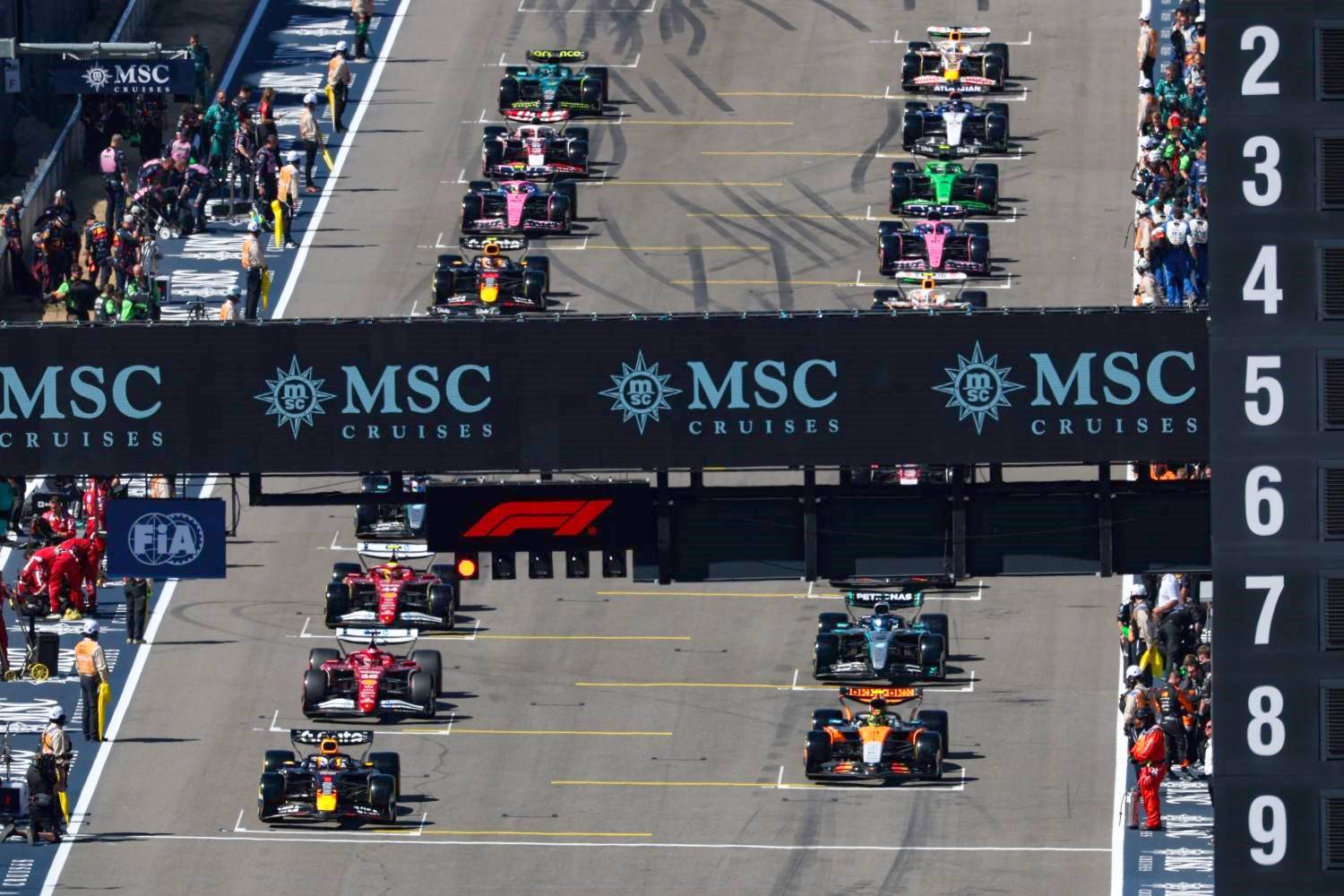
As the 2026 Formula 1 season approaches, anticipation is building not just for the new cars and power units, but for how the opening moments of each Grand Prix will unfold. Race starts, long a blend of technology and human precision, are set to become far less predictable under the upcoming regulations.
–by Mark Cipolloni–
This shift promises to spotlight driver talent like never before, rewarding those who can master the raw mechanics of launching a car without the safety nets of previous eras.
The core of this change lies in the overhauled power units and aerodynamic rules introduced for 2026. The removal of the Motor Generator Unit-Heat (MGU-H) is a pivotal alteration. Previously, the Formula 1 MGU-H helped eliminate turbo lag by spinning up the compressor, ensuring seamless power delivery from a standstill. Without it, drivers will contend with increased turbo lag, forcing them to rev engines higher and for longer periods before clutch release.
Compounding this, the Motor Generator Unit-Kinetic (MGU-K) is restricted: it can’t be used on the grid for negative torque (except damping) or until the car reaches 50 km/h. This leaves any initial power deficits uncompensated, turning what was once a highly automated process into a high-stakes test of skill.
Imagine the scene on the grid: twenty cars poised, engines roaring at elevated RPMs to keep the turbo spooled. A slight miscalculation in rev balancing or clutch bite could result in the car bogging down, losing precious positions before the first corner. Drivers must now execute flawless getaways without relying on battery boosts to mask errors, as using electrical energy early risks depletion later in the lap, leading to “clipping” where power is cut off prematurely.
World champion Lando Norris has already voiced concerns about the added complexity. “It’s quite a bit trickier,” he noted, highlighting the loss of tools for turbo balancing and the absence of battery assistance to fill “dodgy gaps” in power delivery.
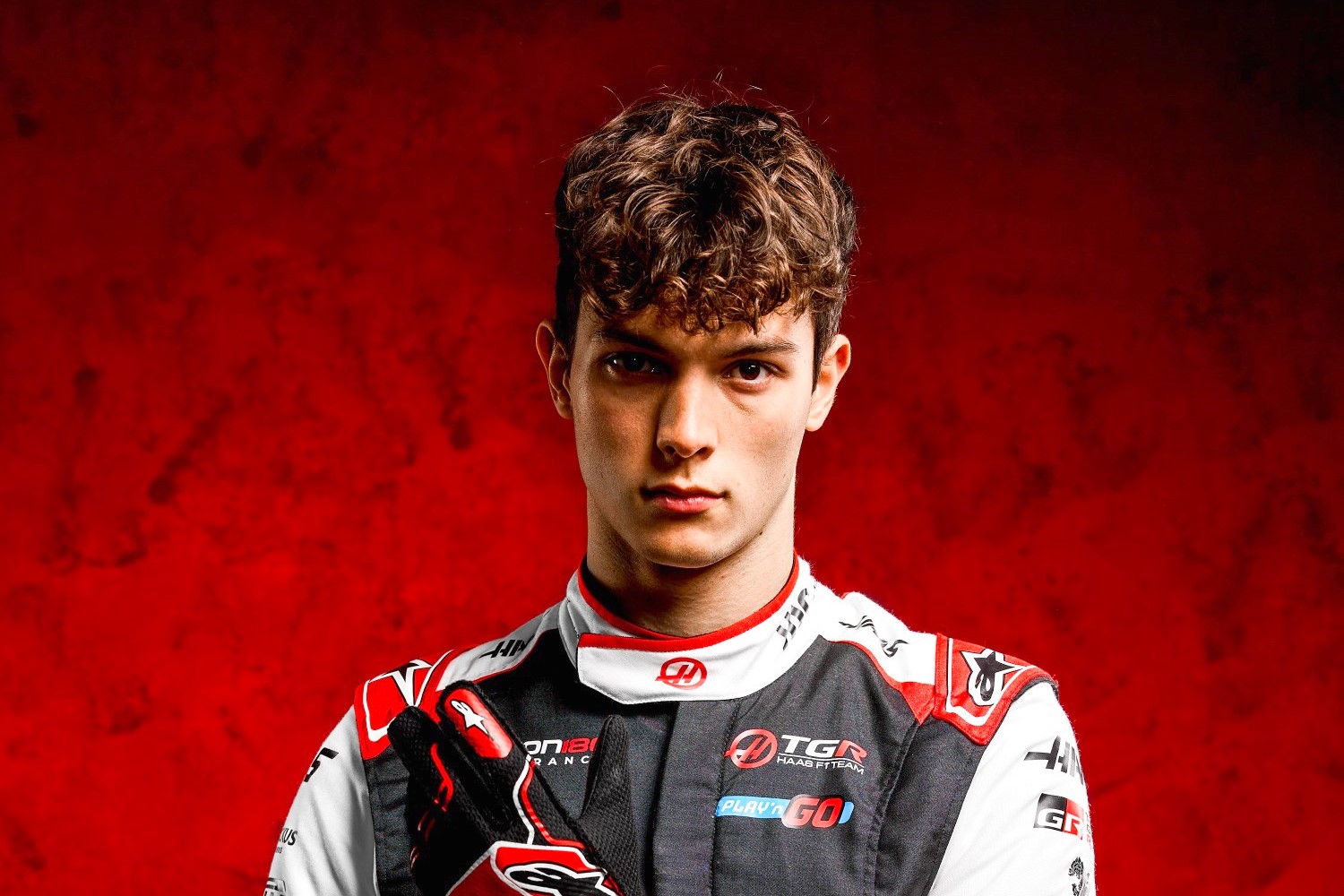
Similarly, Haas driver Ollie Bearman emphasized the inefficiency of dipping into battery reserves for lag compensation, as it could compromise overall race strategy by causing early energy shortages. These insights underscore how 2026 starts will demand not just reflexes, but strategic foresight—deciding when to conserve energy versus pushing for an aggressive launch.
This emphasis on driver prowess aligns with the broader 2026 regulations, designed to make F1 cars more agile and racing more competitive. The new chassis are 30kg lighter, shorter, and narrower, with reduced downforce and simplified floors to minimize dirty air, enabling closer following and overtaking. Active aerodynamics replace the Drag Reduction System (DRS), featuring movable front and rear wings that allow for two modes: high-downforce Z-mode for corners and low-drag X-mode for straights.
A new “Overtake Mode” provides an extra burst of battery power to trailing cars within one second of the leader, potentially leading to more dynamic position battles right from the start.
The power units themselves introduce further variability. With a near-equal split between internal combustion and electrical power (around 50/50), and sustainable fuels, there could be disparities in performance and reliability among manufacturers—especially in early races. This unpredictability extends to starts, where engine mapping and energy deployment become critical. As one analysis points out, the same power with less grip will put drivers “on the limit more often,” amplifying the role of skill in managing these beasts.
Esteban Ocon has suggested that the 2026 cars will require a complete reset in driving styles, with more hands-on energy management and strategic decisions inside the cockpit.
George Russell predicts more overtakes in unexpected places, driven by varying battery levels that could allow sudden jumps in position. For fans, this means race starts could evolve from processional affairs into chaotic spectacles, where a driver’s intuition and adaptability separate the podium contenders from the pack.
In essence, the 2026 regulations aren’t just tweaking the formula—they’re re-centering it on the human element. As F1 enters this new era, the grid will be a proving ground where talent shines brightest, turning every lights-out moment into a true test of mastery. With the season opener looming, all eyes will be on who rises to the challenge.
Related Article: Formula 1 News: Energy management on ’26 cars not true racing