The Rise of Retro in Autos: Why We’re Obsessed With Classic Cars and Race Cars
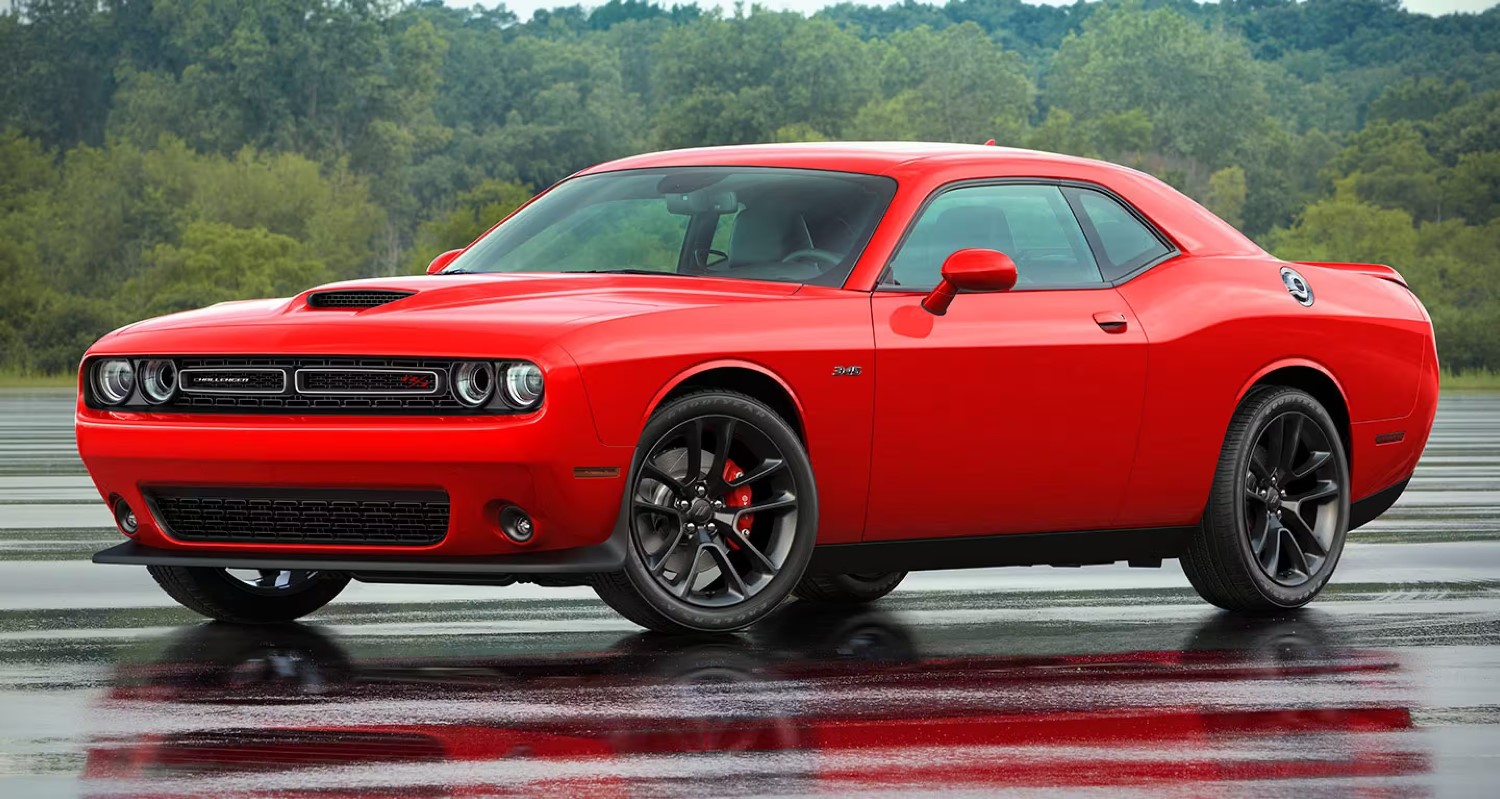
We keep reaching for the past when the present feels loud and fast. Vintage engines, mechanical gauges, and iconic body lines act like a reset for the soul. Retro autos make us feel part of a legacy that roared to life long before we turned the key.
–by Mark Cipolloni–
It’s a way to slow down and connect with machines built to endure. That pull is strongest in classic cars and race cars, where history meets horsepower.
Rolling Memories of Classic Cars and Legendary Race Machines
Cars make nostalgia feel real because they move, smell, and sound like time capsules. The thud of a heavy door, the grip of a thin steering wheel, and the mechanical click of a shifter can transport you back in an instant. For race cars, it’s the scream of a high-revving engine or the scent of burnt rubber that evokes historic victories at tracks like Le Mans or Daytona.
Shoppers eager to own a piece of this heritage can browse current classic car stock and vintage racer stock to explore the variety on the market. You’re not just investing in a vehicle; you’re inheriting the memories and milestones that come with it—perhaps a muscle car from the golden era of drag racing or a Formula 1-inspired roadster.
There’s pride in hands-on mastery. Tuning carburetors, adjusting timing, and polishing chrome are skills you feel in your bones. For race car enthusiasts, it’s about dialing in suspension setups or rebuilding differentials. These tasks make time slow down. A weekend spent wrenching creates triumphs you can hear, smell, and feel on the next drive or lap.
From Collectibles to an Asset Class
Retro autos are all about value. When demand surges for scarce classics and historic racers, the market responds. Well-preserved pieces from motoring’s past can become a solid part of a portfolio, blending passion with potential returns.
Industry research quantifies this shift. Market Research Future estimated the classic car market at about $37.52 billion in 2024, encompassing museum-grade restorations and driver-quality machines that prioritize fun on the road or track. This includes iconic race cars like vintage Porsches or Ferraris that have appreciated as both collectibles and investments.
Still, emotions drive the purchase. Buyers often choose a model tied to family road trips or a legendary racer whose poster adorned their wall. The spreadsheet justifies it, but the heart—fueled by memories of checkered flags and podium finishes—is the true engine.
Communities Keep the Flame Alive
Retro auto love thrives in groups. Car meets, swap meets, and track days provide spaces to share tips and showcase restorations. These events keep rare parts circulating and specialized skills sharp, whether it’s sourcing a vintage gearbox for a classic sedan or aero tweaks for a historic racer. A garage night can rescue a stalled project and forge lifelong friendships.
The scale is evident in the numbers. In Connecticut alone, over 100,000 vehicles sport classic tags, hinting at the depth of interest. When a parking lot or paddock fills with gleaming chrome bumpers, bold racing stripes, and period-correct badges, you feel the culture pulsing—especially at vintage racing events where old machines battle once more.
Clubs preserve knowledge. A novice owner learns the ideal tire compound for a classic track car, while a veteran discovers a better source for period-authentic brakes. This exchange keeps vintage vehicles roadworthy and track-ready, ensuring their stories—and lap records—endure.
The Design Loop That Keeps Circling the Track
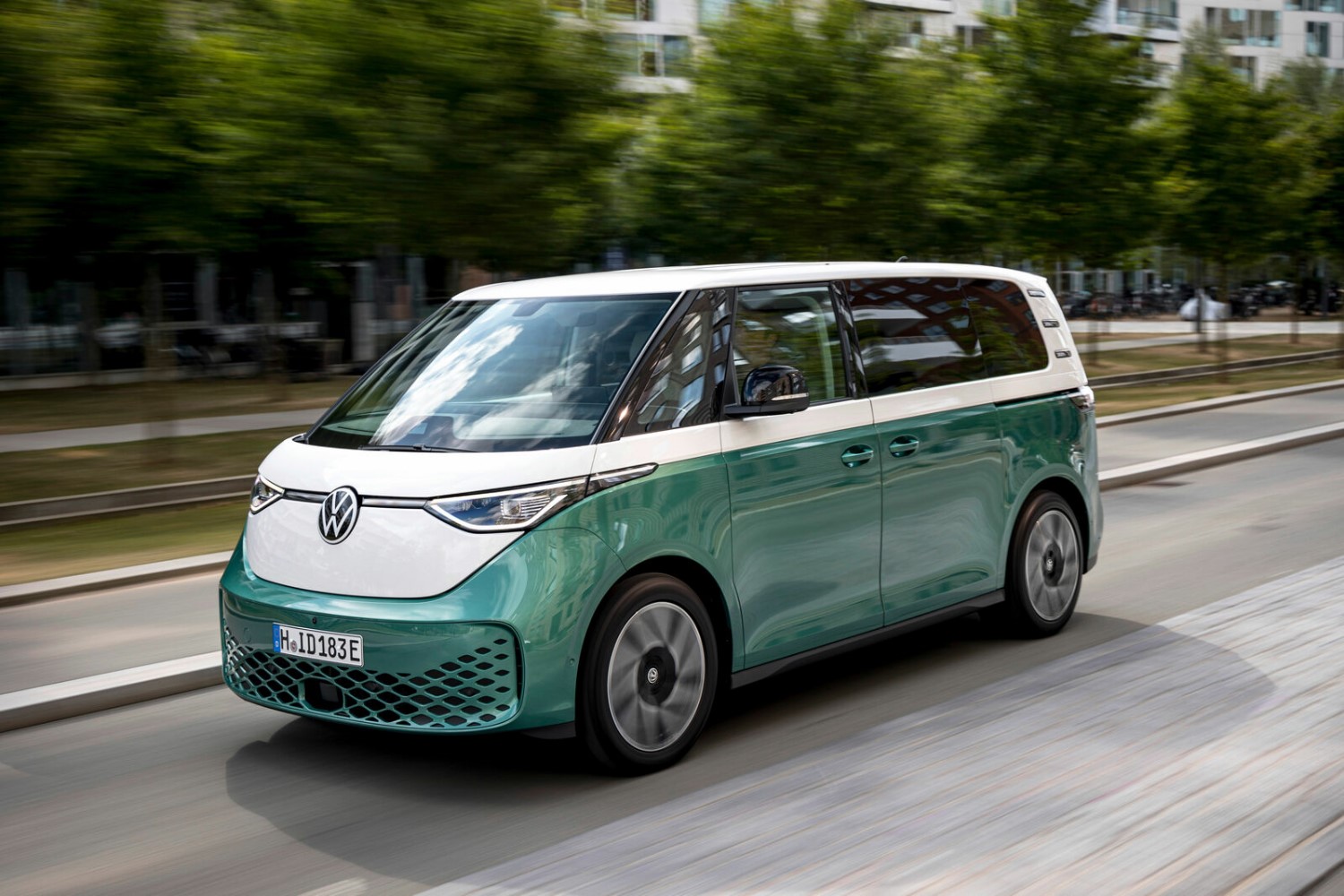
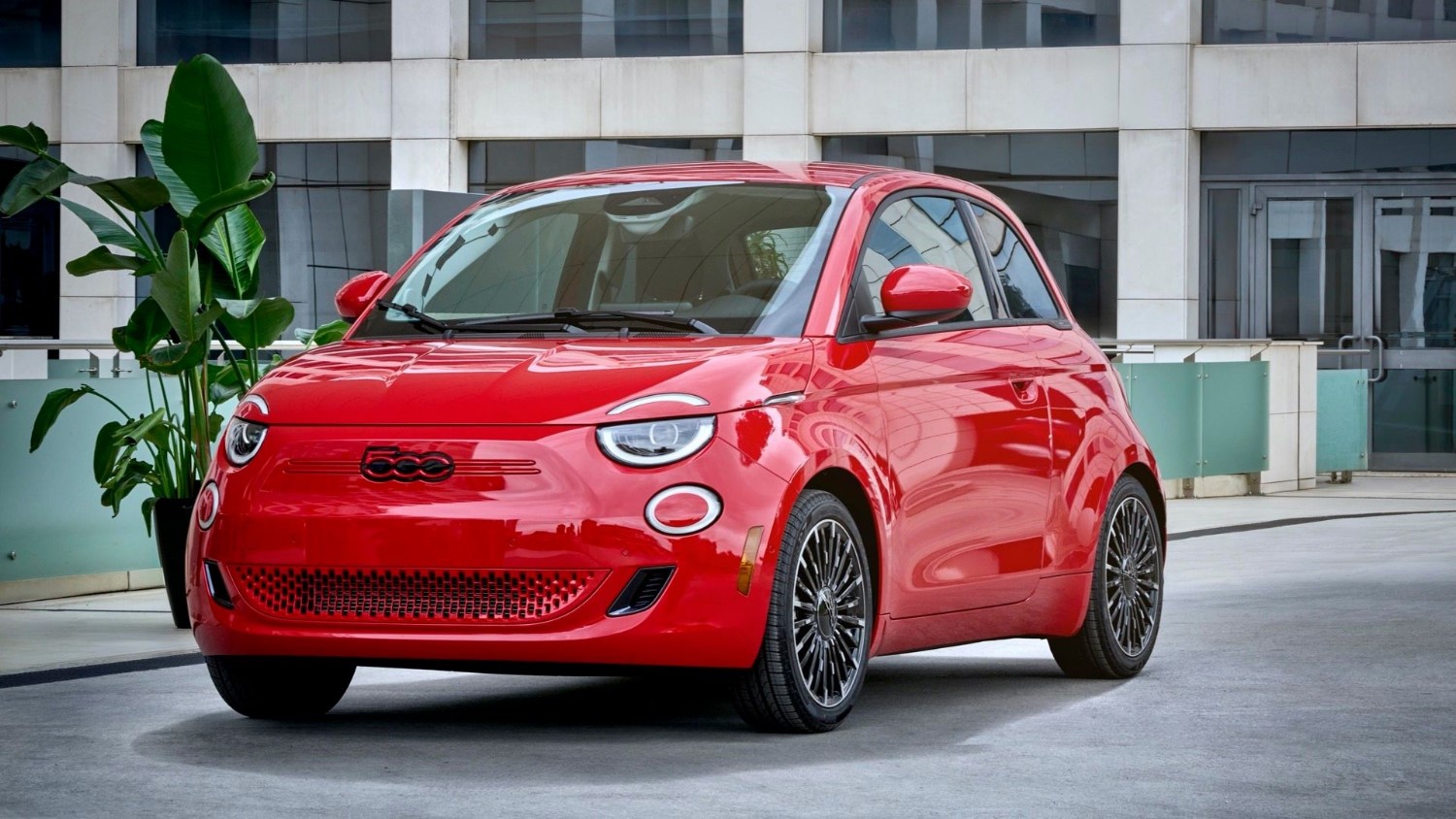
Vintage shapes inspire modern autos to feel timeless. A rounded fender from a 1950s cruiser evolves into aerodynamic curves on today’s sports cars. Racing liveries from the 1960s become accents on limited-edition models. Designers remix motoring history to infuse new vehicles with warmth and heritage.
This cycle runs on epic tales. A rally-winning machine from the 1960s sparks a special-edition crossover with off-road nods. Aerodynamic lessons from early Le Mans prototypes influence electric hypercars. When a brand honors its racing roots, buyers feel connected to a grander narrative of speed and innovation.
Why the Past Feels Safe on the Road Ahead
The past offers engineering we trust and performance we understand. Young enthusiasts, including a notable share of Gen Z, prefer reminiscing about motoring’s glory days over uncertain futures, explaining why retro auto trends accelerate. When tomorrow’s tech feels unpredictable, a proven classic or vintage racer feels like a reliable corner.
The appeal is social too. Nostalgia bridges generations in the garage or at the track. Parents teach kids how to gap spark plugs or analyze lap times, while friends exchange leads on parts suppliers or the best vintage races. These interactions build bonds that algorithms and apps can’t replicate.
Choosing What to Revive from Motoring History
Not every vintage design merits a revival. The best retro picks blend charm with modern safety, reliability, and parts availability. A classic that looks stunning but fails to fire is just a static display. The aim is to carry forward the spirit while ditching the frustrations—like outdated brakes on a high-speed racer.
A simple test: Does this vehicle enrich your drives or track sessions without demanding a total overhaul? If so, it’s a winner. A weekend cruiser or club racer that starts reliably trumps an exotic replica you can’t insure or maintain. Focus on machines that deliver thrills safely, keeping the obsession alive for the long haul.
We chase motoring’s past because it delivers tangible meaning. Retro cars and race cars let us slow down, tinker with history, and share tales that outlast a fleeting trend. In a world of rapid change, that enduring drive feels rare—and worth accelerating.