Formula 1 News: What We Learned from Day 1 of 2026 F1 Pre-Season Testing in Bahrain
The first official day of 2026 pre-season testing kicked off on February 11, 2026, at the Bahrain International Circuit, giving teams and fans their fullest look yet at the radical new-generation Formula 1 cars.
–by Mark Cipolloni–
Smaller, lighter, and with heavily revised aerodynamics and power units (now closer to a 50/50 split between internal combustion and electric power), the 2026 machines delivered a mix of high mileage, early reliability tests, and glimpses of the driving challenges ahead. While lap times carried limited meaning amid varied programs, several clear storylines emerged.
Related Article: Formula 1 News: Norris tops Day 1 testing in Bahrain
Timesheets Snapshot: McLaren Edges Red Bull, But Mileage Matters More
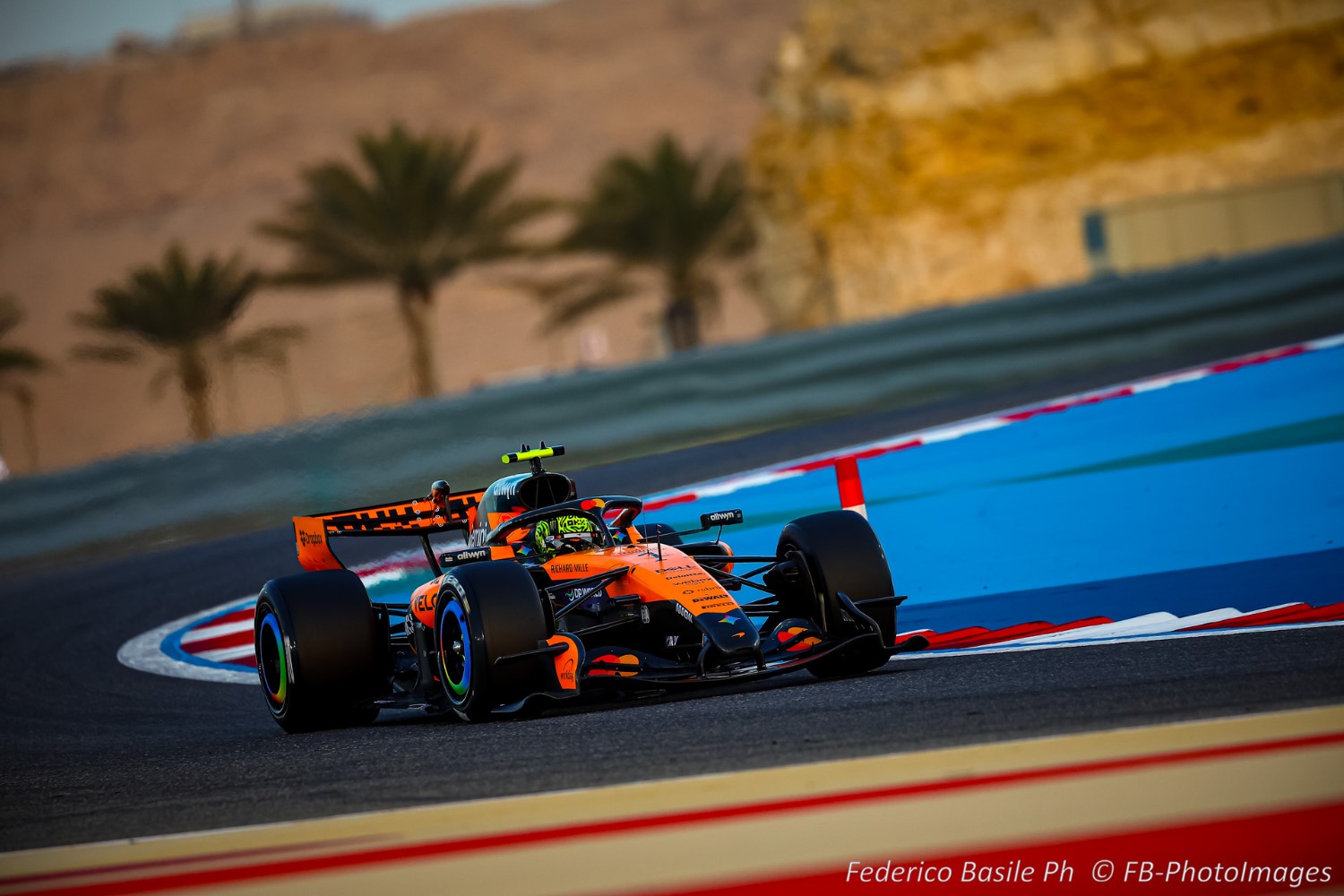
Lando Norris topped the day for McLaren with a 1:34.669s on C3 tires in the afternoon session, edging out Max Verstappen by just 0.129 seconds. Charles Leclerc placed third for Ferrari, followed by Esteban Ocon (Haas) and Oscar Piastri (McLaren).
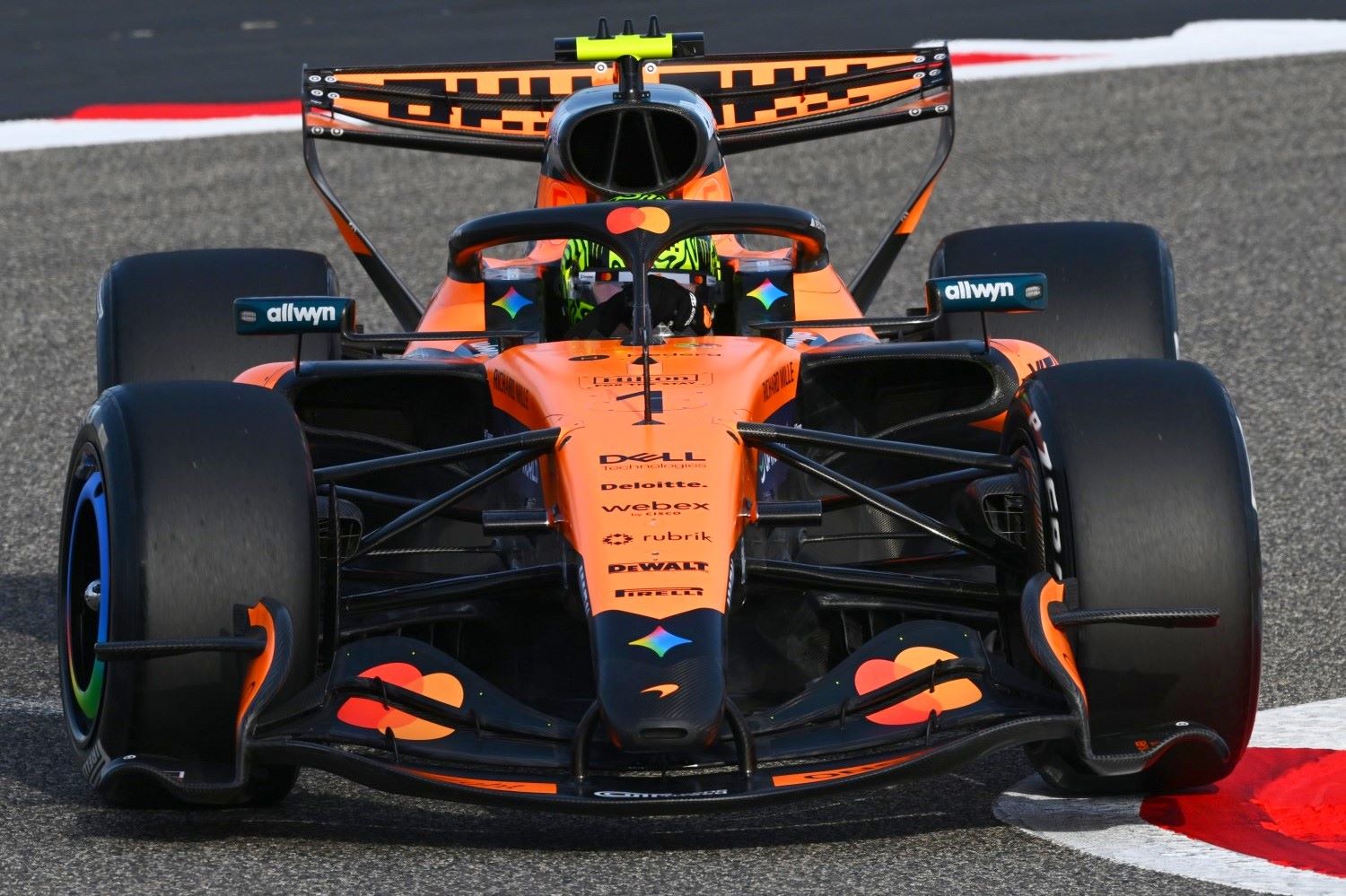
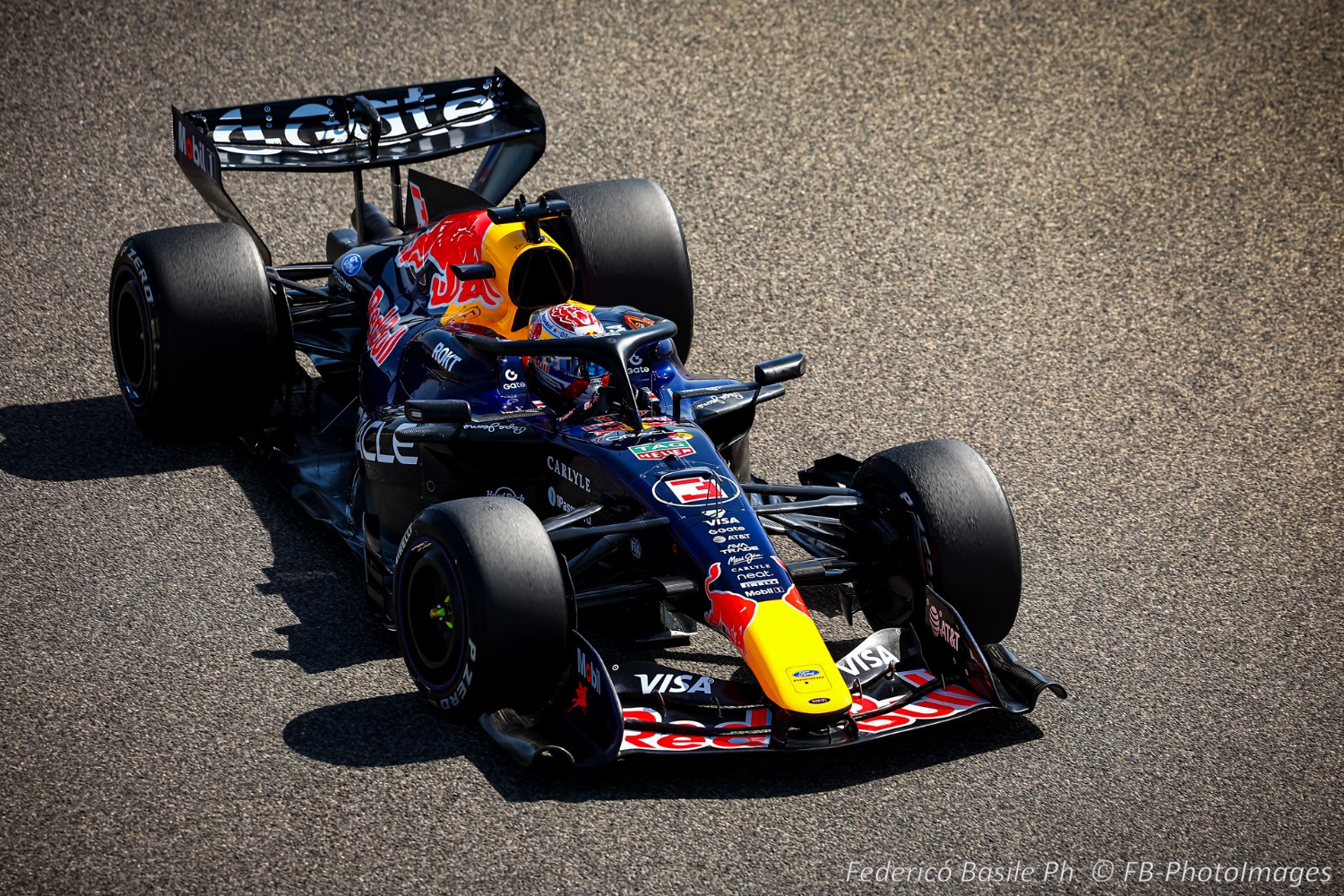
These times reflected short runs on softer compounds rather than true pace. The real story lay in laps completed: Verstappen racked up an impressive 136 laps in the Red Bull, while Williams led overall mileage with a combined 145 laps (Carlos Sainz in the morning, Alex Albon in the afternoon). Cadillac’s Sergio Perez and Valtteri Bottas managed 107 laps together.
Long-run data highlighted Red Bull’s consistency. Verstappen produced strong averages in the high 1:37s to low 1:38s across stints on different tire compounds, with few anomalous laps.
The New 2026 Car Experience: Skittish, Sliding, and Complex
Drivers and observers noted the cars’ reduced aerodynamic grip, making them noticeably smaller and lighter than their predecessors. Cornering felt skittish, with greater uncertainty on entry (from power deployment experiments and wind) and more sliding on exit due to lower traction. Drivers adapted to longer throttle applications out of corners and variable braking points.
Power unit behavior added complexity. Teams experimented with energy deployment strategies, often carrying power through corners to charge the battery (limited to 4MJ per lap). Lower gears saw more use to maintain revs, while eighth gear proved less relevant on race simulations. New sustainable fuels produced distinct sounds—ranging from hearty roars (Aston Martin-Honda) to raspier notes (Audi)—and a unique vegetal-burned plastic smell.
Valtteri Bottas called the looseness “fun” with more sliding and extended throttle, while Lewis Hamilton joked that fully understanding the cars might require “a degree.” Hamilton also had an off at the tricky Turn 10, highlighting the circuit’s demands under the new regs.
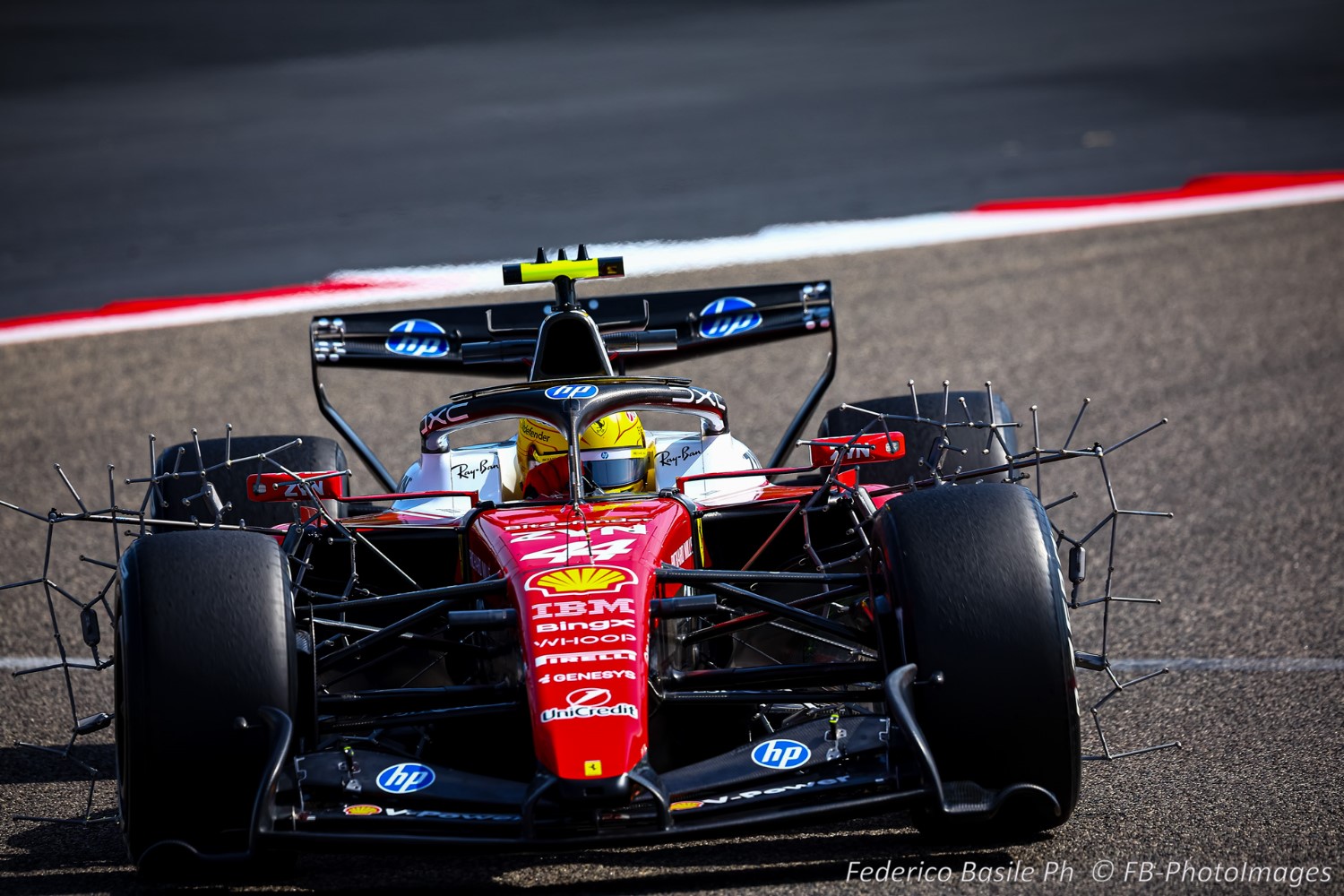
Related Article: Formula 1 News: Photos from Bahrain Preseason Test – Day 1
Standout Performances and Team Stories
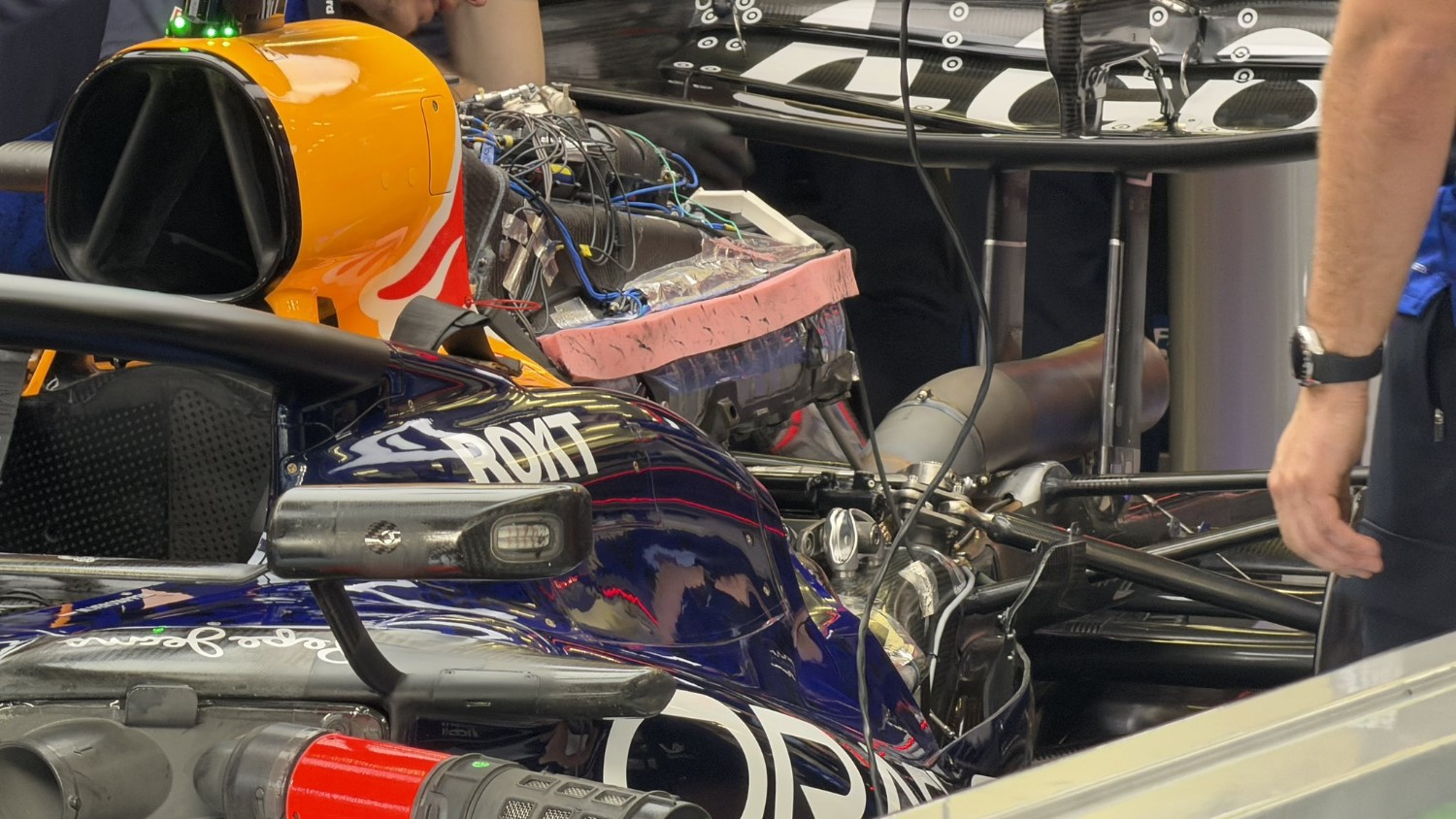
– Red Bull: Impressed rivals with reliability in their first self-designed Ford power unit. Verstappen’s aggressive downshifting (even to first gear at Turn 10) maximized MGU-K energy recovery, and the car showed strong straight-line energy deployment—Toto Wolff noted they appeared about a second faster on straights than others. Red Bull emerged as an early benchmark.
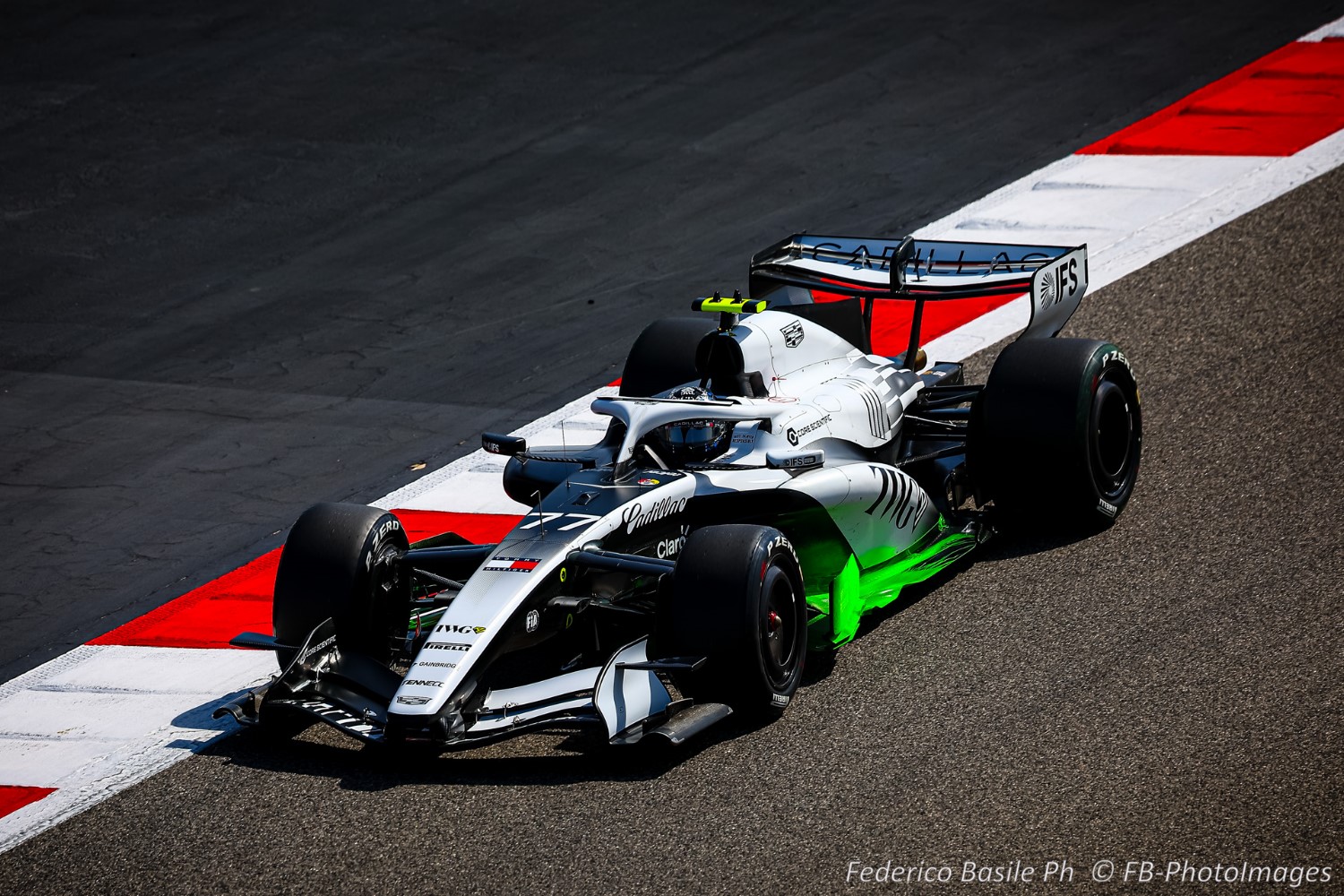
– Cadillac: As F1’s newest entrant, the team shone with solid preparation and high mileage (107 laps). Drivers reported positive early feedback on the car’s behavior.
– Williams: After missing the Barcelona shakedown, they achieved excellent reliability and the highest combined laps (145). Drivers praised the balance with minimal setup changes, describing the car as having “no vices.”
– McLaren: Led the timesheets but emphasized exploration over optimization. The team noted behavioral differences from their Barcelona running due to track conditions.
– Mercedes: Faced the day’s most visible issues, including balance problems (brake locking, poor traction), and a suspension/setup glitch that limited Kimi Antonelli’s afternoon running to just 30 laps. They focused on baselining with hard tires.
– Others: Reliability varied. Racing Bulls suffered a fluid leak, Aston Martin logged limited laps (around 36-38) due to a data anomaly on their Honda unit, and on-track stops by drivers like Franco Colapinto and Nico Hulkenberg caused red flags. Audi ran visible front wing and sidepod upgrades.
Williams admitted their car was slightly overweight (official minimum 772.4kg, but heavier in reality) and planned weight reduction after the season start.
Overall Impressions and What Comes Next
Day 1 delivered encouraging mileage across the grid with relatively few major mechanical failures, allowing teams to gather vital data on the new regulations. The 2026 cars demand new driving techniques and power management strategies, promising closer racing but also a steep learning curve.
It remains far too early for firm conclusions on the competitive order—programs differed widely, and setups were far from optimized. Red Bull’s straight-line prowess and consistency, Cadillac’s polished debut, and Williams’ reliability stood out positively, while Mercedes’ teething problems underscored testing’s value.
Testing continues over the next two days in Bahrain, with a second three-day session later in February. Expect more setup work, longer runs, and clearer pictures of which teams have best tamed the new formula. The 2026 season is shaping up to be one of the most intriguing in years.