10 Lessons Road Cars Borrowed from lessons in Motorsport Engineering
Motorsport is not just entertainment. It is a high-pressure engineering laboratory where failure is immediate and improvement is constant. Every race tests materials, aerodynamics, and driver control in ways ordinary roads never could.
Auto manufacturers spend money to race for two primary reasons – 1) sell more passenger cars by using motorsports as a marketing tool, and 2) train their engineers to develop new technologies that can be applied to their passenger cars.
Many of the features drivers now take for granted were once solutions to racing problems. When engineers learn how to go faster safely, those discoveries gradually make everyday driving smoother, safer, and more predictable.
Here are the biggest lessons modern road cars inherited from the track.
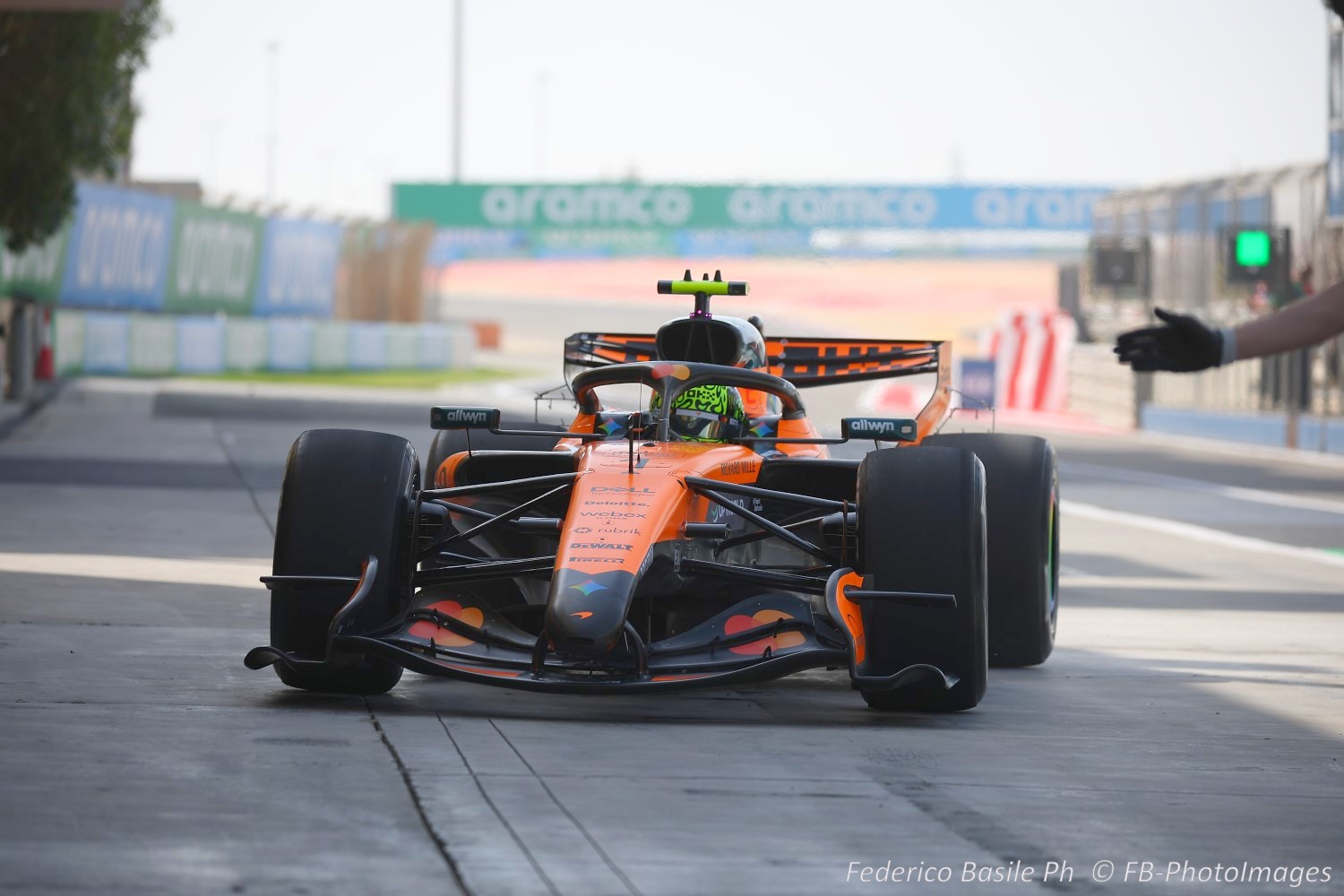
1 – Tyre Compounds Designed for Real Conditions
Racing teams obsess over grip because fractions of a second matter. They developed a multi-compound rubber designed to perform across a wide range of temperatures and surfaces.
Road vehicles now benefit from similar thinking. Performance road tyres are engineered to maintain grip in both dry and wet conditions, giving drivers confidence without needing racing speeds. Motorsport development continues to influence products such as Pirelli tyres, where track testing helps refine real-world performance.
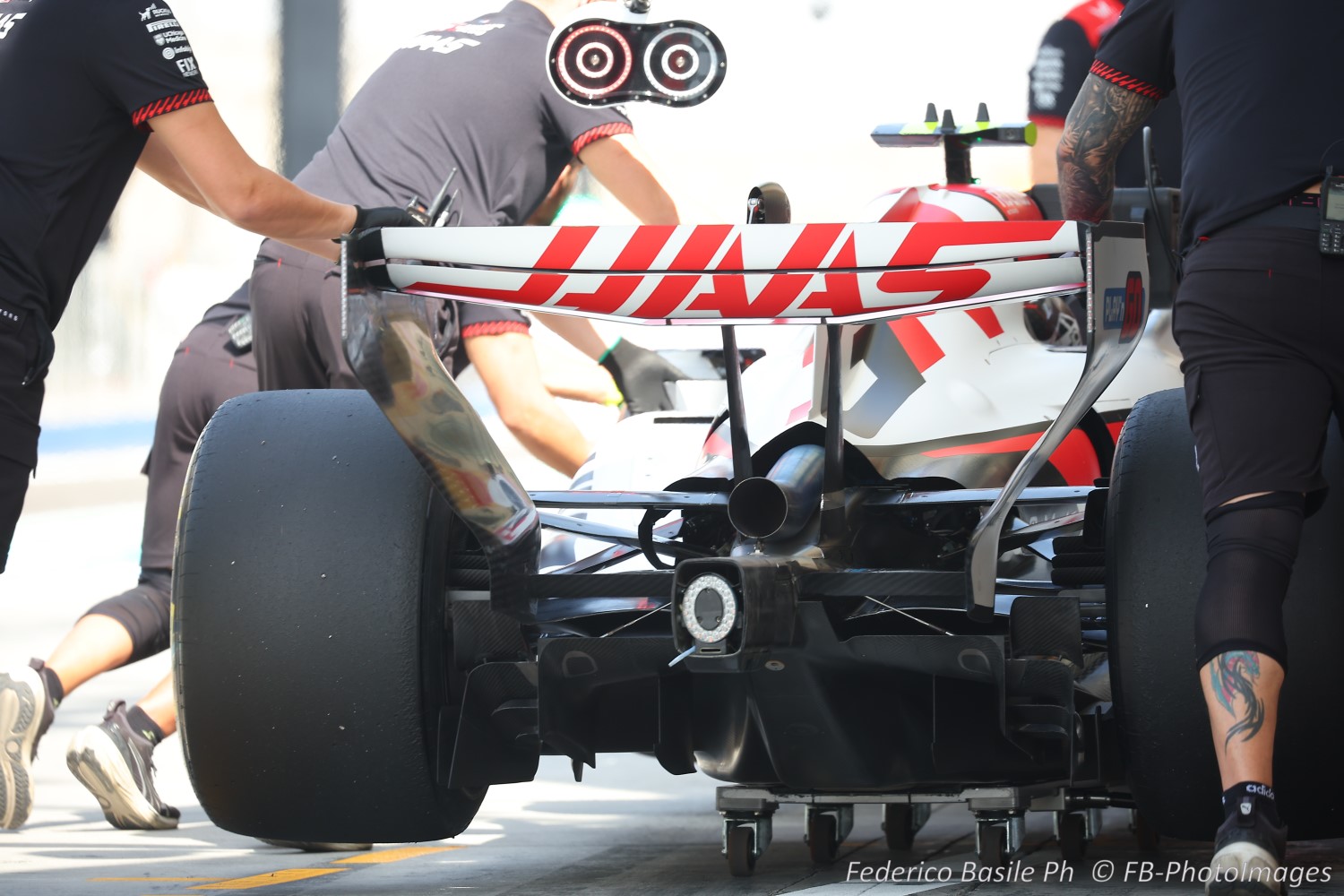
2- Aerodynamics for Stability, Not Just Speed
Spoilers and diffusers once existed purely to keep race cars planted at extreme speeds. Engineers soon realized that airflow management also improves stability at normal speeds.
Modern road cars use subtle aerodynamic shaping to:
- Reduce lift on motorways
- Improve fuel efficiency
- Increase high-speed stability in crosswinds
Many drivers never notice it directly, but they feel it when a car tracks straight on fast roads.
3 – Advanced Braking Systems
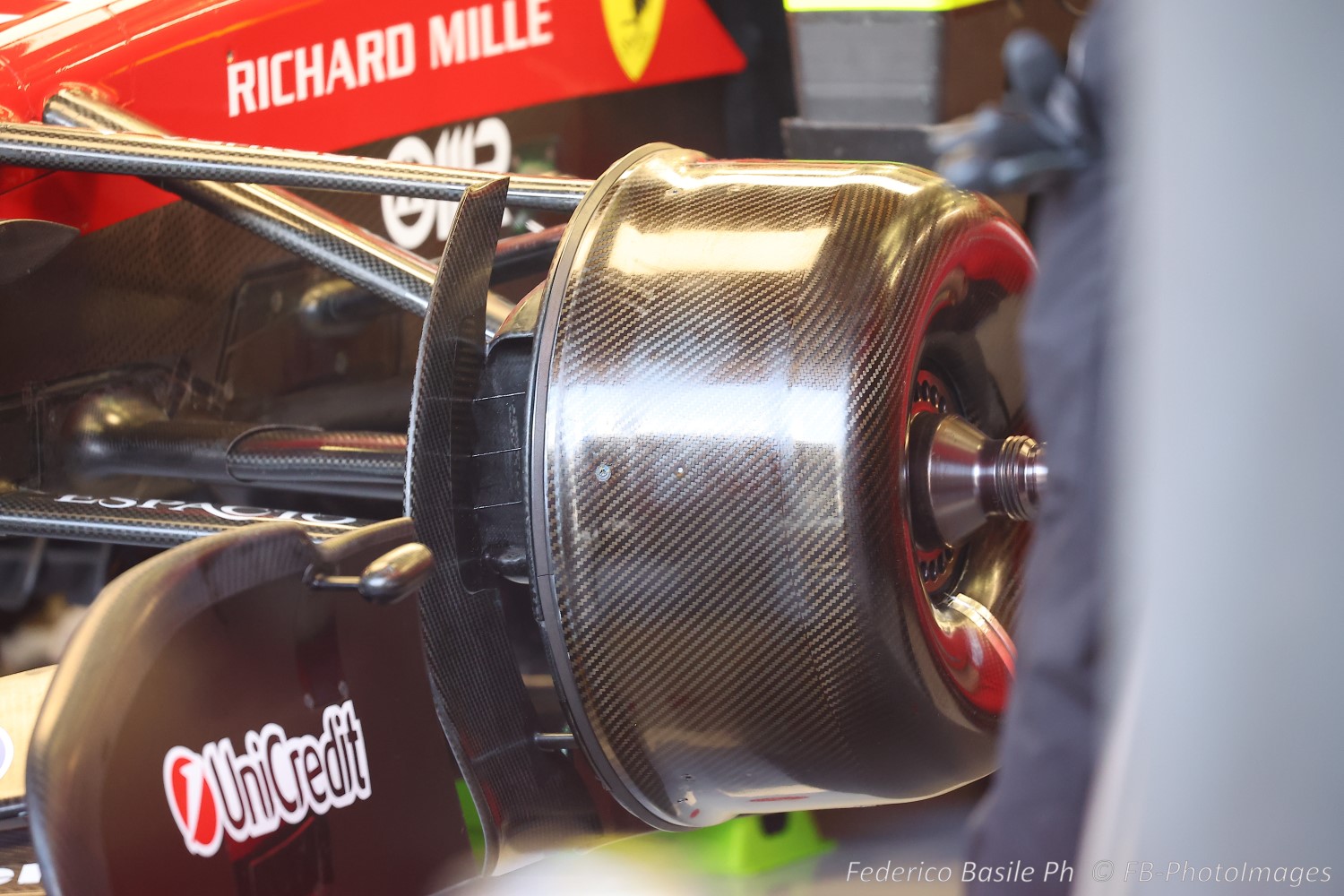
Motorsport pushed braking technology far beyond simple stopping power. Heat management became critical during repeated heavy braking.
That research gave road cars:
- Ventilated discs
- Performance brake pads
- Improved cooling channels
The result is consistent braking performance rather than fading after repeated stops, especially important in heavy traffic and downhill driving.
4 – Suspension Tuned for Control
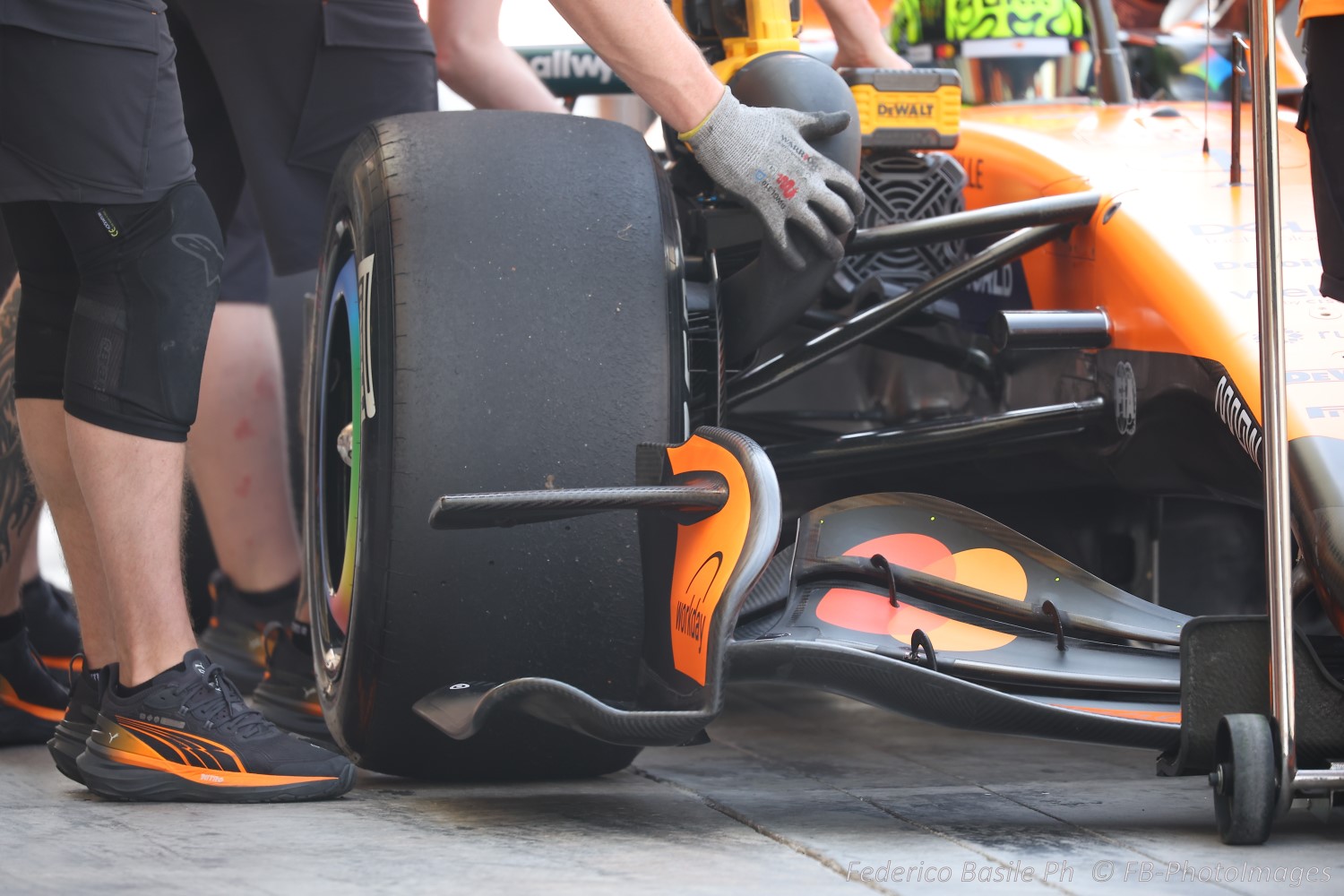
Race cars must balance grip and comfort over uneven surfaces. Engineers learned how to keep tyres in contact with the ground even when the chassis moves.
Road cars now use similar geometry principles:
- Multi-link suspension
- Adaptive damping
- Better corner stability
This translates to smoother handling on rough roads and safer emergency manoeuvres.
5 – Lightweight Materials Improve Efficiency
Reducing weight improves acceleration and braking in racing. That same idea benefits everyday driving.
Modern vehicles incorporate:
- Aluminium components
- High-strength steel
- Composite materials
Less weight means better fuel economy, sharper steering response, and shorter stopping distances.
6 – Steering Precision Matters More Than Power
Motorsport taught engineers that communication between the driver and the car is essential. Steering feel became a priority, not just turning capability.
Road steering systems now focus on:
- Feedback from the road surface
- Predictable response
- Reduced overcorrection
This makes long drives less tiring and improves driver confidence.
7 – Electronic Driver Assistance Systems
Traction control and stability control were originally developed to help race drivers manage extreme power outputs. Over time, they evolved into safety features.
Today they:
- Prevent wheelspin on wet roads
- Stabilise vehicles during sudden manoeuvres
- Reduce accident risk
What began as performance technology became a safety standard.
8 – Data Monitoring and Alerts
Race engineers monitor tyre temperature, brake wear, and engine performance in real time. Road cars adopted simplified versions.
Modern dashboards now track:
- Tyre pressure
- Engine efficiency
- Service intervals
Instead of guessing, drivers receive early warnings before problems develop.
9 – Cooling Systems Built for Endurance
Racing engines operate under intense stress for long periods. Improved cooling designs were necessary to survive.
Road cars now use advanced cooling layouts to maintain reliability during:
- Long motorway drives
- Hot weather
- Heavy traffic
This prevents overheating and extends engine lifespan.
10 – Consistency Over Peak Performance
Perhaps the biggest motorsport lesson is not speed but consistency. Winning races requires predictable performance lap after lap.
Road cars follow the same philosophy. A vehicle that behaves the same in rain, heat, and cold is safer and more comfortable than one that excels only occasionally.