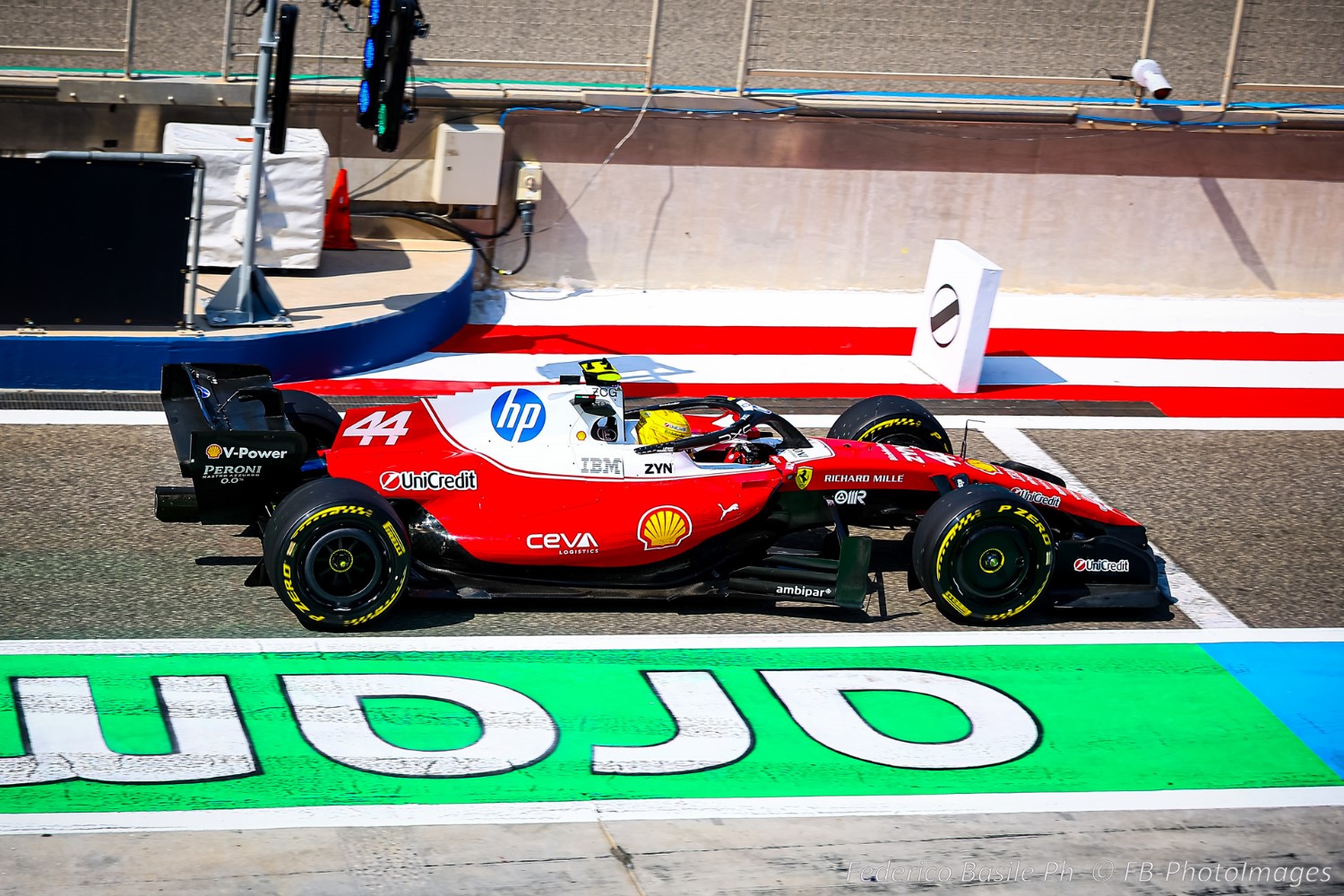
Formula 1’s 2026 Revolution: From Bold Vision to “Recipe for Disaster”?
Just weeks before the lights go out on the first race of the new Formula 1 era, the sport is facing an uncomfortable truth: its long-awaited 2026 regulations may be a high-stakes gamble that’s already showing cracks.
–by Mark Cipolloni–
What was meant to be a leap forward in sustainability, closer racing, and spectacle is instead sparking alarm bells from drivers, teams, and even outsiders who know a thing or two about electric performance.
Oscar Piastri, the McLaren star who many tipped as a future champion, didn’t mince words after pre-season testing in Bahrain.
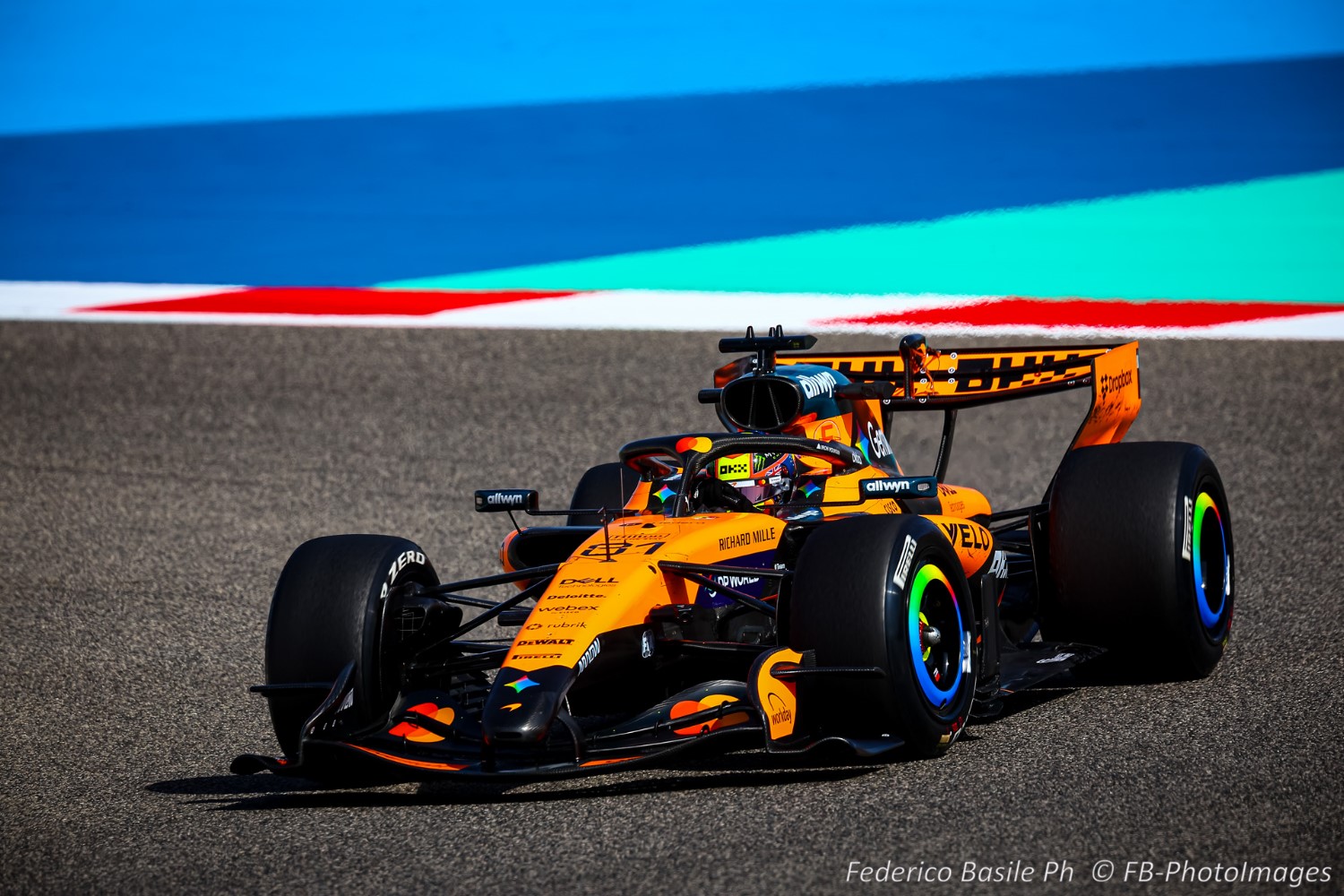
“A pack of 22 cars with significantly reduced downforce sounds like a recipe for disaster,” he said.
The Australian, who put in 161 laps and finished fourth-fastest in the first test, highlighted the unproven nature of the new low-downforce cars in full race conditions.
“Starts need to be addressed,” he added. “It’s a pretty complicated process now to have a safe start, let alone a competitive one. There are so many things, just from a borderline safety point of view, that need to be figured out on track.”
It wasn’t just talk. A chaotic practice start during testing—caused by miscommunication but emblematic of the new challenges—underscored the point.
Related Article: The Frankenstein Cars of 2026: How F1’s New Regulations Have Stripped Away the Pure Art of Racing
McLaren Sounds the Alarm
McLaren team principal Andrea Stella has gone further, formally proposing three urgent rule tweaks ahead of the Australian Grand Prix opener on March 8.
The first targets the grid start procedure. Without the old MGU-H to spool the turbo instantly, drivers now have to rev the V6 engine for more than 10 seconds to build boost. Some cars launch cleanly; others hesitate. On a crowded grid, that’s a crash waiting to happen.
“We need to make sure the race start procedure allows all cars to have the power unit ready to go,” Stella said. “The grid is not the place where you want to have cars slow in taking off.”
He called the fix “simple” and “imperative,” pushing for changes before Melbourne.
The second concern is energy harvesting. Leading drivers may need to “lift and coast” mid-straight to recharge batteries—a move that could catch following cars off guard at 200+ mph.
Stella referenced past horror crashes, like Mark Webber’s in Valencia 2010, warning: “This may not be an ideal situation when you follow closely.”
The third issue is overtaking. The new “overtake mode” (replacing DRS) was supposed to make passing easier. Instead, testing showed it delivers minimal advantage because both cars now run similar drag levels and energy constraints.
“Our drivers found it extremely difficult to overtake,” Stella said. “Having safety on the grid… is just a no-brainer. It’s a bigger interest than any competitive interest.”
Formula 1 test a standing start, fair to say it didn’t go according to plan…#F1 #Formula1 pic.twitter.com/YYygqJQhAT
— Formula Centric (@formula_centric) February 13, 2026
An Outsider’s Brutal Verdict
Lucas di Grassi, 2016-17 Formula E champion and a former F1 driver, pulled no punches when asked about the new rules.
“The hybrid rules of F1 are extremely badly designed,” he told Motorsport.com. “It’s not only the fault of the hybrid system. It’s the rules that are decided by the FIA.”
Di Grassi, who has seen electric racing evolve at breakneck speed, called the 2026 cars “very slow and sometimes not very efficient or not very raceable.” He predicted Formula E could soon outpace F1 on certain tracks, even calling future FE cars “two-three-four-five seconds faster than F1” around Monaco.
Drivers testing the 2026 package in simulators have echoed the frustration, describing “weird rules” that create “a lot of problems.”
The Bigger Picture
The 2026 regulations were born from good intentions: more sustainable power units (with electric power making up nearly 50% of output), active aerodynamics, and lighter cars to improve racing and reduce environmental impact.
But testing has exposed the gap between theory and reality.
Max Verstappen has already likened the new power units to “Formula E on steroids.” Teams flagged concerns as far back as mid-2024, yet the FIA pushed ahead.
Now, with the season opener weeks away, the sport is scrambling. The F1 Commission is expected to discuss changes soon, but history shows regulatory tweaks mid-cycle are messy and politically fraught.
Piastri, for his part, is trying to stay positive while acknowledging the unknowns.
“The characteristics of the car are going to be quite different,” he said recently. “Maybe there’ll be a bit more leeway to manage that a bit better this year.”
But the underlying worry is clear: if the cars are too slow, too hard to overtake, and carry hidden safety risks, the 2026 season could deliver the opposite of what F1 promised—dull processions, nervous starts, and frustrated fans.
The clock is ticking. Melbourne will be the first real test. Whether it becomes a triumph or a cautionary tale may depend on how quickly the sport is willing to hit the reset button.