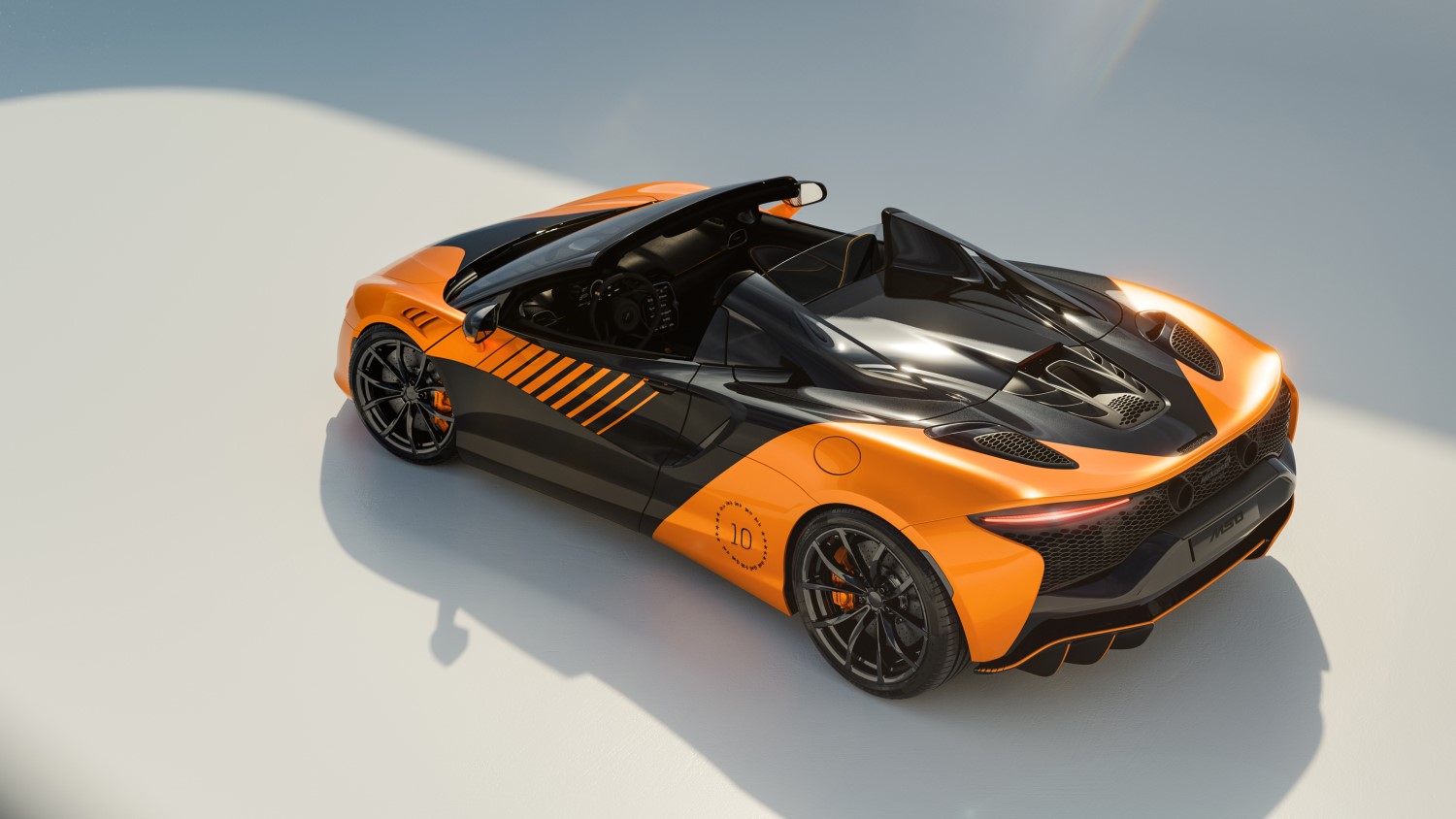
Automotive News: Will Subscription Models Replace Supercar Ownership?
For decades, supercar ownership has been the ultimate expression of automotive success. From Ferrari’s V12 flagships to McLaren’s track-focused weapons and Mercedes-AMG’s F1-derived hypercars, owning a top-tier performance machine was once the definitive dream.
But as motorsport technology increasingly shapes road cars – and as those road cars become more complex, electrified, and expensive – the traditional ownership model is starting to shift.
In its place, a new question is emerging:
Will subscription and short-term leasing models replace supercar ownership altogether?
It may sound radical, but the economics and technology suggest the shift is already underway.
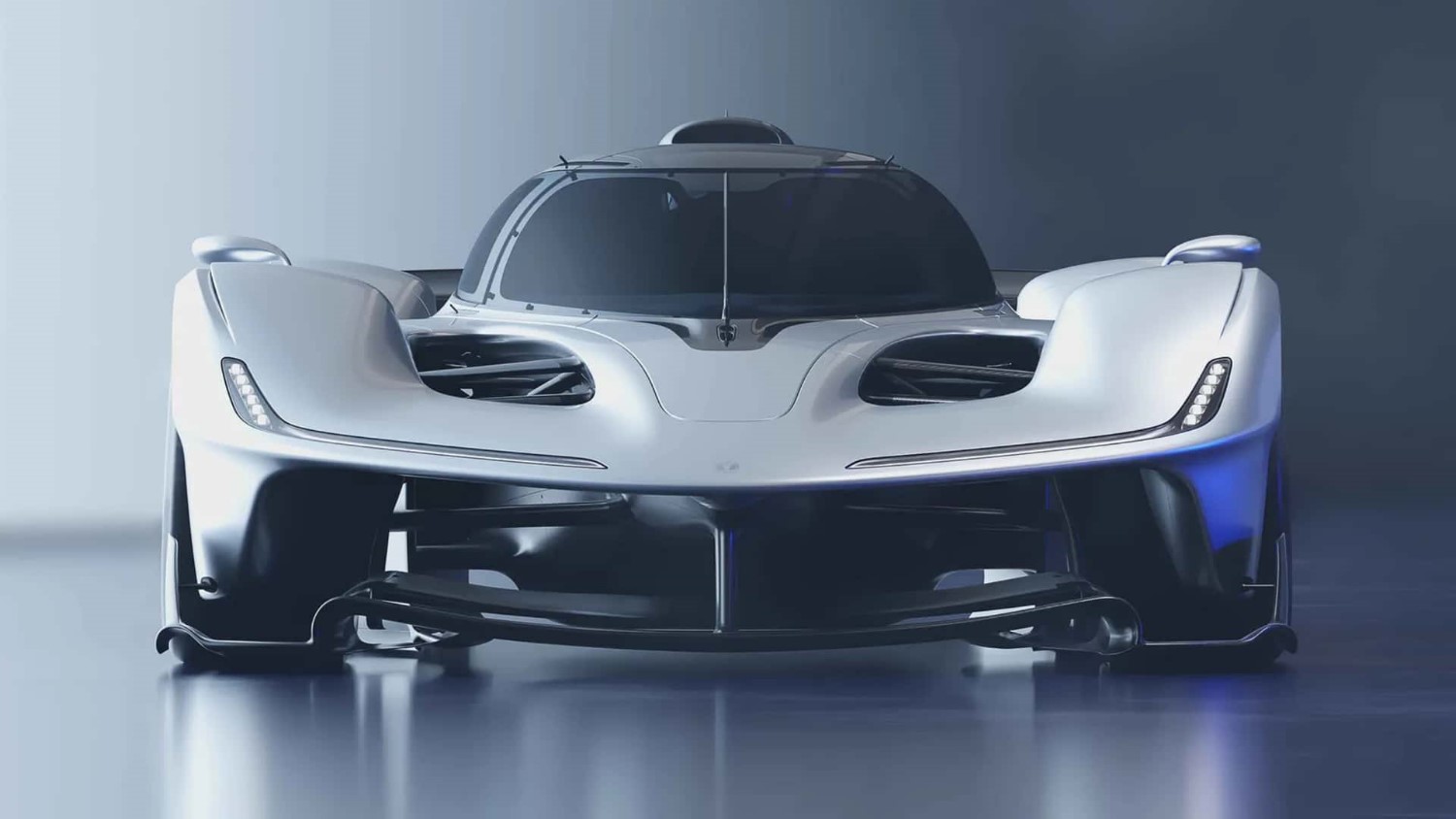
Motorsport Technology Is Driving Complexity – and Cost
Modern supercars are no longer just high-powered petrol machines. Increasingly, they are hybridized, software-driven, and electronically managed systems inspired directly by Formula 1.
Consider what today’s performance halo cars include:
- Hybrid energy recovery systems
- Advanced battery management
- Torque vectoring via complex electronics
- Active aerodynamics
- Lightweight composite chassis structures
- Continuous over-the-air software updates
The Mercedes-AMG One, for example, is effectively an F1 power unit adapted for road use. Porsche’s hybrid systems draw directly from Le Mans development. Ferrari’s SF90 Stradale uses three electric motors in conjunction with a twin-turbo V8.
This complexity brings extraordinary performance – but also extraordinary maintenance costs and technical risk.
Owning such a machine long-term is no longer as straightforward as servicing a naturally aspirated V10.
The Financial Reality of Modern Supercars
Beyond purchase price, ownership now includes:
- High insurance premiums
- Specialist servicing requirements
- Potential hybrid battery replacement costs
- Depreciation risk on six-figure investments
- Rapid technological obsolescence
Depreciation alone can wipe out significant value in just a few years – especially as manufacturers accelerate development cycles.
For many enthusiasts, this is changing the calculation. The appeal of tying up large amounts of capital in a single car for several years is weakening.
Instead, flexibility is gaining value.
The Rise of Access Over Ownership
Across industries – from media to housing – subscription models have replaced traditional ownership in many sectors. Automotive is following the same pattern.
Manufacturers are already experimenting:
- Porsche Drive subscription services
- Volvo’s all-inclusive car plans
- BMW and Mercedes flexible ownership models
- Luxury short-term performance leasing
Younger high-net-worth buyers in particular are less focused on permanent ownership and more interested in access to multiple experiences.
Why own one supercar for five years when you could drive three different ones over that period?
Performance Variety as the New Status Symbol
There was once prestige in long-term ownership. Today, prestige is often defined by access and variety.
Subscription and short-term leasing models allow enthusiasts to:
- Rotate between brands and performance types
- Experience new powertrains quickly
- Avoid long-term depreciation exposure
- Stay aligned with evolving technology
As electrification accelerates, this flexibility becomes even more attractive.
Electrification May Accelerate the Shift
Electric supercars are already redefining expectations.
The Rimac Nevera, Pininfarina Battista, and forthcoming electric halo cars from AMG and Porsche represent a different ownership equation entirely:
- High-voltage systems
- Software-defined driving characteristics
- Expensive battery technology
- Rapid innovation cycles
Battery and software advancements are moving so quickly that today’s electric hypercar may feel technologically outdated within just a few years.
Subscription-style access reduces that risk. Drivers can enjoy peak performance now without worrying about long-term obsolescence.
Motorsport’s Influence on Access Models
Formula 1 itself reflects this flexibility. Teams constantly iterate, upgrade, and adapt mid-season. No F1 car is static.
Road cars influenced by F1 are becoming similarly dynamic – updated via software patches, revised aerodynamics, and evolving hybrid systems.
In such an environment, locking into long-term ownership may begin to feel outdated.
Expert Insight
Adrian Haytor, Founder of UK short-term car leasing specialist Flexxilease, offers this perspective:
“We’re seeing a shift in how performance enthusiasts approach access to high-end cars. The technology inside modern supercars is becoming more advanced, particularly with hybrid and electric systems.
For many drivers, a short-term car lease for a performance car provides a way to experience exceptional performance without long-term financial exposure or maintenance complexity. It’s a great way for a driver to retain flexibility, to trial several cars before settling on “the one” they want to invest in longer term.”
The Psychological Shift: Experience Over Asset
Ownership traditionally meant permanence. But for a generation raised in the era of streaming, ride-sharing, and on-demand access, flexibility feels natural.
The idea of committing to one vehicle for years may soon feel restrictive rather than aspirational.
Instead, the new luxury could be:
- Access to the latest technology
- The ability to switch platforms
- Driving seasonally appropriate cars
- Sampling different engineering philosophies
This mirrors motorsport culture itself – constantly evolving, never static.
Will Ownership Disappear?
Not entirely.
Collectors will always exist. Limited-production hypercars will still command loyalty. Certain marques thrive on long-term brand devotion.
However, for the broader performance market – particularly in the £80,000 to £300,000 range – subscription and flexible leasing models are likely to expand significantly.
Ownership may become:
- More selective
- More collector-focused
- Less mainstream among performance buyers
The Future of Supercar Access
As F1 pushes toward sustainable fuels and hybrid efficiency, and as manufacturers integrate ever more complex systems into road cars, the supercar landscape is transforming.
The key question may no longer be:
“Which supercar should I buy?”
But instead:
“Which supercar do I want to drive next?”
That subtle shift represents a fundamental change in mindset.
Last word
Subscription and short-term leasing models are not killing supercar culture – they are reshaping it.
In a world where technology evolves rapidly and performance boundaries are constantly redrawn, flexibility may become the ultimate luxury.
For many enthusiasts, the future of high-performance motoring may not be about ownership at all – but about access.
And that future may arrive sooner than expected.