Automotive News: Is Your Next Car Electric? 5 Reasons These 2026 EVs are Unbeatable
Rahul, a 34-year-old software architect in Bengaluru, stood on his balcony staring at his 8-year-old diesel sedan. It had been a loyal companion, but lately, the maintenance bills were getting higher than his monthly grocery list. With the 2026 emission norms getting tighter and petrol prices refusing to budge from the ₹110 mark, Rahul knew it was time for a change. But the question haunted him: “Is India really ready for electric cars?”
To find the answer, he spent a weekend diving deep into the research available on Mera Gadi. What he discovered wasn’t just technical data; it was a roadmap to a completely different lifestyle. If you, like Rahul, are standing at this crossroads, here are the 5 reality-based reasons why the 2026 EV lineup has become truly unbeatable.
1. The Death of Range Anxiety
Rahul’s biggest fear was getting stuck on the Mysore highway with a dead battery. However, the 2026 reality is different. Modern EVs are no longer city-only toys. With the introduction of high-density LFP and the first wave of semi-solid-state batteries, the top 5 electric cars in India in 2026 now offer a consistent real-world range of 450km to 500km.
For Rahul, this meant he could drive to his hometown and back on a single charge. The “Range Anxiety” of 2021 has been replaced by the “Range Confidence” of 2026.
2. The “Silent Power” Experience
When Rahul finally took a test drive, the first thing that hit him wasn’t the tech—it was the silence. No engine vibration, no gear-shift jerks, just seamless, instant torque. In the chaotic traffic of Silk Board junction, the EV felt like a sanctuary.
In 2026, electric cars have perfected the “One-Pedal Driving” system. Rahul noticed he barely had to use the brakes; lifting his foot off the accelerator slowed the car down while recharging the battery. This didn’t just save energy—it made the most stressful part of his day remarkably relaxing.
3. The “Fuel Pump” in the Parking Lot
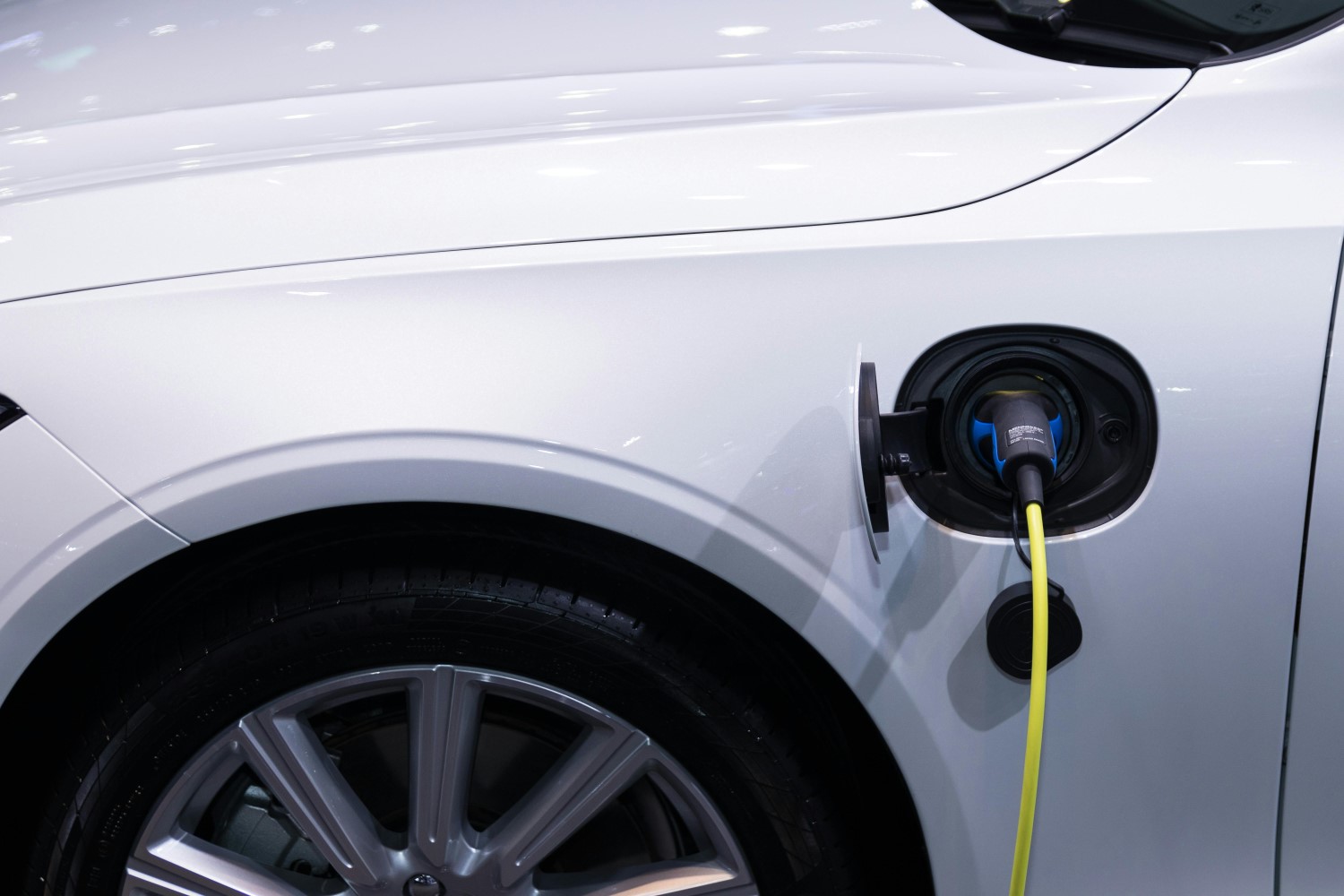
The most attractive factor for Rahul was the convenience. Every morning, he would wake up to a “Full Tank.” By installing a smart 7.2kW charger in his apartment parking, his car charged overnight while he slept.
The math was undeniable. While his neighbor was complaining about spending ₹8,000 a month on petrol, Rahul realized his electricity bill for the car would be less than ₹1,200. The convenience of never visiting a petrol pump again felt like a luxury he didn’t know he needed.
4. Maintenance: The “Set it and Forget it” Tech
As a techie, Rahul loved the mechanical simplicity. A petrol engine is a symphony of thousands of moving parts constantly wearing each other down. The EV motor in his new choice had only about twenty. No oil changes, no air filters, no timing belts.
The expert reviews on the platform confirmed that 2026 EV owners were spending 70% less on servicing over 5 years. For a middle-class family, those “Lakhs” saved in the service center are as good as money earned.
5. Future-Proofing and Resale Glory
Rahul’s final concern was the resale value. But as he looked at the 2026 market trends, he saw that the demand for second-hand petrol cars was dipping due to the “Green Taxes” being implemented in major cities.
On the flip side, the government’s 5% GST on EVs and the 8-year battery warranties have made electric cars the safest investment. Buying an EV in 2026 isn’t just a purchase; it’s an insurance policy against the rising costs of the old world.
The Conclusion of Rahul’s Journey
By the end of the month, the old diesel sedan was gone, and a sleek, silent EV stood in Rahul’s driveway. His story is the story of millions of Indians in 2026. The transition is no longer about “saving the environment” alone—it’s about choosing a vehicle that is faster, smarter, and significantly more economical.
When you look at the specifications of the top 5 electric cars in India in 2026, you realize that the competition isn’t between brands anymore; it’s between the past and the future. And in 2026, the future has already won.