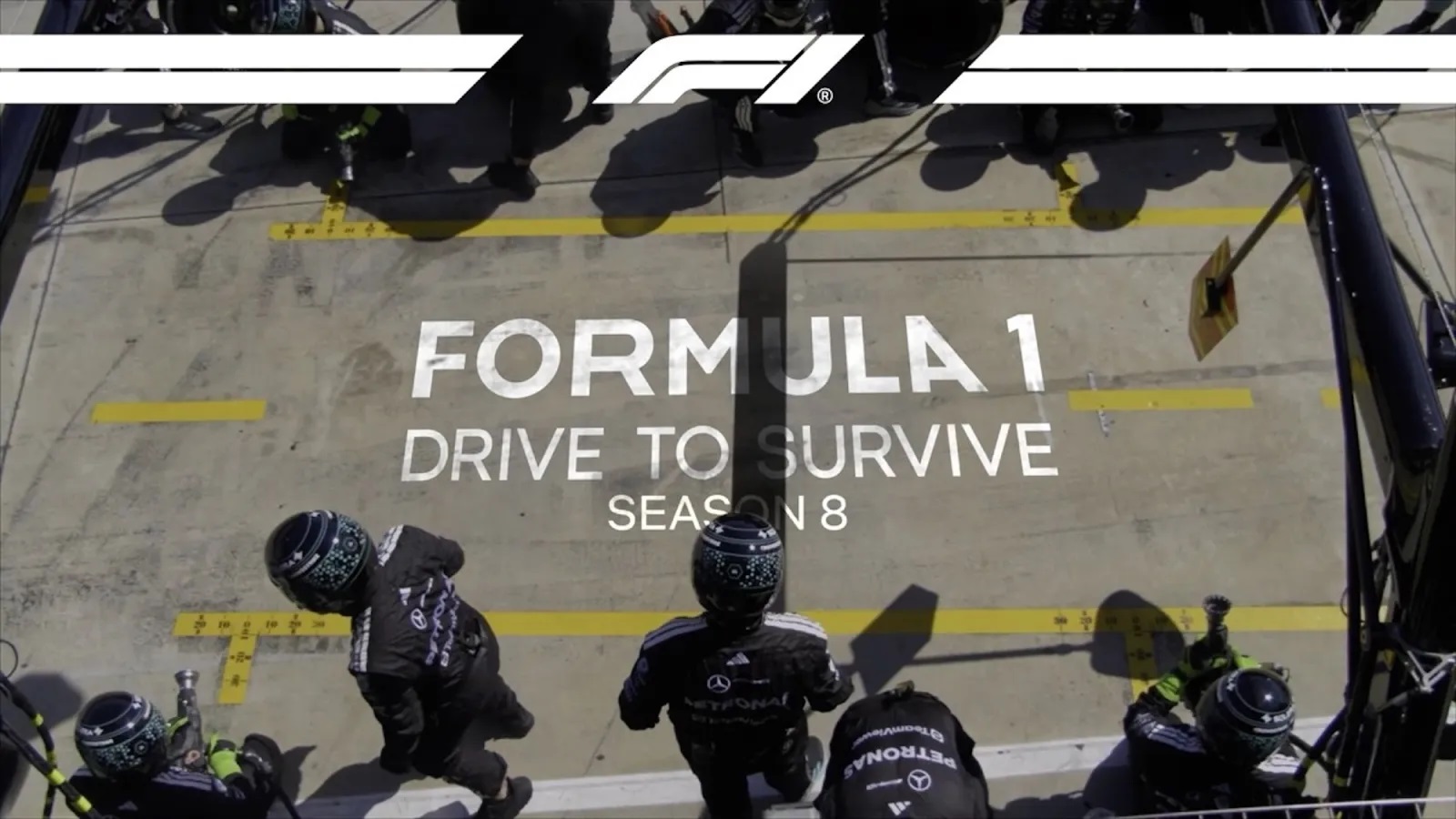
How Drive to Survive Expanded Formula 1
Since its first race in 1950, Formula 1 has grown into a major global sport, though in recent years it has expanded further, partly thanks to Netflix’s Drive to Survive. Over the years, the traditions have remained a vital part of its core, whilst also implementing modern media products such as this show to elevate it.
Drive to Survive has enabled Formula 1 to present its story each year in new ways, making it easier for many to follow and showing the technical details behind the scenes.
Traditional strongholds such as the United Kingdom, Italy, and parts of Europe remained loyal, while growth in newer markets had slowed. Races were often difficult for casual viewers to follow, and much of the sport’s drama stayed hidden behind technical language and closed paddock doors. Formula 1 needed a new way to tell its story.
The Netflix series arrived at a crucial moment. Liberty Media, which had acquired Formula 1 in 2017, was actively seeking new promotional approaches. Drive to Survive became the most visible result of this strategy, launched in 2019 for its first series, offering a new lens through which to view the sport.
A New Way of Storytelling
One of the most important changes brought by Drive to Survive was its focus on people rather than machines. Formula 1 had long marketed itself through speed, technology, and prestige. The series shifted attention to drivers, team principals, and engineers as individuals with pressures, fears, and ambitions.
Episodes were structured around clear storylines, often following smaller teams and lesser-known drivers. This made the championship feel more open and human. Viewers did not need deep technical knowledge to understand the stakes. They could follow rivalries, contract battles, and moments of personal struggle in simple terms.
The show also used modern television techniques such as dramatic music, close-up interviews, and fast-paced editing. This made Formula 1 feel closer to other popular sports documentaries, helping it fit naturally into mainstream viewing habits.
Reaching New Audiences
The clearest impact of Drive to Survive was its success in reaching people who had never watched a Grand Prix before. Netflix’s global platform gave the series instant access to millions of households, particularly younger viewers who do not rely on traditional sports broadcasts.
The United States became the most striking example of this growth. For many years, Formula 1 struggled to gain traction in the American market, although it made major inroads shortly after the series was launched. Interest in the states grew, as it became easier to watch, with more drama and interesting storylines comparable to many Hollywood films. The Miami Grand Prix and, later, the Las Vegas Grand Prix reflected renewed confidence in the American market.
Similar patterns appeared in other regions, including parts of Asia and South America. Fans who discovered Formula 1 through the series were more likely to follow teams and drivers on digital platforms, creating long-term engagement beyond race weekends.
Changing the Image of Formula 1
For many years, Formula 1 was seen as distant and exclusive. Access to drivers was limited, and teams often communicated through careful press statements. Drive to Survive changed this image by offering behind-the-scenes access that felt honest and immediate.
Viewers saw tense team meetings, emotional phone calls, and disagreements between senior figures. While some scenes were shaped for television, the overall effect was to make the sport feel more open. The show bridged the gap between drivers and fans, showcasing their personalities more, making the sport feel more personal.
This shift helped Formula 1 connect with modern audiences who value transparency and personality. It also made the sport easier to discuss and share online, where short clips and quotes could quickly spread across social platforms. It is also important to be transparent about trying live casino UK and to discuss it if you feel that it is getting out of control.
Commercial Growth and Sponsorship
The expansion of Formula 1’s audience brought clear commercial benefits. Sponsors became more interested in teams that could offer global exposure beyond race broadcasts. Brands that might not have considered Formula 1 before saw value in its new cultural relevance.
Merchandise sales increased, particularly among younger fans who supported drivers they had come to know through the series. Teams invested more in digital content, aiming to continue the storytelling momentum created by Netflix.
Race promoters also benefited. Sold-out events and rising ticket demand became more common, especially at newer venues. Formula 1’s overall brand value grew as it positioned itself as both a sport and an entertainment product.
A Lasting Impact on the Sport
Drive to Survive did more than promote Formula 1. It changed how the sport understood itself. Storytelling became central to its strategy, shaping everything from social media content to the presentation of race.
While future growth will depend on many factors, including the quality of competition and sustainability, the series has already left a lasting mark. It proved that Formula 1 could speak to a broader audience without losing its core identity.
By opening its doors and simplifying its message, Formula 1 found a new voice. Drive to Survive played a key role in that transformation, helping the sport grow beyond its traditional limits and into a new era of global relevance.