Why Qualifying for the Monaco GP Often Decides The F1 race
The qualifying session for each Grand Prix is always of significance. Every driver wants to achieve pole or at least be in the top 3 but for some races, it’s more important than others. For the Monaco GP it’s especially important to qualify well because the street track is so windy and tight, with few long straights, making it almost impossible to overtake. So, the position you’re in to start is often the position you’ll end in. This is not always the case; there are exceptions but this is the general thought.
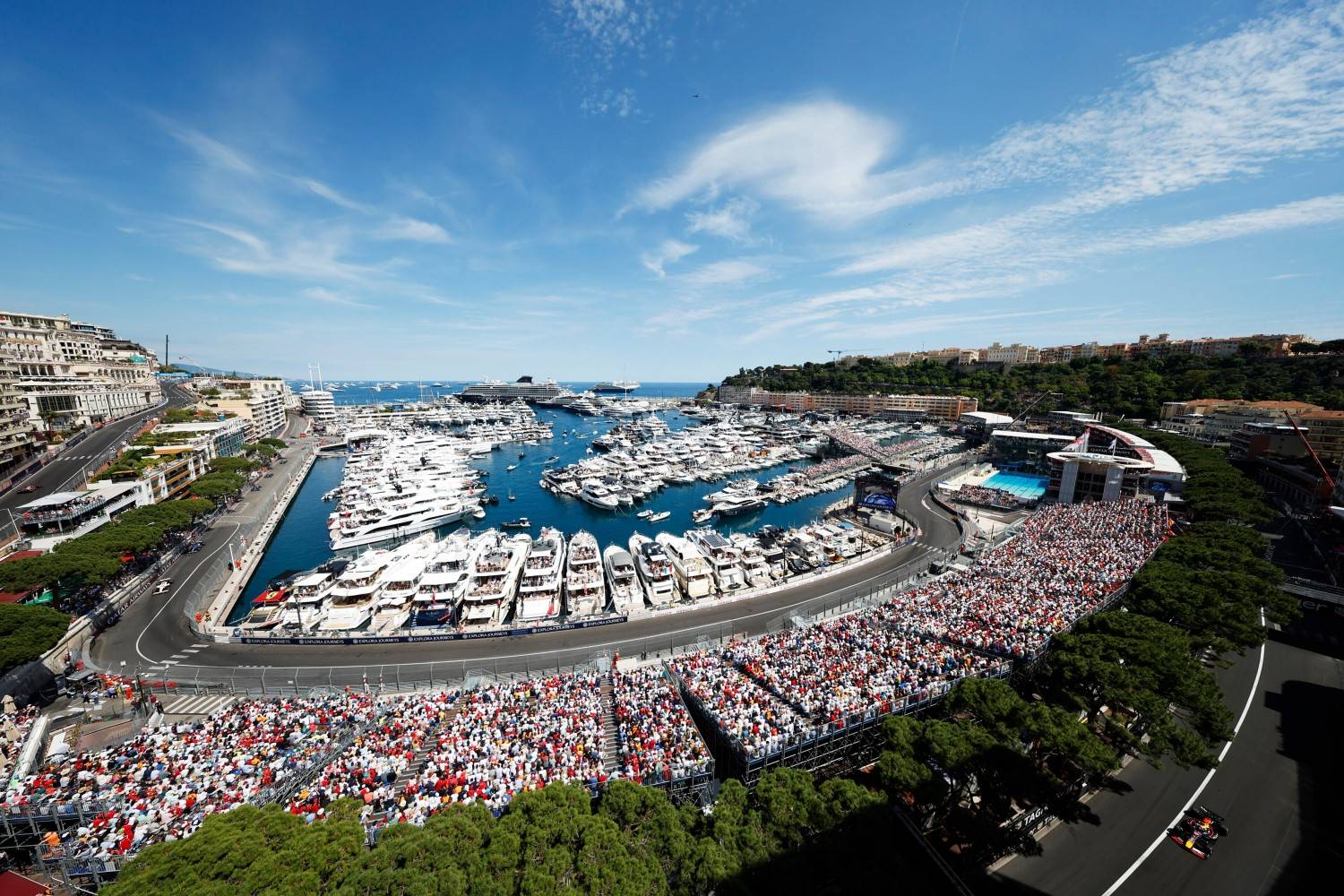
Ever since the Monaco Grand Prix was introduced in 1950, the city has been in a frenzy come summer. The Grand Prix is usually held around early June, during the summer months, making it not only a fast and tight race but a hot one as well. This is where the drivers really have to put in a full performance and show their best, making it one of the most riveting routes for fans to observe.
Getting Monaco F1 tickets is a dream come true, especially if you opt for getting there on Thursday while the drivers are still doing media runs and then staying til the big Sunday for the race. It’s a fascinating one to watch.
A Circuit Built On Narrow Streets
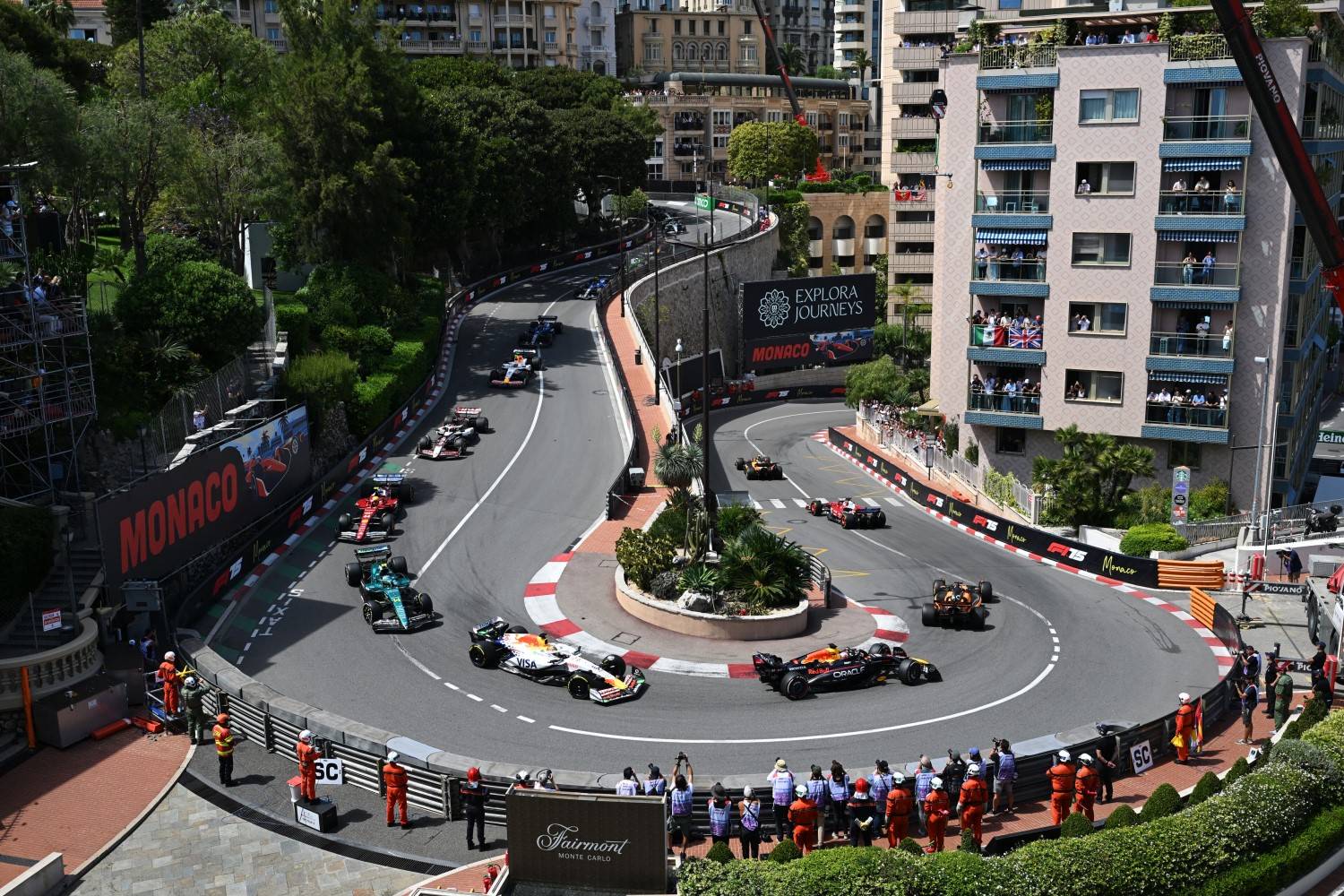
Monaco is not a purpose-built racing circuit. Instead, it uses the public streets of Monte Carlo, turning the city into a racetrack for one weekend each year. This is what makes it so exciting and thrilling for fans to watch. The road width in many sections leaves very little space for two cars to run side by side. Even a small mistake can result in contact with the wall, which is why the drivers don’t like risking an overtake.
Because the circuit follows the natural layout of city streets, it also includes many slow corners and sharp direction changes. Instead of long straights that allow cars to build speed, Monaco features a sequence of tight bends that constantly challenge a driver’s precision. A dream to see in real life as a fan.
Why Overtaking Is So Difficult
Overtaking in Formula 1 typically requires two important ingredients. A driver needs enough space to position the car alongside a competitor and enough speed difference to complete the move safely.
The difficulty of overtaking is shaped by several factors:
- Narrow track width that limits space for side-by-side racing
- Tight corners that slow cars and compress the field
- Short straights that reduce opportunities to gain speed advantage
- Close barriers that punish aggressive overtaking attempts
- Limited alternative racing lines through most corners
Because of these conditions, drivers often remain stuck behind competitors for long periods, even if their car is capable of faster lap times.
The Importance Of Track Position for the Monaco GP
Track position is always important in Formula 1 but at Monaco it becomes absolutely critical. Drivers who start near the front of the grid gain a major advantage simply by being ahead of traffic. A leading driver can focus on maintaining a consistent pace while controlling the race from the front. Meanwhile, drivers further back may spend the entire race trying to find a way past slower cars. This dynamic makes qualifying sessions extremely intense but also fascinating for fans.
Drivers push their cars to the limit in order to secure the best possible starting position. Even small improvements in lap time can move a driver several positions higher on the grid.
Why the Monaco GP Remains Unique
Despite the challenges it presents, the Monaco Grand Prix remains one of the most iconic events in motorsport. Its narrow streets, dramatic harbor views and historic corners create a racing atmosphere unlike any other track. The difficulty of overtaking means that qualifying sessions become some of the most exciting moments of the weekend.
While other circuits may produce more overtaking during the race itself, Monaco offers a different kind of spectacle. Precision driving, strategic positioning and flawless execution often determine the final result. So, if you see it live, you’re often seeing the drivers at their very best.