Just How Back Is Lewis Hamilton Back? Looking Ahead to the Japanese GP
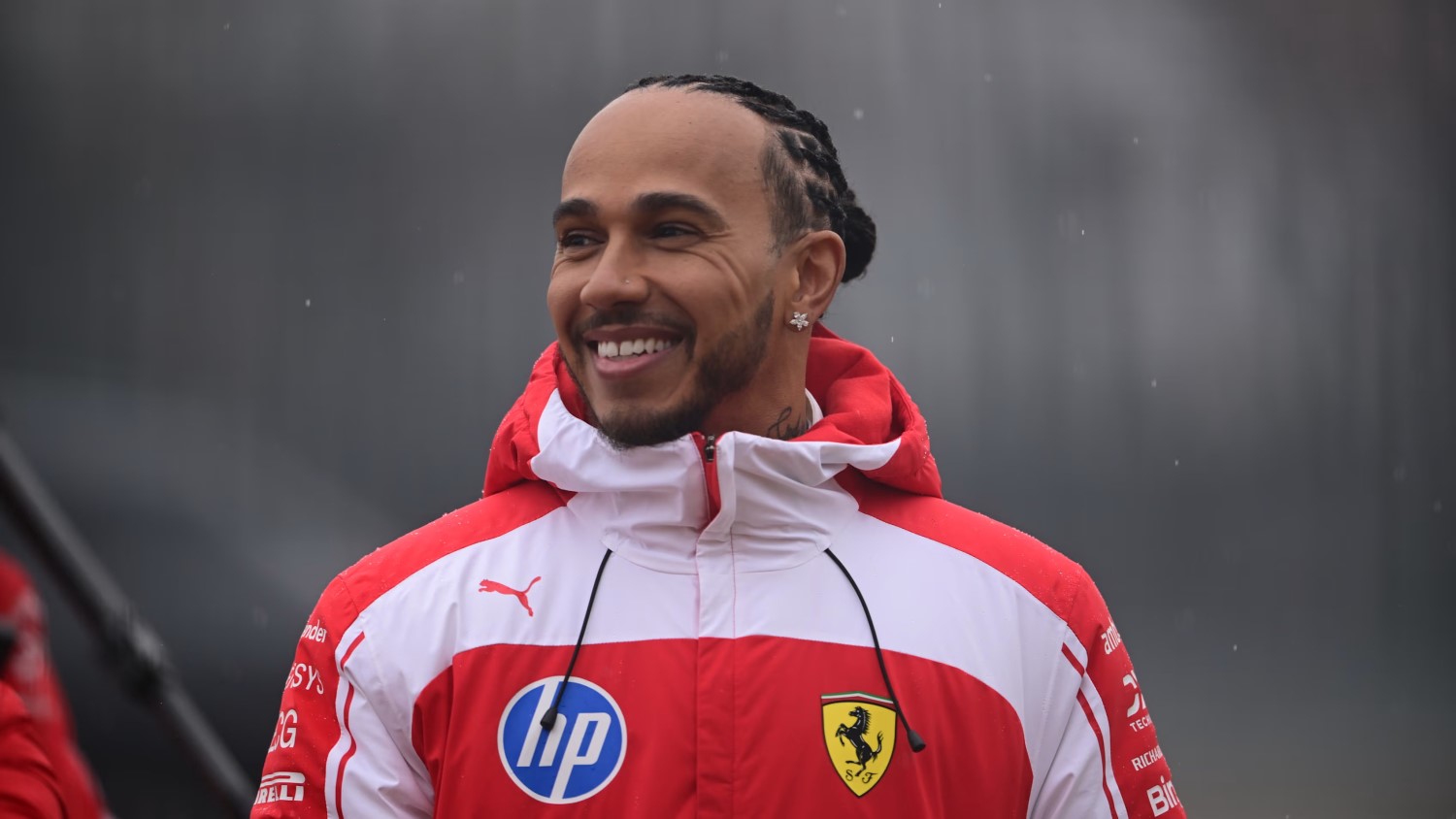
Ferrari did not bring in Lewis Hamilton (pictured) for neat headlines and respectable top-six finishes. The point of the move was to put one of Formula 1’s great closers back in the thick of meaningful Sundays, and after Shanghai, there is finally a serious case that the partnership is beginning to click.
Looking ahead, it’s why the Japanese Grand Prix feels bigger than a normal early-season stop. Hamilton arrives at Suzuka with his first Ferrari podium secured, fourth in the standings, and a very different energy around him. The conversation has shifted from whether he can adapt to whether he can genuinely build momentum.
Japan should give a cleaner answer than China did. Suzuka punishes half-sorted cars and exposes drivers who are still negotiating with the front end. If Hamilton looks convincing there, the story stops being sentimental and starts sounding competitive.
China changed the conversation
Hamilton’s third place in Shanghai was not the sort of podium that arrives because two faster cars tripped over themselves. He earned it through usable pace, tidy execution, and the kind of race management that still separates elite drivers from merely quick ones.
Just as important, the weekend felt complete. He qualified strongly, stayed relevant through the Sprint format, and looked settled enough in the car to attack rather than improvise. For a driver still bedding into a new team, that matters more than one isolated headline result.
The standings underline the point. Hamilton sits fourth on 33 points after two races, only a point behind Charles Leclerc, while Ferrari remains close enough to the front to shape races rather than react to them. That is not title-winning territory yet, but it is a long step away from irrelevance.
Hamilton described China as “one of the most enjoyable races I’ve had”, in comments published by Formula1.com after taking his first Ferrari Grand Prix podium. It sounded less like relief theatre and more like a driver recognizing something real in the car.
So, is he really back?
Probably, but not in the lazy, nostalgia-heavy way that phrase is usually used. Lewis Hamilton does not need to resemble his 2014 self to become a serious factor in 2026. He needs to look comfortable in this rules cycle, credible over a full race distance, and sharp enough to turn half-chances into points-heavy weekends.
China certainly checked all three boxes. The podium mattered, but the shape of the performance mattered more. Ferrari looked like a car he could lean on, not just survive in, and Hamilton looked decisive in the places where uncertainty had crept into parts of last season. If you want to know how the market is reading his revival ahead of Suzuka, the latest free bets are a good place to start.
Of course, a note of caution still belongs here. Mercedes has won the opening two Grands Prix, George Russell has started the year with real authority, and Kimi Antonelli has already landed a breakthrough win. Hamilton may be back in the fight, but the early benchmark still sits elsewhere.
Why Suzuka is the right test
Some tracks flatter momentum. Suzuka interrogates it. The fast direction changes through the esses, the confidence required in sector one, and the penalties for even tiny balance issues make it one of the best circuits on the calendar for separating genuine harmony from temporary form.
That is useful for Ferrari because this pairing is still learning its own limits. Hamilton has already spoken about the adaptation required by the new-generation cars, and China hinted that he is getting closer to a setup he can trust. Japan will show whether that progress travels.
It also arrives at a good point in the calendar. With the Japanese Grand Prix scheduled for March 29 at Suzuka, Ferrari gets an early read on whether China was the start of a trend or simply their cleanest weekend so far.
What Hamilton needs from Ferrari
He does not need perfection. He needs clarity. Ferrari’s best weekends with Hamilton will come when the strategy is uncomplicated, tyre preparation is under control, and the car arrives in qualifying with enough front-end bite for him to commit early in the corner rather than correct halfway through it.
Before the Chinese Grand Prix, Hamilton said Ferrari had “made a step forward”, again via Formula1.com. The value of that remark was in its restraint. It was measured, specific, and later backed up by the way the car behaved under pressure.
The numbers behind the revival
A quick numbers check helps explain why the mood around Ferrari is warmer now than it was at the start of the month:
- Hamilton is fourth in the championship on 33 points after two races.
- Leclerc is one place ahead on 34, keeping both Ferrari drivers firmly in the early conversation.
- Hamilton qualified in the front two rows in China and converted that into a podium.
- Ferrari are close enough to Mercedes to influence race shape rather than chase damage limitation.
None of that confirms a sustained resurgence. It does, however, suggest that the comeback case is being built on repeatable indicators, not nostalgia or one chaotic afternoon.
Japanese GP odds and what they say
Markets are not perfect predictors, but they are useful mood boards. The current Japanese GP odds still place Russell and Antonelli ahead of the Ferrari pair, which feels fair given Mercedes’ stronger opening two weekends.
Hamilton’s number is still short enough to matter, though, and that is the shift worth noting. He is no longer being framed as a sentimental long shot. He is sitting in the tier just behind the favorites, where one strong qualifying session can suddenly make the weekend look very different.
For readers scanning race-week value, this is usually the point where podium markets, head-to-head prices, and the latest free bets enter the conversation. In Hamilton’s case, the more sensible angle may be whether Ferrari now has enough underlying pace to support another front-row run or a top-three finish, rather than asking him to beat the entire field outright.
Indicative Japanese GP winner odds
| Driver | Odds |
| George Russell | 7/10 |
| Kimi Antonelli | 15/4 |
| Lewis Hamilton | 11/1 |
| Charles Leclerc | 12/1 |
| Max Verstappen | 30/1 |
What could stop the comeback narrative
The first risk is straightforward: Ferrari may still have a narrow setup window. A car that feels balanced in one venue can become awkward at Suzuka very quickly, especially when confidence through high-speed corners is non-negotiable.
There is also the Leclerc question. Ferrari do not need to force a pecking order in March, but they do need clean weekends from both sides of the garage. A close intra-team fight can energize a team and quietly cost it points at the same time.
Mercedes remain the larger problem. Russell has opened 2026 with control, Antonelli already looks comfortable at the front, and the Silver Arrows appear better sorted under the new regulations. Hamilton’s improvement is real, but the reference point is still his old team.
Looking ahead to the Japanese Grand Prix
A sensible target for Hamilton in Japan is not fireworks for the sake of headlines. It is another clean qualifying performance, another weekend of genuine podium pace, and more evidence that Ferrari belongs in the lead group rather than on the fringe of it.
If Suzuka goes badly, the broader picture will not collapse overnight. Two races are not enough to prove a revival, and one awkward weekend would not erase the progress already shown. Still, Japan feels like the right measuring stick.
Right now, Hamilton looks back in the only way that matters in Formula 1: relevant, dangerous, and capable of making the fastest teams work for it.