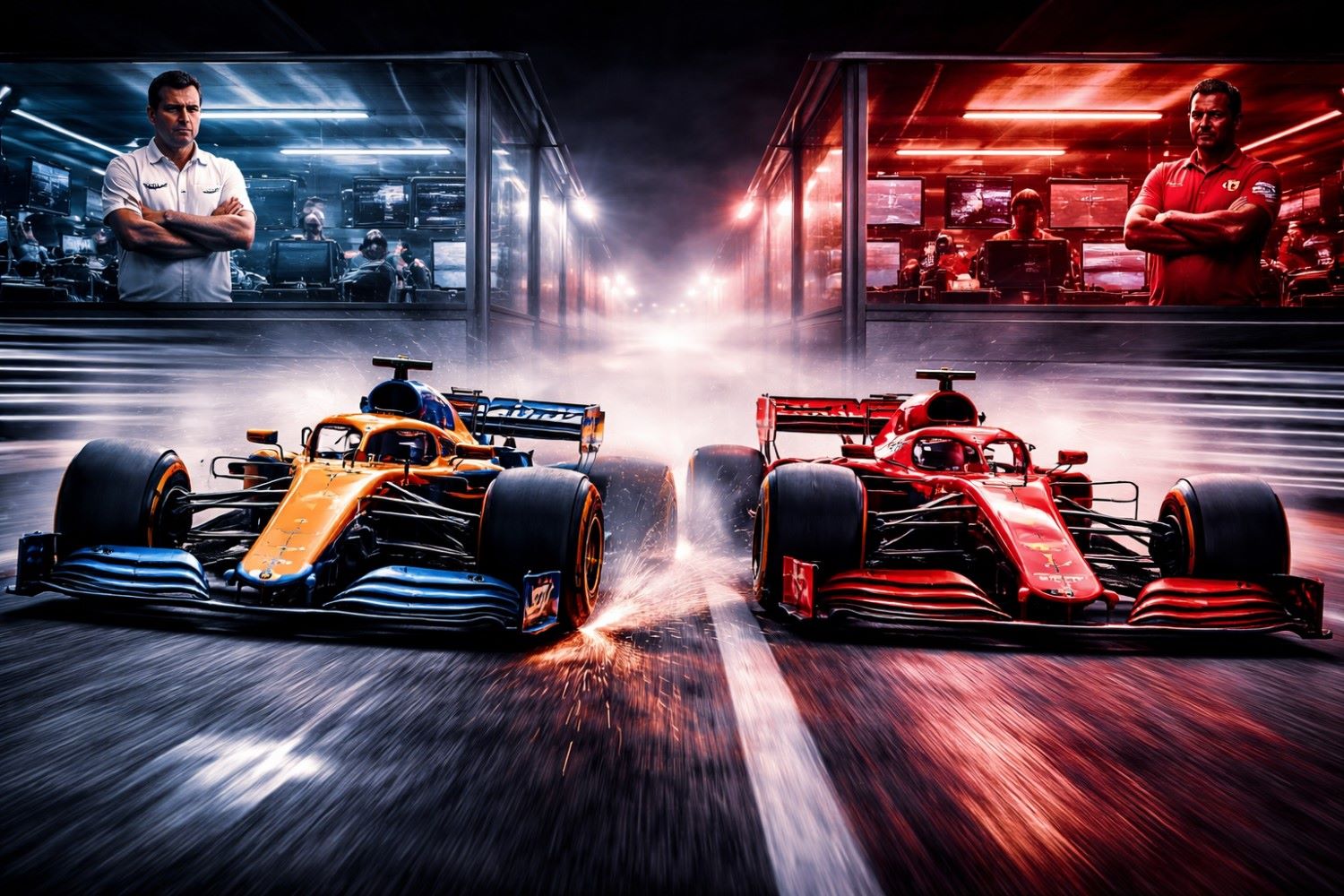
The Psychology of Rivalries in Motorsports
Motorsport rivalries are more than just competition on the track—they are psychological battles that shape performance, decision-making, and fan engagement. In disciplines like Formula 1, where milliseconds determine victory or defeat, mental strength often becomes just as important as technical skill. Rivalries push drivers, teams, and managers to operate at the highest level of focus, transforming races into emotionally charged contests that captivate global audiences.
Ten of the greatest Rivalries in Motorsports History
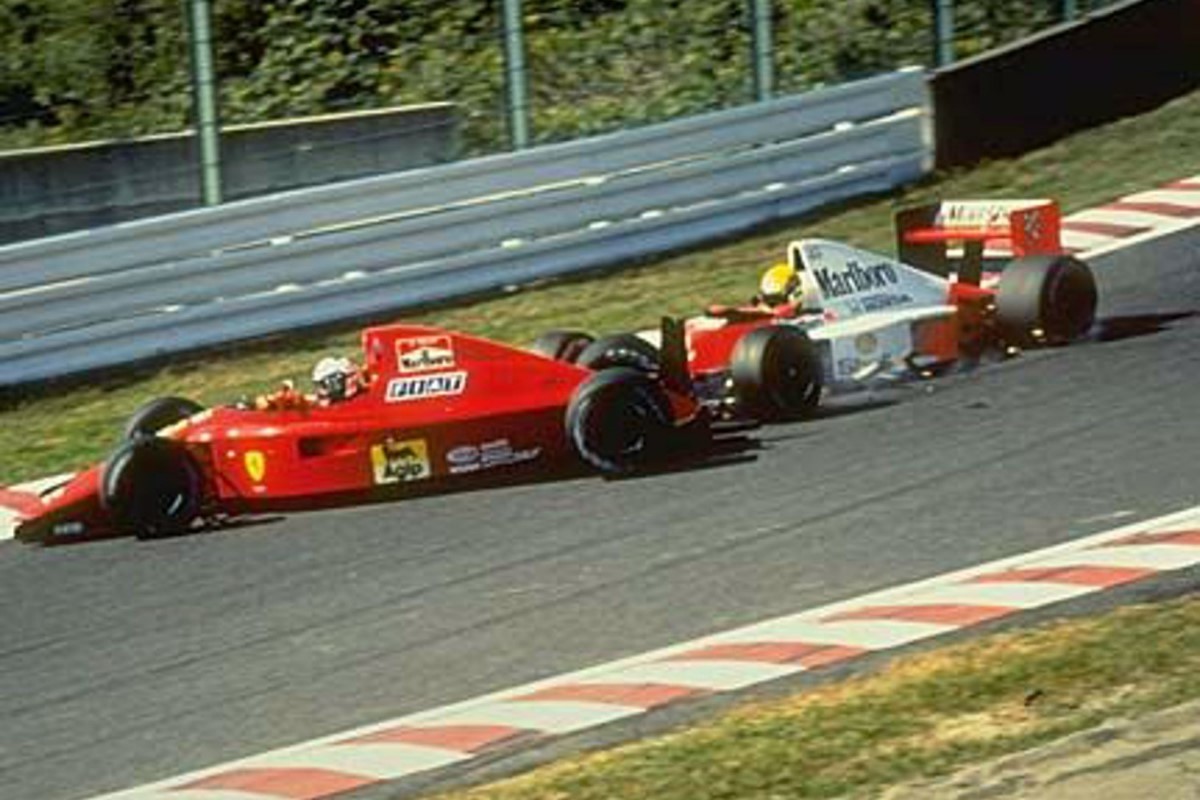
1. Ayrton Senna vs. Alain Prost (Formula 1, 1988–1993)
The gold standard of motorsport rivalries. Teammates at McLaren, the Brazilian genius and the calculating Frenchman clashed in a toxic mix of talent, ego, and politics. Key flashpoints included the 1989 Suzuka collision (Prost won the title after Senna was disqualified) and the 1990 Suzuka revenge crash. It defined an era of F1 and later evolved into mutual respect before Senna’s tragic death.
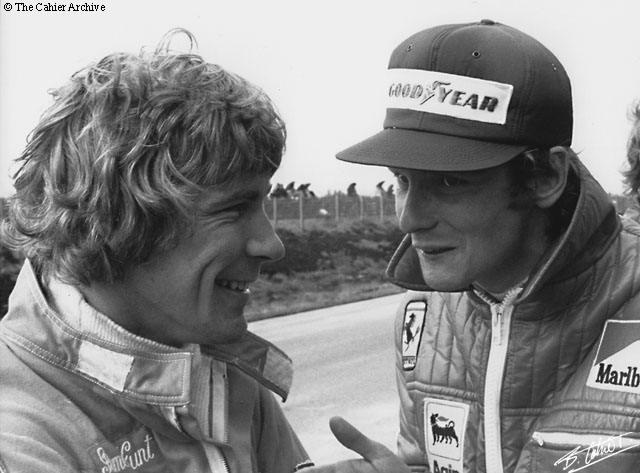
2. Niki Lauda vs. James Hunt (Formula 1, 1976)
The ultimate “fire and ice” showdown: the methodical Austrian (Lauda) versus the flamboyant British playboy (Hunt). Their 1976 title fight—marked by Lauda’s near-fatal Nürburgring crash and heroic comeback—produced one of the closest championships ever and inspired the film Rush. Off-track friends, despite the media hype, it remains F1’s most cinematic rivalry.
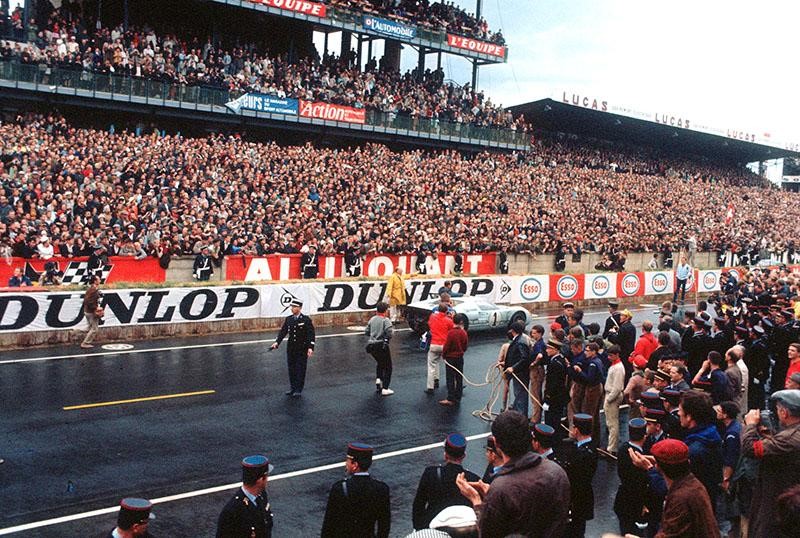
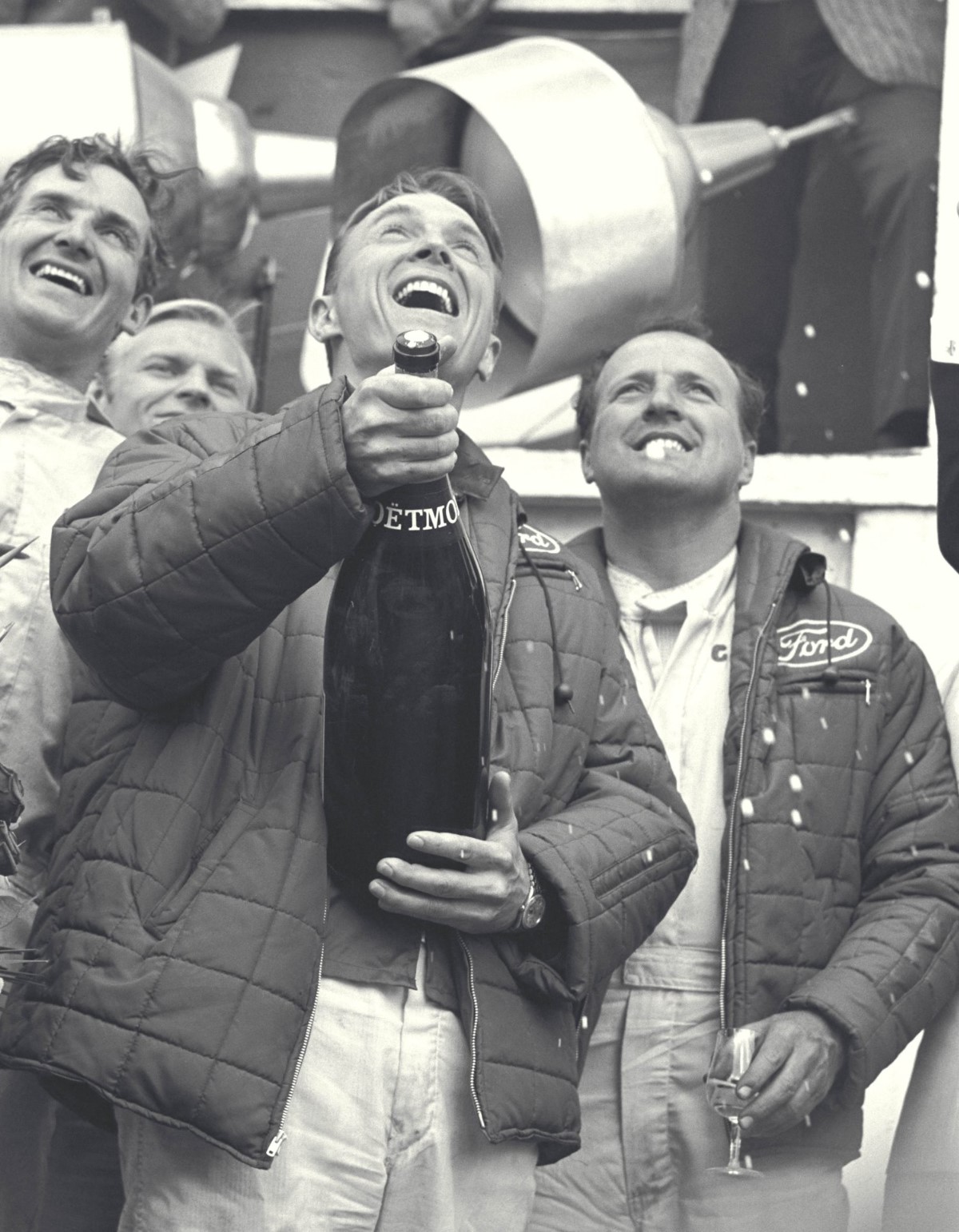
3. Ford vs. Ferrari (Le Mans 24 Hours / Sports Car Racing, 1960s)
A manufacturer war born from pure spite. After Enzo Ferrari snubbed a buyout deal with Henry Ford II, Ford poured millions into the GT40 program specifically to crush Ferrari at Le Mans. The result: four straight wins (1966–1969) and one of the most dramatic underdog stories in racing history. It changed sports-car racing forever.
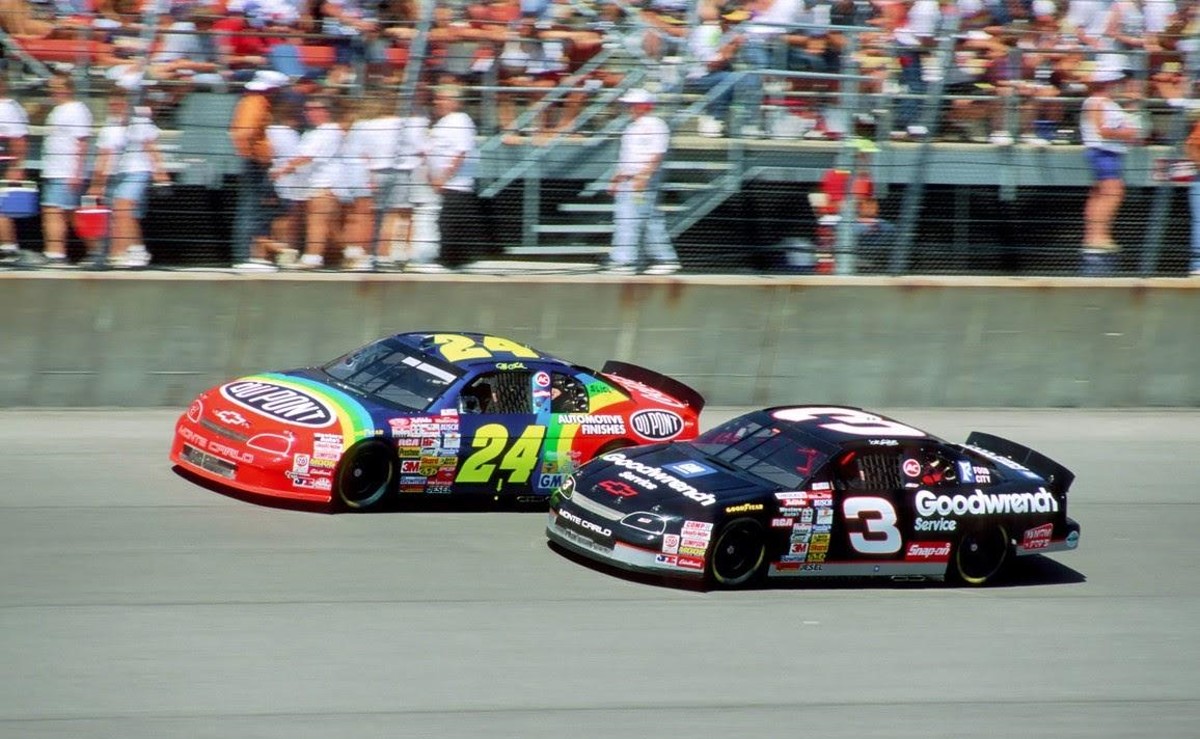
4. Dale Earnhardt vs. Jeff Gordon (NASCAR, 1990s)
The Intimidator (Earnhardt) versus the young phenom (Gordon) split America down the middle during NASCAR’s boom years. Their 1995 championship battle—complete with on-track contact and Earnhardt toasting Gordon’s title with milk—captured the transition from old-school tough guys to the new generation. It helped turn NASCAR into a mainstream phenomenon.
5. Valentino Rossi vs. Marc Márquez (MotoGP, 2013–present)
The GOAT of motorcycle racing (Rossi) versus the fearless young prodigy (Márquez). What started as admiration turned bitter with accusations of dirty riding, the infamous 2015 Sepang “kick,” and multiple crashes. Their clashes electrified MotoGP and divided fans like no other two-wheeler rivalry.
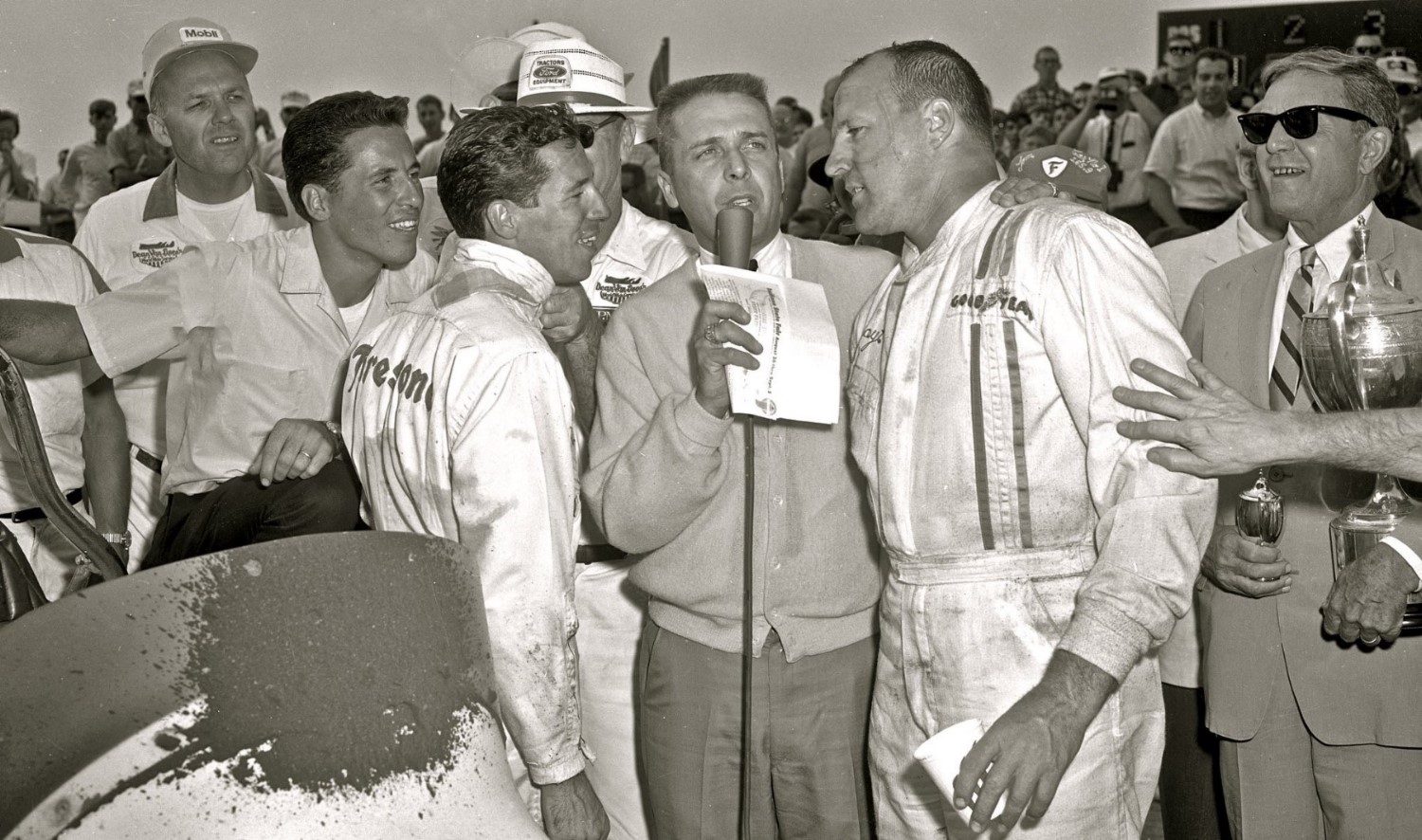
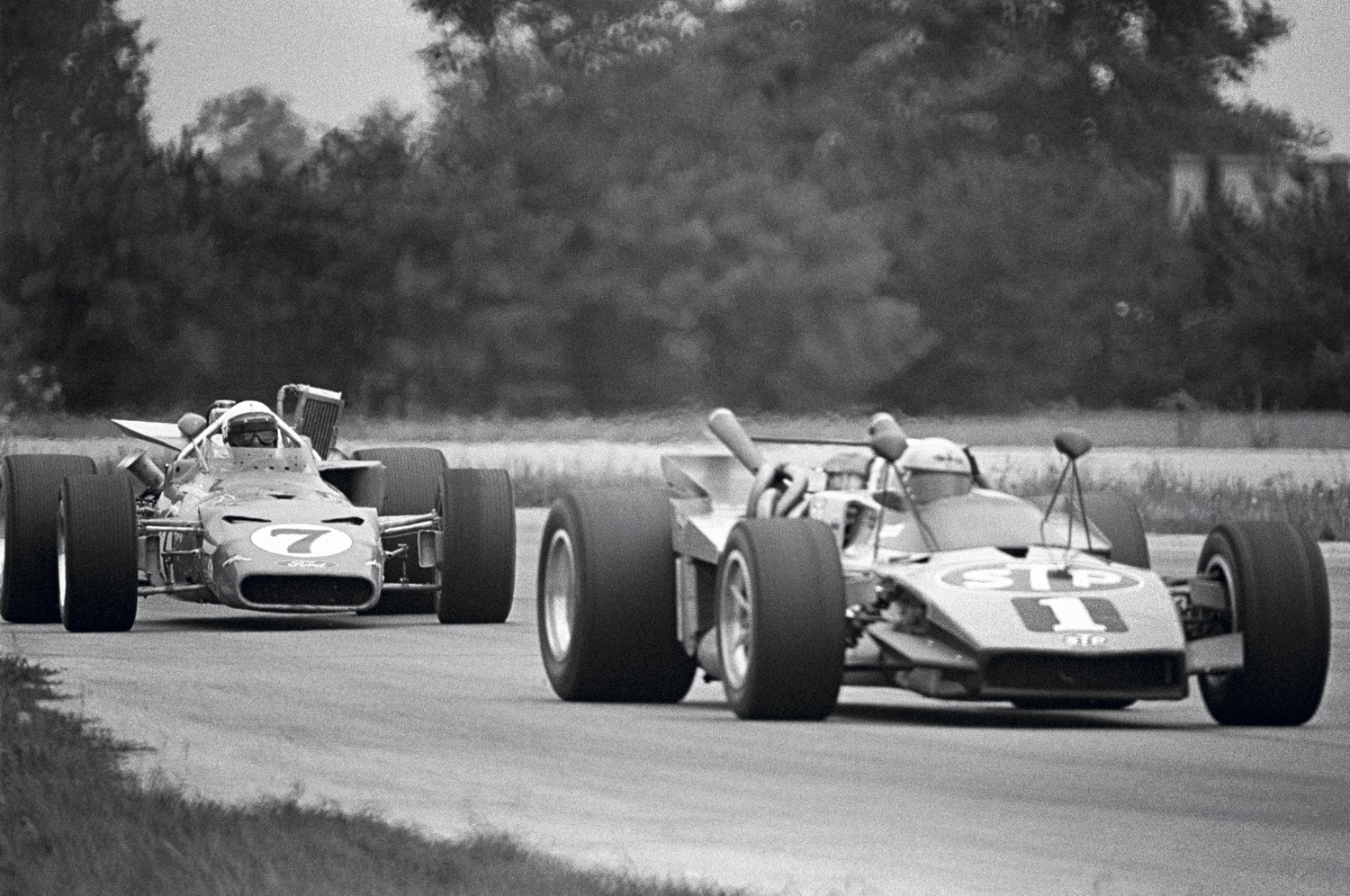
6. A.J. Foyt vs. Mario Andretti (IndyCar / NASCAR / Sports Cars, 1960s–1970s)
Two American legends who raced each other across multiple series and decades. Both multiple Indy 500 winners, their battles—from bullrings to Daytona—pushed each other to new heights. It embodied the golden age of open-wheel and stock-car crossover racing in the U.S.
7. Don “The Snake” Prudhomme vs. Tom “The Mongoose” McEwen (NHRA Drag Racing, 1960s–1970s)
The rivalry that mainstreamed drag racing. Their colorful funny-car duels (yellow Barracuda vs. red Duster) led to the legendary Hot Wheels toy deal and even a movie. Friendly off-track but ferocious on the strip, it turned niche quarter-mile racing into a pop-culture phenomenon.
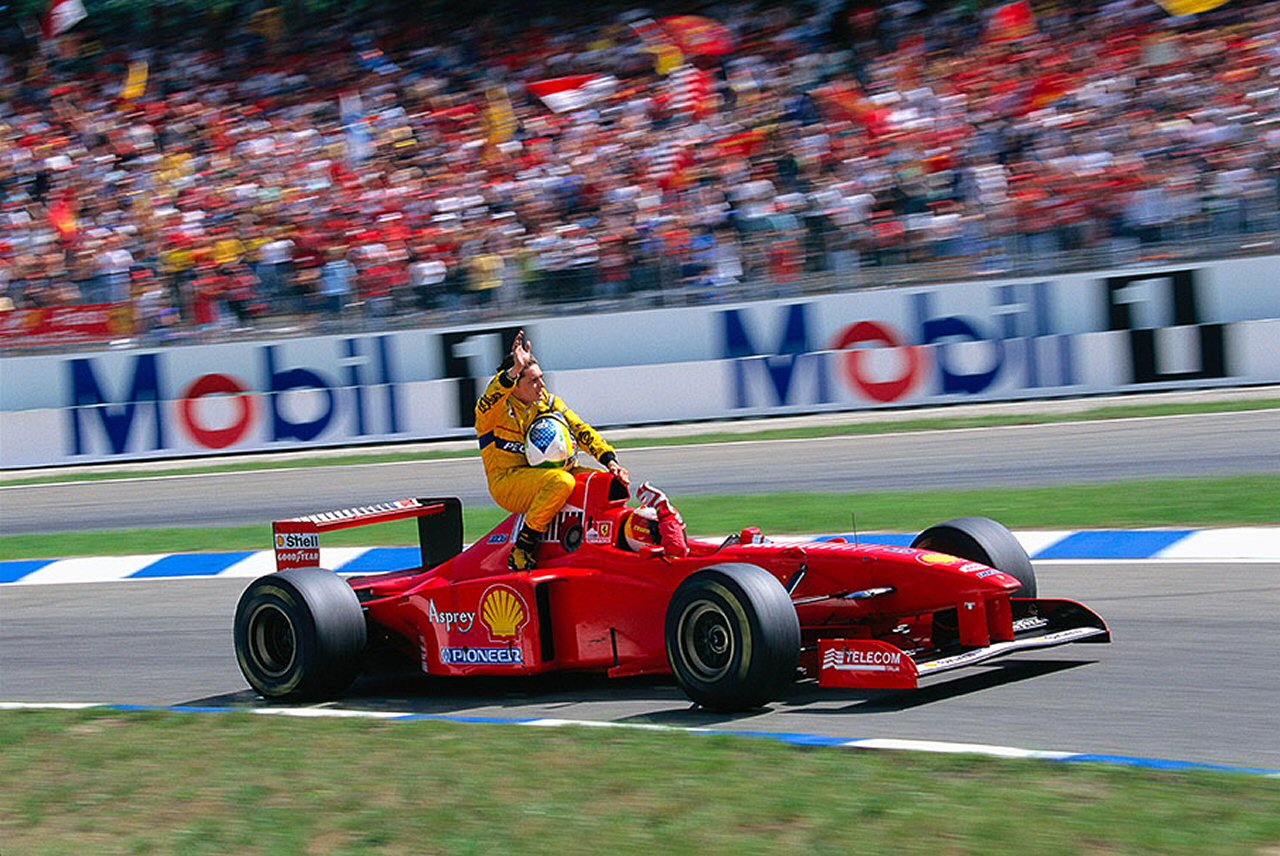
8. Michael Schumacher vs. Mika Häkkinen (Formula 1, 1998–2001)
Clean, wheel-to-wheel brilliance at the highest level. The ruthless German champion versus the ice-cool Finn produced some of F1’s greatest duels as McLaren and Ferrari went head-to-head. Schumacher later called Häkkinen his toughest rival—pure racing at its finest.
9. Sébastien Loeb vs. Sébastien Ogier (World Rally Championship, 2011–2013)
Two Sébastiens dominating rallying’s most demanding stages. As teammates and then rivals, their WRC battles across mud, snow, and gravel showcased the precision and bravery required in rallying. It bridged eras of rally dominance and kept the championship thrilling.
10. Lewis Hamilton vs. Nico Rosberg (Formula 1, 2013–2016)
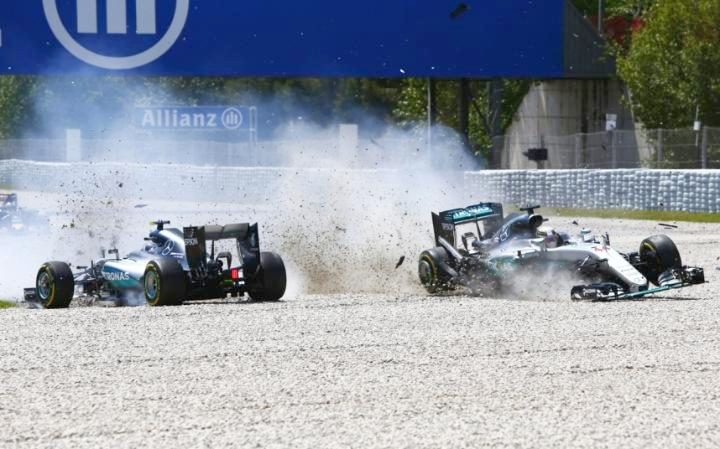
Childhood friends turned bitter Mercedes teammates. Their intra-team war produced three straight titles decided in the final race (2014–2016) and featured epic on-track battles plus off-track tension. It elevated the hybrid-era Mercedes dominance into personal drama that captivated fans worldwide.
These rivalries transcend stats—they created legends, boosted TV ratings, inspired films and toys, and pushed safety, technology, and the limits of competition. Motorsports thrives on them.
Why Rivalries Intensify Performance in Motorsports
Psychologists who study elite competition often note that rivalry can significantly improve performance. When two drivers or teams repeatedly compete against each other, they develop a heightened awareness of every move their opponent makes. This mental dynamic pushes athletes to refine strategies, improve concentration, and reduce mistakes.
Motorsport fans closely follow these rivalries, analyzing statistics, race outcomes, and strategic decisions. Many enthusiasts also engage with racing-related digital platforms to track results and predictions, including services like 1xbet cambodia, which allow fans to stay connected with sports events and competitive dynamics.
Key psychological effects of rivalry:
- Increased motivation
- Drivers push harder to outperform specific opponents
- Training intensity and preparation improve
- Sharper focus during races
- Competitors anticipate each other’s strategies
- Split-second decisions become more calculated
- Higher emotional investment
- Rivalries create personal stakes beyond championship points
Psychological traits commonly seen in successful drivers:
- Extreme concentration under pressure
- Emotional control after setbacks
- Strong confidence in decision-making
These mental attributes often determine who ultimately gains the advantage in close racing battles.
The Influence of Team Leadership and Strategic Rivalries
Rivalries in motorsports are not limited to drivers. Team principals and executives also play critical roles in shaping competitive narratives. Leadership decisions about car development, driver recruitment, and race strategy can intensify competition between teams.
One frequently discussed figure in modern Formula 1 management is Zak Brown, whose leadership at McLaren has attracted attention throughout the paddock. Under McLaren Zak Brown, the team has focused on long-term development and strong partnerships to regain competitiveness in the championship.
Leadership rivalry affects motorsports in several ways:
- Technological development races
- Teams compete to design faster cars
- Aerodynamic and engine innovations become strategic priorities
- Talent recruitment battles
- Securing top drivers and engineers can shift team performance
- Brand and sponsorship competition
- Strong leadership increases global visibility and commercial success
Because Formula 1 is both a technological and psychological contest, the strategic rivalry between teams often mirrors the battles happening on the track.
How Rivalries Strengthen Fan Engagement
Fans rarely connect with motorsport solely because of speed or engineering. Emotional narratives—especially rivalries—create long-lasting interest and community discussion.
Why fans are drawn to rivalries:
- Clear storylines
- Ongoing battles between drivers or teams
- Personal narratives that evolve across the season
- Memorable race moments
- Close overtakes and defensive driving
- Strategic pit stop battles
- Continuous discussion among fans
- Post-race debates and analysis
- Predictions about future races
Motorsport fans today also engage with interactive entertainment related to racing and sports competitions. For example, games like 1xbet aviator demonstrate how digital platforms incorporate elements of strategy and anticipation similar to those found in motorsport rivalries.
The digital era amplifies rivalries through:
- Social media debates between fan communities
- Real-time race data and analytics
- Global accessibility to motorsport coverage
This constant interaction ensures that rivalries remain relevant far beyond the race weekend.
The Lasting Psychological Impact of Rivalries
Rivalries have shaped some of the most memorable moments in motorsport history because they highlight the mental side of elite competition. They push drivers to confront pressure, challenge their limits, and continually improve their performance.
Long-term benefits of rivalry in motorsports:
- Higher competitive standards
- More innovative strategies
- Greater fan engagement
- Stronger team identities
Ultimately, the psychology of rivalry is one of the forces that keeps motorsport exciting year after year. Whether it appears in intense on-track battles or strategic conflicts between team leaders like Zak Brown and rival organizations, rivalry transforms racing into a dramatic and deeply engaging global sport.