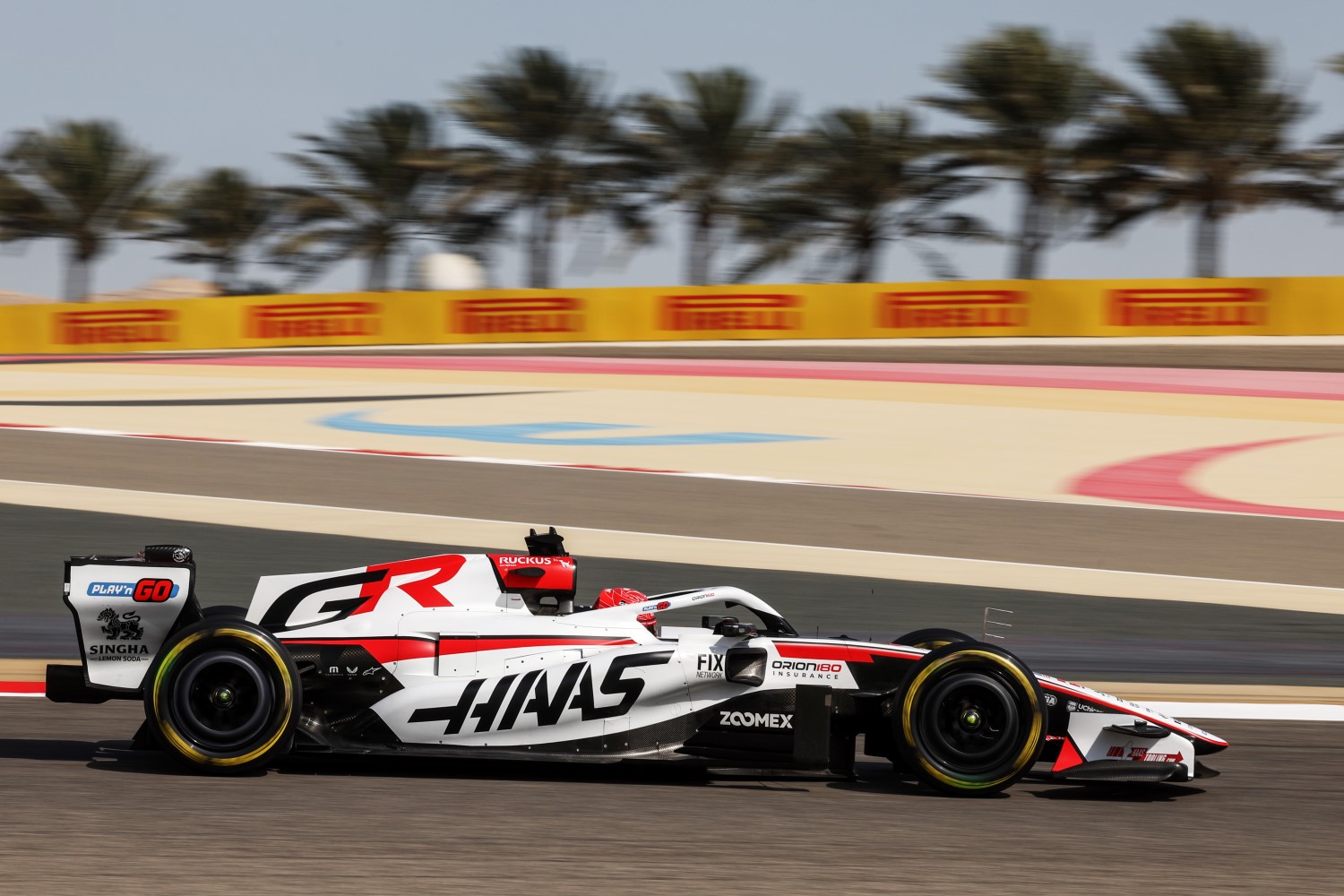
Haas in 2026: How Did the Smallest Team Become One of the Biggest Stories of the Season?
The Car Nobody Saw Coming
New regulations are the great equalizer of Formula 1, and 2026 brought the biggest rulebook overhaul in over two decades. Smaller cars, less downforce, and a near 50/50 split between combustion and electric power. For teams like Mercedes or Red Bull, that means enormous resources thrown at a brand new problem. For Haas, it meant something more interesting: a clean slate where money matters slightly less and smart decisions matter considerably more.
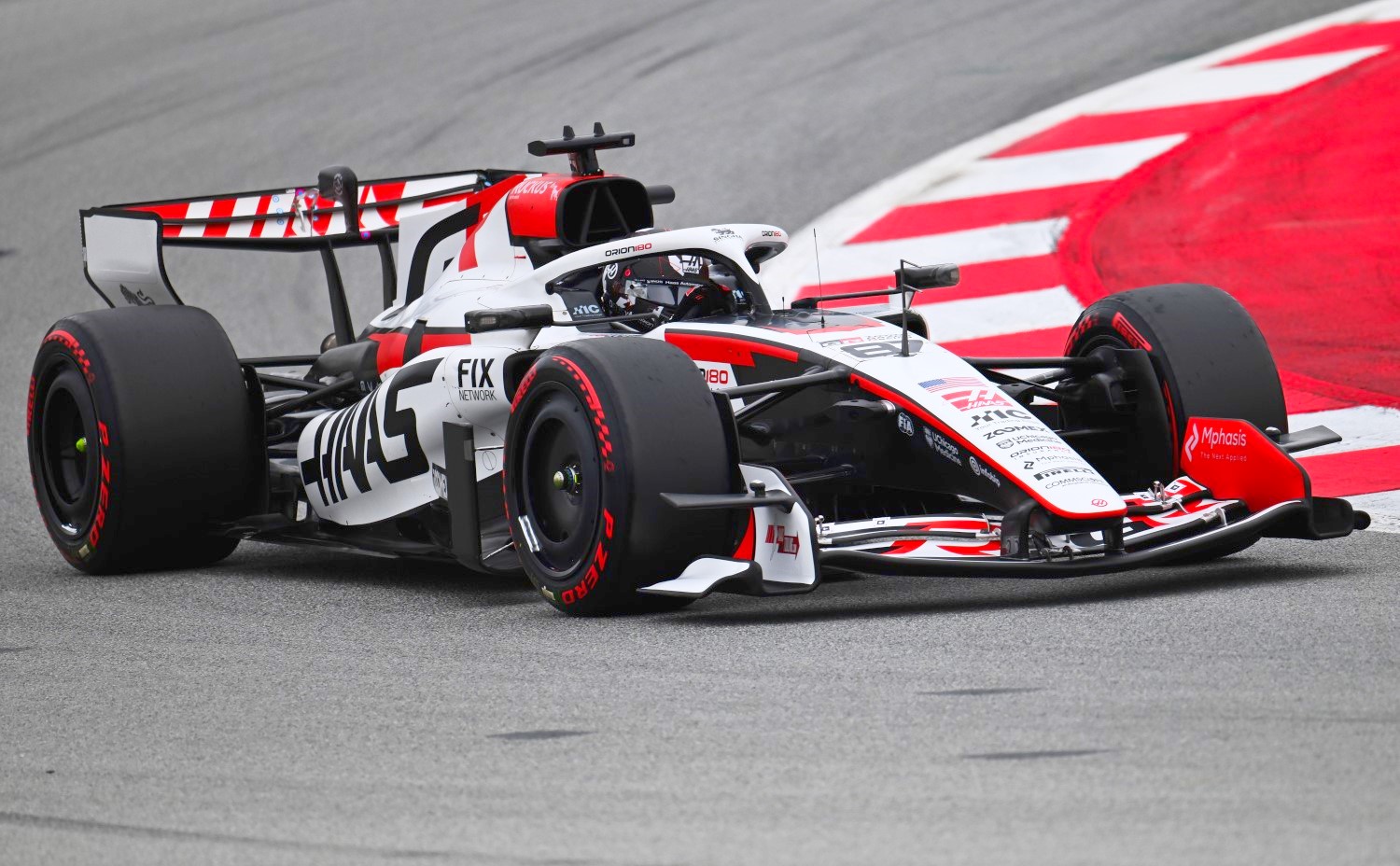
For fans who enjoy watching an underdog actually perform, this kind of season-opening chaos is exactly why following F1 is worth it. And much like the way the best australian online casino for real money rewards those who know where to place a calculated bet, Haas backed their approach with conviction and it is paying off early.
The VF-26 concept work started in the second half of 2024, with a small group quietly sketching the new car while the rest of the team was still focused on finishing the 2025 season. Komatsu also made a point of keeping design options open throughout development, building in the flexibility to explore different aerodynamic concepts mid-season if a rival team found a clear advantage early on. That is not the decision-making of a team just hoping things work out. It is structured thinking under resource pressure.
A few things went right for Haas that bigger teams could not simply buy their way into:
- The Ferrari power unit’s smaller turbo configuration gives it strong performance at lower engine speeds, which suits the new energy management demands of 2026 racing
- Bearman has identified that the VF-26 performs better in race trim than in qualifying, meaning the team extracts more value across a full Grand Prix distance than a single flying lap
- Driver continuity with both Bearman and Ocon returning meant zero adaptation time at the wheel of a completely new car
Bearman Is the Story
After two races, Bearman sits fifth in the drivers’ championship and has scored all 17 of Haas’ points so far. That stat alone tells you something. His teammate Esteban Ocon, a driver with over 100 grands prix on his record, has zero points through the same two weekends.
Bearman finished seventh in Melbourne, topping the midfield, then backed it up with fifth in Shanghai after a race that nearly ended before it began. On the opening lap in China, Isack Hadjar spun directly in front of him and Bearman had to take evasive action through the run-off area, losing several positions in the process. He recovered anyway. That is not luck; that is racecraft.
Bearman described the car’s balance as a great baseline and said he was genuinely happy with the feeling it gave him, while acknowledging that qualifying pace still needs work. For a 20-year-old in his second full season, that level of technical clarity in public statements is not typical.
His record going into 2026 already suggested someone who handles pressure differently to most:
- Made his Ferrari debut at 18 as a last-minute substitute in Saudi Arabia, finishing seventh on his first Grand Prix start
- Stood in for a banned Kevin Magnussen at Azerbaijan in 2024, scored a point in an unfamiliar car at a street circuit
- Finished his rookie 2025 season by outscoring Ocon in the second half of the year, reversing the early momentum
The Ocon Problem Haas Cannot Ignore
The flip side of Bearman’s strong start is what it reveals about Ocon. He finished 14th in China despite only 15 cars making it to the flag, and has yet to score in 2026. Komatsu had already stated publicly before the season that nobody at Haas was satisfied with Ocon’s 2025 performance and that improvement was expected in 2026, with his contract expiring at year’s end.
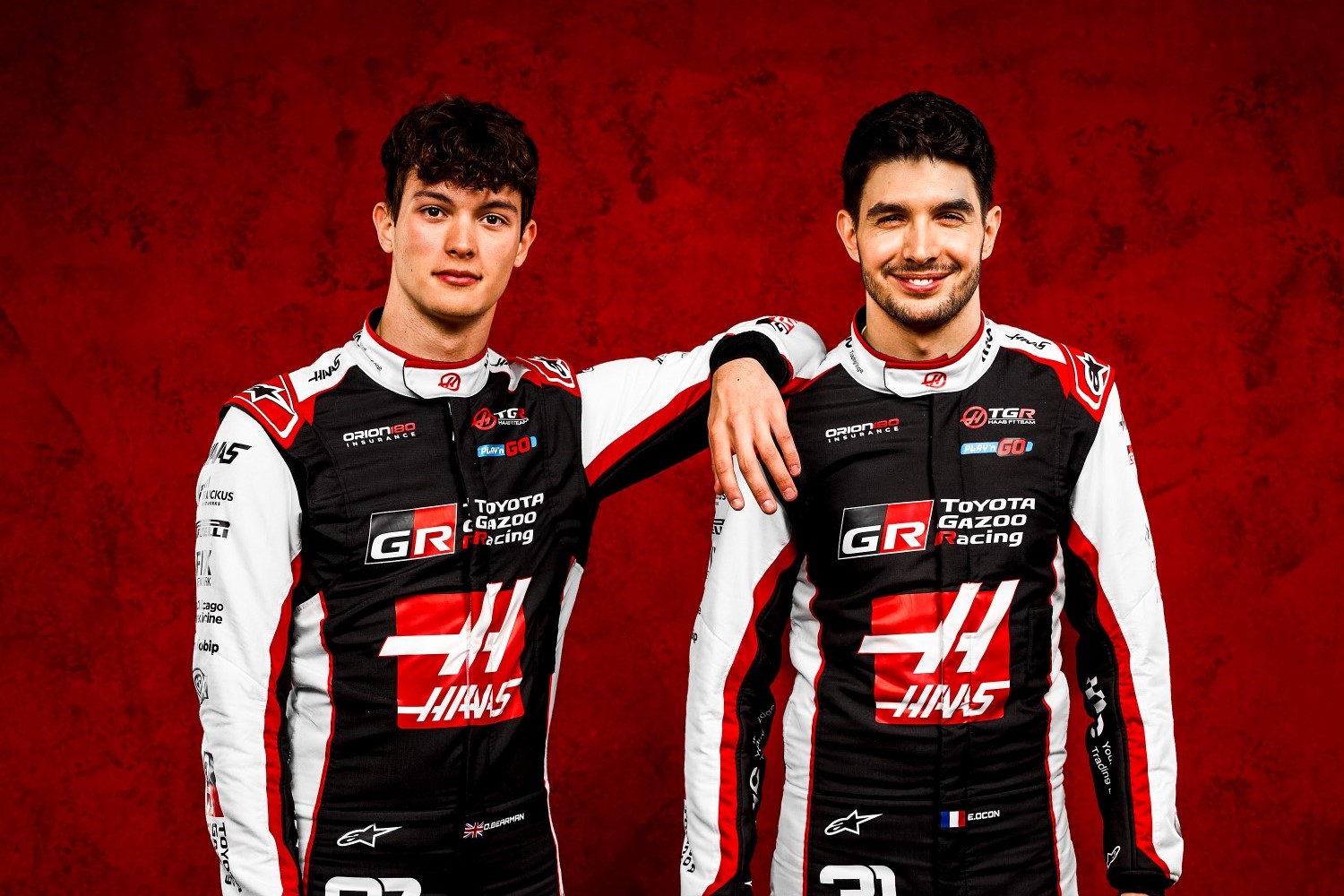
Komatsu acknowledged after Shanghai that Ocon had the pace for points but was caught out by a pit stop mistake that dropped him into a difficult position, leading to a collision with Franco Colapinto that ended his race. Operational errors happen. Two races of zero points from a senior driver while a 20-year-old teammate scores everything is a different kind of problem, and Haas knows it.
The 2026 season has handed Haas an unusual window. New regulations compressed the performance gap, the VF-26 works in race conditions, and they have one driver currently punching well above the team’s traditional weight class. They sit ahead of Red Bull in the constructors’ standings after two rounds. Whether that holds as development cycles accelerate is a separate question. Right now, the smallest team on the grid is producing some of the loudest results.