Kimi Antonelli at 19: Is Mercedes Raising the Next F1 Legend or Setting Him Up to Fail?
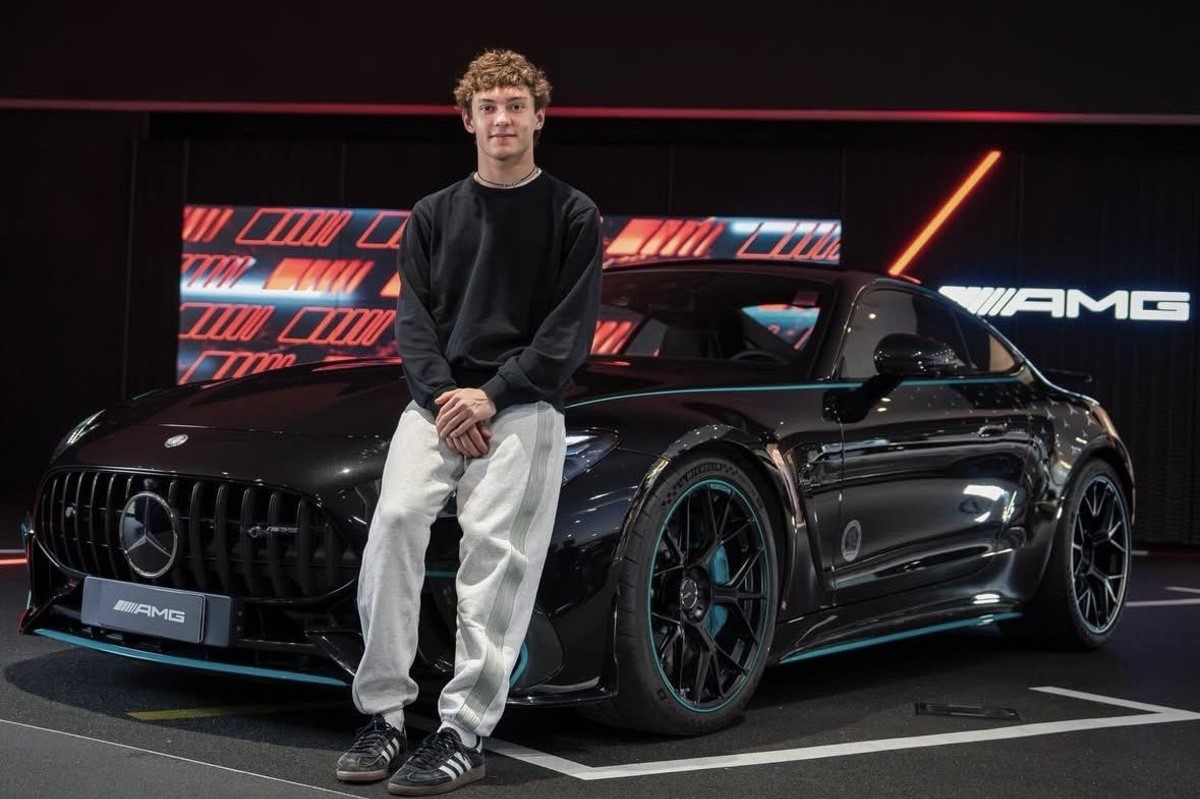
Two races into the 2026 Formula 1 season, the Italian teenager already has a record-breaking pole and a race win to his name. The question is not whether Kimi Antonelli (pictured) is talented. It’s whether the machine built around him is a launchpad or a pressure cooker.
The Kid Who Replaced a Legend
There is no soft way to say this: Andrea Kimi Antonelli was handed one of the most high-profile seats in sport when Lewis Hamilton left Mercedes for Ferrari ahead of 2025. He was 18, with zero full F1 seasons behind him. Much like the calculated bets that define high-stakes performance in any competitive arena, including the odds-driven world that Rocket Play AUS knows well, this was a wager placed with unusual conviction.
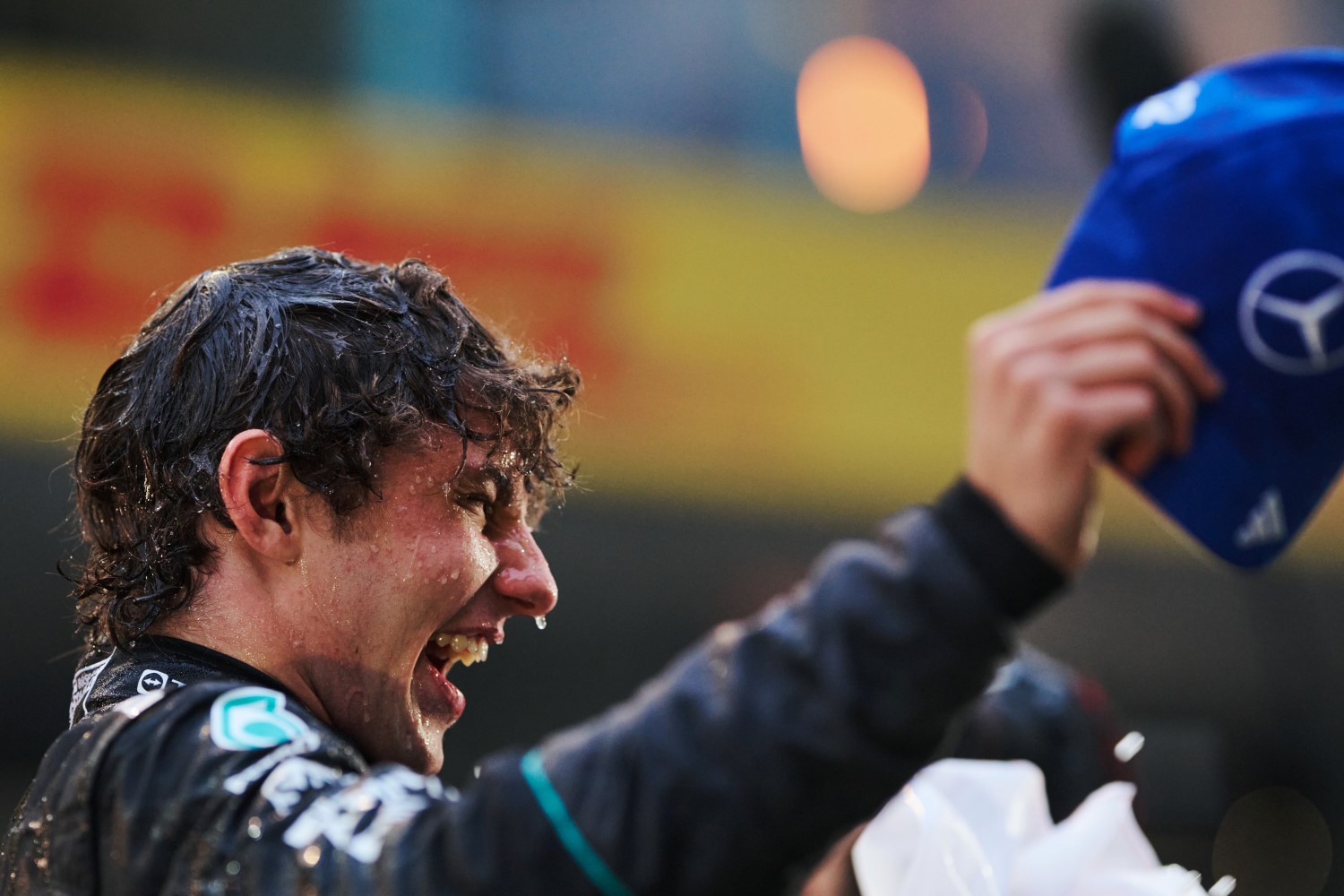
Before the praise, though, came the chaos. Antonelli’s first lap in a Mercedes at Monza in 2024 ended in a 52G barrier strike. Ten minutes in. Car destroyed. It was embarrassing, and entirely predictable for a teenager dropped in with zero margin for error. The rookie 2025 season that followed had genuine low points:
- A first-lap collision with Verstappen in Austria, earning a grid penalty at Silverstone
- A mid-season confidence crisis after a suspension upgrade he admitted left him “struggling to drive the car”
- Extended pointless stretches across seven rounds that made the whole gamble look shaky
Mercedes Technical Director James Allison suspected the Monza crash had left Antonelli approaching weekends “with a degree of caution.” The team had to actively rebuild his belief. That part rarely makes the highlights.
Then Shanghai Happened
The 2026 season opened with a mixed weekend in Australia, where a huge crash in final practice almost prevented him from qualifying, before he recovered to take second on the grid and in the race. Promising. Then China changed everything.
Antonelli became the youngest pole-sitter in Formula 1 history at the Chinese Grand Prix, finishing 0.222 seconds clear of team-mate George Russell in Q3. At 19 years, six months and 18 days old, he broke Sebastian Vettel’s record that had stood for 18 years. That is not a minor stat. Vettel won four world championships.
The race was controlled without being flawless. Antonelli lost the lead into Turn 1 to Hamilton but reclaimed the top spot the following lap and pulled away steadily. Three laps from the end, with his lead close to 10 seconds, he locked up and went off track, costing him a couple of seconds in a moment Wolff called a sign of immaturity. He still won by 5.5 seconds. At 19, he became the second-youngest race winner in F1 history.
The Genius of the Gamble
What Mercedes have done with Antonelli is not standard team strategy. The investment runs deep. Here is what the programme actually involved before he ever sat beside Russell on a race grid:
- Antonelli joined the Mercedes Junior Team in 2019, meaning six years of development before his race debut.
- He skipped FIA Formula 3 entirely, going directly from Formula 4 to Formula 2 in 2024, with Wolff clearly accelerating the timeline.
- He is the subject of a Netflix documentary, “The Seat” (2025), which documented his promotion to the senior team.
That is not how you treat an experiment. That is a succession plan.
The Risk Nobody Discusses Openly
The same environment built to develop Antonelli is also the one most likely to break him if things go wrong. He is compared to Russell every single weekend. He drives for a team with championship expectations baked in. And Italy is watching with the specific intensity that only a country without an F1 champion since Alberto Ascari in 1953 can produce.
Wolff was already flagging the danger after Shanghai. He pointed to the wave of hype building in Italy, the instant world champion headlines, and warned that none of it was helpful. The mistakes will come, he said. That kind of pressure only makes them more likely.
A team principal trying to cool a narrative while his driver stands on the top step. That is also very sound advice that almost nobody will follow.
Wolff put the season in plain terms after China: after a year of highs and lows from a teenager still learning the job, watching him convert race two into a dominant win was exactly the kind of response the team had been waiting for. Mistakes are part of the process at this age. What matters is what comes after them.
Mercedes know what they have. The rest of F1 is now asking whether they knew this quickly.