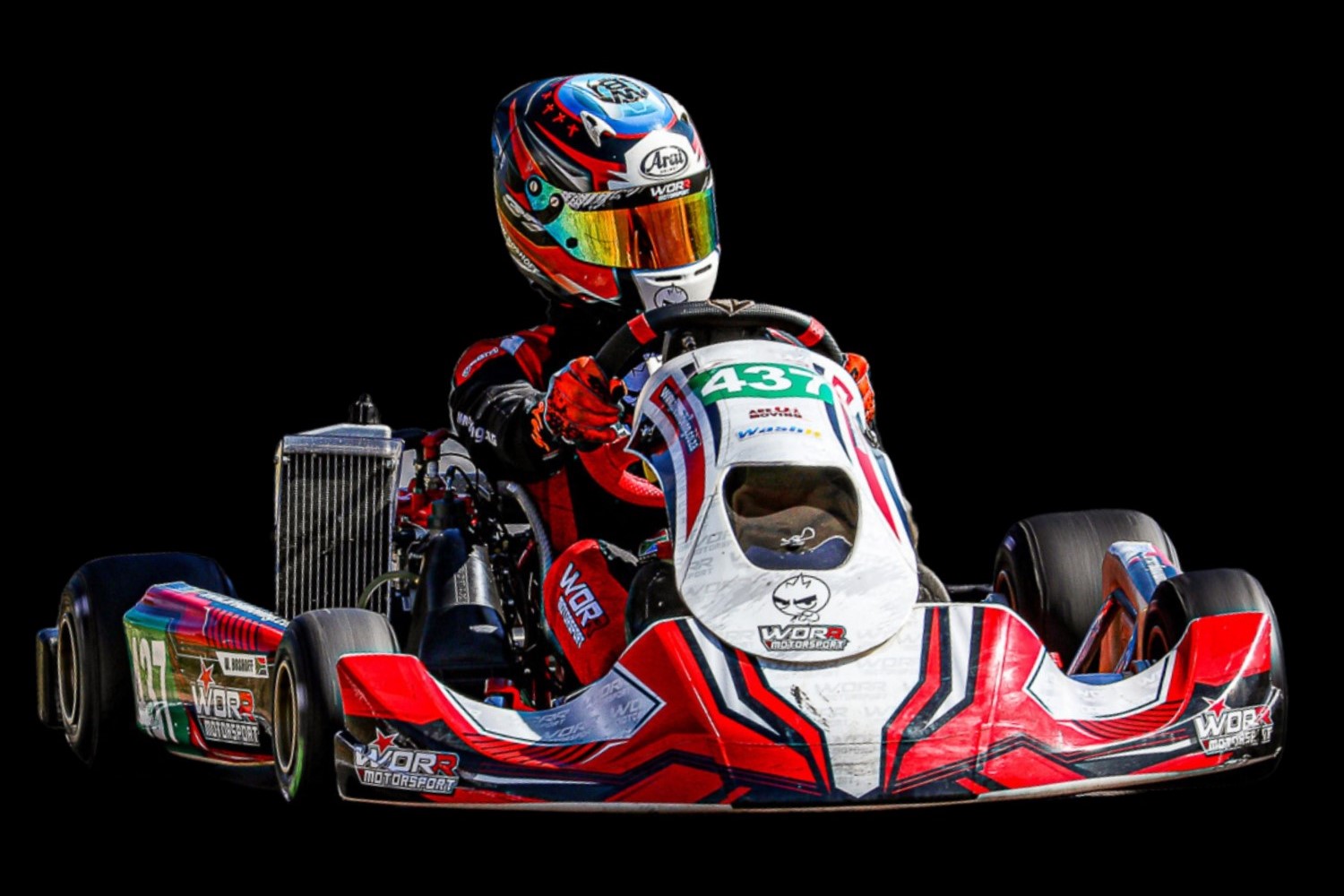
FIA Gives Full Support to WORR Motorsport’s Bid to Return Africa to Formula 1 Grid
Formula 1 has gone decades without a driver from Africa. Since Jody Scheckter stepped away in 1980, the grid has been filled by talent from Europe, South America, and, more recently, other regions, but Africa has remained missing from that top tier.
The gap has little to do with ability. The main issue has always been access. Motorsport requires early investment, structured development, and consistent competition at higher levels. Without those elements, many promising drivers never move beyond local racing. They simply run out of opportunities before reaching single-seater categories.
WORR Motorsport was created to address that exact problem. Its focus is on building a clear pathway, starting with karting and progressing step by step. With the FIA now supporting this effort, the project carries more weight and visibility than before.
Lower Costs through Local Production
One of the biggest obstacles in motorsport has always been cost. Importing karts, parts, and equipment adds a heavy financial burden, especially in regions without local manufacturing.
The partnership between WORR Motorsport and TB Kart changes that dynamic. By producing karts within Africa, the cost of entry has already dropped significantly.
Looking ahead, the aim is to reduce costs even further while maintaining international standards. This shift opens the door to more participants, especially at the entry level. It also means that young drivers can gain experience without the same financial pressure that once limited access.
At the same time, WORR’s role as a regional distributor helps expand availability. Starter-level equipment is becoming easier to access across multiple countries, allowing more people to try karting without committing to large upfront expenses.
Early Results Point to Real Progress
The structure put in place is already producing visible outcomes. The current academy group is active, and several drivers have moved on to compete internationally.
Success in recognised competitions shows that the level of training is competitive. Wins and strong performances in established karting series confirm that the gap has never been about talent; it has been about opportunity and preparation.
One of the clearest signs of progress is the move into single-seater racing. Gianna Pascoal’s step into Formula 4 marks a shift from development to advancement. It shows that the pathway is working as intended, moving drivers closer to higher categories.
Expansion Beyond a Single Country
The initial work in South Africa is now being extended to other parts of the continent. New hubs are planned to provide access to training, racing, and technical support in more locations.
These centres are designed to reduce the need for early relocation. Drivers can develop closer to home, which lowers costs and keeps support networks intact.
The expansion also includes roles beyond driving. Mechanics, engineers, and team staff are part of the same system. Building this wider structure strengthens the entire motorsport environment, not just individual careers.
Grassroots Events Widen Participation
WORR’s approach also focuses on building interest at a broader level. Public events and karting showcases introduce the sport to new audiences, many of whom would not otherwise have access to it.
Large-scale events, such as planned show runs and local competitions, increase visibility and attract younger participants. These settings allow children to experience karting directly, often for the first time.
The impact goes beyond attendance. It creates a larger pool of potential drivers and increases awareness of motorsport as a viable path. Over time, this strengthens the base from which future talent emerges.
FIA Support Adds Credibility and Direction
The FIA’s involvement changes how this effort is viewed globally. Official backing signals that the program aligns with wider motorsport development goals.
This kind of recognition can lead to further opportunities, including partnerships, funding, and access to international competitions. It also reinforces the idea that the pathway being built is connected to Formula 1’s broader structure.
After decades without representation, the direction is shifting. The process remains gradual, but the foundation is now in place. Each step, whether it’s reduced costs, new facilities, or competitive results, moves the project forward in a measurable way.
Support is key
Support is one of the main reasons athletes and teams can progress to the highest level. It gives structure, continuity, and access to the right conditions for growth. With proper backing, talent is not left to develop solely through effort. It gains coaching, equipment, visibility, and a clearer route from local competition to bigger stages.
This pattern appears across many sports, not only in motorsport. In football, for example, support from Manchester United and other influential figures around the club helped ensure having Carrick backed strongly by both the audience and the wider football world. That early confidence gave him room to work, and he responded by pushing United back toward the top of the Premier League.
Still, support becomes even more decisive in professional motorsport, where the path to the top is far more demanding. That is why the FIA’s backing matters here. Its public support for South African F1 development through WORR Motorsport signals a serious attempt to close a decades-long gap and create a route back to the Formula 1 grid.