F1’s Ticking Clock: Why the Sport Must Greenlight a Fuel Flow Boost for 2027 Now!
The 2026 Formula 1 season is barely three races old, yet the paddock is already buzzing with the same uneasy question: Is this what we signed up for?
–by Mark Cipolloni–
The new power units — hailed as a bold leap toward sustainability with their near 50/50 split between the internal combustion engine and electric energy — have instead delivered something few expected: a hybrid-heavy era where battery deployment, energy harvesting, and lift-and-coast tactics often matter more than raw driver talent. Qualifying has become a game of chess rather than a flat-out sprint. Races feel scripted by software. And the man many call the greatest of his generation is openly wondering if he still belongs in the sport.
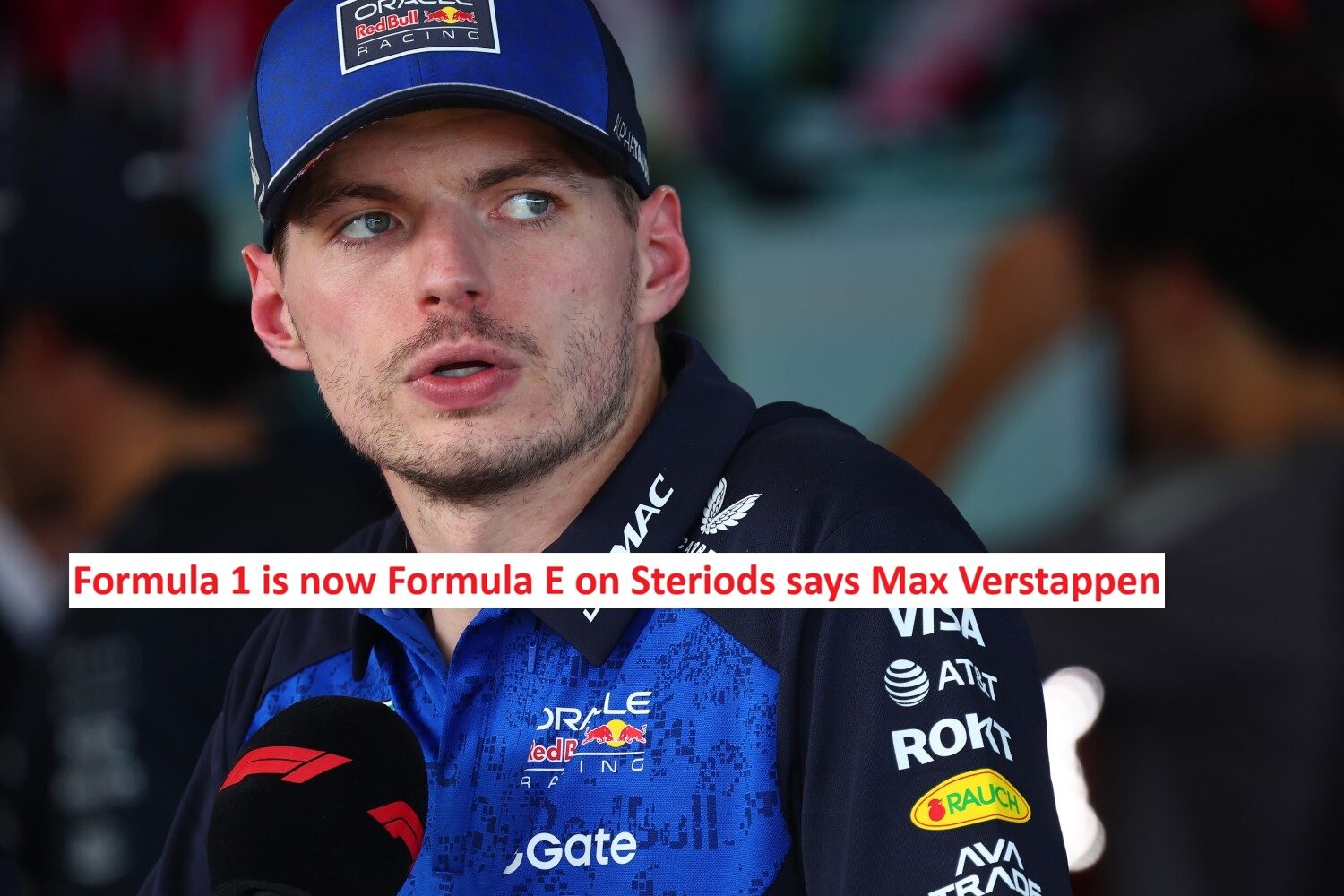
Max Verstappen didn’t mince words after the Japanese Grand Prix. When asked if he could walk away from Formula 1 at the end of 2026, the four-time champion replied bluntly: “That’s what I’m saying. I’m thinking about everything inside this paddock.”
Related Article: Formula 1 News: F1, Red Bull fear Verstappen exit as rules pressure grows
His frustration isn’t just about Red Bull’s early-season struggles. It’s about the cars themselves — machines that feel more like high-tech karts than the visceral, skill-testing beasts that made him fall in love with the sport. The heavy reliance on the MGU-K’s 350 kW electric boost has turned corners into launch pads and straight-line speed into battery-management exercises. Pure driving skill has taken a backseat to energy strategy.
But here’s the good news: there is still time to fix it.
Red Bull Racing’s team principal Laurent Mekies made that crystal clear this week. Speaking ahead of the F1 Commission meeting scheduled for April 9, Mekies urged the sport to stop tinkering with short-term patches and instead focus on meaningful regulation changes for 2027—while there’s still time to get them right.
“Personally, I think the focus should be on how to solve it properly for ’27, because we still have time to do enough if we want to address that and have flat-out qualifying for ’27,” he said. “Then, I’m sure there will be a number of more things we can do in ’27.”
One of those “more things” needs to happen immediately: an increase in fuel flow limits for the 2027 season.
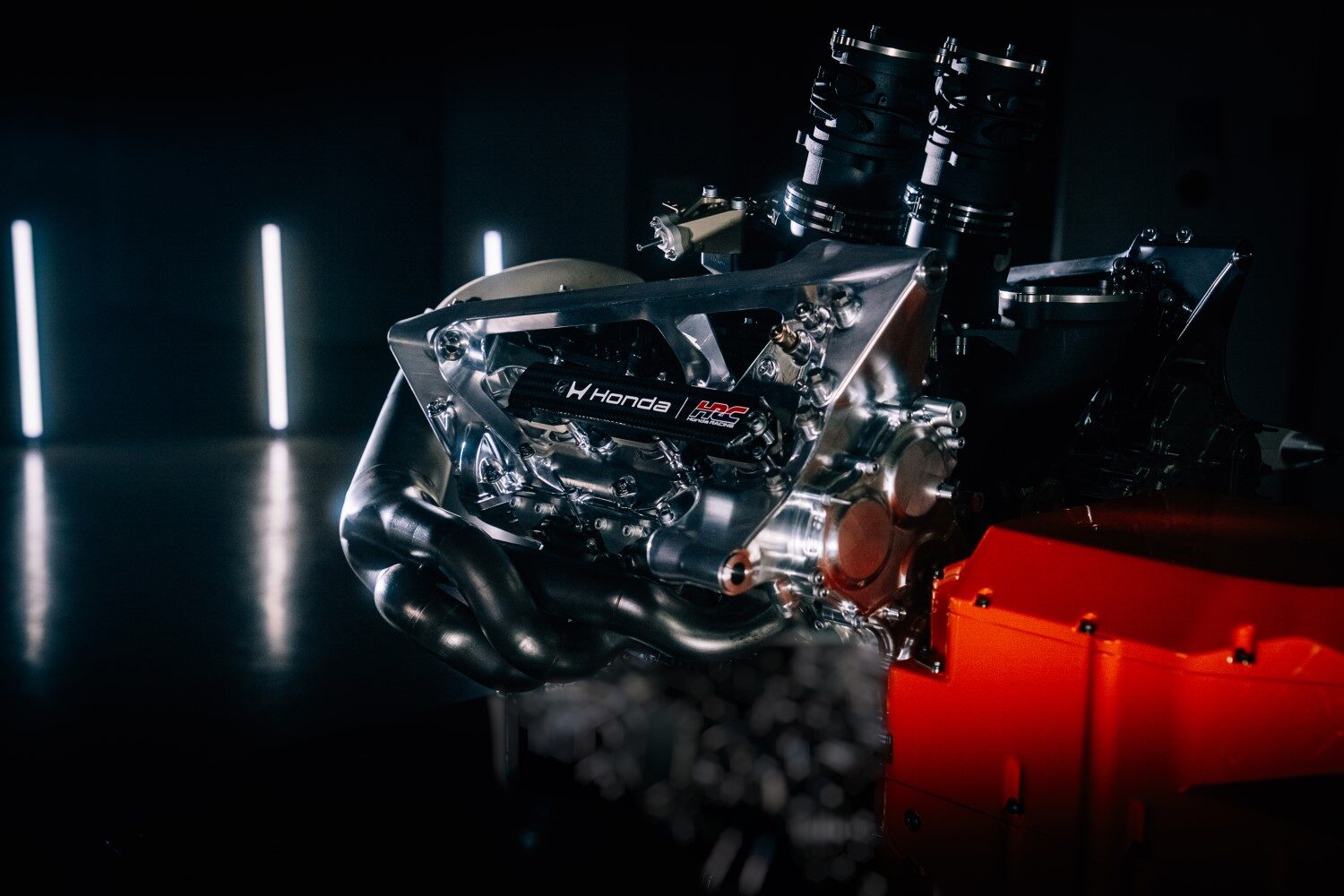
Under the current 2026 regulations, the ICE is capped at roughly 400 kW while the electric system delivers 350 kW—a deliberate near 50/50 balance designed to push sustainability. But the result has been an overdependence on battery power that has dulled the spectacle and, more importantly, diluted the driver’s role. Increasing the fuel flow rate would allow power unit manufacturers to unlock significantly more output from the 1.6-liter turbo V6, pushing the internal combustion engine back toward 70% of total horsepower while dialing the electric contribution down to 30%.
The math is straightforward and the benefits immediate. More fuel energy means more combustion power available on demand—not just when the battery is charged. Drivers would once again be the masters of their machines, rather than energy custodians. Overtaking would reward bravery and precision instead of deployment timing. Qualifying would return to the flat-out, full-throttle runs that fans crave. And the unmistakable roar of the engines—the sound that defines Formula 1—would reclaim center stage.
Ralf Schumacher, a former F1 driver with deep insider connections, has already hinted that discussions are quietly underway to shift the balance back toward the ICE, potentially landing around that 70% mark. The hardware changes required — primarily to fuel systems and mapping—could be homologated in time for 2027 if the FIA and F1 act now.
Delay is not an option. Power unit development cycles are long, and homologation rules mean any meaningful adjustment must be locked in soon. The F1 Commission has the perfect moment, right now in April 2026, to signal its intent. Approve the fuel flow increase. Give the engineers a clear target. Let the manufacturers start work on 70/30 power units that will hit the grid in 2027. Fuel tank size will need to increase and battery size shrunk.
Because if they don’t, the sport risks losing more than just exciting racing. It risks losing Max Verstappen—the driver whose sheer talent and charisma have carried Formula 1 through uncertain times. Verstappen has made it clear: he races for the thrill of pushing a car to its absolute limit, not for managing kilowatt-hours. Restore the balance, put the skill back in the hands of the drivers, and give him—and every fan who loves real racing—a reason to stay.
The clock is ticking. Red Bull has already sounded the alarm. Now it’s up to the FIA, the teams, and Formula 1’s leadership to act before the greatest driver of his era decides the future simply isn’t worth waiting for.