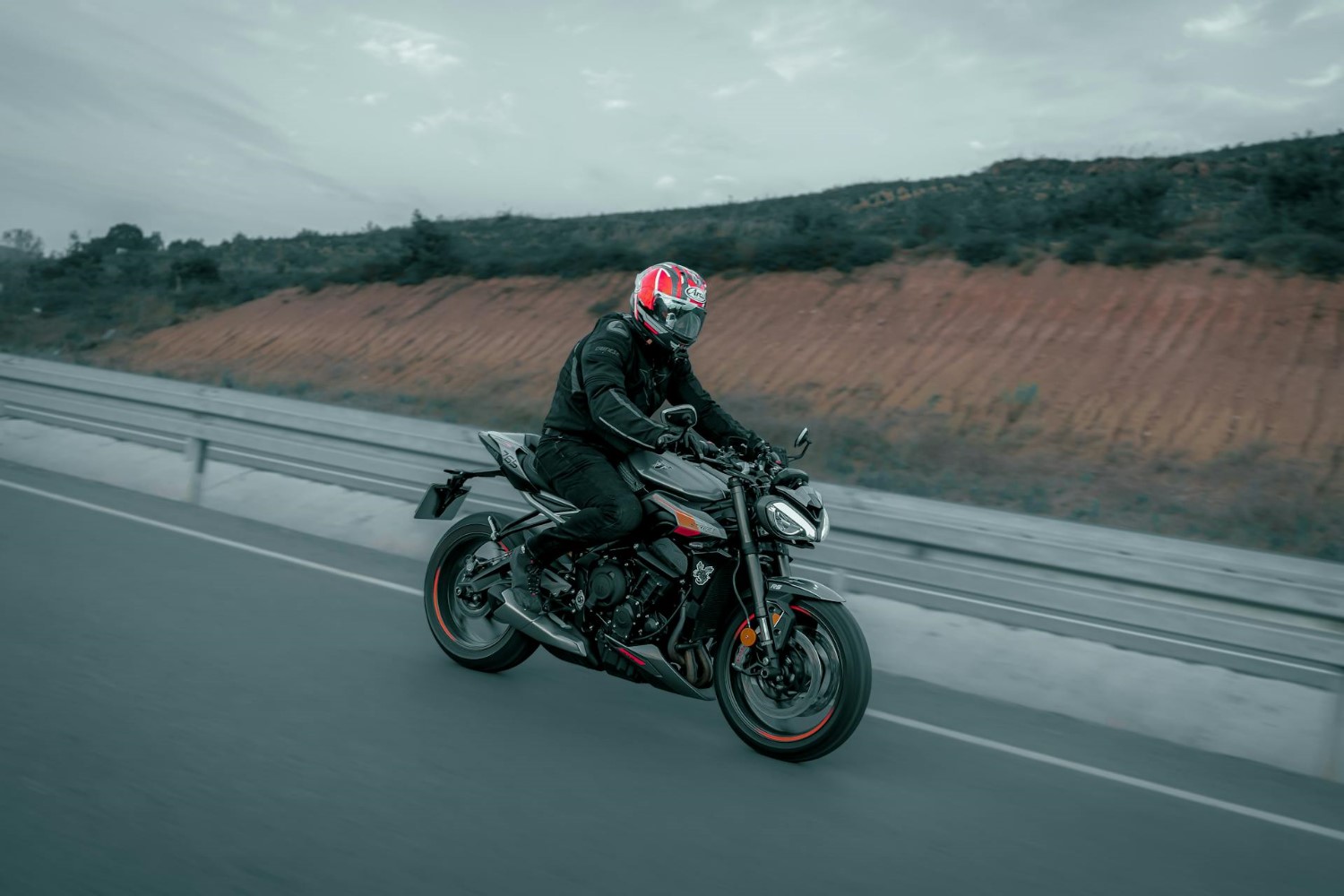
Ride Fast, Think Faster: Staying Safe on a Motorcycle
Riding a motorcycle offers a level of freedom that car drivers rarely experience. The wind hitting your face and the roar of the engine create a unique sense of adventure on every trip. Many riders feel a deep connection to the road and the surrounding environment that is lost inside a metal cabin.
Safe riding requires more than just knowing how to operate the controls. You have to stay focused and anticipate the actions of everyone else on the road at all times. Being prepared for anything helps you react quickly and avoid dangerous situations before they escalate into accidents.
Understanding The Risks On The Road
Recent data highlights why cautious behavior is so necessary for everyone on two wheels. Motorcyclists make up 21% of fatalities despite only representing 1% of total traffic. Those figures demonstrate the vulnerability of bikers in the modern traffic environment.
Those numbers show that bikers face much higher stakes than people in larger vehicles. Staying alert and following traffic laws helps reduce the likelihood of becoming part of these statistics. A single mistake can have life-altering consequences for a person without the protection of a car frame.
Training and testing are becoming more rigorous to address these safety concerns. New riders should seek out advanced courses to sharpen their skills and improve their road awareness. Continuous education allows you to stay current with new techniques and safety standards in the motorcycling sector.
Planning For The Unexpected
Visibility is one of the biggest challenges you will face when sharing the road with cars. If you are hurt, contacting a motorcycle injury compensation lawyer is often necessary when a driver fails to yield the right of way. Drivers often overlook smaller vehicles when they are changing lanes or turning at intersections.
It is your job to make yourself as visible as possible and assume that other drivers do not see you. Legal professionals help victims navigate the complex aftermath of a serious collision. Having an expert on your side provides support during the recovery process.
Staying out of blind spots is a simple way to stay safe. If you cannot see the driver in their mirror, they certainly cannot see you. Try to move through blind spots quickly or hang back until you have a clear path to pass.
Wearing The Right Protection
Quality gear serves as your only shield during a crash. A helmet is the most critical piece of equipment since it protects your brain from life-altering injuries. Investing in a high-quality helmet that meets safety standards is the best decision any rider can make.
- Full-face helmets provide the most protection for your jaw and face.
- Leather or textile jackets resist abrasion when sliding on pavement.
- Padded gloves keep your hands functional and protected.
- Boots with ankle support prevent crushing injuries during a tip-over.
Gloves and boots are often overlooked by newer riders who focus only on helmets. Sturdy footwear helps you maintain control of the bike when you are stopped or maneuvering at low speeds. Proper gear keeps you comfortable and focused even on long rides through varying terrain.
Bright colors or reflective strips make you stand out during the day and night. Wearing high-visibility gear makes it much easier for distracted drivers to spot your position. Small changes to your appearance can prevent a driver from pulling out in front of you.
Mastering Defensive Riding Skills
Defensive riding means you are always looking for an escape route. You should scan the road ahead for potholes, gravel, or oil slicks that could cause a loss of traction. Constant scanning helps you identify potential threats long before you reach them.
Maintaining a safe following distance gives you time to react to sudden stops. Three seconds of space is usually enough for most normal riding conditions and speeds. Increasing this distance in heavy traffic or poor weather provides an extra layer of safety.
Intersections are the most frequent sites for accidents involving multiple vehicles. Slowing down and applying your brakes as you approach these areas can save your life. Looking both ways twice helps you spot cars that might be turning left across your path.
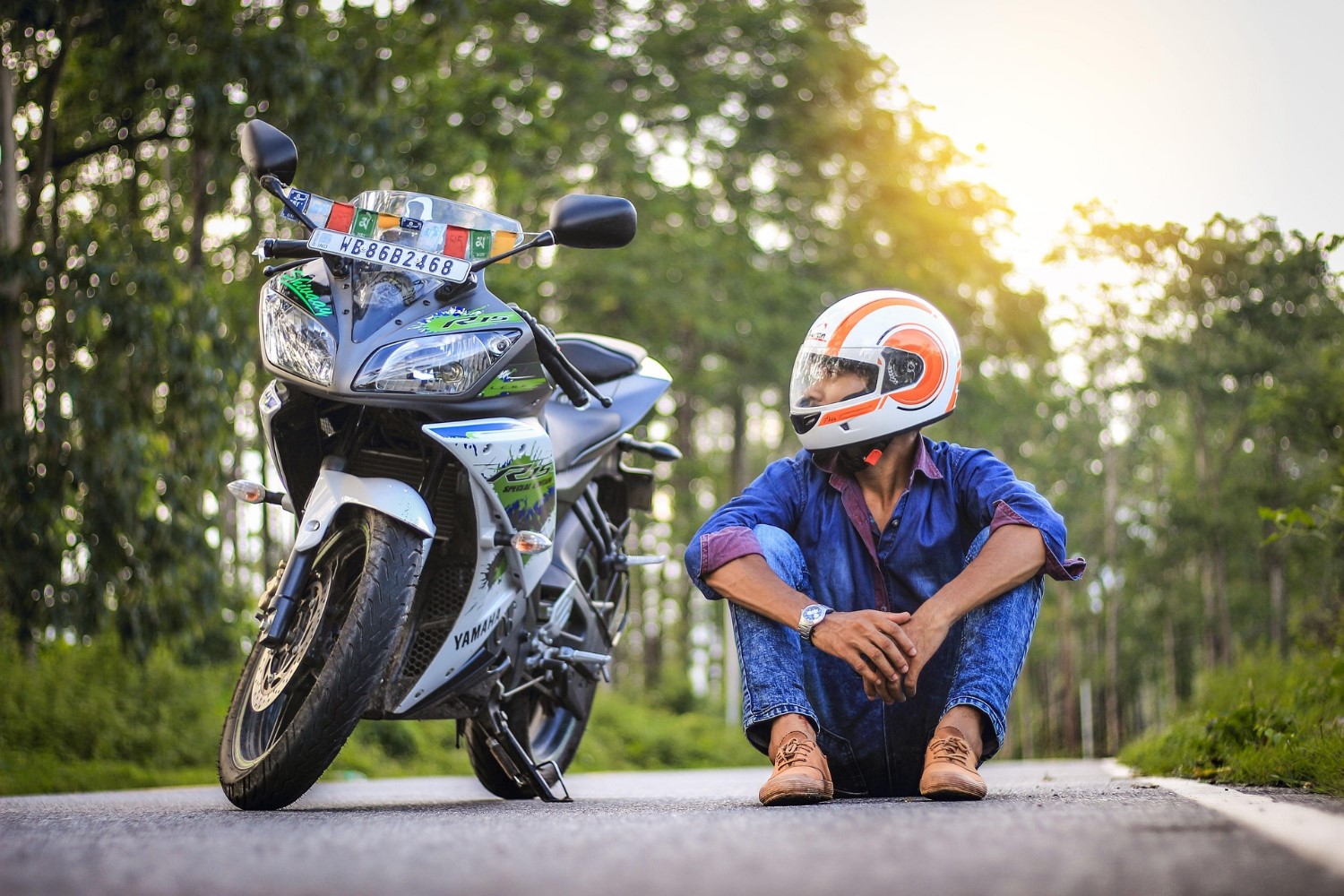
Keeping Your Bike In Top Shape
A mechanical failure at highway speeds can lead to a disastrous situation. Checking your tire pressure before every ride keeps the bike handling predictably in corners. Low tire pressure makes the bike feel heavy and sluggish during turns.
- Inspect your chain or belt for proper tension and lubrication.
- Verify that all lights and signals are working correctly.
- Look for any fluid leaks under the engine or near the brakes.
- Test your throttle to make sure it snaps back freely without sticking.
Brakes should feel firm and responsive whenever you pull the lever. If the brakes feel spongy, you might have air in the lines or worn-out pads. Keeping your braking system in peak condition is a top priority for any responsible owner.
Regular oil changes keep the engine running smoothly and prevent overheating. Following the manufacturer’s maintenance schedule extends the life of your motorcycle and keeps you safe. A well-maintained bike is more reliable and holds its value over time.
Navigating Crowded City Streets
City riding presents a different set of challenges compared to the open highway. Pedestrians, delivery trucks, and opening car doors require constant vigilance from the rider. You must keep your eyes moving to catch movement in your peripheral vision.
Watch for cues from other drivers, like head movements or tires turning. Those small signs often indicate a driver is about to move before they use a signal. Anticipating these moves allows you to adjust your speed and position safely.
Lane positioning helps you stay visible and gives you more room to maneuver. Riding in the left or right part of the lane keeps you out of the grease strip in the center. That position also gives you more space to swerve if a car suddenly enters your lane.
Staying safe on a motorcycle is a continuous learning process that never truly ends. Every mile you ride provides an opportunity to refine your skills and grow as a rider. Developing good habits early on will serve you well throughout your entire riding career.
Prioritizing safety ensures you can enjoy the thrill of the ride for many years to come. Focus on the journey and keep your eyes on the road ahead. Your commitment to safety makes the road a better place for everyone.