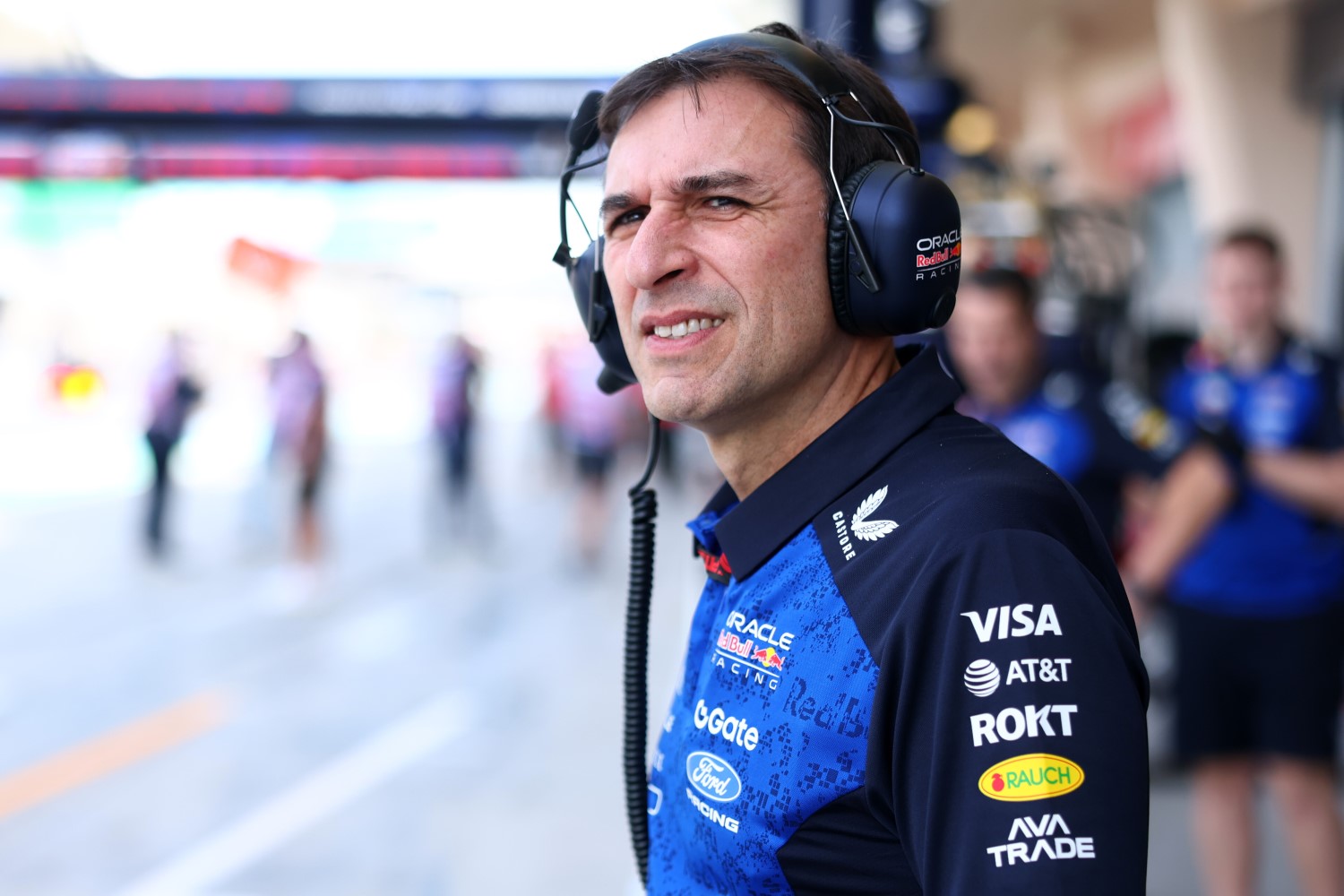
Formula 1 Rumor: Red Bull’s Waché on the Brink After Two Years of Underwhelming Cars

As the 2026 Formula 1 season enters its early stages, the spotlight is firmly on Pierre Waché, Red Bull Racing’s Technical Director. Once a key figure in the team’s dominant era alongside Adrian Newey, Waché now finds himself squarely responsible for a chassis program that has delivered back-to-back seasons of disappointment.
–by Mark Cipolloni–
With the RB22 struggling in the midfield — even slipping behind Alpine after just three races — all eyes turn to the extensive upgrade package planned for the Miami Grand Prix in early May. Sources close to the team indicate this could be Waché’s last stand: deliver meaningful gains, or his days at Milton Keynes may well be numbered.
Waché, a French engineer with a PhD in fluid mechanics, joined Red Bull in 2013 and rose to Technical Director in 2018. He played a significant role in the ground-effect era successes that produced multiple titles. But the post-Newey landscape has exposed vulnerabilities.
“For me, the shoes are too big for him,” Ralf Schumacher said on Sky Deutschland.
However, despite the sacking rumors, the German does not see outright dismissal as the immediate solution.
“I wouldn’t say that he should be completely replaced from the team. I think they need to look at bringing in someone. Good people, either experienced or young people.”
The 2025 RB21 — the first car designed without Newey’s direct foundational input — started the season with glaring weaknesses. Max Verstappen’s brilliance masked the deficiencies for a time, and late-season improvements helped salvage some pride, yet the car ultimately cost the Dutchman a fifth world title as Red Bull finished a distant third in the constructors’ championship.
Fast-forward to 2026 and the all-new regulations. The RB22 has been a clear step backward. Early-season data shows the team languishing in sixth place in the constructors’ standings with just 16 points after races in Australia, China, and Japan. Verstappen sits ninth in the drivers’ championship with 12 points, while teammate Isack Hadjar trails even further.
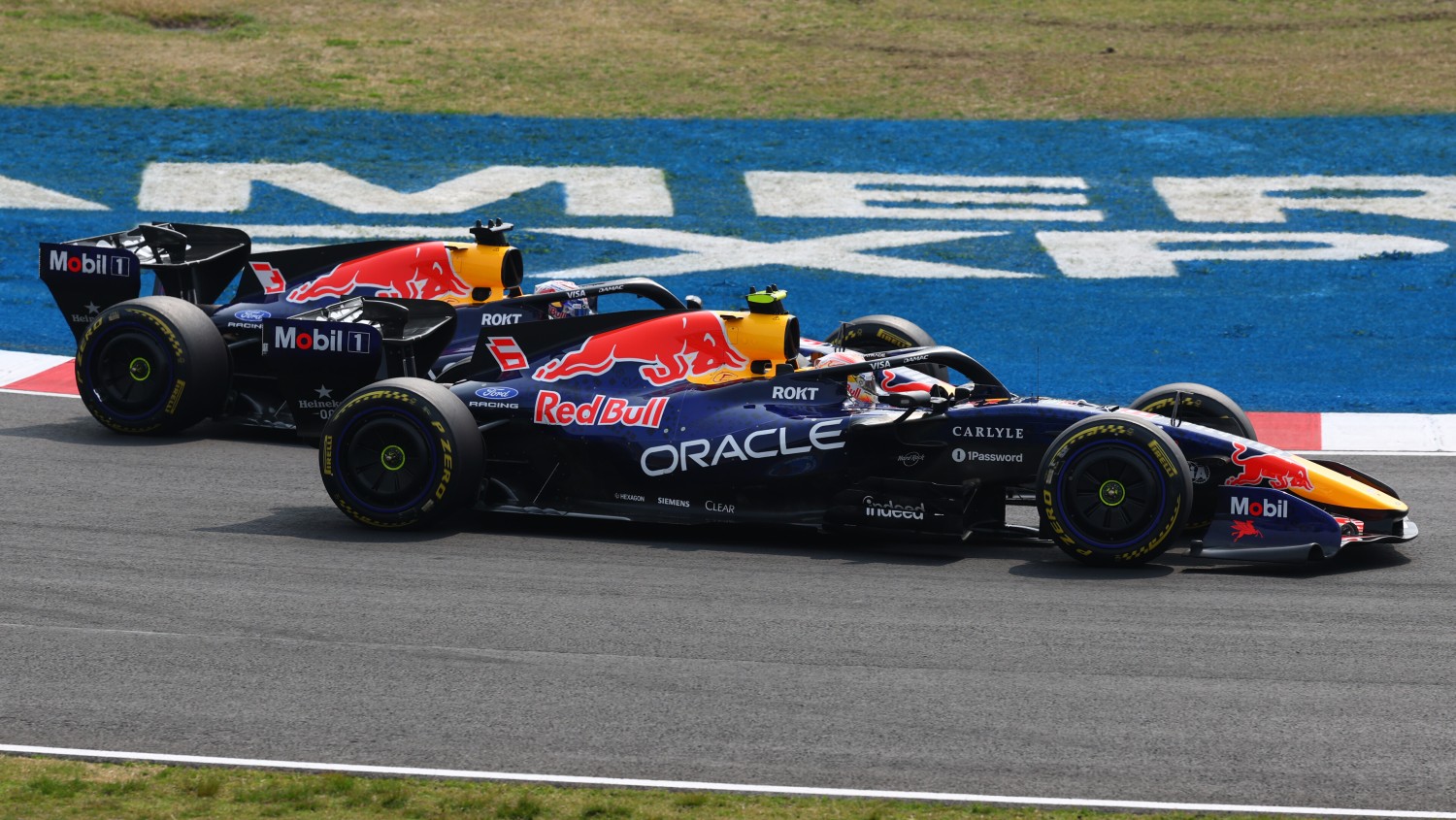
Chassis issues — poor traction in low- and medium-speed corners, a narrow operating window, and persistent correlation problems between wind tunnel, simulator, and track — have been the primary culprits. While the in-house Red Bull Ford powertrain has shown promise, the chassis remains the Achilles’ heel.
Waché himself has publicly downplayed the risk of repeating past correlation woes, citing the shift back toward more traditional aerodynamics, but results on track tell a different story.
Internal unrest has compounded the pressure. Reports of significant disagreements over working methods and technical direction, contributing to high-profile exits including chief designer Craig Skinner before the season even began. Staff dissatisfaction is running high, and Red Bull — a team that prides itself on ruthless efficiency — cannot afford further talent drain.
Waché’s position, despite a contract extension through 2028 signed in 2024, grows more precarious by the day.
Red Bull’s struggles appear to be rooted primarily in the chassis rather than the new in-house engine developed with Ford.
According to multiple reports, the car is more than a second off the pace – with roughly eight-tenths attributed to chassis deficiencies and only a small portion to the power unit.
The RB22 is also reportedly overweight and plagued by severe balance issues, swinging unpredictably between understeer and oversteer.
“The car was virtually undrivable,” Max Verstappen said after Suzuka.
New upgrades introduced in Japan – including revised underbody and sidepods – failed to improve performance, underlining the scale of the problem.
“There are several problems we still need to sort out. You don’t really want to go through a phase like this,” admitted team boss Laurent Mekies.
“I don’t think we should expect miracles in terms of reducing the gap, because it’s considerable.”
Verstappen’s new teammate Isack Hadjar was even more blunt.
“The car was truly undrivable – it was even dangerous,” he told Canal Plus, adding that morale within the team has also taken a hit.
“It’s not good. Everyone is working hard to understand what’s going on. Hopefully, the next version of the car will really make a difference.”
Schumacher believes the situation reflects deeper issues.
“Now Red Bull urgently needs to fill this gap. Because obviously the car is a disaster. How often have we seen Max Verstappen off the track now? That never happened before.
“I think there’s something seriously wrong behind the scenes.”
Indeed, internal tensions have reportedly surfaced following the departure of key figures, while sister team Racing Bulls has emerged as an uncomfortable benchmark – sitting just two points behind in the standings.
Red Bull is banking on a major upgrade package arriving in Miami — described as “extensive” and focused on aerodynamic stability, weight reduction, and widening the car’s operating window. The team has prioritized these fixes in parallel, acknowledging the interdependent nature of the problems. Technical analysts have highlighted that success here is non-negotiable if Red Bull hopes to escape the midfield and rejoin the fight at the front.
If Miami Flops: The End of the Waché Era?
Should the Miami upgrades fail to deliver the expected leap — or worse, prove another step sideways — the writing on the wall will be impossible to ignore. Insiders already whisper that Waché has “lost the trust of his employees.” A high-profile flop in front of the global audience at Miami would likely accelerate what many see as inevitable: a swift exit for the Frenchman.
Picture the scene: post-race debriefs in the Red Bull garage turn tense. Christian Horner, never one to shy away from tough calls (as seen in past internal shake-ups), convenes emergency meetings in Milton Keynes. The narrative shifts from “technical challenges” to “accountability.” Speculation will immediately swirl about potential successors — perhaps a raid from rival teams or an internal promotion — while Ferrari and others quietly circle, sensing opportunity. Waché, once the amiable face of Red Bull’s technical continuity, becomes the scapegoat for two seasons of unfulfilled promise. His legacy, built on ground-effect mastery under Newey’s shadow, risks being defined instead by the RB21 and RB22 missteps.
Red Bull cannot afford another year of mediocrity. With new regulations shaking up the order and rivals like Mercedes, McLaren, and Ferrari showing stronger early form, the pressure is existential. Waché’s fate now hinges on the streets of Miami in May. Deliver the goods, and he buys himself breathing room. Fall short, and the story of Pierre Waché at Red Bull Racing will likely end not with a bang, but with a quiet, inevitable departure — another casualty in the relentless pursuit of championship glory.
The Miami Grand Prix upgrade isn’t just about car performance. It’s a referendum on leadership, vision, and whether Red Bull’s post-Newey era can still produce winners. For Pierre Waché, the clock is ticking.