Formula 1 News: O’Ward now has zero interest racing F1’s new Frankenstein Cars
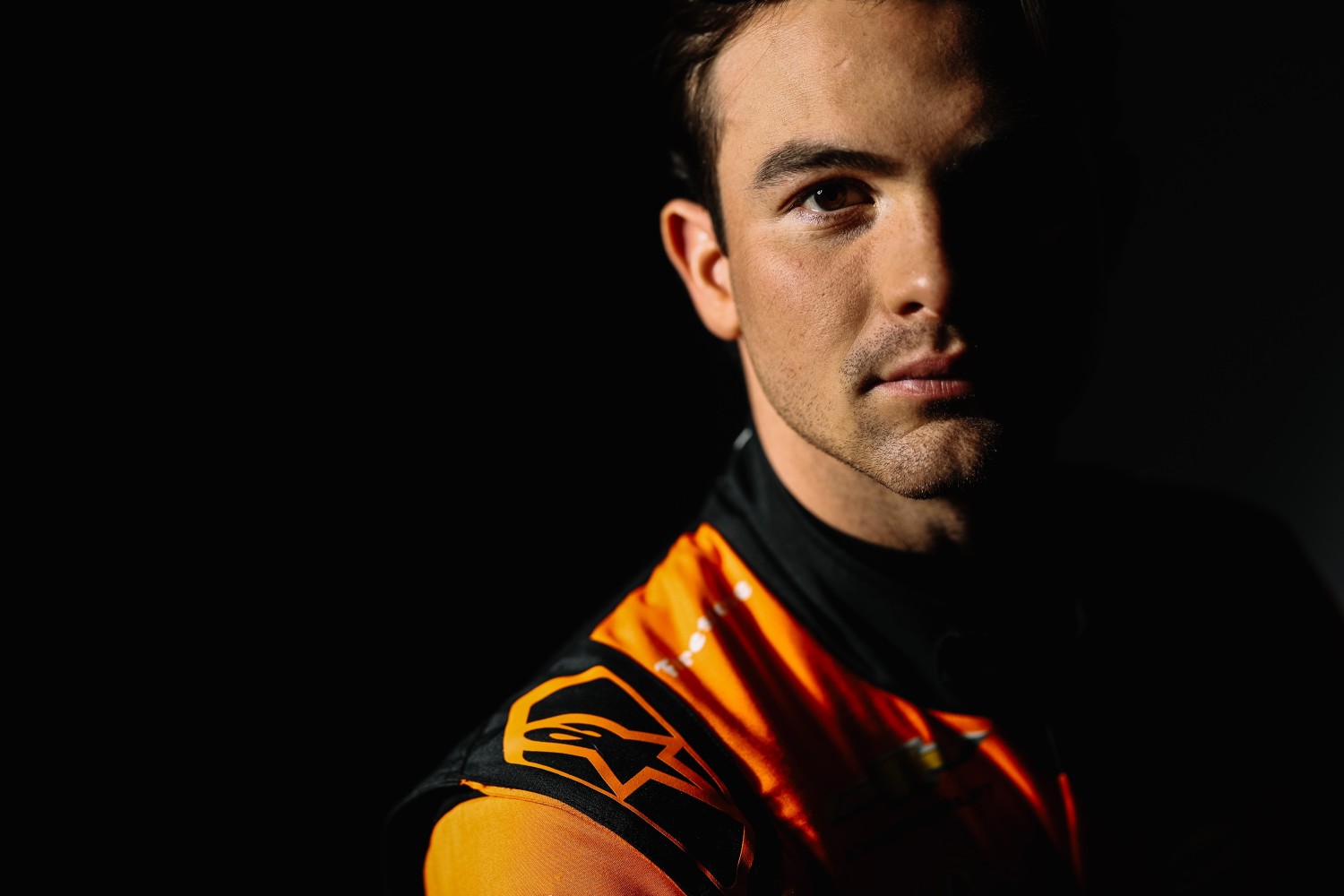
Pato O’Ward (pictured) has spent years chasing a Formula 1 dream while building a stellar career in IndyCar. As Arrow McLaren’s star driver and the team’s long-serving F1 reserve, the Mexican has completed multiple FP1 sessions, tested at Abu Dhabi, and stayed deeply connected to McLaren’s Formula 1 program.
–by Mark Cipolloni–
Yet in April 2026, O’Ward delivered a blunt verdict: he has “zero desire” to race in F1 once the radical 2026 regulations arrive. The new cars, which he and others have likened to artificial creations loaded with electronic aids, no longer appeal to the driver who once saw F1 machinery as the pinnacle of pure racing.
In a wide-ranging interview, O’Ward pulled no punches.
“Every year it has changed more… honestly, the new Formula 1 cars — what the series has done has been a mistake,” he said. “The truth is, when you look at them, they are artificial. The hunger I had to get to Formula 1 wasn’t for fame or money… it was because the cars were something impressive.”
He zeroed in on the power-unit changes and overtaking systems that dominate the 2026 rules. The regulations call for a near 50/50 split between combustion and electrical power, with heavy emphasis on battery harvesting and “super clipping” modes that deliver instant, driver-activated boosts. O’Ward compared the result to a video game:
“You don’t want to be flipping a switch to say, ‘Oh, I’m going to press it to pass him artificially.’ It’s not Mario Kart; we’re racing here. Honestly, I have zero desire to be part of that.”
The 26-year-old went further, declaring that IndyCar now represents “the best series for a driver who wants to race” while F1 has morphed into “an artificial show” that no longer grabs his attention.
O’Ward’s comments arrive at a telling moment. McLaren confirmed in January 2026 that he will continue as one of its two official F1 reserve drivers alongside reigning F2 champion Leonardo Fornaroli. He remains embedded in the team’s simulator and development work, yet he has drawn a firm line: reserve duties are fine; a full-time seat under the new rules is not.
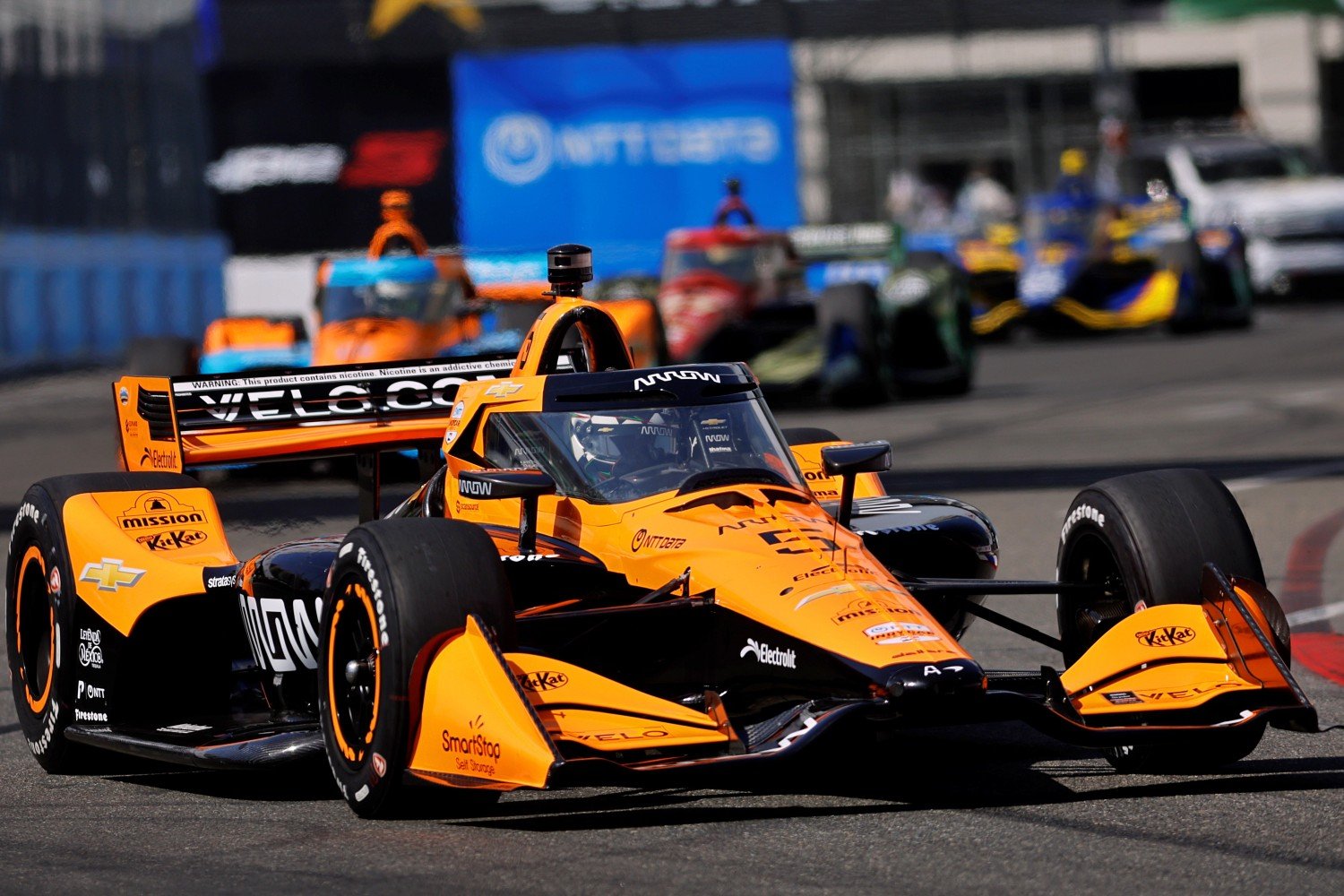
His stance stands in contrast to former IndyCar rival Colton Herta, who is actively chasing an F1 super license through Formula 2 and Cadillac reserve duties. O’Ward, by comparison, appears content to stay stateside, where he has delivered podiums, consistent top finishes, and genuine wheel-to-wheel racing without push-to-pass buttons or scripted boosts.
Criticism of the 2026 regulations is not isolated to O’Ward. Multiple drivers and former champions have voiced concerns about the heavier reliance on electric power, complex energy-management systems, and smaller, aero-heavy cars that could reduce raw driver skill in favor of strategic button-pushing. The “Frankenstein” label—evoking a car stitched together from hybrid tech, active aero, and overtaking aids—captures the sentiment shared by those who fear F1 is prioritizing spectacle over substance.
For O’Ward the decision feels personal. He grew up idolizing the visceral, mechanical monsters of earlier F1 eras. The prospect of piloting what he sees as an electronically assisted hybrid no longer ignites that same passion. “I feel that right now, today, this is the best series for a driver who wants to race, here, in IndyCar,” he said.
Whether the 2026 cars ultimately deliver thrilling racing or prove O’Ward right remains to be seen. What is clear today is that one of IndyCar’s brightest talents—and McLaren’s most visible American-linked prospect—has officially walked away from the F1 dream. For fans who value old-school racing purity, O’Ward’s choice may feel less like a loss for Formula 1 and more like a win for IndyCar.
Related Article: Formula 1 News: Video explaining how Frankenstein Cars have ruined Formula 1