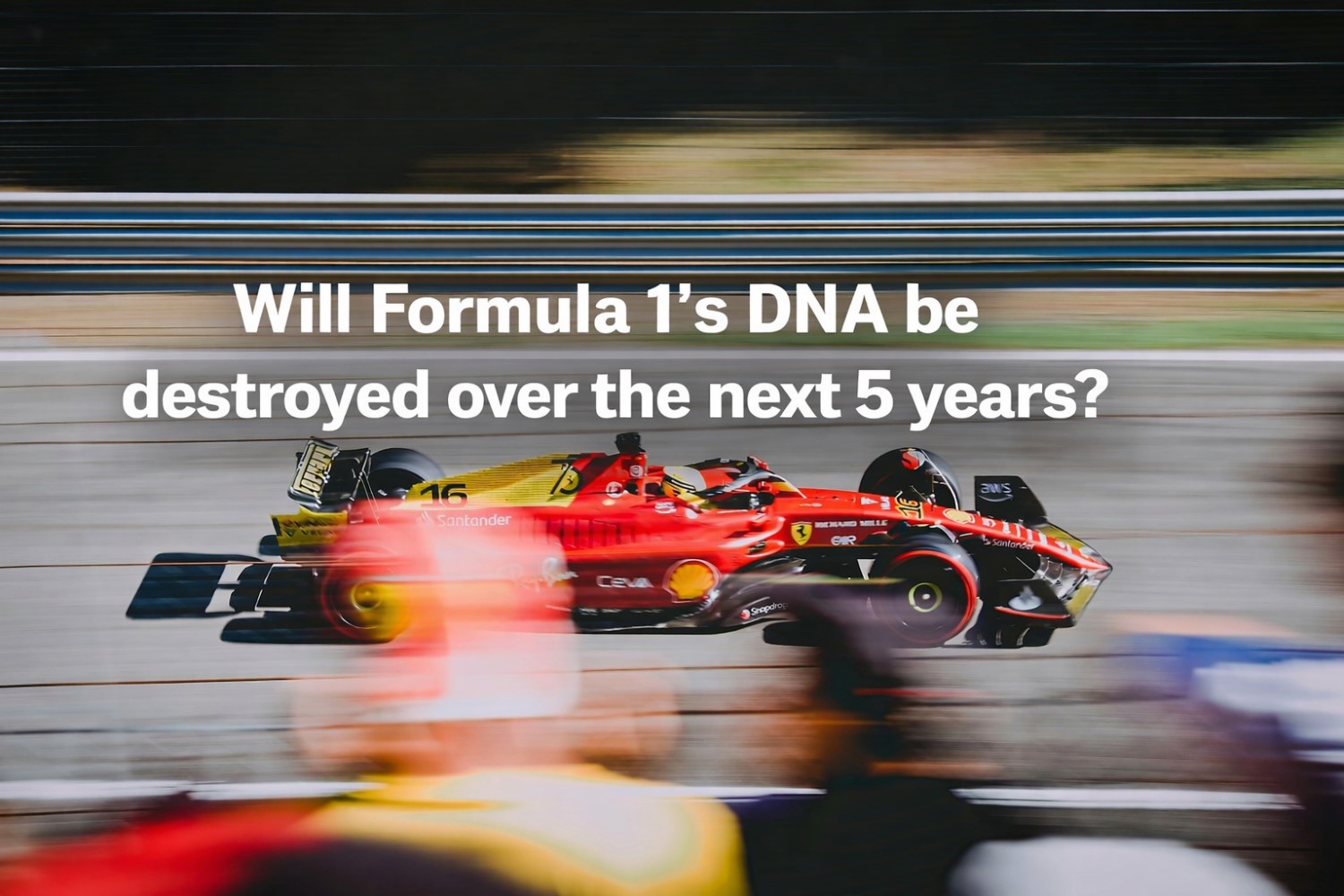
Formula 1 Editorial: Will Formula 1’s DNA be lost after this 5-year Regulation cycle?
The 2026 regulations (good for 5 years) were supposed to usher in a bold new era of sustainability, closer racing, and manufacturer appeal. Instead, they’ve delivered what critics inside and outside the paddock have long warned about: Frankenstein cars. And after the latest round of emergency “band-aid” fixes rushed through ahead of the Miami Grand Prix, even the most optimistic voices in the sport are starting to ask the uncomfortable question: when this five-year regulatory cycle ends, will there be anything recognizable left of Formula 1?
–by Mark Cipolloni–
Former Formula 1 driver David Coulthard, never one to mince words, has put it bluntly. The Sky Sports pundit warned that F1 risks losing its DNA and its fanbase by the time this cycle is over. The danger, he says, is real: drivers are being turned into battery managers rather than racers, and the spectacle that built this sport is being sacrificed on the altar of virtue-signaling engineering.
Just days ago, following an April 20 stakeholder meeting, the FIA and Formula 1 confirmed a package of mid-season tweaks to the 2026 rules. Reduced maximum energy harvesting. Higher peak “superclip” power. Limits on boost usage in races. A maximum superclip duration slashed to just 2-4 seconds per lap. An automatic system to stop dangerously slow race starts. Adjustments for wet conditions. All aimed at “reducing excessive closing speeds while maintaining overtaking opportunities.”
It sounds technical. It is technical. And that’s precisely the problem.
Senior ESPN F1 writer Nate Saunders captured the reaction perfectly: “Reading these bullet points is absolutely mystifying. So complicated. This is the best example that exists on how flawed these new regulations are. How F1 and the FIA allowed themselves to arrive at this set of rules is baffling.”
Former McLaren and Renault aero design engineer Mark Lane was even more scathing: “There are too many holes in this dike. The powers that be need to heed the writing on the wall and organize some V8 or V10 power before the whole house of cards falls down around their virtue signaling ears.”
These are not fringe voices. These are people who understand the engineering, the racing, and the soul of the sport. And they’re watching F1 tie itself in knots trying to patch a fundamentally broken concept.
The 2026 cars were always going to be controversial. Smaller and lighter, yes. But burdened with active aerodynamics, a near 50/50 split between internal combustion and electric power, and an energy management regime so complex it forces drivers to lift-and-coast on straights and stare at steering wheel displays more than the track ahead. Early testing and the first races of the season have exposed the nightmare: massive speed differentials, artificial performance gaps, and cars that feel more like video game avatars than racing machines.
AutoRacing1.com has been documenting this disaster from the beginning—from the “10 hideous things the 2026 F1 Frankenstein cars do” to the growing chorus of drivers and engineers calling them artificial and joyless. Pato O’Ward, IndyCar star, summed it up when he said he now has zero interest in racing F1’s new Frankenstein creations. Even Christian Horner’s four-year-old warning about breeding a “technical Frankenstein” has gone from mocked to prophetic.
The Miami tweaks? They’re sensible on paper, as Williams boss James Vowles and McLaren’s Andrea Stella politely noted. George Russell even suggested the extra superclip power will avoid some lift-and-coast misery. But Tobias Gruner of Auto Motor und Sport nailed it: these adjustments “can only be a first step.” Deeper fixes — like giving the combustion engine more power — may not even be possible before 2027 or 2028.
That’s the real issue. The 2026 rules were rushed through with sustainability as the headline goal and manufacturers as the target audience. The racing product was an afterthought. Now the sport is in full damage-control mode just months into the new era, layering electronic band-aids on top of a flawed foundation.
F1 has survived regulation changes before. It has reinvented itself. But this time feels different. The complexity is off the charts. The driver input is being sanitised. The visceral, instinctive racing that made legends like Senna, Schumacher, Hamilton and Verstappen is being blunted. Coulthard is right to sound the alarm: if fans start tuning out because the product no longer delivers the raw thrill they crave, the damage won’t be reversible in a single rule cycle.
The five-year window was meant to give the new regulations time to bed in and attract new manufacturers. Instead, it’s looking more like a grace period during which F1’s core identity is being slowly eroded. By the time 2030 rolls around, will the cars still feel like Formula 1? Will the racing still produce the moments that define the sport? Or will we be left with a sanitized, overly-managed, manufacturer-friendly shadow of what once was the pinnacle of motorsport?
The band-aids are in place for Miami. But the wound is deeper than that. The powers that be have been warned — by Coulthard, by drivers, by engineers, by fans, and by this website for months. The question now isn’t whether they can tweak their way out of this. It’s whether there will be anything left worth saving when the five-year cycle ends.
Formula 1’s DNA is under threat. The fanbase is watching. The clock is ticking.