How Car Owners Protect Their Vehicles with Covers at Track Days, Race Weekends, and Outdoor Events
Track days and race weekends are some of the best experiences a car enthusiast can have, but having a car cover just in case is a must. They bring a set of very real challenges that go far beyond performance on the track. Gravel parking areas, unpredictable weather, hours of sun exposure, and the general chaos of a busy event paddock can do a surprising amount of damage to a vehicle and the gear surrounding it before a single full-speed lap is turned.
The car owners who show up prepared are the ones who leave without regrets. Here is how the experienced owners handle physical protection, storage, and equipment security at track days, race weekends, and outdoor events.
Physical Protection: Shielding the Car When It Matters Most
This aspect draws the most focus, and for good reason. A car left in the paddock over an entire weekend is exposed to risks that differ significantly from those faced by a vehicle stored in a garage. Gravel thrown by passing vehicles, rubber debris from the track surface, bird droppings baking into paint in the midday heat, and unexpected rain can all cause cosmetic damage that takes time and money to undo.
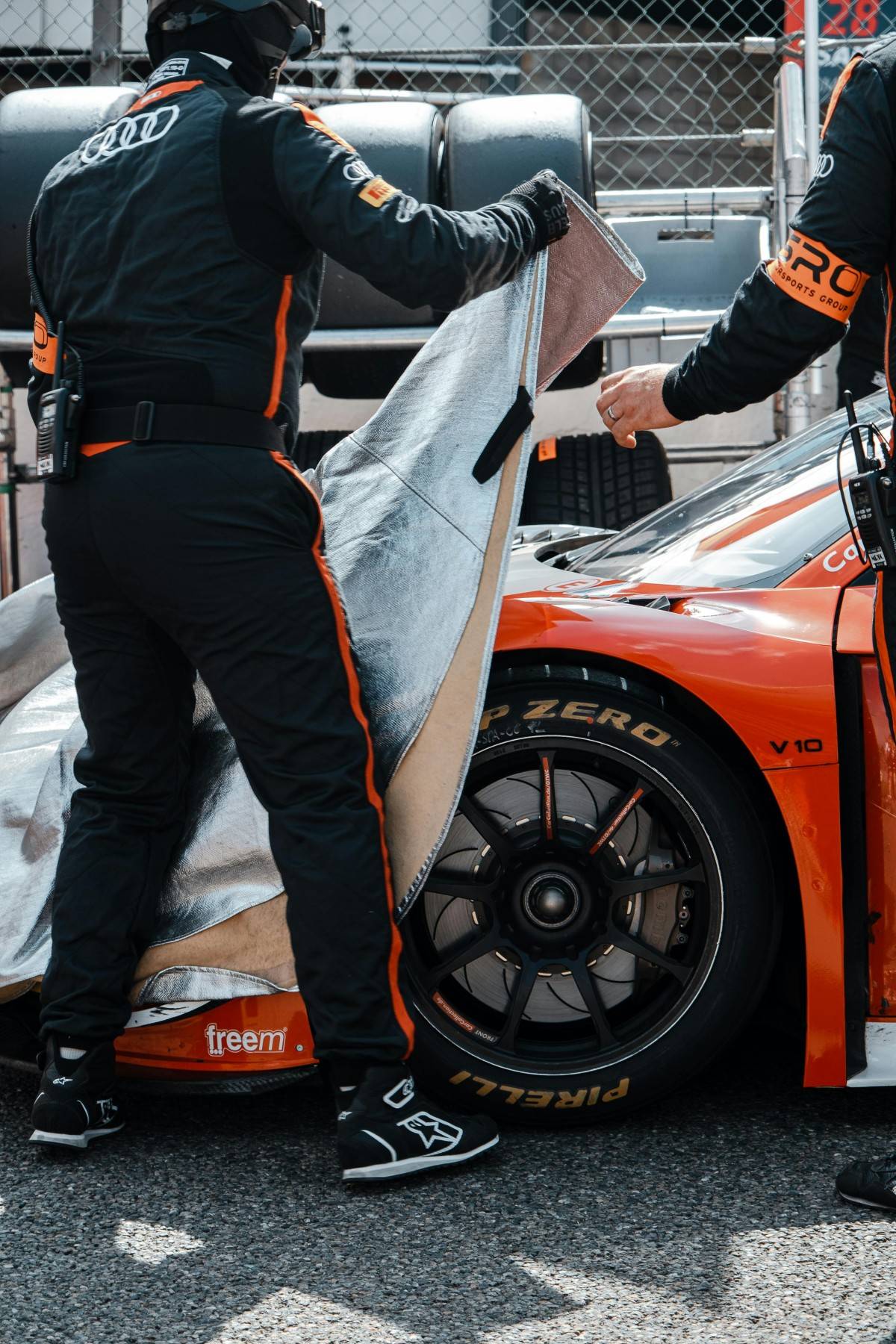
A quality car cover is one of the most practical investments a track-day regular can make. When the car is not on track, a fitted cover keeps the paint protected from UV exposure, debris, and whatever the weather decides to do. Outdoor conditions demand more from a car cover. Choose one that allows airflow to reduce moisture buildup, offers sufficient water resistance for light rain, and fits securely so wind doesn’t lift or flap it against the vehicle’s surface.
Many experienced owners opt for trusted brands like Seal Skin Covers, which are designed specifically for outdoor use, offering a balance of breathability, weather resistance, and a secure fit during multi-day events.
For truck owners who use their pickup as the support vehicle and haul everything to the event, a truck cap, sometimes called a tonneau cover or truck topper, serves double duty. It keeps the truck bed and everything in it protected from rain, sun, and prying eyes throughout the weekend. A truck cap also makes the bed a significantly more secure and weather-tight storage space, which matters when the bed is loaded with tools, spare parts, and equipment that need to stay dry and intact.
Storage Solutions: Keeping Gear Organized and Accessible
Arriving at an event with everything thrown loosely into a truck bed or trailer is a fast track to a frustrating day. Things shift in transit, tools get buried under spare parts, and finding what is needed in a hurry becomes a real problem when a car comes off track with an issue that needs quick attention.
The most organized setups tend to rely on a layered approach to storage. Here’s what it usually looks like:
- Heavy-duty stackable toolboxes or rolling tool chests that stay in the truck bed or trailer and keep tools sorted and instantly accessible
- Soft-sided gear bags for consumables like tape, fluids, rags, and smaller components that do not need a hard case
- Labeled bins or crates for spare parts, organized by system — brake components in one bin, suspension hardware in another
- A dedicated cooler or insulated bag for drinks and food that is separate from the equipment storage and easy to access without disrupting the tool setup
A truck cap turns this kind of setup from a nice idea into a practical solution. With a locked, weatherproof bed, owners can set up their storage configuration at home and arrive at the event with everything exactly where it was loaded. Nothing gets rained on during the overnight stop. Nothing walks away from an unlocked bed in a busy paddock. Many owners choose brands like PeakGear for truck caps that offer a strong build along with reliable, practical use for setups like this.
Trailers with built-in shelving and cabinet systems are popular among more serious competitors, but for weekend track enthusiasts, a well-organized truck bed under a cap covers the majority of storage needs without the added cost and towing complexity.
Securing Tools, Parts, and Equipment
Security at outdoor events is a two-part conversation. The obvious concern is theft. A busy paddock with hundreds of attendees means that unsecured, high-value tools and parts are at genuine risk, particularly overnight or during periods when everyone is focused on the track. But the less-discussed side of equipment security is preventing damage from movement, weather, and accidental contact.
On the theft prevention side, a truck cap with a locking mechanism is one of the most effective deterrents available. It keeps the entire bed contents out of sight and secured without requiring the owner to pack everything away into a trailer or carry expensive items around personally. For toolboxes mounted in the bed, a secondary lock adds another layer.
For securing items against movement and damage during transit:
- Ratchet straps keep larger items like jack stands, floor jacks, and wheel sets from shifting during the drive to the event
- Foam-lined cases protect delicate data loggers, cameras, and electronic timing equipment from vibration and impact
- Bungee nets or cargo nets in the bed keep smaller loose items contained without blocking access to what is underneath
- Wheel bags protect spare sets from road grime and keep them from rolling or stacking unevenly in the bed
The same principle applies to equipment left outside. Canopy weights, tie-downs on pop-up shelters, and keeping valuable items inside the vehicle rather than on a folding table in the open paddock are all habits the seasoned users develop quickly after one bad experience.
The Insurance Gap Regular Policies Won’t Cover
Regular auto insurance policies explicitly exclude coverage for track activities. The moment wheels cross onto the hot track during a High-Performance Driver Education (HPDE) event or track day, standard coverage ends. This leaves owners facing potentially catastrophic financial exposure if something goes wrong.
Track day insurance fills this critical gap. Virtually zero regular car insurance policies cover accidents on track, making specialized insurance the difference between a manageable deductible and a five or six-figure repair bill.
These specialized policies typically cover physical damage from collisions, including hitting tire walls, barriers, or other vehicles. Most operate on an agreed value basis, meaning owners determine their vehicle’s value upfront. In the event of total loss, they receive the full agreed amount rather than negotiating a depreciated market value.
Coverage extends to modifications as well — custom paint jobs, body kits, upgraded suspension, and performance enhancements that standard policies might not recognize. For serious enthusiasts who’ve invested tens of thousands in modifications, this protection proves invaluable.
Putting It All Together for Race Weekend
The car owners who have the smoothest track weekends are not necessarily the ones with the biggest trailers or the most gear. They’re the ones who plan in advance, deciding what they need, where it will go, and how to keep everything, including the car, protected when it’s not being used.
A good car cover for the vehicle in the paddock, a truck cap keeping the bed contents dry and secure, organized storage that makes tools and spares easy to find, and basic security habits around high-value equipment cover the vast majority of situations that come up at a track day or race weekend. There’s nothing complex about it. Most of it pays for itself the first time the weather turns, something goes missing in a nearby paddock, or a gravel shower from a passing truck would have reached the paint.
Good planning is what turns an event into a success instead of a costly mistake. Pack smart, cover what needs covering, and lock what needs locking.
Author Bio
Mark Adams is a content writer and automotive research specialist at Seal Skin Covers, specializing in vehicle and outdoor protection solutions. He focuses on helping readers safeguard their investments through practical care tips, storage advice, and product insights. With a strong interest in automobiles and vehicle maintenance, Mark enjoys exploring ways to extend the life and performance of cars, trucks, and recreational vehicles.