Red Bull-Ford 2026 Power Unit Hits Peak Testing Phase Amid Ambitious In-House Build
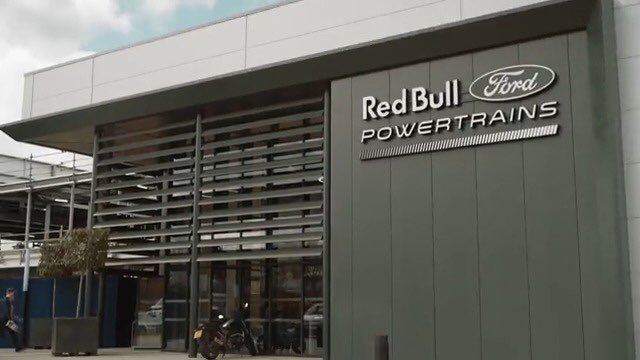
In a bold move that’s that has the Formula 1 world guessing, Red Bull Powertrains (RBPT)—in partnership with Ford—is pushing its inaugural 2026 power unit through intense “peak stress” testing on the team’s dynamometer in Milton Keynes.
–by Mark Cipolloni–
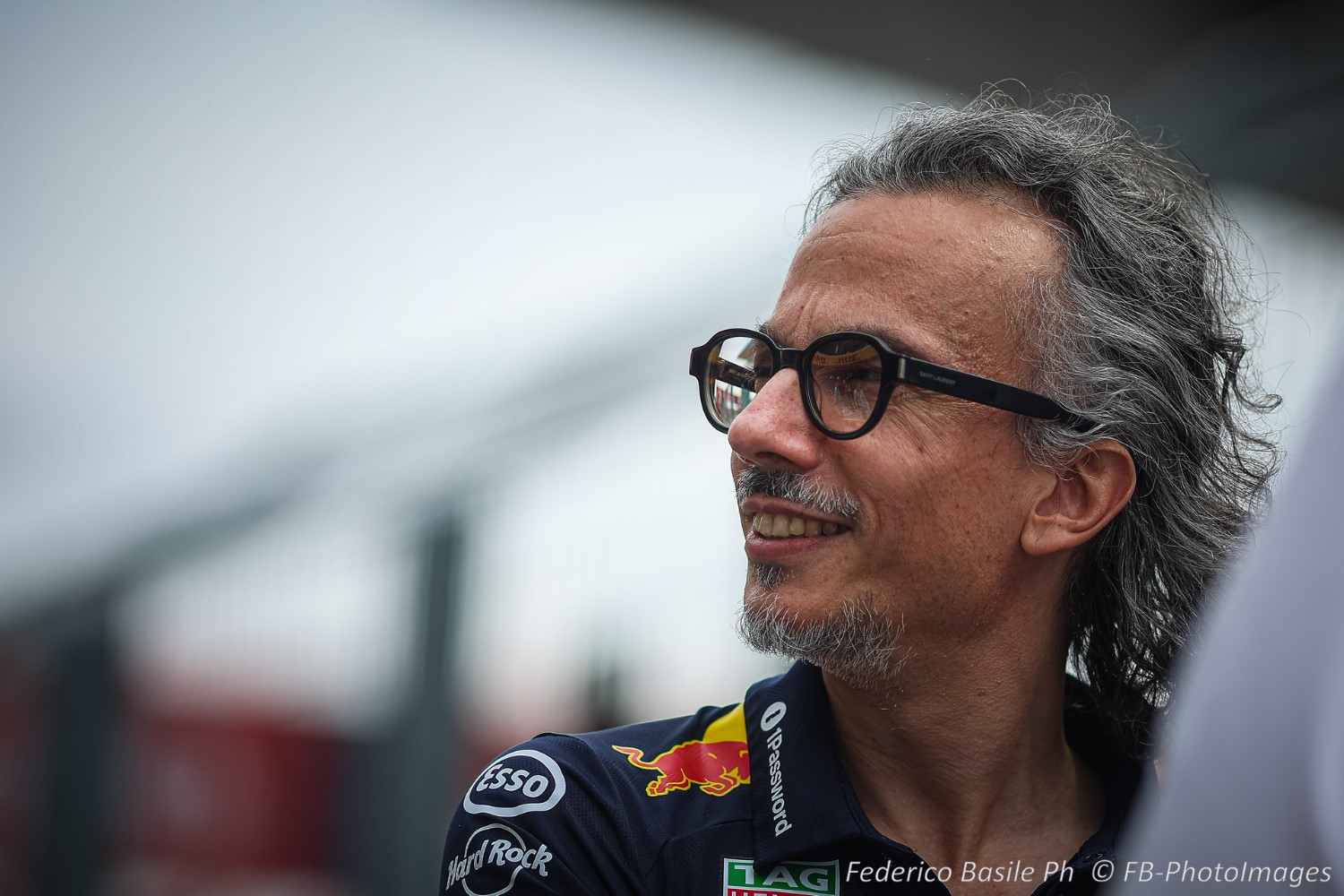
Team principal Laurent Mekies, speaking on Red Bull’s Talking Bull podcast, described the milestone as a “symbolically huge” achievement, emphasizing the sheer audacity of the project: “There is no crazier challenge than Oracle Red Bull Racing with Ford deciding to do its own engine. There is nothing as crazy as that in recent Formula 1 history. It’s typical Red Bull crazy stuff to do.”
This marks the first time Red Bull will develop and produce its own powertrain from the ground up, following the expiration of their Honda agreement at the end of 2025. The engine has been firing up on the dyno for several weeks now, with Mekies noting the thrill of hearing its roar for the first time: “Just hearing that sound is already crazy, let alone whether it’s going to be fast or not.” The team is racing against a tight timeline, aiming to have a unit ready for on-track testing by late January 2026, just ahead of the new regulations’ debut.
Under the 2026 rules, overhauled to promote sustainability and closer racing, power units will deliver over 1,000 horsepower—split roughly 50/50 between a turbocharged internal combustion engine and electric boost—with the latter component delivering three times more power (350kW) than current hybrids.
They’ll run on fully sustainable, carbon-neutral fuels, consume less than half the fuel of 2013-era engines, and face stricter durability demands: teams can only use three units per car for the entire season, making reliability paramount to avoid grid penalties. Red Bull-Ford’s unit draws heavily on Ford’s expertise in electric vehicle tech, including battery cells, electric motors, combustion development, control software, and analytics, to meet these specs.
The development hasn’t been without hurdles. Starting with zero prior engine-building infrastructure or intellectual property, RBPT has had to scale up rapidly in a 465-square-meter purpose-built factory on the Milton Keynes campus—shared with Red Bull Racing and the newly relocated Racing Bulls team.
Mekies highlighted the “peak stress moment” of ensuring the unit can reliably reach the track, while broader challenges include a development freeze on Honda-derived tech until 2023 and the shift from Red Bull’s traditional aero dominance to pure engine performance under the cost-capped regs.
To tackle this, the team recruited top talent like technical director Ben Hodgkinson and assembled a digital “stack” for simulations, design tools, and operations—though its scope ballooned two to three times beyond initial estimates, demanding quick adaptation in security, modeling, and in-house controls.
Despite the risks, optimism runs high. The power unit will supply both Red Bull Racing and its sister team, Racing Bulls (formerly VCARB), with livery reveal events planned for January in the United States—Ford’s home turf—featuring CEO Jim Farley and input from Max Verstappen on the car’s development. The partnership extends beyond F1, fueling Ford’s efforts in rally, endurance racing, and even the Dakar, while fostering talent through the Red Bull Ford Academy.
Red Bull-Ford won’t be alone in shaking up the power unit landscape for 2026. Audi enters as a full manufacturer for Sauber, while Cadillac joins the grid with Ferrari engines before switching to its own in 2028.
Alpine has pivoted from its Renault in-house program to Mercedes power, and Aston Martin will revive its Honda ties for the new era. As Mekies put it, this “crazy” endeavor could redefine Red Bull’s future, blending Ford’s electrification prowess with the team’s fearless innovation.