Formula 1 News: McLaren didn’t even bother to greet Piastri in Qatar GP Parc Fermé
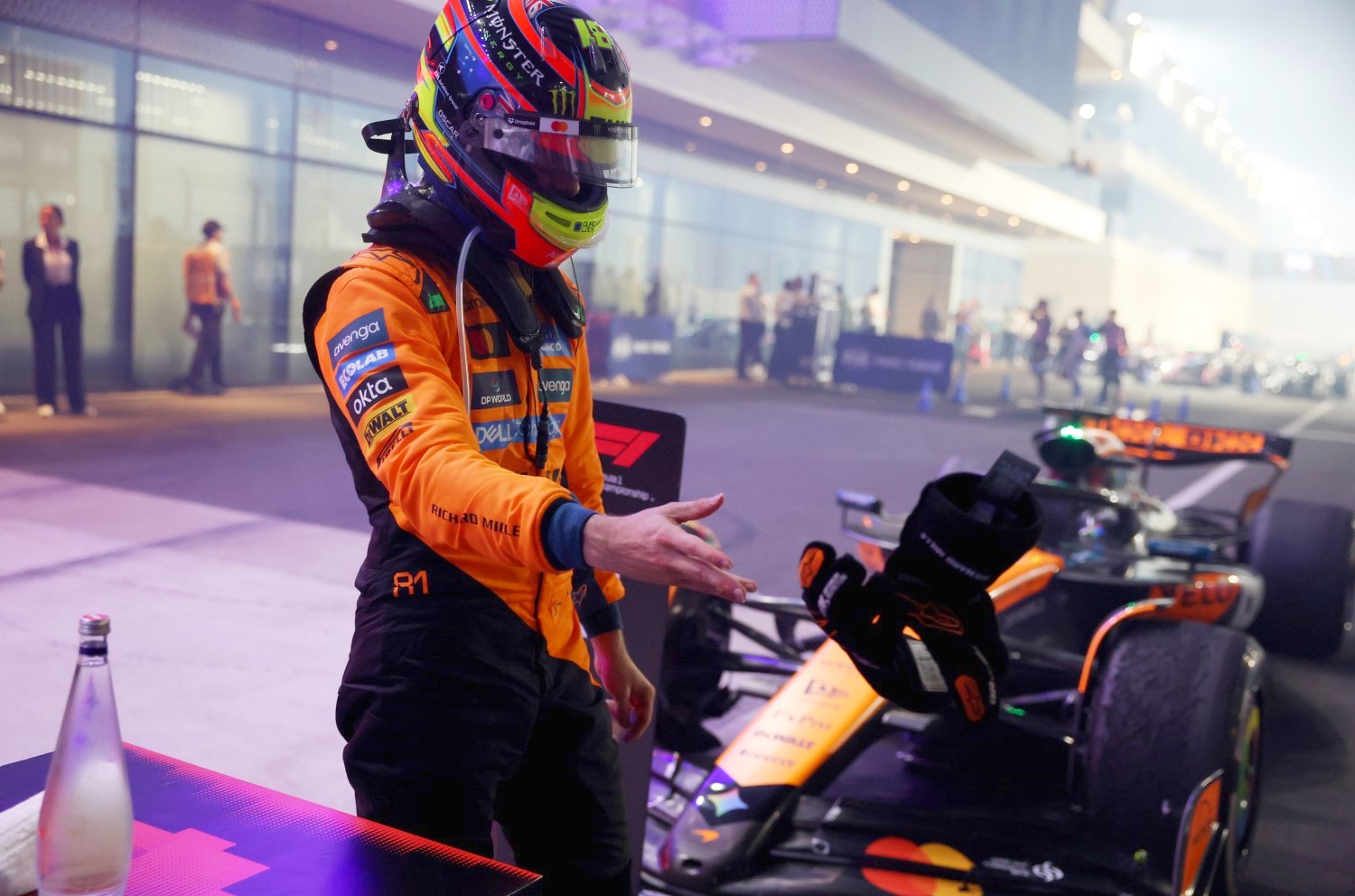
As Qatar GP 2nd place finisher Oscar Piastri (pictured) pulled into parc fermé—a ritual space for drivers to cool down and greet their crews after the race—he was met with an empty embrace from his own team.
–by Mark Cipolloni–
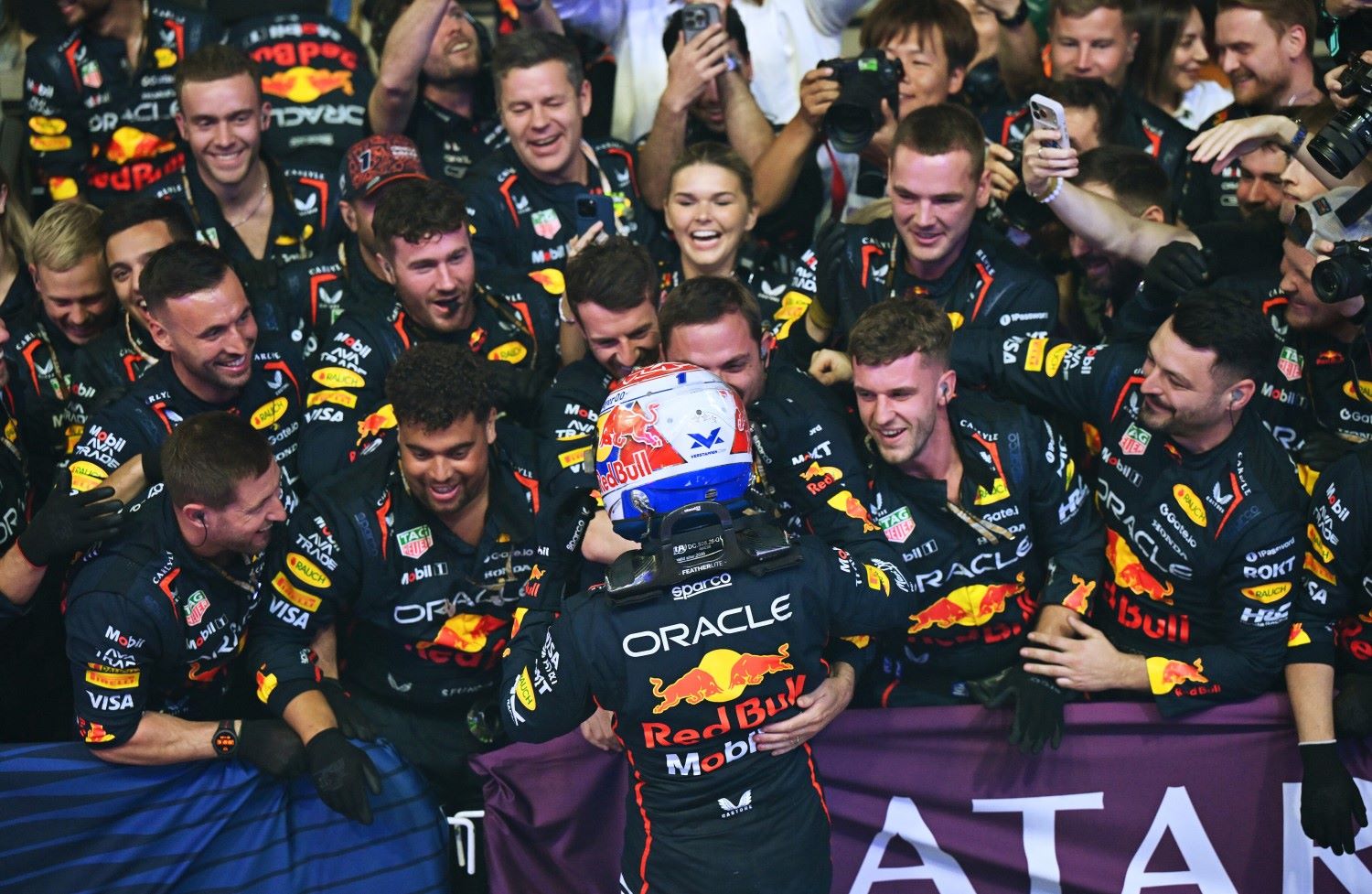
While winner Max Verstappen had his entourage waiting with open arms, and even 3rd place rival Carlos Sainz was swarmed by his Williams mechanics, Piastri stood alone, helmet off, staring into the distance, broken. If it were Norris finishing 2nd, McLaren personnel would have been there with open arms.
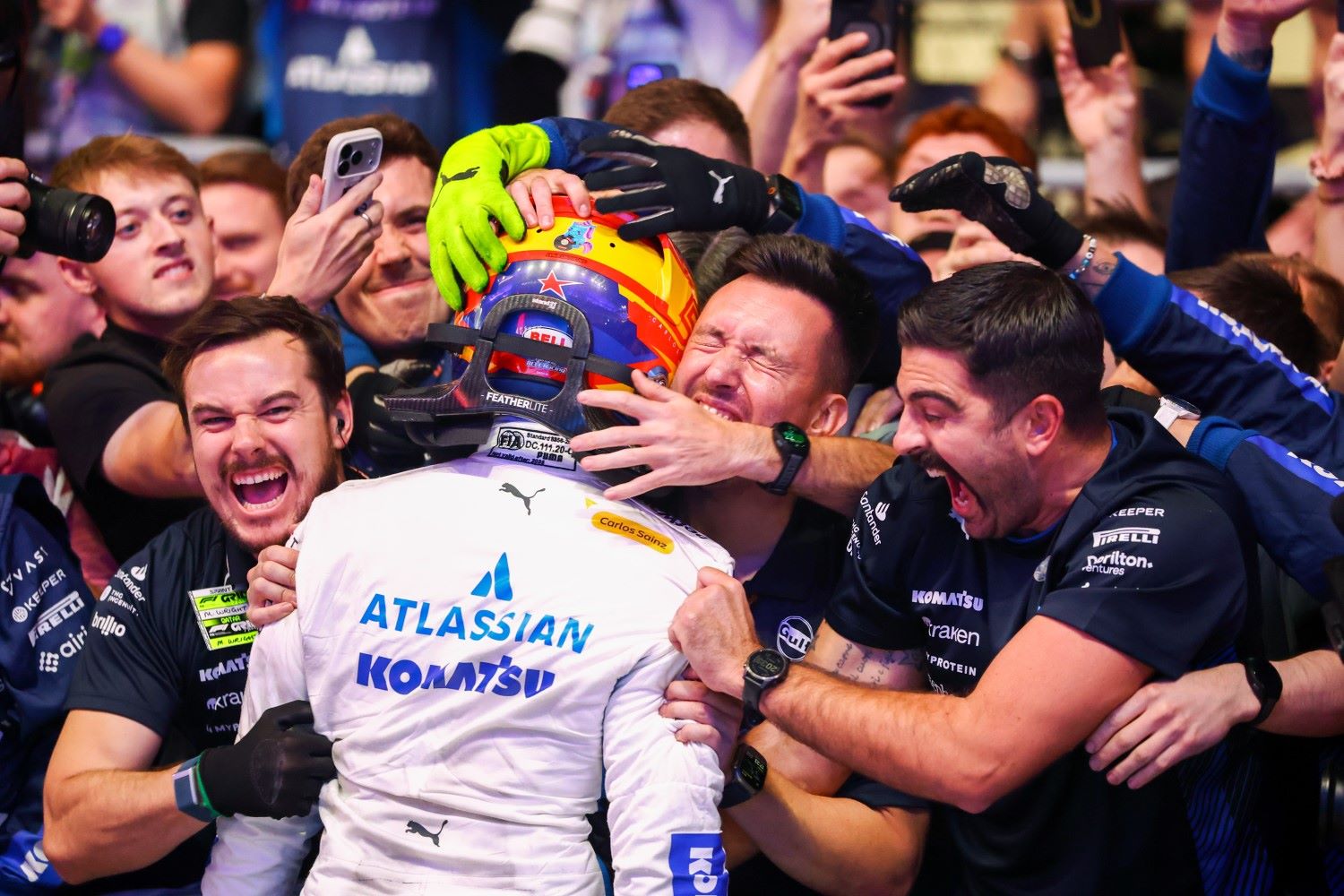
F1 photographer Kym Illman, witnessing the scene, called it “almost unforgivable,” noting how the Australian looked “broken” amid the celebrations elsewhere.
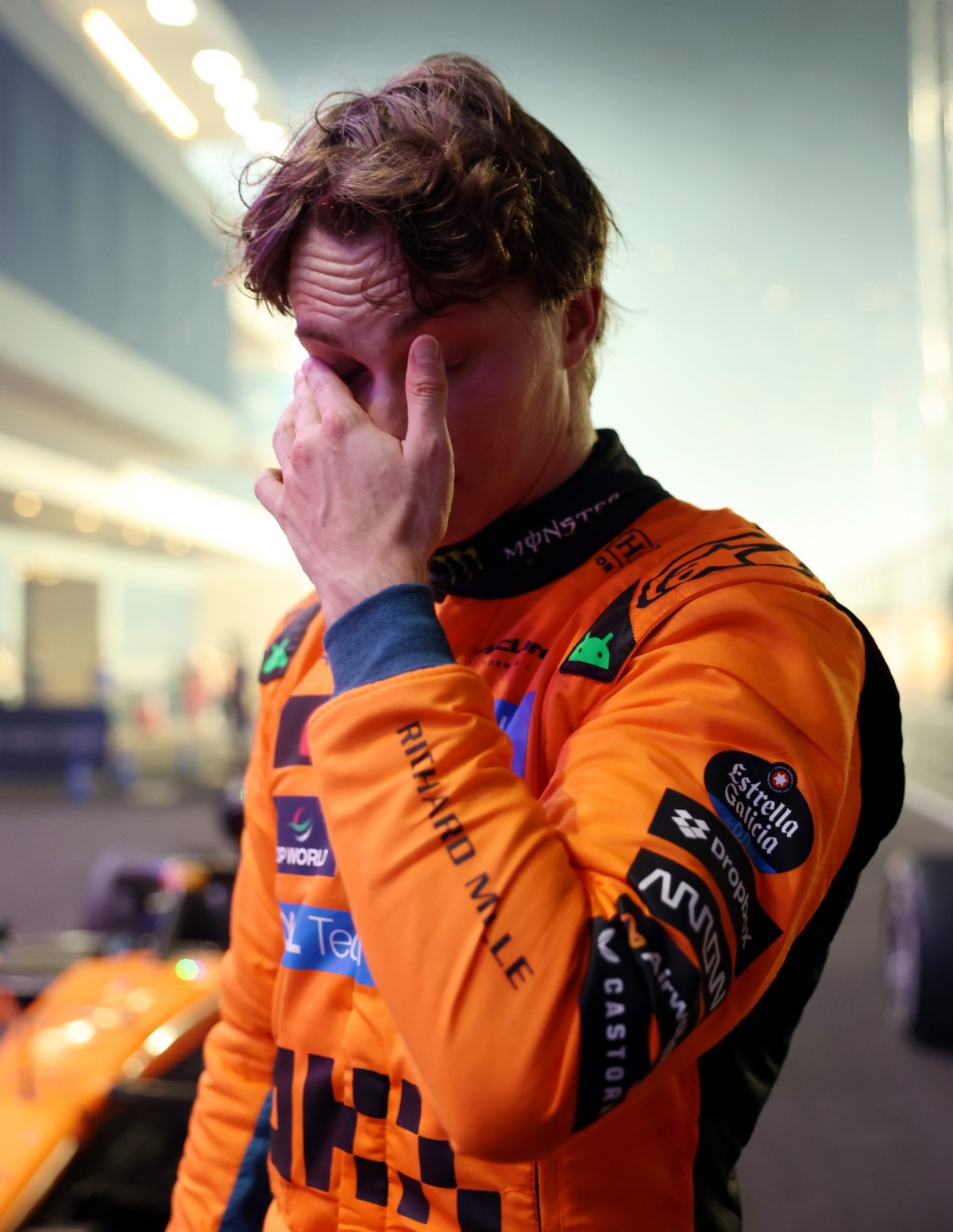
“I think it’s almost unforgivable to think that you don’t bring your crew down to celebrate with your driver,” Illman said on his YouTube channel. Reports suggest Piastri’s camp, including manager Mark Webber, was “furious,” with visible tension boiling over in icy exchanges with McLaren CEO Zak Brown.
One awkward post-race hug between Piastri and Brown—Piastri barely reciprocating—only amplified the rift. Illman warned it could signal a deeper fracture, one that Qatar’s strategy gaffe had cracked wide open.
The drama surrounding McLaren’s title fight has reached an unlikely new stage – the floor of the Australian Senate.
Senator Matt Canavan jokingly asked transport officials on Monday: “Do you think McLaren is biased against Oscar Piastri and costing him the World Championship?”
What was meant as humor reflects a paddock atmosphere that is anything but light.
Suspicion has exploded again over McLaren’s botched Qatar strategy, with some in the paddock believing the team refused to pit under the early safety car because it would have benefitted Piastri more than Lando Norris ahead of the Abu Dhabi decider.
The belief is that McLaren preferred to disadvantage both drivers rather than risk boosting the Australian.
The behavior of Piastri’s manager Mark Webber has become a focal point. F1 photographer Kym Illman reported that Webber gave Zak Brown an “icy look” after the American interrupted Piastri’s media session to offer an on-camera hug – something many interpreted as performative damage control.
Asked what Brown actually said during the hug, Piastri replied, “An apology. I can’t ask for any more than that.”
Rumors are swirling that Webber wants Piastri out of McLaren entirely. He was even spotted sitting with Adrian Newey in the Aston Martin garage during the Qatar weekend.
The three-way title showdown between Norris, Max Verstappen and Piastri in Abu Dhabi will be the first since 2010 – but Max’s father Jos won’t be there, as he is competing in a rally in Kenya.
He still poured pressure on McLaren from afar.
“I can imagine there’s some nervousness at McLaren,” Jos told Dutch language publication Formule 1. “This might be both drivers’ only chance at a world title. You never know if you’ll be in that position again.”
He added: “People are now realizing how special Max is. Teams don’t take Red Bull into account, they take Max into account.”
Team boss Andrea Stella publicly boosted Piastri’s chances amid the internal tension.
“Oscar is certainly in a position to win the title. We’ve seen in history that sometimes the third candidate wins in the end,” he said.
“The goal for McLaren is to beat Verstappen with one of our drivers. Whatever decision we make must comply with honesty, integrity and no surprises. If one of them can win the title, we will respect that.”
McLaren’s “Papaya Rules” of strict equal treatment have been ridiculed throughout 2025 – especially after Qatar.
And with suspicion rising, yet another conspiracy has now taken hold: that McLaren and Formula 1 itself are benefitting from the artificially heightened drama.
Zak Brown fueled that theory with a grin after Qatar.
“This is definitely a gift for Formula 1 fans,” he said. “Yeah, it’s probably good for the numbers. That wasn’t exactly our master plan, but we’ll see what Abu Dhabi brings. We won there last year, so we’ll undoubtedly be strong.”
A Season of Suspect Calls: From Monza to Singapore
Qatar wasn’t an isolated misstep; it’s the latest in a litany of incidents fueling the bias narrative. Rewind to Monza in September, where Piastri led comfortably until a slow pit stop for Norris—exacerbated by a deliberate reversal of pit order—dropped the Briton behind.
McLaren’s response? Instruct Piastri to yield the position back, swinging six crucial points Norris’s way. CEO Zak Brown defended it as “great teamwork,” akin to Norris yielding to Piastri in Hungary the previous year.
Fair enough—until you consider the asymmetry. When Norris lunged aggressively into Piastri at Singapore’s Turn 3 on lap one, brushing wheels and emerging ahead, no such order came to restore the order. Piastri fumed on radio, but McLaren stayed silent, later imposing a minor qualifying penalty on Norris that was quietly lifted.
Earlier, at the British Grand Prix, Piastri’s penalty for a minor infraction handed Norris a home-win gift, while similar indiscretions by British drivers like George Russell went unpunished.
And in Canada, Norris’s clash with Piastri drew no ire, yet fans cried foul over perceived leniency.
Racing legend Mario Andretti didn’t mince words in October: “It seems like McLaren supports Lando more…I don’t know why,” praising Piastri’s “calm confidence” while noting Norris’s status as the “homegrown hero.”
Former F1 chief Bernie Ecclestone went further, accusing McLaren of “slowing down the Australian using various methods” mid-season.
The numbers tell a story too. Despite Piastri out-qualifying Norris early in the season and leading the championship into the fall, strategic gambles—like the one-stop punt in Hungary that won Norris the race—have disproportionately benefited the Brit.
Piastri’s fans on Reddit lament, “They straight up told Piastri to give [Norris] 6 points in Monza… That’s quite literally the definition of favoritism.”
The British Bias: Heritage, Hype, and Hidden Agendas?
At the heart of the uproar is McLaren’s identity: a British icon, founded in 1963, with a legacy of nurturing home talent from Ayrton Senna to Lewis Hamilton.
Norris, a McLaren junior since his karting days, embodies that continuity. He’s the “emotional backbone,” the marketable face splashed across UK billboards.
Piastri?
The 24-year-old prodigy who bolted from Alpine in 2023, injecting fresh speed but no deep-rooted loyalty.
“Unfortunately for him, he’s an Aussie,” quipped one Daily Mail analysis, contrasting Piastri’s “relentlessly professional” demeanor with Norris’s “national treasure” aura.
Zak Brown dismisses it as “nonsense” and “clickbait,” insisting both drivers know “there’s no favoritism.”
Sky F1’s Ted Kravitz echoes this, arguing the season’s balance—Piastri’s early wins—debunks nationality-driven conspiracies.
Jenson Button, the last British McLaren champion, advises Piastri to “have a straightforward conversation” with Brown and Stella to build trust, acknowledging the “seeming British bias” without outright condemnation.
Yet, as ESPN notes, McLaren’s “Papaya Rules”—vague guidelines on intra-team racing—have created a tightrope. With Verstappen lurking, some urge explicit orders to back Norris, the points leader who needs only third in Abu Dhabi to clinch.
Refusing to “play favorites,” per The Athletic, risks the title slipping away entirely. Piastri and Norris both voiced frustration post-Qatar, with the Aussie admitting the strategy “stuffed both” but hinting at deeper talks ahead. Stella himself hinted at a “certain bias” in the decision-making, vowing a “very thorough” review to unpack it.
Abu Dhabi Awaits: Will Justice Prevail on the Yas?
As the circus rolls into Abu Dhabi on December 7, the championship hangs by a thread. Norris, 12 points clear of Verstappen and 16 ahead of Piastri, holds the aces—but at what cost to team harmony?
McLaren’s dominance is undeniable: 14 wins between the duo, a Constructors’ crown sealed in Singapore. But if the Qatar fiasco—from the botched pits to the parc fermé snub—is indeed “unforgivable,” as Piastri’s camp whispers, it could fracture the Papaya partnership irreparably.
For Piastri, the path forward is steep: outpace both rivals by 17 points in a circuit that favors the bold.
Fans Down Under dream of an upset, a defiant riposte to the old empire. Yet, in F1’s theater of the absurd, where strategy rooms double as courtrooms, the verdict feels preordained.
McLaren may swear by equality, but the evidence—from pitted opportunities denied to positions politely surrendered, and now crews pointedly absent—paints a portrait of subtle sovereignty. Britain first, it seems, even in papaya orange.
As the lights go out in Abu Dhabi, one question lingers: Will McLaren let the fastest man win, or crown the favored son?