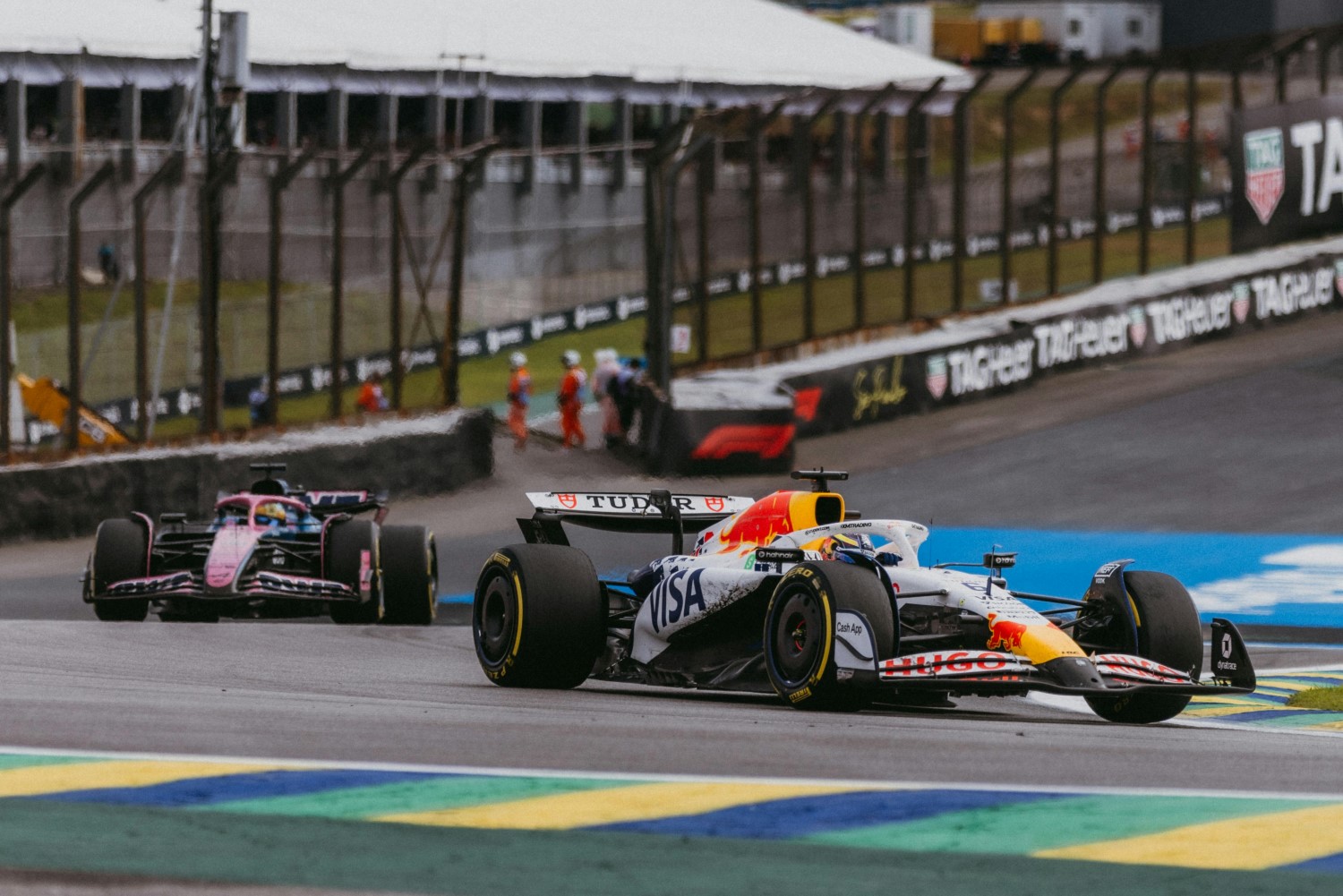
Technological Advancements Enhancing Security in Motorsport
Motorsport combines speed, skill, and innovation, making it a thrilling spectacle. As the sport evolves, the need for robust security measures to protect teams and vehicles becomes crucial. Technology is increasingly playing a vital role in revolutionizing these security aspects.
In the dynamic world of motorsport, ensuring the safety and security of participants and their vehicles is essential. Technological innovations have significantly enhanced security measures within the racing industry. These advancements not only improve safety but also streamline processes to boost overall team efficiency. These advancements keep teams and their vehicles safe both on and off the track, ranging from advanced automotive locksmith techniques to the introduction of cybersecurity to protect against digital attacks.
Let’s take a closer look at the frontiers of security technology in motorsport.
Integrating Technology into Motorsport Security Protocols
The integration of technology into motorsport security introduces a new era of protection and efficiency. Advanced technologies installed by automotive locksmith services, like biometric systems and AI-driven surveillance, are implemented to monitor access to critical areas such as pits and garages. These systems ensure that only authorized personnel can access sensitive locations, reducing risks associated with unauthorized entry.
Another key technological advancement is the use of RFID (Radio-Frequency Identification) tags, which help teams track equipment and vehicle components in real-time. This technology minimizes the chances of theft or misplacement of vital parts during races. Additionally, GPS tracking systems are increasingly used to monitor vehicle positions on the track, providing real-time data that enhances decision-making for both safety marshals and team strategists.
Cybersecurity has emerged as a critical component of modern motorsport security infrastructure. Racing teams now rely heavily on sophisticated software systems to manage telemetry data, vehicle performance metrics and communication networks. These digital assets are vulnerable to cyber attacks that could compromise sensitive race strategies or even manipulate vehicle control systems. To counter these threats, teams are implementing multi-layered cybersecurity protocols including encrypted communication channels, intrusion detection systems and regular security audits. Blockchain-based authentication systems are also being explored to create immutable records of data exchanges, ensuring the integrity of critical information throughout race weekends and preventing unauthorized tampering with vehicle configurations.
Enhancements in Team Efficiency and Vehicle Safety
Technological advancements have significantly impacted team efficiency by automating many traditional tasks. For instance, digital pit-stop management systems allow teams to plan and execute pit stops with precision timing, reducing delays that could affect race outcomes. These systems provide live updates on tire wear, fuel levels and other critical parameters, enabling teams to make informed decisions swiftly.
On the vehicle safety front, innovations like advanced telematics and sensor technologies offer real-time monitoring of a car’s health during a race. This data allows for early detection of mechanical issues that could lead to accidents if left unchecked. Furthermore, developments in tire pressure monitoring systems help optimize performance by ensuring tires are maintained at optimal pressures throughout a race.
Artificial intelligence and machine learning algorithms are revolutionizing predictive maintenance strategies in motorsport. These intelligent systems analyze vast amounts of historical and real-time data to identify patterns that precede component failures, allowing teams to proactively replace parts before catastrophic breakdowns occur. Advanced simulation software powered by AI can now predict how different track conditions, weather patterns and driving styles will affect vehicle wear, enabling teams to optimize their maintenance schedules and parts inventory. This predictive approach not only enhances safety by preventing mechanical failures during high-speed racing but also improves cost efficiency by eliminating unnecessary part replacements and reducing the risk of DNF (Did Not Finish) outcomes that can devastate championship campaigns.
Exploring Future Trends in Motorsport Security Innovation
The future of motorsport security looks promising as emerging technologies continue to reshape the industry landscape. One anticipated trend is the adoption of blockchain technology to create tamper-proof records for all transactions related to team operations. This could significantly reduce instances of fraud or manipulation within supply chains.
Augmented reality (AR) is another exciting development on the horizon that could transform how teams interact with their environment. AR overlays can provide real-time data visualization directly onto windshields or visors, offering drivers enhanced situational awareness without distraction. As these technologies evolve, they promise not only improved security but also a greater competitive edge for those who embrace them.
Quantum computing represents a potential game-changer for motorsport security and performance optimization in the coming decades. While still in its early stages, quantum technology promises computational power that could revolutionize encryption methods, making communication systems virtually unhackable while simultaneously enabling teams to process complex aerodynamic simulations and race strategy calculations in real-time. Additionally, the development of smart materials embedded with nanosensors could provide unprecedented levels of structural monitoring, detecting microscopic stress fractures or material degradation before they become visible to the naked eye. These innovations, combined with advances in autonomous vehicle technology and 5G connectivity, will create an interconnected ecosystem where security, performance and safety are seamlessly integrated into every aspect of motorsport operations.
The Ongoing Importance of Technological Integration in Racing
As you reflect on these technological strides, it becomes clear how essential they are to maintaining high standards of safety and performance in motorsport. The continuous integration of advanced systems not only protects assets but also empowers teams with valuable insights that drive strategic decisions on race day.
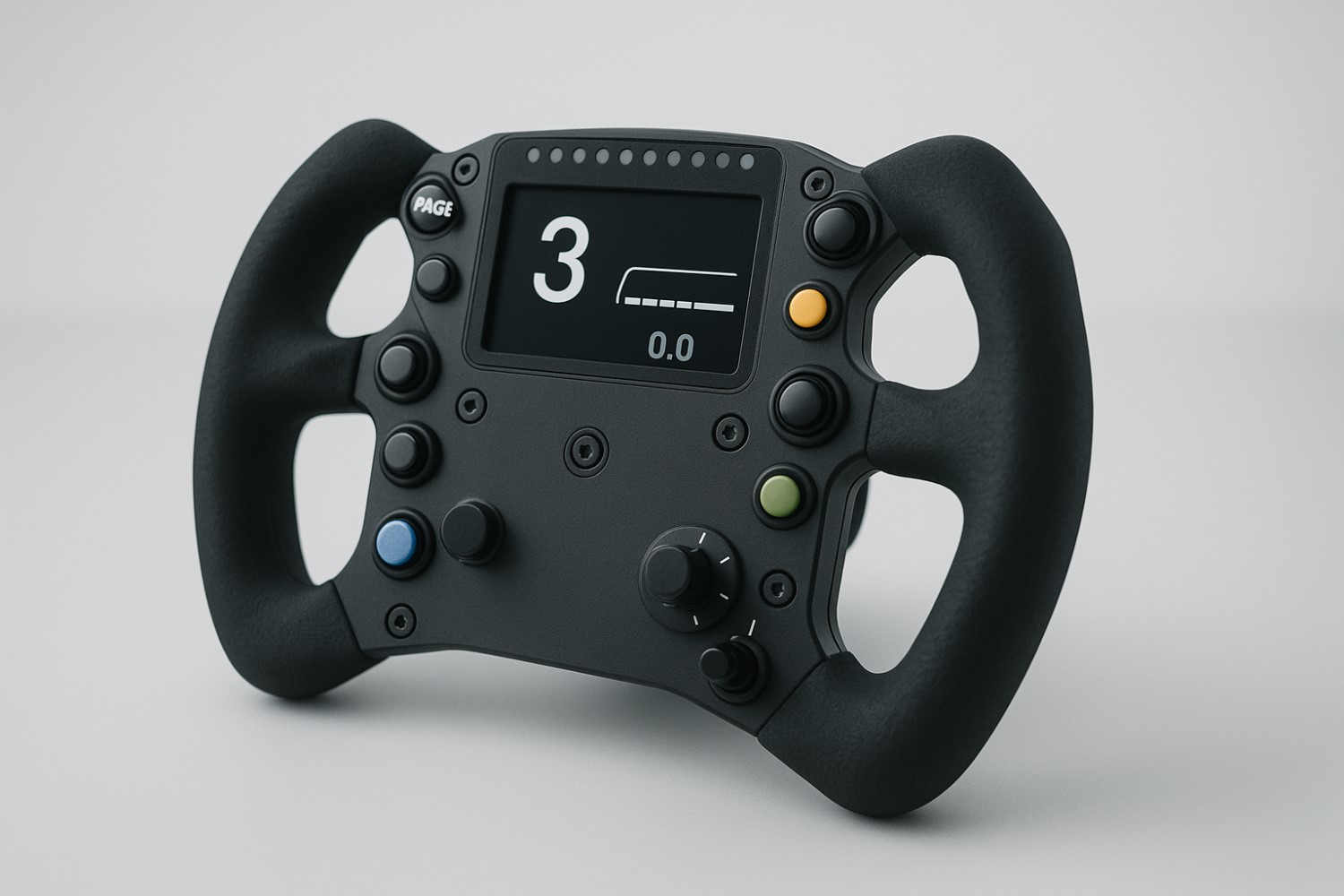
The pace at which technology is advancing suggests even greater possibilities ahead for enhancing both security measures and competitive tactics within this thrilling sport. Embracing these innovations will be crucial for teams aiming to stay ahead in an increasingly competitive environment while ensuring the safety and integrity of their operations remain uncompromised.
Conclusion
As motorsport continues to push the boundaries of speed and engineering, its security landscape must evolve just as rapidly. The integration of advanced technologies, from AI-powered analytics and biometric access controls to predictive maintenance systems and emerging innovations like quantum computing, demonstrates how deeply the sport now relies on digital and mechanical precision to stay safe, secure and competitive. These tools are no longer optional additions; they are foundational elements that protect teams, safeguard sensitive data and prevent both mechanical and security failures before they occur.