NASCAR News: Highlights from Day 3 of the Antitrust lawsuit trial
In the heart of Charlotte, North Carolina—NASCAR’s bustling backyard—the federal courthouse on the Charles R. Jonas Federal Building stood as still and tense as a green-flag restart on a rain-slicked track. It was December 3, 2025, Day 3 of the antitrust trial that had the racing world idling in suspense.
–by Mark Cipolloni–
Related Article: NASCAR News: Could the Antitrust Lawsuit Be the Ultimate Demise of NASCAR?
23XI Racing, the powerhouse co-owned by NBA icon Michael Jordan and driver Denny Hamlin, alongside underdog Front Row Motorsports, had rolled into court accusing NASCAR of running the sport like a family-owned dynastic engine: all power, no mercy, and a chokehold on competition that left smaller teams gasping for fuel. The plaintiffs sought triple damages—$435 million in total—for what they called a monopolistic stranglehold via the charter system, that franchise-like guarantee of race entries and revenue streams. NASCAR, led by the France family’s unyielding grip, fired back that it was just smart business in a high-stakes sport they’d built from dirt tracks to global spectacle.
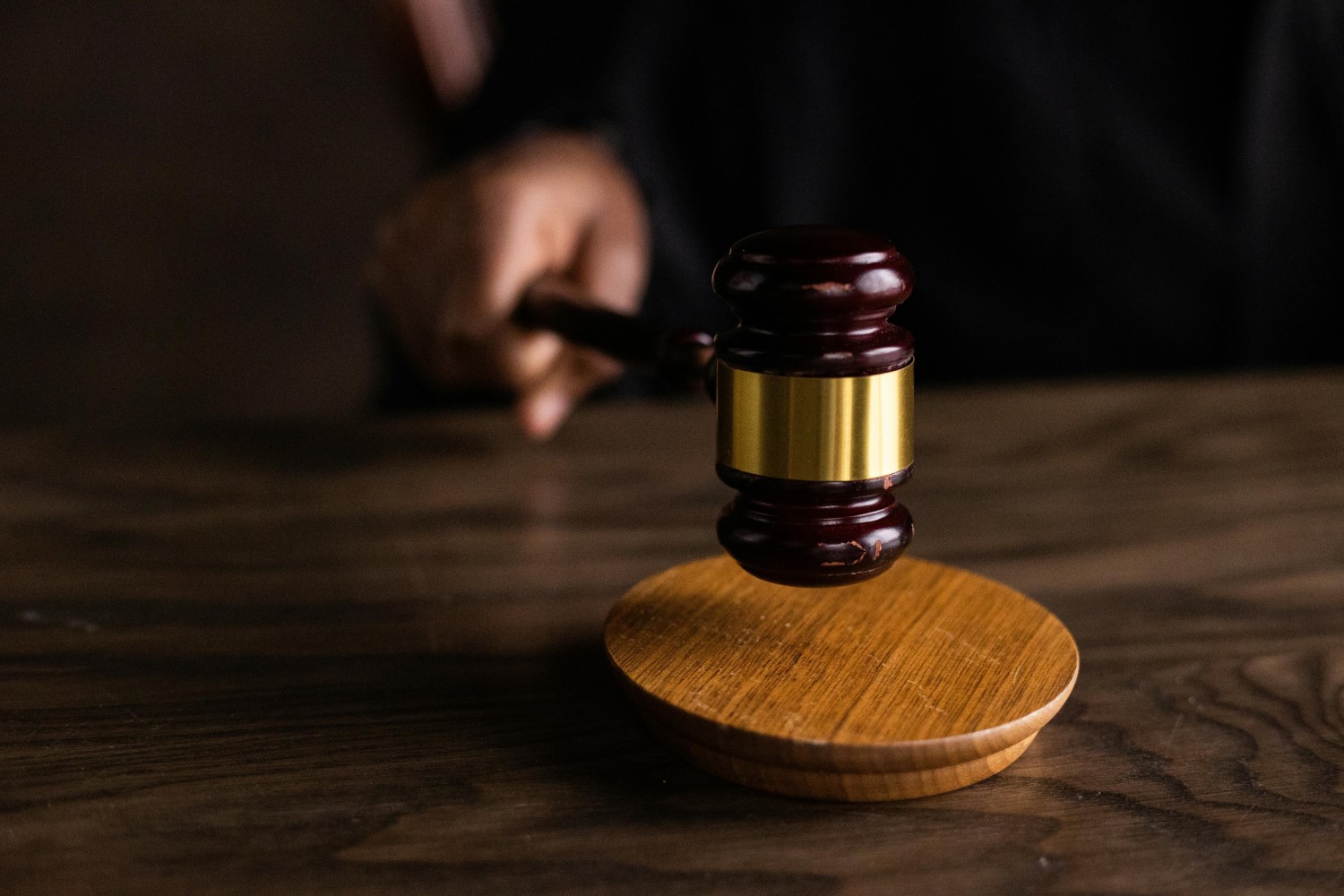
The morning air hummed with the low growl of anticipation as the jury—12 everyday folks from the Carolinas, a mix of gearheads and casual fans who’d survived the Jordan superfans’ purge during selection—settled into their seats. Judge Kenneth D. Bell, a no-nonsense arbiter with a gavel that cracked like a qualifying lap record, presided over the proceedings. His courtroom was a neutral zone: no revving engines, just the sharp turns of testimony and the occasional skid of objections.
The day kicked off in the pits of cross-examination, where NASCAR’s Executive Vice President and Chief Strategy Officer, Scott Prime, returned to the stand after a cliffhanger start the previous afternoon. Prime, a polished strategist who’d cut his teeth at consulting giant McKinsey, was no stranger to high-speed negotiations. Back in 2014, his firm’s report had flagged NASCAR’s team health as a ticking time bomb: “concerns over the longevity of the sport” if owners weren’t propped up. Fast-forward a decade, and here he was, defending the very charter agreements meant to fix that.
Plaintiffs’ lead counsel, Jeffrey Kessler—the silver-haired legal ace who’d toppled the NFL’s TV blackout rules and NBA dress codes—pounced like a drafting rival. Armed with internal emails, Kessler painted Prime as the architect of a “take it or leave it” ultimatum.
One scorching exhibit: a 2024 chain where Prime discussed the September 6 charter deadline, framing it as non-negotiable. “Was this a take-it-or-leave-it offer?” Kessler pressed, his voice steady as a throttle. Prime shifted in his seat, conceding the rigidity but insisting it was born of necessity—70 meetings, endless drafts over two years, all to safeguard the series.
He detailed the charter’s birth in 2016 as a lifeline: guaranteed payouts, race spots for 36 teams, a bulwark against the chaos of open entries. But Kessler twisted the knife, highlighting exclusivity clauses that locked teams in for two extra years post-contract, potentially torpedoing any rival series eyeing Speedway Motorsports tracks. “This isn’t strategy,” Kessler implied to the jury, “it’s a shutdown lap.”
NASCAR’s defense, helmed by Anna Rathbun and Lawrence Buterman, counter-steered smoothly. Rathbun elicited nods from Prime on prudent planning: contingency blueprints if teams balked at the 2025 renewal. Thirteen of 15 Cup teams had signed, they noted—Hendrick, Gibbs, Stewart-Haas—pouring millions into upgrades.
Prime testified how the “Next Gen” car, that standardized beast rolled out in 2022, leveled the field but hiked repair bills when fenders crumpled. “We acted to protect the ecosystem,” Prime said, his tone measured, evoking the France family’s “American success story” of innovation from postwar beach races to billion-dollar broadcasts.
As the lunch break cleared the air, the spotlight swerved to the undercard hero: Bob Jenkins, the soft-spoken owner of Front Row Motorsports. Jenkins, a Charlotte native who’d bootstrapped his team from Xfinity ranks since 2005, took the oath with the quiet resolve of a crew chief fine-tuning under pressure. Dressed in a crisp button-down, he looked every bit the everyman entrepreneur—founder of Lakeway Christian Schools, tied to Long John Silver’s franchises through family. But beneath that humility burned a decade of red ink.
Kessler guided Jenkins through his odyssey like a victory lane interview. “I’ve never made an operating profit,” Jenkins admitted, his voice cracking faintly. “Millions lost, year after year.” He recounted the 2016 charter as a glimmer of hope—a deal he inked despite its anti-competitive whiff—only to watch it sour. By 2020, renewing felt like signing a bad lease; he did it anyway for survival. But the 2025 offer? A non-starter. Jenkins and 23XI bolted, claiming $145 million in damages under the old pact.
He slammed NASCAR’s cost-cutting sermons as tone-deaf: “I’m already as lean as it gets—cutting my own grass, skipping vacations.” The Next Gen? A double-edged blade. “It equalizes the start, sure,” Jenkins said, “but when you wreck, those spec parts cost a fortune. No wiggle room for the little guy.”
The defense revved up, probing Jenkins’ business acumen with surgical precision. Rathbun zeroed in on quirky deals: a $2.1 million Cup ride for driver Matt Tifft, bundled with $500,000 to Jenkins’ school (scuttled by Tifft’s health woes); $1.5 million for Chandler Smith’s truck seat; Ford’s $1.175 million lifeline in 2025. “These aren’t monopoly marks,” she implied, “they’re choices in a cutthroat market.” Jenkins held steady, but the barrage left skid marks—NASCAR painting him as a dreamer chasing wins over spreadsheets.
Then, as the afternoon shadows lengthened, the session hit a caution flag. During Jenkins’ cross, NASCAR’s team twice veered into forbidden territory: referencing protected depositions and hearsay exhibits barred by Bell’s pretrial orders. The judge’s face tightened like a hauler hauling ass through traffic. “This is unacceptable,” Bell boomed, his Southern drawl sharpening to a edge.
“Violations like this erode the process. Any more, and we’re talking serious consequences—fines, sanctions, worse.” The gallery—packed with reporters, team execs, and a smattering of fans—leaned in, the air thick as exhaust. NASCAR’s lawyers, chastened, wrapped up without further flare-ups.
As the gavel fell around 4:30 p.m., the courtroom emptied. Whispers rippled: Day 3 felt like a plaintiffs’ draft, with emails exposing NASCAR’s iron fist and Jenkins’ raw tale humanizing the toll on small teams. Yet the defense had landed punches, underscoring a sport where 13 teams bet on stability over rebellion. Outside, Michael Jordan’s sleek black SUV idled curbside, a silent reminder of the stakes—charters or chaos, monopoly or meritocracy?
The checkered flag waved for now, but with Day 4 looming—more execs, deeper dives into the France empire—the trial roared on. In NASCAR’s coliseum of speed and strategy, this wasn’t just about laps or dollars; it was a reckoning for who owned the checkered flag. And as the taillights faded into the night, one thing was clear: the race was far from over.