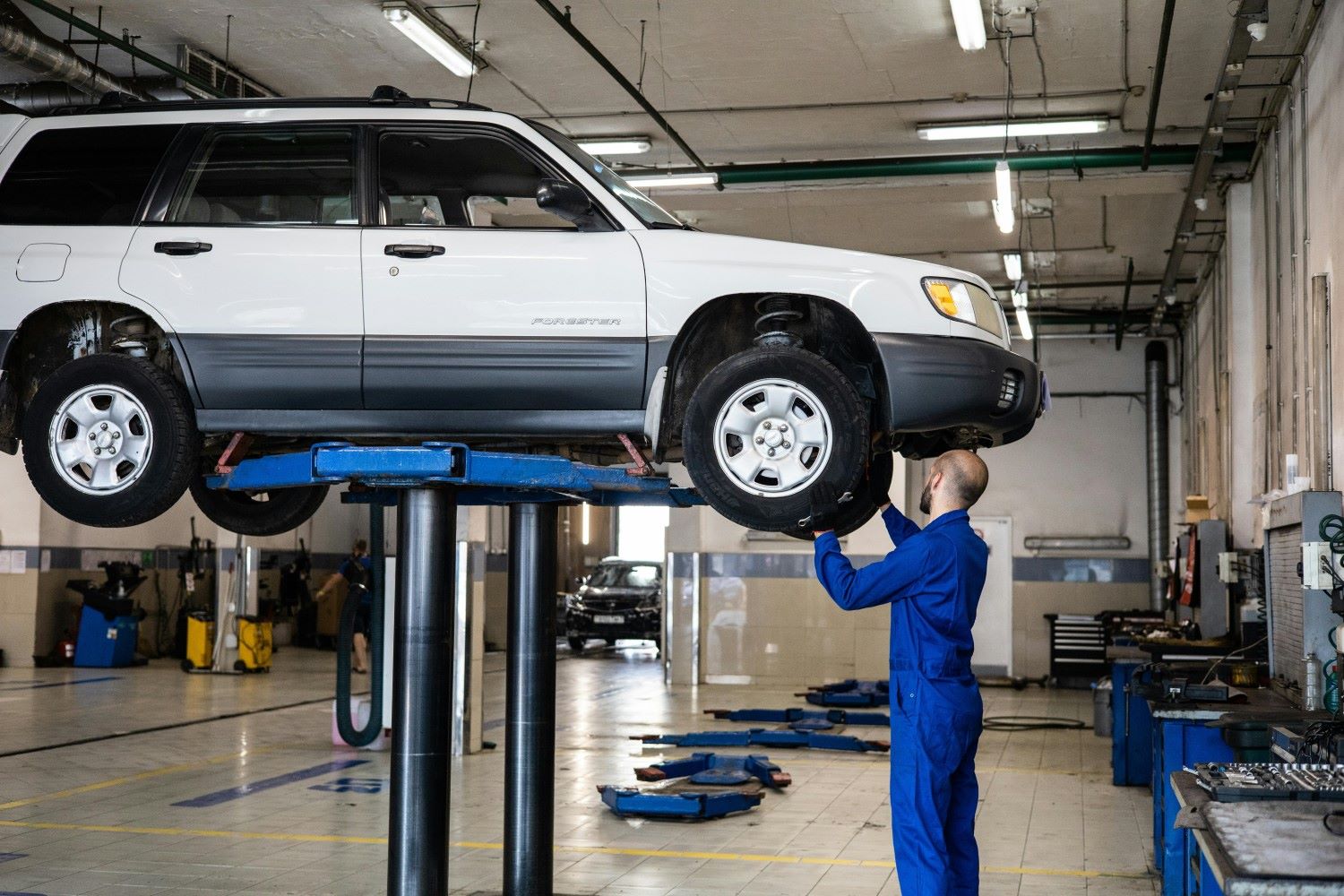
The Top Strategies to Attract Serious Buyers for a Car Mechanic Shop
Modern buyers are choosy, and the best shops win attention with clear numbers, clean operations, and a plan for smooth handoffs. Serious acquirers look for repeatable revenue, durable margins, and leadership teams who can step back without the wheels coming off.
The sale should be a project with milestones, checklists, and weekly updates, as you are selling performance and predictability. Here are some top strategies worth looking into.
Define Your Ideal Buyer and The Story That Fits
Start by sketching buyer personas. Strategic chains want footprint and technician depth. Financial sponsors want cash flow, clean books, and growth levers. Solo owners look for a turnkey operation with training included.
If you win on diagnostics or fleet accounts, show it with data. If you dominate a zip code, highlight local brand equity and referral rates. Good stories are specific, measurable, and backed by documents that buyers can verify during diligence. Clarity saves everyone time and builds trust early.
Lead With Market Demand You Can Prove
Position the shop within a tailwind. An aftermarket update in 2025 noted that there are many more vehicles beyond their original warranty compared with 2020, which increases routine maintenance and repair. Translate that into booked hours, ARO trends, and mix by service line.
Remind buyers how your services map to older vehicles: brakes, suspensions, fluids, and electrical diagnostics. If you are planning to sell your auto shop in the future, know how to do it with the right services to keep your vehicle pristine. A clear link between macro demand and your RO logbook makes your pitch hard to ignore.
Get Your Financials Investor-Ready
Serious buyers expect clean, gap-free books. Produce 3 years of monthly P&Ls, balance sheets, and cash flow statements. Include a trailing twelve-month view with notes on seasonality. Reconcile bank statements to the penny and document owner add-backs.
Lay out KPIs buyers use to compare shops: revenue per RO, car count, ARO, gross margin by category, labor efficiency, parts-to-labor ratio, and technician productivity. Show how you set prices, handle cores and warranties, and manage inventory turns. When numbers are organized and defensible, you reduce risk premiums and keep the conversation on value.
Build a Business That Runs Without You
Transferable operations attract premium interest. Standardize everything from inspection sheets to authorizations, upsell scripts, and parts sourcing rules. Create a playbook that a new owner can follow on day one.
Invest in people and cross-training. Certs, pay ladders, and a bench of service writers show stability. Document vendor contracts, fleet agreements, and software logins in one secure folder. Buyers are paying for durable performance they can underwrite.
Present the Shop Like an Asset
Walk the buyer journey. Start with a crisp teaser, a detailed CIM, and a curated data room. Use professional photos, organized by bays, waiting area, equipment, and exterior. Fix small deferred maintenance that creates doubt.
On-site, lead with a tidy floor, labeled parts racks, and visible safety practices. Demonstrate the DVI flow on a real vehicle so buyers see the tech-to-writer handoff. Share a week of scheduled work to show pipeline health. A good presentation lowers perceived risk and shortens diligence because it signals discipline everywhere else.
Price With Data and Set Expectations Early
Price is a function of cash flow quality, growth, and risk. Bring comps for size, region, and mix. A quarterly market survey for late 2024 reported that middle-market businesses trade near six times EBITDA when quality and scale align. Anchor your ask with a sensible range and the assumptions behind it.
Explain your add-backs and show how the pro forma looks post-owner. Offer sensitivity cases at different labor rates and technician counts. When you treat price like a model rather than a wish, buyers engage seriously and move faster toward LOI.
Run a Tight, Competitive Process
Serious interest grows in a structured timeline. Prequalify buyers, require NDAs, and schedule management calls in a defined window. Share a Q&A tracker, so answers are consistent and fast.
Sequence site visits and set a date for IOIs and LOIs. Keep momentum by confirming lender readiness and funding sources early. If you receive multiple offers, compare the price, certainty, reps and warranties, and transition support. A disciplined process signals that you will be a disciplined counterparty through closing, which increases confidence and reduces retrade risk.
A strong sale starts months before the listing. Tune operations, package the numbers, and align your story with real market demand. Run a fair process and negotiate from data. The right buyer will see a shop they can scale, and you will walk away knowing you sold on your terms.