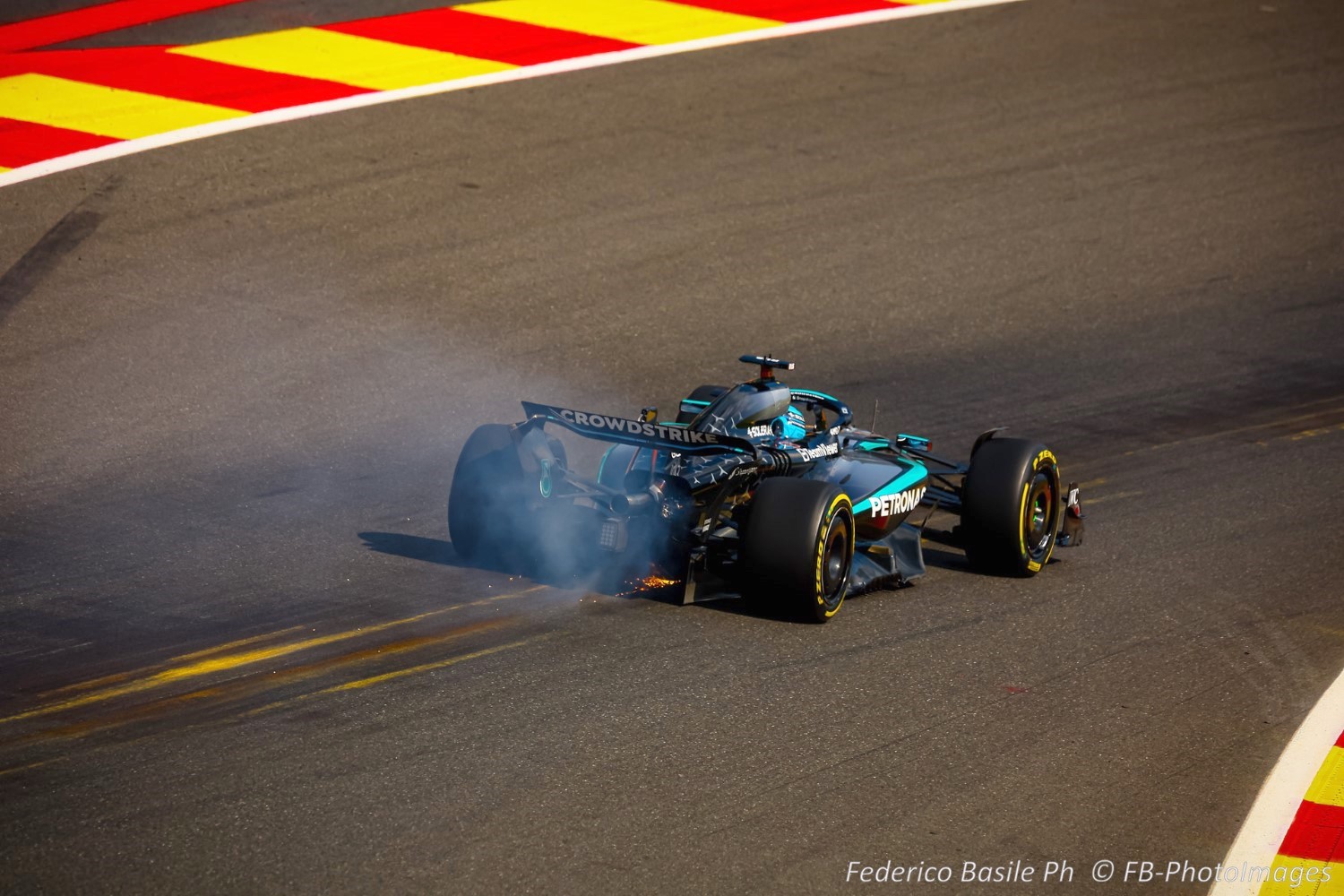
Why Tire Management Remains Racing’s Most Underrated Skill
For all the wind-tunnel hours, CFD simulations, and exotic materials poured into modern race cars, championships are, many times, won by the drivers who understand on a gut level how to take care of their tires.
It’s one of the oldest crafts in motorsports, yet no computer or setup sheet can replace a driver’s intuition about grip, heat, and the subtle feedback coming through the wheel and seat. Fans who follow racing closely know this instinct separates front-runners from midfield hopefuls. The same way some fans follow digital motorsport communities or even Visit Winna for exciting slots, bonuses, and fair play, racing insiders continue to debate which drivers truly understand the “long game” of tire life.
Ask any engineer in the paddock what keeps them awake at night, and they’ll mention tire degradation before aerodynamics. Teams can account for downforce figures and power curves; what they can’t fully predict is how a driver will stretch a set of tires over a stint. Driving within the limits without becoming slow is a balancing act that has frustrated rookies and elevated veterans for decades. As Autosport noted in a long-form breakdown of race strategy, the drivers who consistently manage their rubber well tend to outperform the stopwatch in ways that raw lap time fails to capture.
The Delicate Dance of Heat, Grip, and Discipline
A racing tire is a peculiar thing: the more grip you extract from it, the shorter its life becomes. The trick lies in finding that sweet spot where the tire stays alive long enough to deliver the performance you need—especially on circuits where passing opportunities are scarce.
Knowing When to Push and When to Wait
Race broadcasts love showing late-braking lunges into corners, but what fans rarely see is the internal dialogue drivers maintain over the long haul. A slight push too early in a stint may feel great for three laps, but the bill comes due later when the rubber falls off a cliff. Championship contenders almost always conserve early so they can attack when the rest of the field is skating.
Feeling the Track Evolve
Every track changes lap by lap. Early in a race, the surface is usually dusty or “green,” meaning drivers must be patient. As rubber builds up, grip improves, but so does tire wear. The most adaptable drivers sense these changes instinctively. It’s not a science experiment—they feel it in their hands long before the telemetry confirms it.
Protecting the Tire Through Corner Phases
It’s not just about avoiding wheelspin on corner exit. Overdriving on turn-in or leaning too hard on the fronts during mid-corner will punish the tires. Smoothness doesn’t always look spectacular on TV, but over 60 laps, it’s devastatingly effective.
When Tire Strategy Becomes Psychological Warfare
Fans love to imagine drivers thinking only about the road ahead, but tire management often dictates the mental side of racing as much as the physical.
Making Rivals Burn Their Tires
The art of “pressure driving” is alive and well. A driver trailing closely behind may force the leader to push harder than they intended, causing unnecessary heat buildup. Once the fronts start sliding, it’s usually only a matter of time before the lap times fall apart.
Playing the Waiting Game
Some of the sport’s legendary drives—whether in F1, IndyCar, IMSA, or touring cars—were built not on outright aggression but on patience. Drivers who understand the rhythm of a stint can lull their rivals into overconfidence before striking when grip levels invert.
The Mindset of a Tire Whisperer
Drivers who excel at tire management often describe their approach in almost poetic terms. They talk about “coaxing” a tire rather than using it. They speak of listening to the track. This is not superstition; it’s the language of experience.
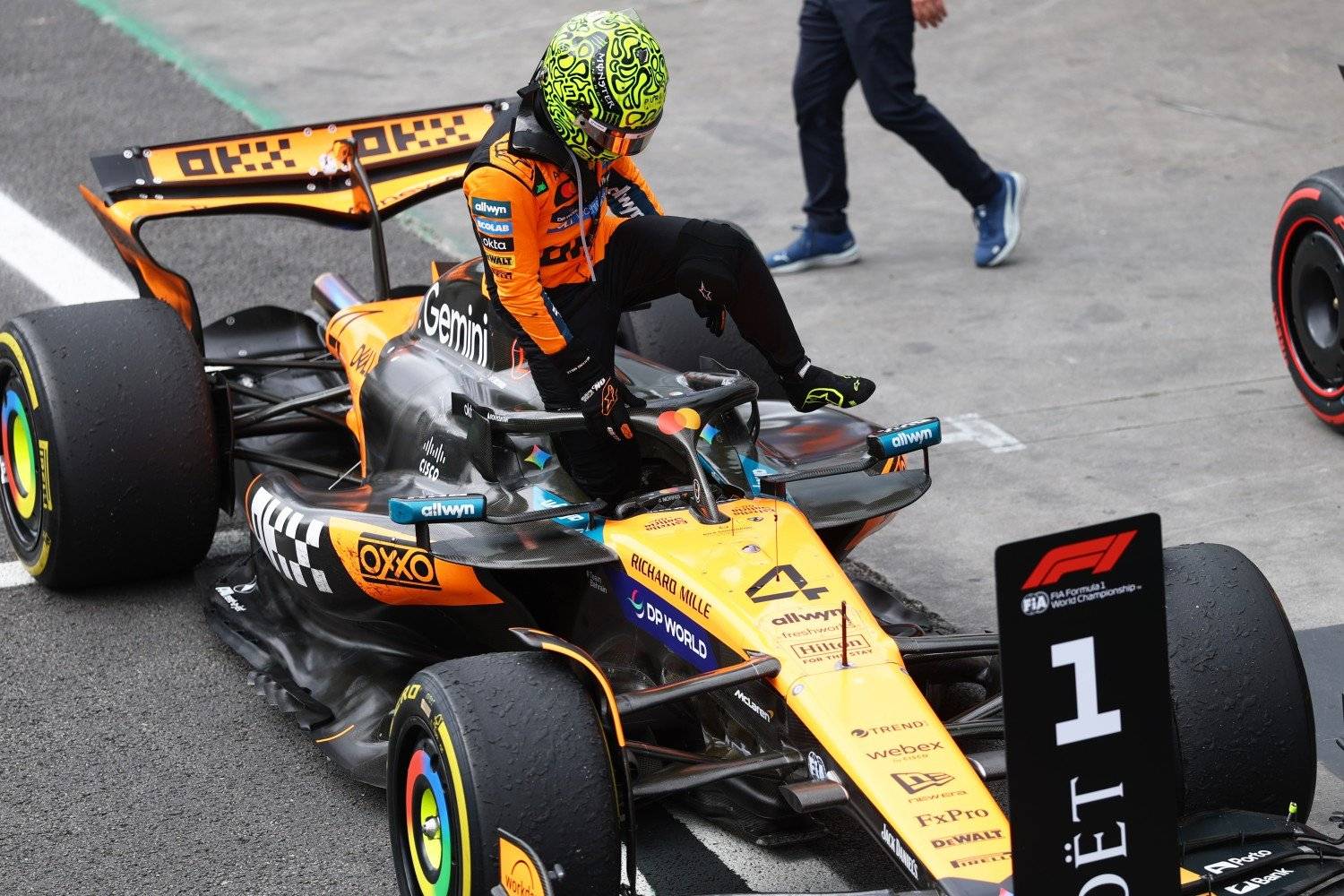
The Cars May Change, but Tire Masters Always Rise to the Top
Although modern tires differ wildly across racing series, the underlying principles stay remarkably consistent.
Formula One
Drivers who manage the thermal window—keeping tires alive in turbulent air and under heavy fuel loads—often jump several positions purely through strategic discipline. F1 cars are not refueled during pitstops. They must start the race with the fuel they will need to finish. Hence the car is heavy the first 1/3 of the race until the fuel begins to deplete. Weight punished tires, so the tire masters go easy in the beginning.
IndyCar
With far fewer aerodynamic aids than F1, IndyCar drivers must rely heavily on tire feel, especially on street circuits where grip changes corner to corner. IndyCar tires tend to be harder than F1, and hence the drivers can push them harder throughout the stint. IndyCar requires less tire management than F1.
Sports Car and Endurance Racing
Running multiple stints on one set of tires is an art of its own. Endurance specialists must balance speed against longevity over hours, not minutes.
Touring Cars and GT Racing
Door-to-door combat is constant, yet the best drivers make aggressive passes without overcooking their rubber. Finesse matters even when the racing looks chaotic.
Why Tire Management Still Defines Greatness
Motorsports fans love technology, but races are often decided by something far more elemental: the synergy between a driver’s restraint and their ambition. The stopwatch tells one story; tire life tells another. Over a full season, the drivers who understand this relationship—who sense when the grip is fading and know how to adjust—are almost always the ones standing highest in the final standings.
Tire management isn’t glamorous. It rarely shows up in highlight reels. But within the paddock, it remains one of the most respected skills a driver can possess. The quiet craft of caring for four pieces of rubber at high speed continues to shape the outcome of races, championships, and careers. Strip away the electronics, the carbon fiber, the power units—and you’ll still find that the sport hinges on something profoundly human: judgment under pressure.