IndyCar News: The FIA grants IndyCar drivers increased Super License points
The FIA’s World Motor Sport Council (WMSC) closed out a transformative year with a bang, approving a slew of regulations designed to supercharge competition, slash costs, and widen the door to motorsport’s global stages. Held amid the buzz of the FIA’s annual prizegiving gala, the meeting—chaired by President Mohammed Ben Sulayem—spanned rally, karting, F1, and beyond, emphasizing collaboration between federations, teams, and tech innovators.
–by Mark Cipolloni–
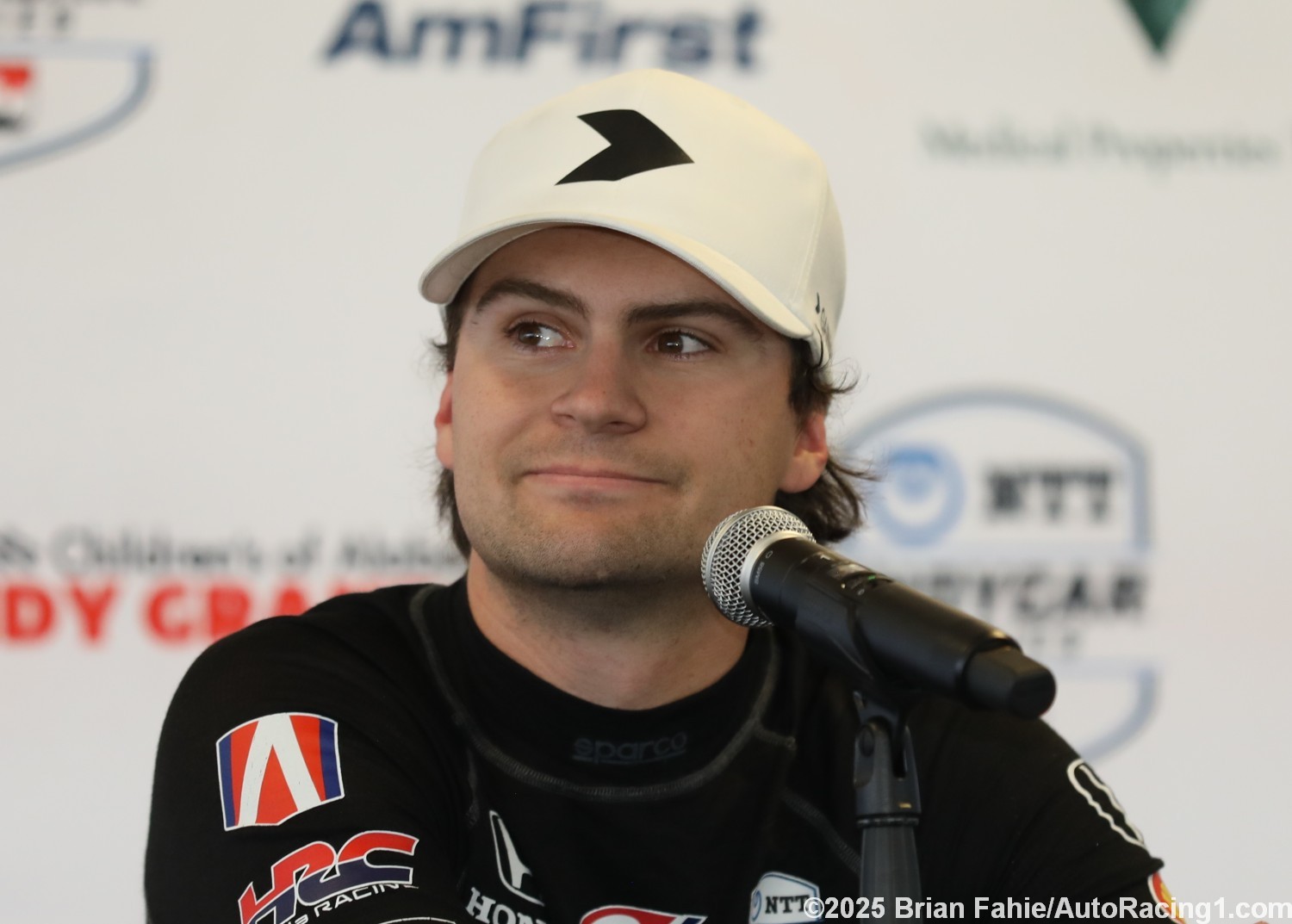
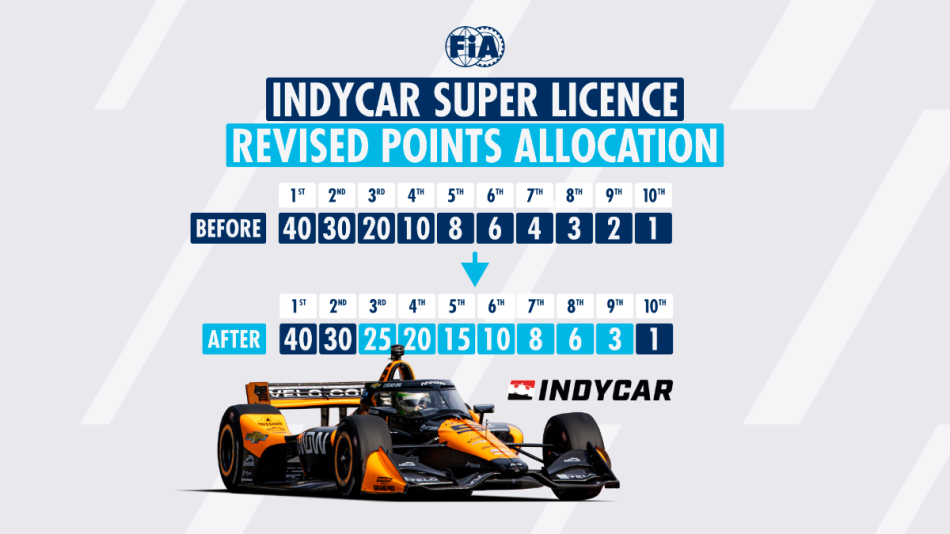
Many things were discussed, but central to the IndyCar community, and Colton Herta (pictured) in particular, was the number of points allocated to the IndyCar Series has been increased for positions from 3rd – 9th to reflect the growing significance of the category as follows:
Other Highlights from the Meeting
“This has been a year of unprecedented growth,” Ben Sulayem declared, “fueled by our commitment to safe, sustainable, and thrilling racing at every level.” Here’s the pulse of the day’s biggest moves:
F1’s 2026 Overhaul: Sustainability Meets Spectacle
Formula 1’s technical bible for 2026 is sealed, carved into six tidy sections covering everything from sporting tweaks to power unit finances. Highlights include nixing dry tire limits in wet sprint qualifying, bumping operational staff caps to 60 (temporary), streamlining race suspensions, and mandating a single pre-season test from 2027. Out-of-competition tire testing gets a spec refresh, sprint FP1 sessions extend post-red flags, and Driver Adjustable Bodywork rules tighten for fairness. Tech-side clarifications hit Article C3 (deflection tests) and power unit energy tweaks, all chasing Ben Sulayem’s vision: “Safe, sustainable, and thrilling racing.” With sustainable fuels and revamped chassis on the horizon, teams are already crunching the numbers for what could be F1’s greenest, grippiest era yet.
With the new approved Regulations, the new structure of the 2026 Formula 1 Regulations has finally been completed. The Regulations are now split in six sections as follows:
- Section A: General Regulatory Provisions
- Section B: Sporting Regulations
- Section C: Technical Regulations
- Section D: Financial Regulations (for F1 Teams)
- Section E: Financial Regulations (for PU Manufacturers)
- Section F: Operational Regulations
The World Council approved the creation of the new ‘Section A’ of the Formula 1 Regulations. This ‘General’ section creates consistency between all other sections and to avoid duplications or contradictions. It adopts a more rigorous legal framework, previously introduced with the Financial Regulations.
Minor updates and refinements to the other Sections of the F1 Regulations were approved by the World Council.
Rally’s New Era: WRC Homologation Locked In for 2027
The Council greenlit final homologation rules for the World Rally Championship’s (WRC) next-gen cars, setting the stage for a manufacturer boom. Constructors now bear full responsibility for design, build, and commercialization, with a mandate to produce at least 10 units within 24 months of approval and supply 10 race-ready cars annually. Homologations lock in for a decade, with relaxed rules for secondary suppliers. Entry barriers drop too: Teams must register for the championship first, then commit to at least 50% of events in year one (with two cars per rally), ramping to full participation thereafter. The goal? More entries, ironclad stability, and a clearer path for privateers to join the fray. “It’s about giving constructors the confidence to invest long-term,” said a FIA spokesperson, hinting at whispers of new OEM interest.
Karting’s Global Leap: From Sprint Races to Safety Tech
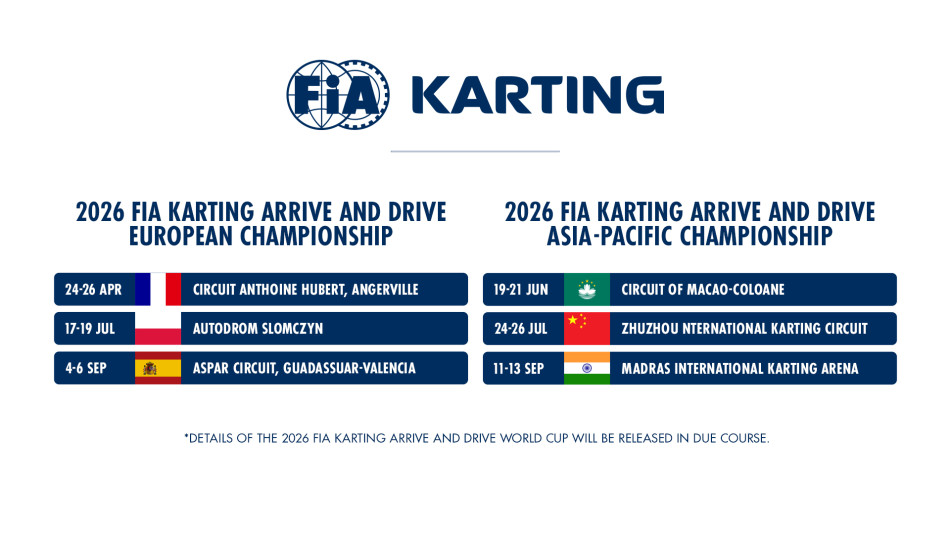
Grassroots motorsport got a futuristic facelift with the FIA Global Karting Plan’s expansion. Come 2026, “Arrive & Drive” Continental Championships launch in Europe and Asia-Pacific, each packing three rounds that feed straight into World Cup grids—democratizing access for weekend warriors. Qualifying shakes up too: Ditch timed laps for adrenaline-fueled 6- or 8-minute sprint races (14 drivers per heat on random/reversed grids), boosting on-track action and crowning finalists through pure speed. Safety takes center stage with mandatory Impact Data Recorders in all FIA Karting events from 2026 (rolling out to internationals in 2027), urging national series to follow suit. The FIA Karting Senior Academy Trophy swells from 36 to 54 spots, with the age cap bumped to 17, scouting tomorrow’s stars wider than ever.
Rallycross Revolution: Cheaper Entries, Bigger Fields
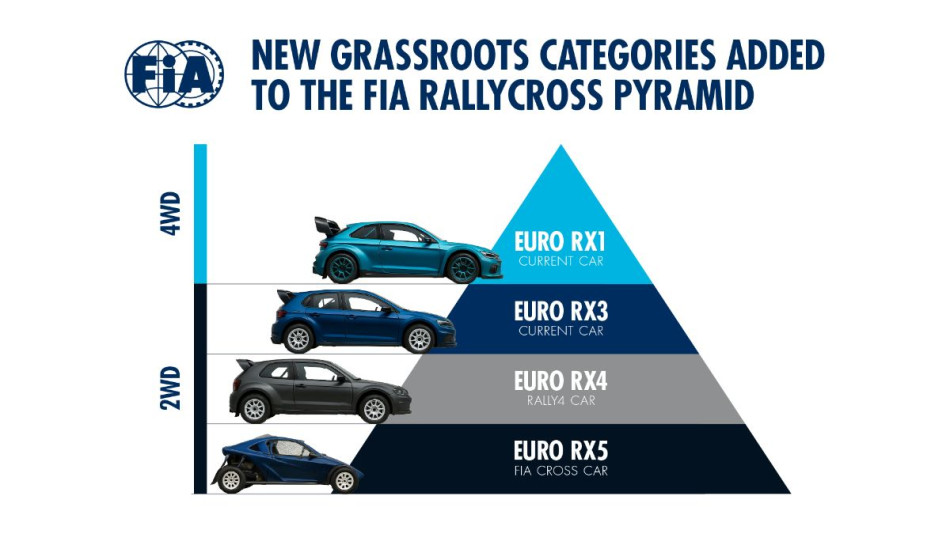
Breaking down walls for newcomers, the WMSC unveiled RX4 and RX5 categories to funnel talent from national scenes. RX4 adapts Rally4 cars (sans co-driver seat) for affordable grassroots racing, while RX5 spotlights Cross Car rigs from the European Championship—perfect for young guns. These slots align with a 2028 vision eyeing WRC machinery in the elite tier, all under revamped General Rallycross Sporting Regulations for seamless national-international harmony. The Road Sport Committee sweetened the pot by adding Quarter Finals to the format from 2026, ballooning progression spots from 12 to 24 amid surging entries.
Raid and GT Buzz: Calendars Set, Safety Sharpened
The World Rally-Raid Championship (WRC) sheds its prologue and power stages, opting for a punchier format: Day 1 for private shakedowns, Day 2 for official checks. Stages cap at 15% (Stage 1) and 10% (Stage 5) of total mileage to even the road-opening odds, while spare-parts limits hit new Stock vehicles with time penalties for overages. GT fans, mark your calendars—the ninth FIA GT World Cup revs up at Macau’s Guia Circuit. Touring Car diehards get the 2026 Kumho TCR World Tour slate, and drag racers snag their European calendar. Safety nods include simplified heart checks for drivers under 60 and mandatory speed reductions post-Flying Finish in rallies.
Tech Tweaks: The Fine Print
Cross-Country Rally adds bolt-on windscreen deflectors and limits torque meters to T1+ vehicles, while streamlining Technical Passports for batch approvals from the fourth identical car onward.
As the gavel fell, the WMSC’s actions painted a roadmap for 2026 and beyond: more inclusive, tech-savvy, and fiercely competitive. With entries swelling across disciplines, the FIA’s “collaboration, growth, and development” mantra feels less like a slogan and more like a checkered flag waving over a new golden age. Buckle up—next season’s engines are already warming.