After a Crash: 5 Things Every Car Accident Lawyer Urges You to Do
From morning commutes over the Ravenel Bridge to weekend drives through downtown’s historic streets, Charleston traffic is a daily reality for residents and visitors alike. With its mix of local drivers, tourists, and delivery traffic, accidents can happen when you least expect them—and when they do, confusion often sets in fast.
In the moments after a crash, people are left wondering what actually matters, what can wait, and what decisions could affect their future. Emotions run high, injuries may not be obvious, and insurance pressures can begin almost immediately.
That uncertainty is exactly where costly mistakes tend to happen. Knowing how to respond isn’t about being overly cautious; it’s about protecting yourself legally, physically, and financially in a city where roadways are constantly in motion. That’s why guidance from a Charleston car accident lawyer often focuses on a clear set of priority actions that help preserve your rights from the very start.
Be Safe and Reach Out to Medical Help
The first and foremost immediate action after any accident is to ensure the safety of oneself and the people involved in the accident. If you can get out of the way of traffic, do so. If you have sustained wounds or trauma, calling emergency services is crucial, even if the damage does not appear to be serious at first. Symptoms sometimes don’t show up right away, and if you need to file a claim, you will need to have a medical record.
A health care provider can conduct a complete evaluation and, if needed provide treatment. Documentation can act as proof in case legal action needs to be taken.
Document the Scene Thoroughly
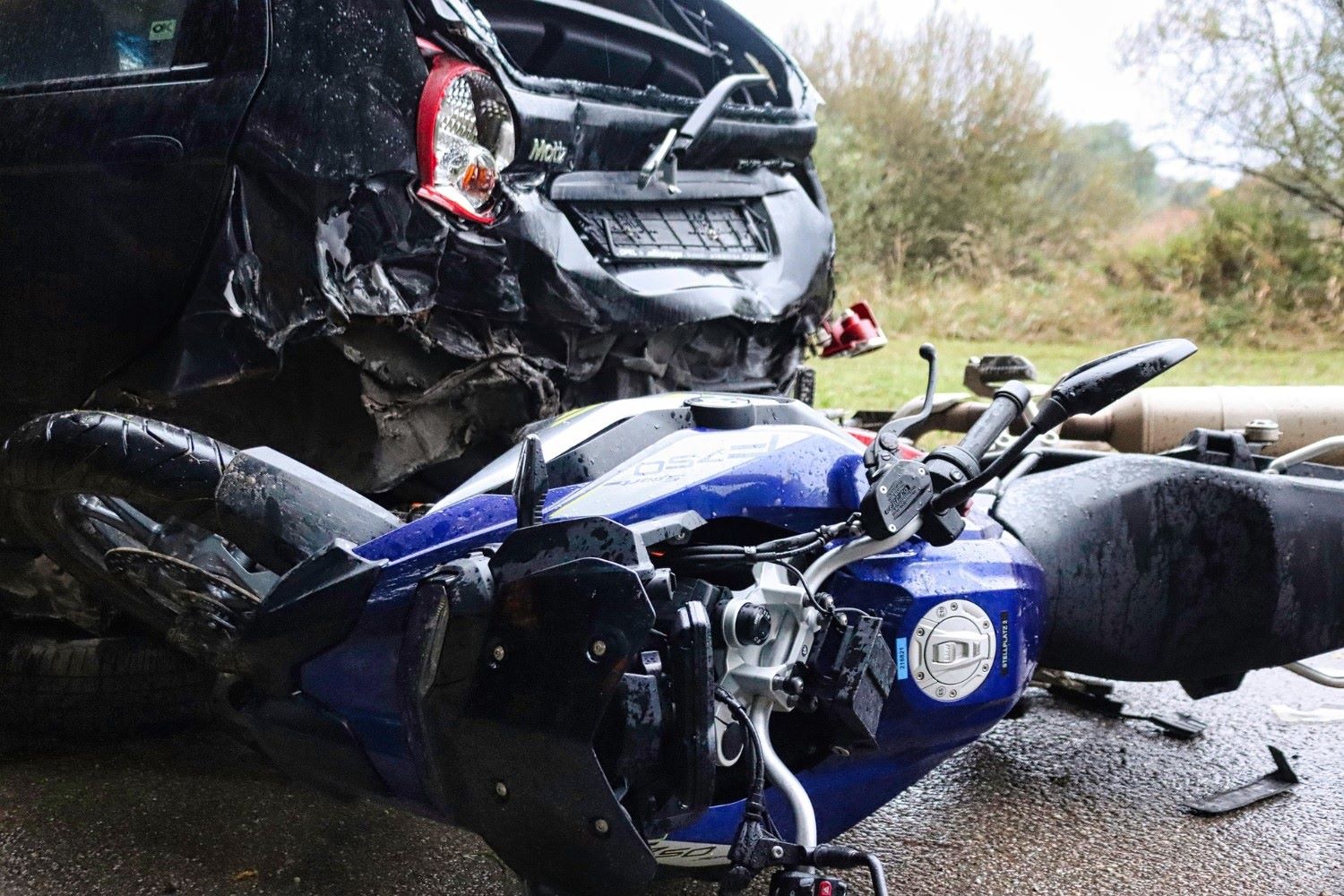
Documentation of the accident scene can be integral to the legal process. Take pictures using your phone or camera of the cars, any visible injuries, and the scene. Document things like skid marks, signage, and the weather.
Collect information from all relevant parties, including names, contact info, and insurance info. Get the names and contact information of any witnesses, too; they will be able to offer more perspectives on what happened. These details can also help in putting together a strong case.
Notify the Authorities
Even a minor accident should be reported to the police. The police report will provide an accurate declaration of the incident, which is very useful when dealing with insurance companies or if there is a need to go to court. Talk to officers and stick to the facts; do not discuss fault and details (e.g., the cars involved).
Ask for a personal copy of the police report. This document will serve as an important tool to have when dealing with insurance adjusters or court proceedings.
Inform Your Insurance Company
It is important to contact the insurance company without delay. You should only state the facts to the insurer and not confess anything.
Giving truthful information and being cooperative can expedite the statement process. You should maintain your own log of everything, along with the time of each contact made with the insurer for reference purposes.
Consult With a Legal Expert
A consultation with a lawyer will clarify things. They guide the legal aspects, making sure that your rights are protected while they do the heavy lifting within the law. An attorney can help evaluate the strength of a case, negotiate with insurance companies, and advocate for interests.
Lawyers can also provide clarity on what to expect and whether or not any compensation is owed. Having to deal with complicated and stressful legal procedures is never a pleasant task, but their experience can be insightful in ensuring a fair solution. An accident attorney has experience in getting you the compensation due after an accident.
Choosing the right attorney means looking for a firm with a proven track record in personal injury cases. Experienced legal teams understand how to navigate insurance negotiations, gather supporting evidence, and build compelling arguments for fair compensation. Firms like Garces, Grabler & LeBrocq, P.C. demonstrate the kind of focused expertise that accident victims need when pursuing claims. Working with dedicated professionals helps ensure that no detail is overlooked during the legal process.
Maintain Detailed Records
Maintaining detailed records is one of the most crucial things you can do when handling the aftermath of an accident. Keep all the paperwork for medical treatments, vehicle repairs, and conversations with insurance companies organized. These records can allow the two parties to see what happened when and what was spent.
Detailed documentation could back up claims for compensation and reveal false information in insurance assessments. Keeping a symptom and recovery journal is also helpful, and may serve as persuasive (or even powerful) testimony in a court of law — a written account of your state during what you may have considered to be the worst time in your life.
Conclusion
A car accident may leave you feeling disoriented, but knowing the appropriate steps to take gives you peace of mind and protects your legal rights. Each step you take (whether it be ensuring safety, documenting the scene, or calling an attorney) serves a valuable purpose. If people abide by these principles, more people can navigate this situation in order to get an outcome that is fair based on the data.