In-race dynamics that shape live F1 betting decisions
Live race analysis has become a defining part of how fans follow Formula 1, especially as the sport enters a new era shaped by tighter fields, unpredictable weather shifts, and increasingly complex strategy calls. Across the 2024 season and into 2025, margins have narrowed dramatically; gaps of tenths and sometimes hundredths now split the front-runners during long stints. The constant movement on track creates a uniquely fluid environment where momentum can change several times in the space of a single lap.
This evolving landscape is also why real-time race dynamics play a central role in how viewers interpret events, particularly for those who follow F1 betting, where context matters as much as raw pace. When everything shifts so quickly tire degradation, fuel load, aero sensitivity, traffic fans look for the nuanced moments that reveal whether a frontrunner is safe or a challenger is about to emerge.
As digital entertainment grows, the newest online casino Australia sites are targeting motorsport audiences with tailored promotions.
Key moments that consistently reshape race expectations
Safety cars remain one of the biggest disruptors in modern Formula 1. Since 2018, seasons have averaged between 12 and 15 safety-car deployments, and their effect is immediate: gaps vanish, tire temperatures reset, and strategies are rewritten in seconds. A driver who once seemed untouchable can suddenly find themselves under pressure when the pack compresses.
Virtual Safety Cars also play their part. The reduced pace offers “cheap” pit-stop windows, and many teams build entire race plans around the possibility of gaining free time. A perfectly timed VSC can swing track position without a single on-track overtake.
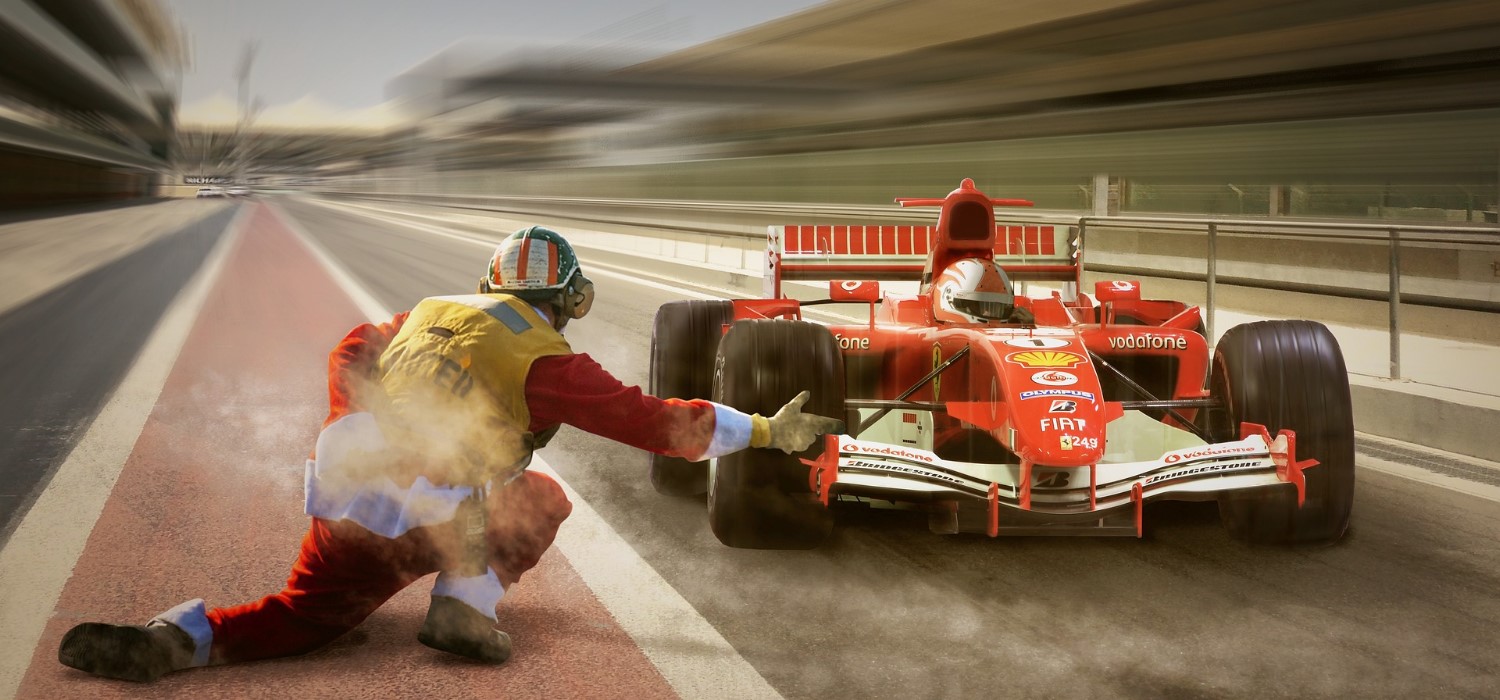
Pit stops themselves often determine whether expectations rise or fall. A two-second delay can cost a position; a flawless 2.0s stop can help a driver undercut a rival. These moments don’t just affect the top teams midfield squads rely heavily on operational excellence to protect razor-thin margins, especially on circuits where overtaking is difficult.
Weather, tire choices, and the unpredictability factor
Formula 1 has always flirted with chaos, but hybrid-era cars are particularly sensitive to temperature, wind direction, and grip. In 2024 alone, several qualifying sessions and races were affected by sudden rain bands, drastically altering competitive order. Intermediates and full wets behave dramatically differently depending on standing water, making timing crucial.
Tire degradation shapes race expectations even without rain. Pirelli’s compounds often create clear performance windows: once a tire “falls off the cliff,” lap times can drop by over a second. Fans watching telemetry and timing screens can often sense this shift before commentary catches up, especially when a driver begins losing rear stability or struggling through traction zones.
Mechanical reliability remains another wildcard. Across recent seasons, 10–15% of race retirements stemmed from engine, gearbox, or electronics issues. A sudden loss of power, hydraulic failure, or DRS malfunction can change the complexion of a race instantly, giving unexpected opportunities to cars running behind.
Strategy as the backbone of race interpretation
Radio messages offer glimpses into strategy battles unfolding behind the scenes. When teams debate tire offsets, fuel targets, or energy deployment, it reveals who is managing and who is pushing. Undercuts, overcuts, pace deltas, and the timing of the final stop often decide the podium.
Track position versus tire advantage is a recurring dilemma. Circuits like Monaco, Singapore, and Imola reward track position above all else. Others such as Austin, Interlagos, or Bahrain allow bold moves based on fresher tires. Recognizing which circuits favor which philosophy helps explain why expectations can shift dramatically depending on pit-stop windows.
Traffic is another often overlooked variable. Getting caught behind a slow car for just two laps can add more than two seconds to a stint. In tightly packed races, those two seconds can mean losing or gaining multiple positions during the next pit cycle.
How technology shapes real-time interpretation
Race-tracking software and live data feeds have transformed how fans observe each Grand Prix. Tools displaying sector times, tire life indicators, drag-reduction opportunities, and energy-deployment patterns give viewers a clearer sense of who is gaining and who is fading.
Modern timing screens update faster than broadcast cameras can react. This delay often explains why expectations shift a moment before a key move appears on TV: the data shows momentum before the visuals confirm it.
Brands and technical teams increasingly rely on machine-learning models to project stint outcomes, flag unexpected pace drops, or detect patterns in degradation. These tools don’t predict chaos but they help map its likelihood.
A balanced and informed approach to live race analysis
With races evolving so quickly, staying informed rather than reactive is key to understanding the flow of a Grand Prix. The excitement comes from reading the layers strategy, tire life, weather shifts, radio messages rather than from seeking an instant result.
For fans following live dynamics, the best insights come from observing trends over the full race, not just reacting to single on-track moments.
Approaching the spectacle with perspective keeps the focus where it belongs: on the sport, the teams, and the astonishing level of precision that defines modern Formula 1.