Why Does My Car Vibrate When I Brake: Common Reasons & Solution
Feeling your car vibrate when you apply the brakes can be alarming and dangerous. Brake vibrations affect not only comfort but also your ability to safely control the vehicle. Understanding the root causes and knowing how to address them is essential for both safety and vehicle longevity.
Whether it’s a minor brake issue or a more serious problem with your suspension, timely inspection and repair are key. For professional assistance, drivers often rely on trusted brake repair Houston TX services to diagnose and fix brake-related issues efficiently.
Common Causes of Brake Vibration
Brake vibrations can result from several mechanical issues. Identifying the cause ensures the correct repair and restores smooth braking performance.
1. Warped Brake Rotors
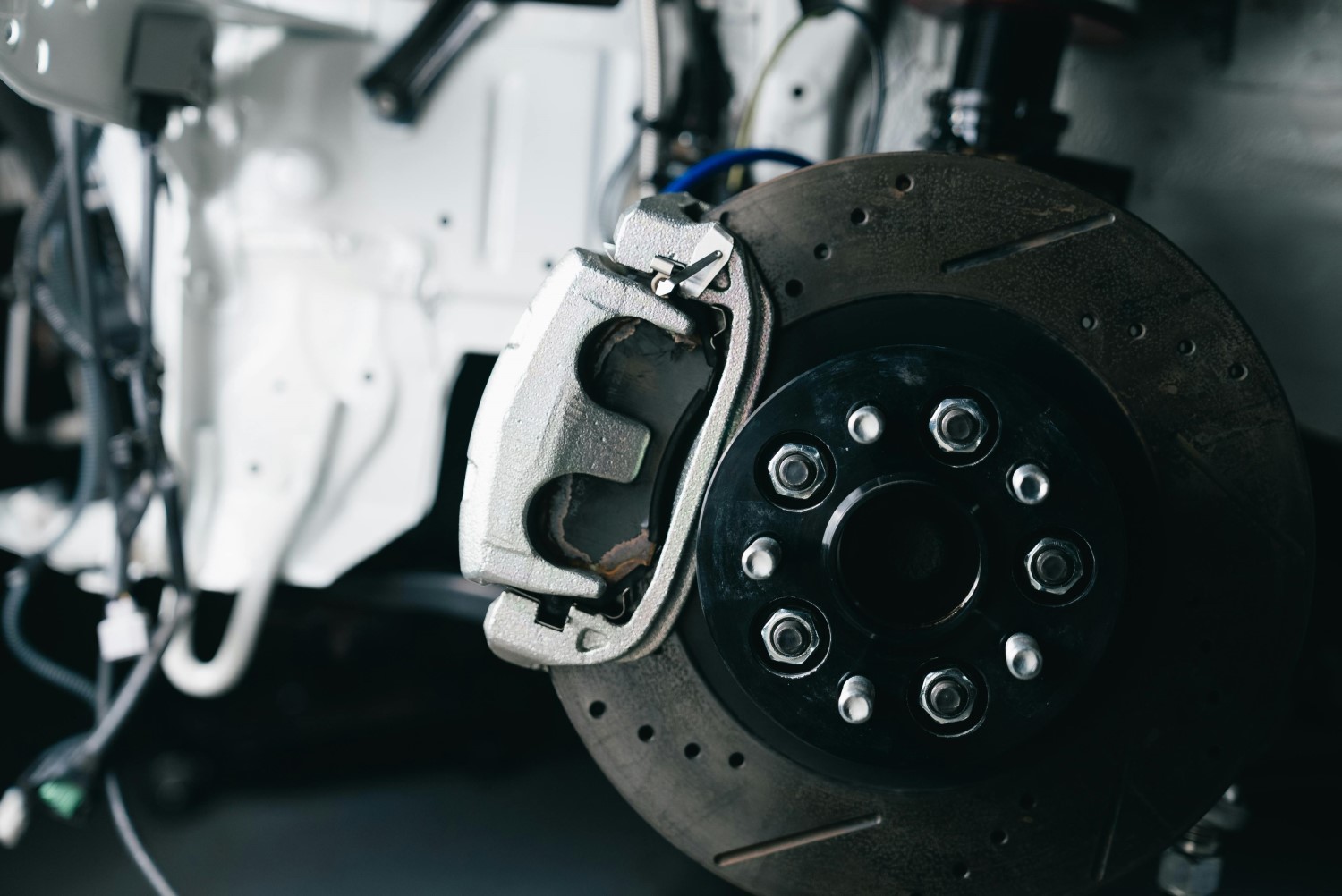
One of the most common causes of brake vibration is warped rotors. Over time, heat generated from braking can cause rotors to become uneven or develop hotspots. This results in a pulsating sensation in the brake pedal when you apply pressure. Replacing or resurfacing the rotors usually resolves this issue.
2. Worn Brake Pads
Brake pads that are worn unevenly or have hardened over time can also cause vibrations. Uneven pads fail to make consistent contact with the rotor, leading to shaking. Inspecting and replacing worn pads with high-quality components is essential for smooth braking, and consulting a trusted auto repair near me service ensures professional inspection and replacement.
3. Loose or Worn Wheel Bearings
Wheel bearings support the vehicle’s weight and allow the wheels to rotate smoothly. When bearings are loose, worn, or damaged, they can cause vibrations that are felt during braking. Timely replacement of damaged wheel bearings ensures proper wheel function and prevents further damage to suspension components.
4. Suspension or Steering Issues
Sometimes, brake vibrations are not caused by the brakes themselves but by suspension or steering problems. Worn bushings, tie rods, or struts can amplify vibrations when braking. Consulting certified Suspension Repair technicians helps diagnose whether suspension components are contributing to brake vibrations.
5. Brake Caliper Problems
Brake calipers apply pressure to the pads to stop the vehicle. If a caliper is sticking or malfunctioning, it can cause uneven braking pressure, leading to vibrations. Servicing or replacing the affected caliper through a trusted brake repair near me service restores even braking force.
Repair Options for Brake Vibration
If your car vibrates when braking, there are several repair options available depending on the underlying cause, ranging from simple component replacements like brake pads or rotors to more complex solutions involving suspension or wheel bearing repairs, all aimed at restoring smooth and safe braking performance:
- Resurface or Replace Rotors: Warped or damaged rotors should be resurfaced if possible or replaced to restore smooth braking.
- Replace Worn Brake Pads: Uneven or hardened pads should be replaced with high-quality components for consistent contact with the rotors.
- Service or Replace Brake Calipers:Sticking or malfunctioning calipers can be repaired or replaced to ensure even braking pressure.
- Repair or Replace Suspension Components: Worn bushings, tie rods, or struts contributing to vibrations should be serviced by professionals, such as Suspension Repair Houston.
- Wheel Bearing Replacement: Damaged or loose wheel bearings should be replaced to eliminate vibration and maintain wheel stability.
Addressing these issues promptly ensures your brakes perform safely and efficiently, reducing vibrations and improving overall driving comfort.
How to Maintain Your Brakes for Long-Term Safety
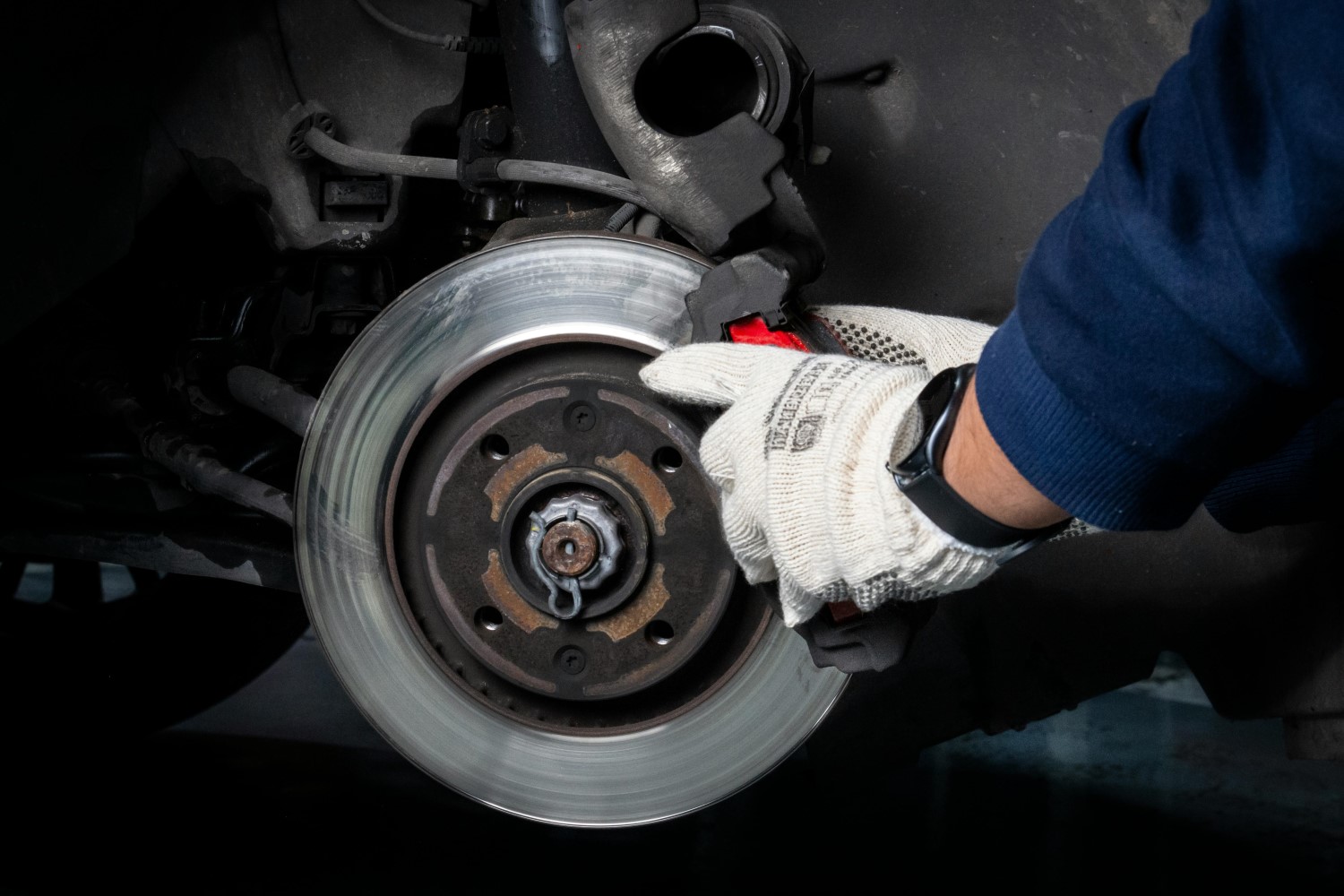
Preventing brake vibrations isn’t just about repairs—it’s about keeping your braking system reliable and safe. Simple maintenance habits can improve comfort, performance, and vehicle safety:
Keep Rotors and Pads Clean: Dirt and rust can cause uneven contact and vibration, so clean them regularly.
Replace Parts Early: Swap worn pads or damaged rotors before they fail to avoid vibration and costly repairs.
Check Brake Fluid: Low or leaking fluid affects braking efficiency and can contribute to vibrations.
Rotate and Balance Wheels: Proper tire rotation, balancing, and alignment reduce stress on brakes and suspension.
Drive Smoothly: Avoid harsh braking or aggressive maneuvers to prevent rotor warping and extend component life.
Professional Maintenance: Technicians, like those at Brake Repair Houston, can identify hidden issues and ensure the system works efficiently.
Ensuring Smooth and Safe Braking
Brake vibration is more than a comfort issue; it can indicate underlying problems that compromise safety. Whether caused by warped rotors, worn pads, or suspension issues, addressing the root cause is essential. By staying proactive with maintenance and consulting experienced Brake Repair services, you can restore smooth braking, improve safety, and extend the life of your braking system. Timely attention ensures a safer, more comfortable, and reliable driving experience for years to come.