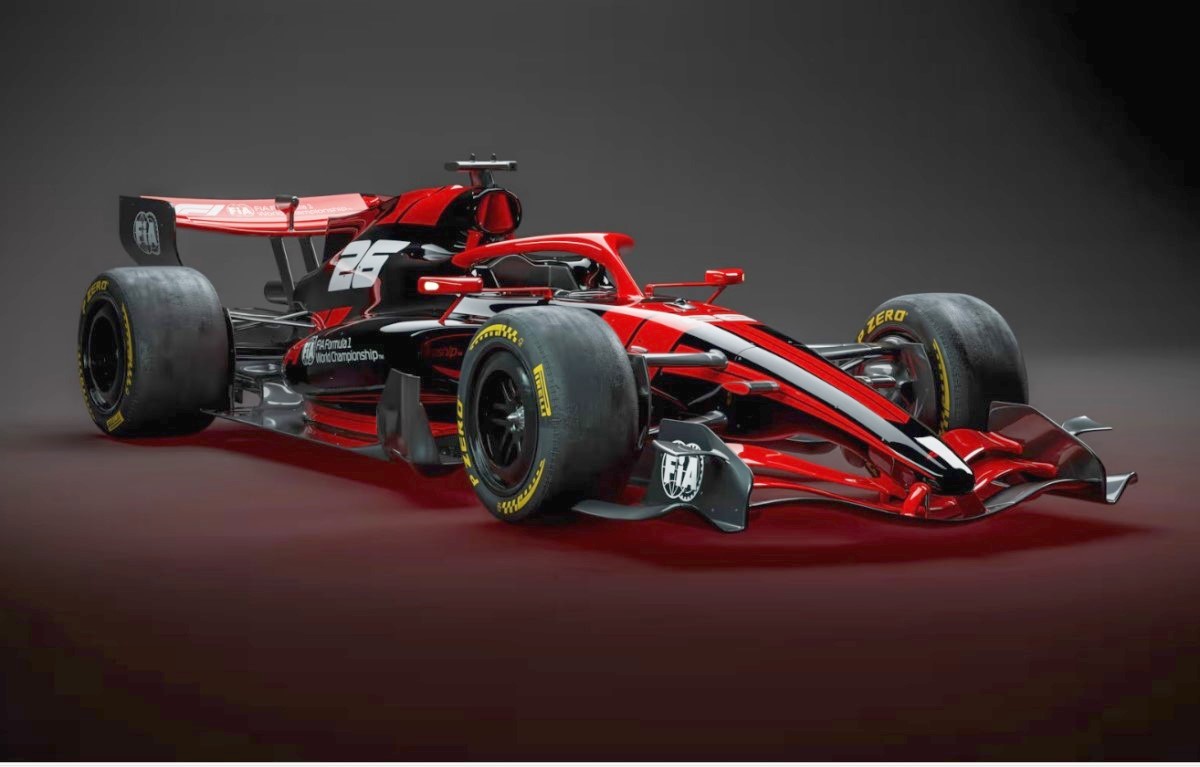
Formula 1 News: F1 and FIA unveil new renders and terminology for 2026
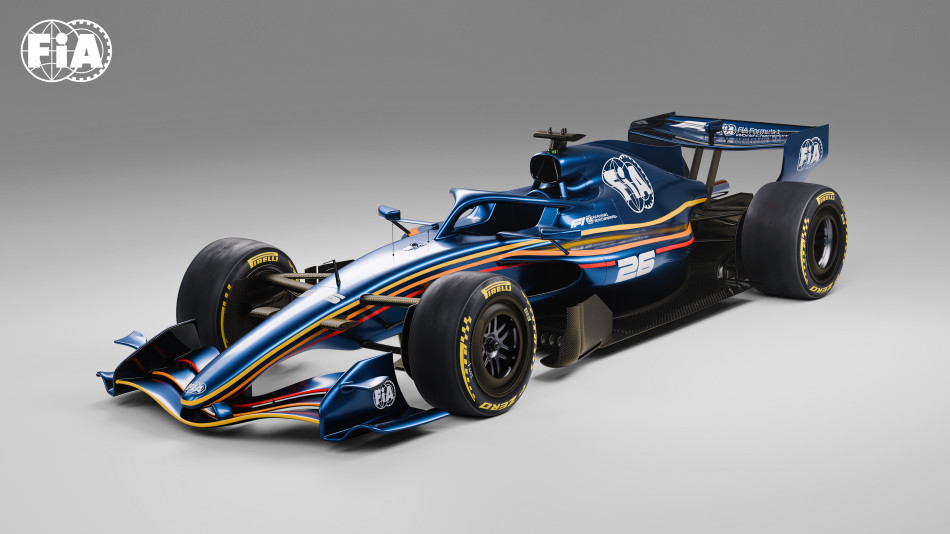
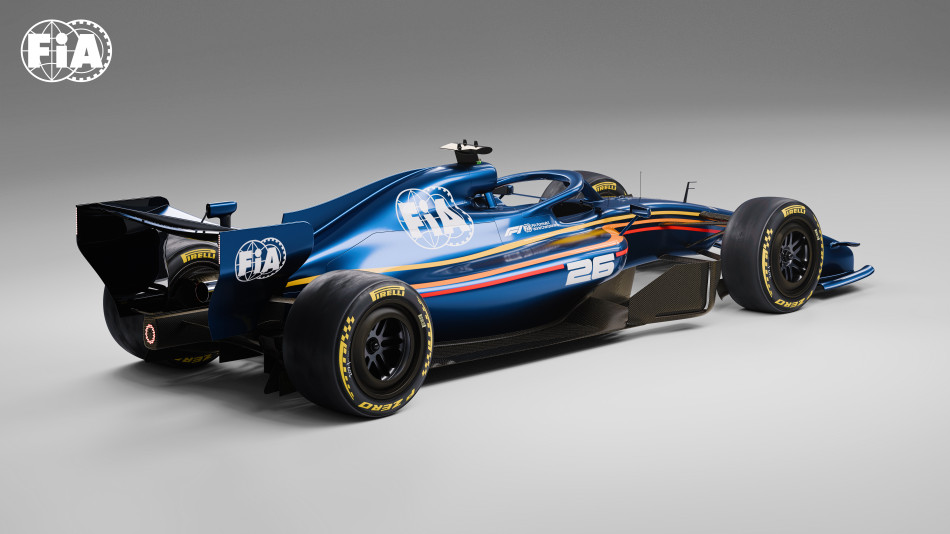
On December 17, 2025, Formula 1 and the FIA released new official renders of the 2026 cars along with clarified, fan-friendly terminology for the upcoming regulations. This marks the finalization of one of the most comprehensive regulatory overhauls in the sport’s history, designed to deliver closer racing, enhanced sustainability, and improved safety while reversing the trend of increasingly heavy and large cars.
–by Mark Cipolloni–
The changes, developed through extensive collaboration with teams, power unit manufacturers, engineers, and even fan focus groups, aim to create a thrilling new era starting with the 2026 Australian Grand Prix.
The Nimble Car Concept: Smaller, Lighter, and More Agile
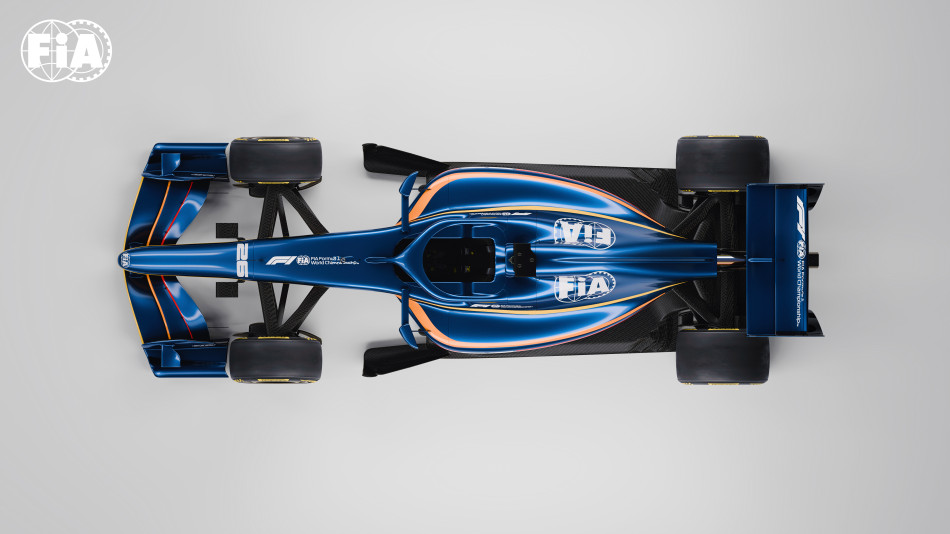
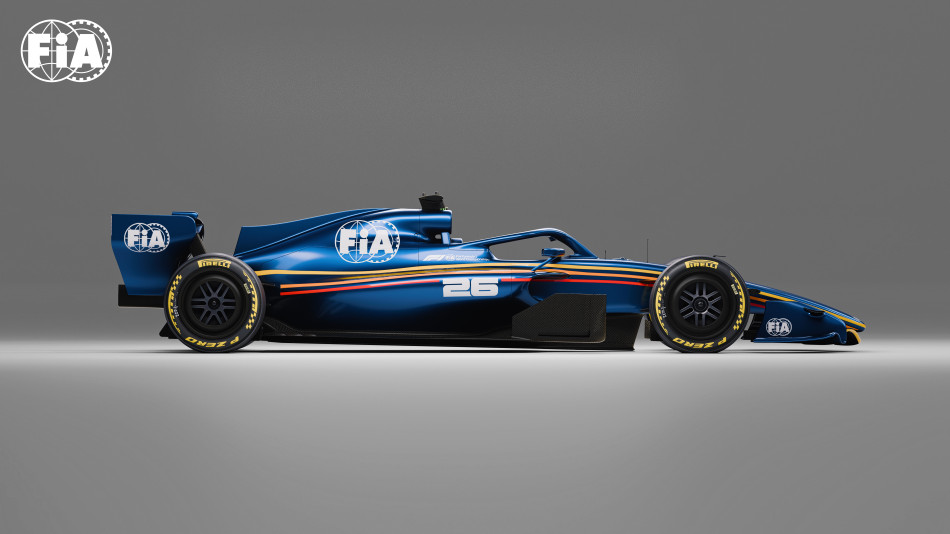
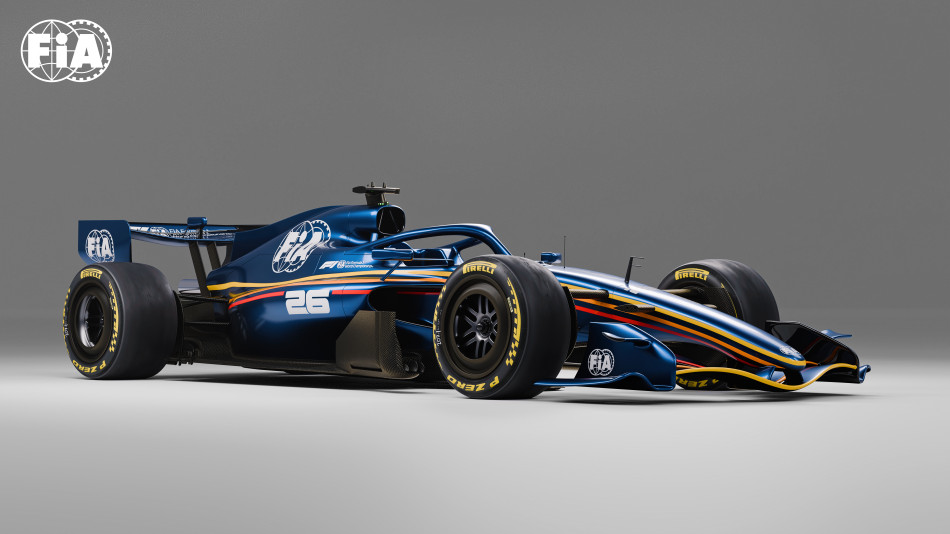
Central to the 2026 rules is the Nimble Car Concept, which prioritizes agility over raw downforce. The cars will be significantly smaller and lighter:
– Minimum weight: Reduced by 30 kg to approximately 724 kg (car) + tire mass.
– Wheelbase: Shortened by 200 mm to 3,400 mm.
– Car width: Reduced by 100 mm (specific new width not detailed, but narrower overall).
– Floor width: Narrowed by 150 mm.
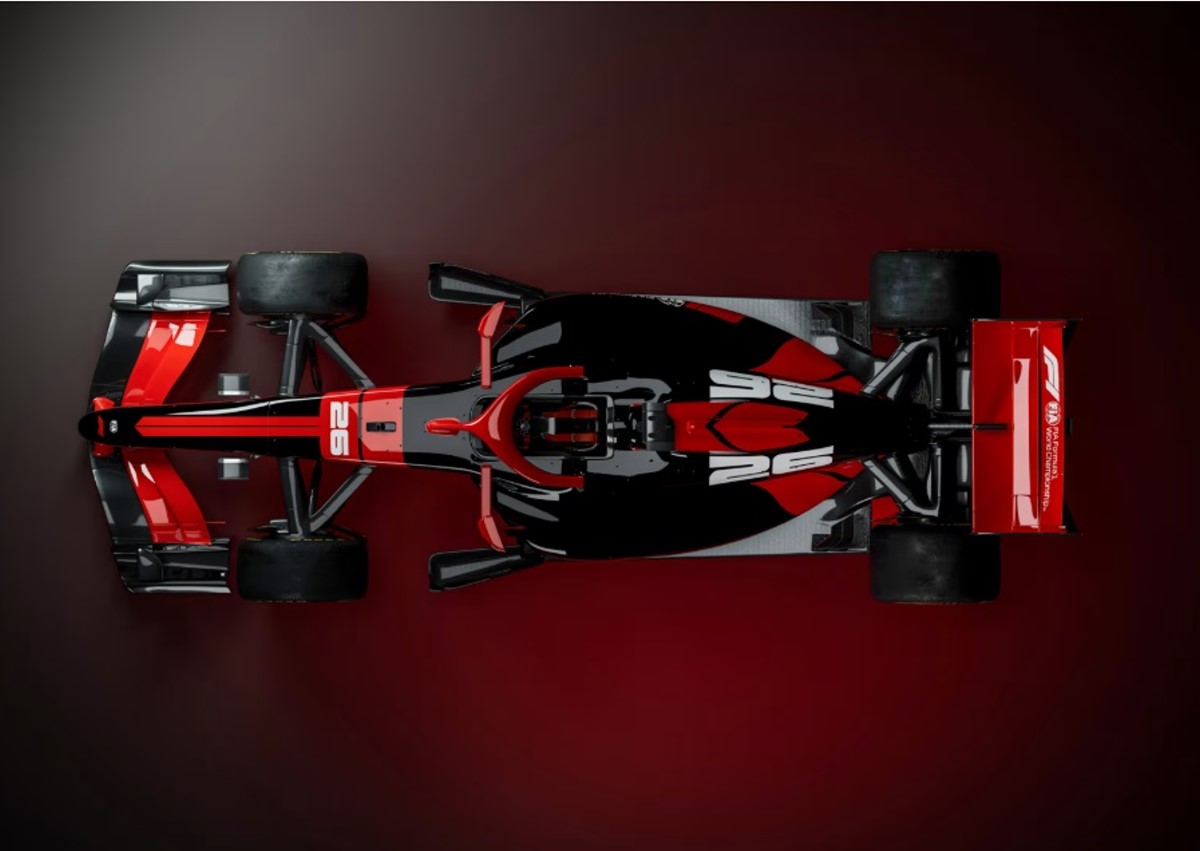
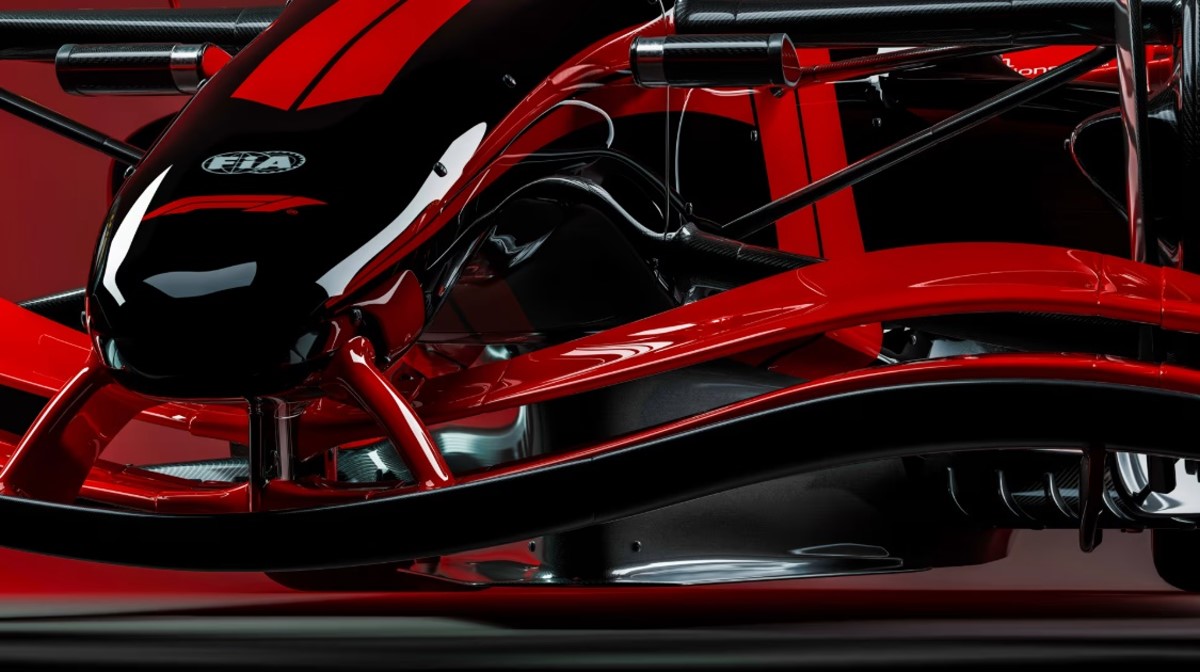
– Front wing: Narrowed by 100 mm, featuring a two-element design with an active flap.
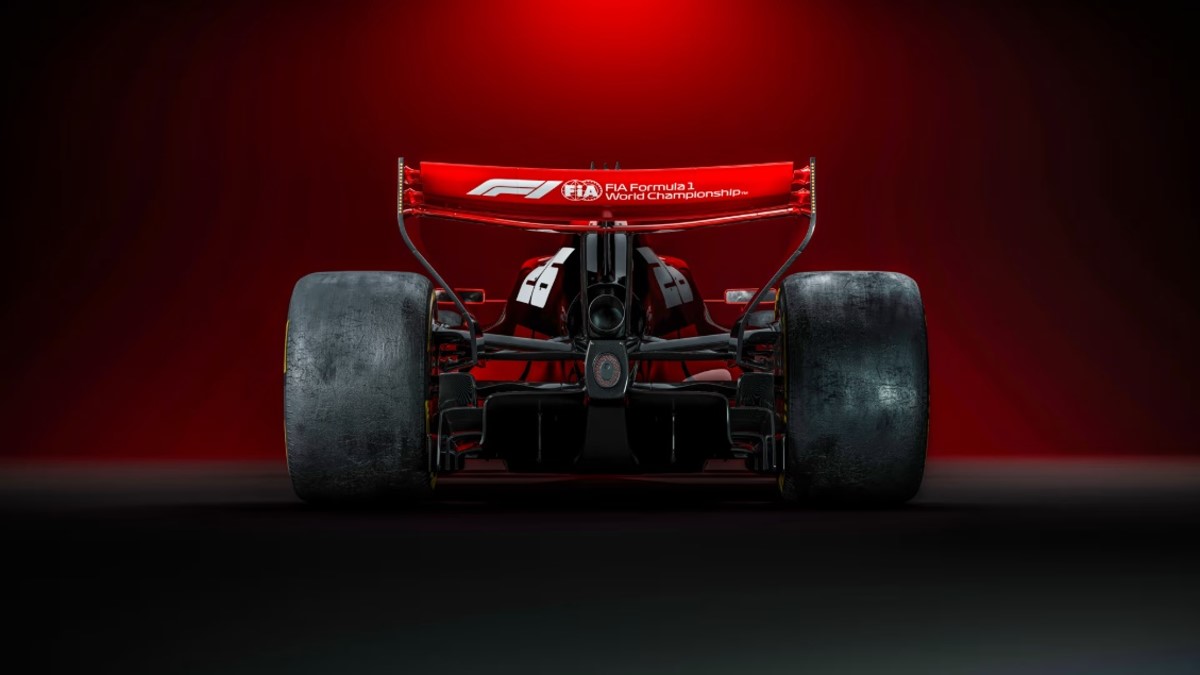
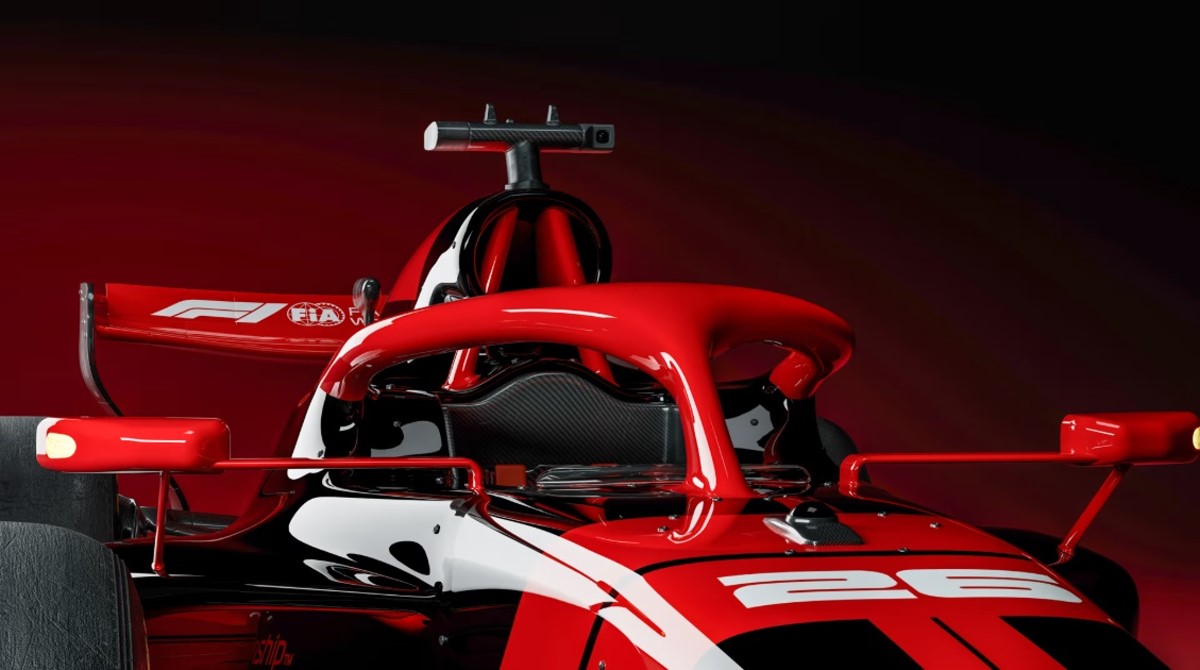
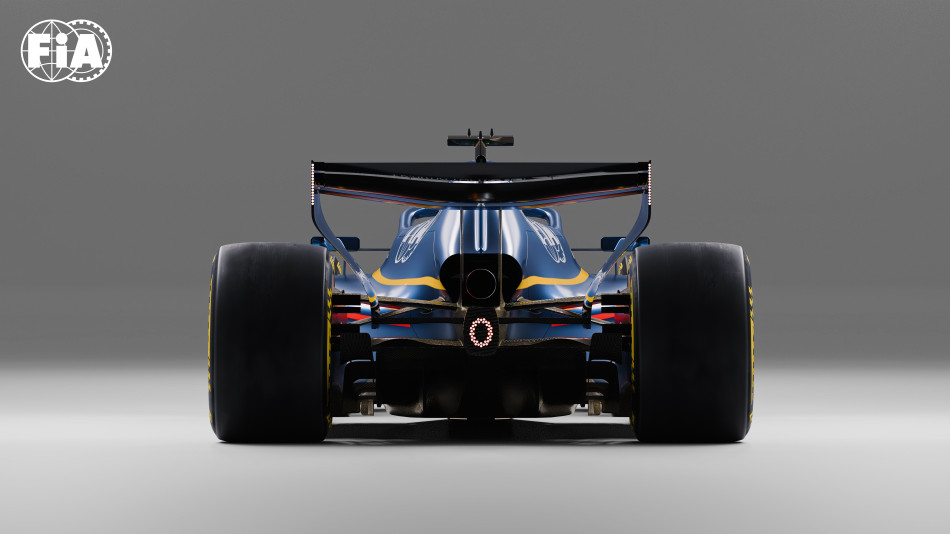
– Rear wing: Three-element design with active flaps; beam wings eliminated, and end plates simplified.
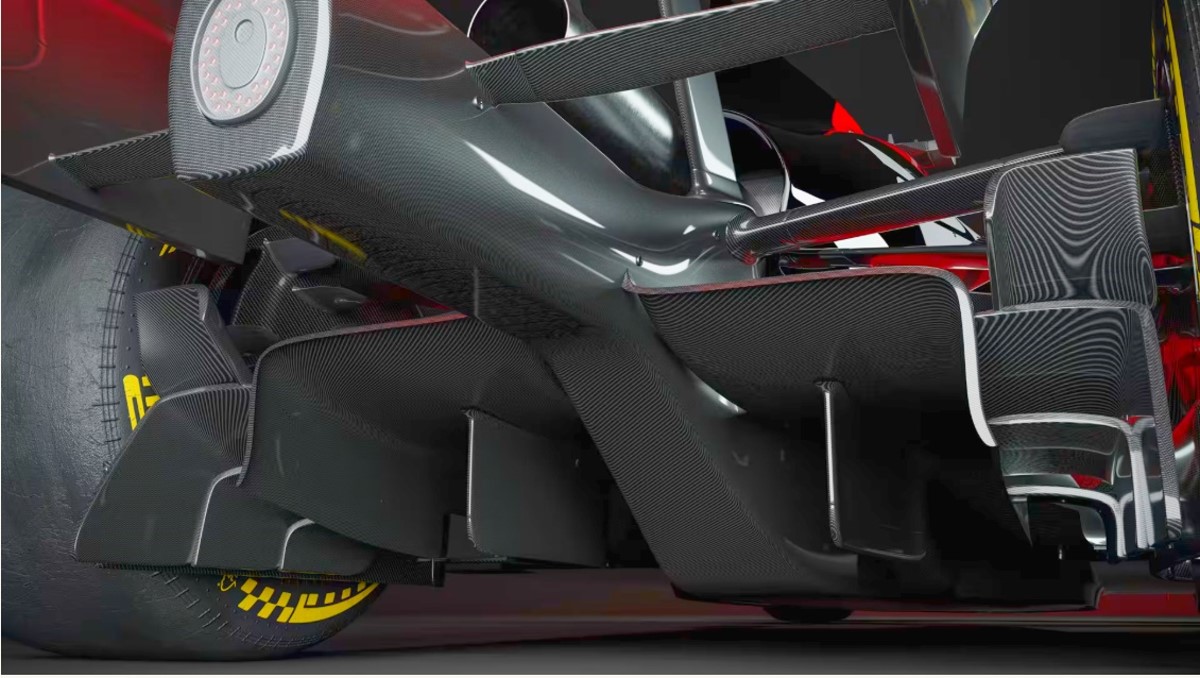
– Wheel bodywork: Restricted, with no front wheel arches; new in-washing wheel wake control boards on sidepods to better manage turbulent air.
Aerodynamic targets include a ~30% reduction in downforce and up to 55% less drag. This will make cars slower in corners initially but faster in acceleration and straights, with lap times expected to recover quickly through development.
Improved Wake Management for Closer Racing
A persistent challenge in recent years has been dirty air hindering following cars. FIA Single-Seater Director Nikolas Tombazis noted that the 2022 ground-effect regulations initially improved wake characteristics (downforce retention for a trailing car rising from ~50% to 80-85%), but performance decayed to ~70% over time due to exploits like outwashing front wing endplates and brake drums.
For 2026, tighter rules aim to start with ~90% downforce retention—better than ever—and maintain it longer by closing loopholes.
Active Aerodynamics: Replacing DRS
The iconic Drag Reduction System (DRS) is retired, replaced by Active Aerodynamics with movable front and rear wings operating in two modes:
– Straight Mode (low-drag): Flaps open to reduce drag and conserve energy. Available to any driver on predefined straights (minimum length), regardless of position—primarily for energy management rather than overtaking.
– Corner Mode (high-downforce): Flaps closed for maximum grip in turns.
Modes activate automatically in zones but can be manually overridden. They deactivate on braking, throttle lift, or (in some zones) after a set lap distance to prevent abuse in corners.
These terms replace earlier placeholders (e.g., “Z-Mode” for high-downforce, “X-Mode” for low-drag) after testing with fans for clarity during broadcasts.
Overtake Mode: The New Overtaking Aid
Overtaking assistance shifts to electrical power. When trailing within one second at detection points:
– The following car gains Overtake Mode: +0.5 MJ extra energy, delivering up to 350 kW output to 337 km/h.
– The leading car’s power tapers above 290 km/h, creating a significant speed delta for passes.
As Mercedes’ Simone Resta noted, this will make racing “quite different and potentially more unpredictable,” with drivers strategically managing energy across laps. Aston Martin’s Andy Stevenson added excitement about closer racing through these technologies.
Power Units: 50/50 Split and Full Sustainability
The 1.6-liter V6 turbo-hybrid evolves dramatically:
– MGU-H (heat recovery) removed for simplification.
– MGU-K output tripled to 350 kW (~470 hp).
– Internal combustion engine: Reduced to ~400 kW.
– Near 50/50 split between ICE and electric power.
– 100% advanced sustainable fuels from non-food biomass, waste, or renewable sources—verified via the Sustainable Racing Fuel Assurance Scheme (SRFAS).
This attracts a record six manufacturers: Ferrari, Mercedes, Honda, Audi, Red Bull Powertrains/Ford, and Cadillac (initially Ferrari customer, own PU from 2029).
Enhanced Safety Measures
Safety upgrades include:
– Stronger front impact structures (two-stage separation for secondary impacts).
– Increased side intrusion protection (doubled around fuel cell).
– Roll hoop loads raised from 16G to 20G (test loads from 141 kN to 167 kN).
– Homologated rear wing endplate lights and new lateral safety lights for ERS status.
A Completed Regulatory Framework
The regulations now feature a new structure with six sections (A: General Provisions; B: Sporting; C: Technical; D/E: Financial; F: Operational) for consistency and clarity.
With private testing underway, 2026 promises unpredictable, exciting racing blending cutting-edge innovation with spectacular on-track battles.
FIA Press Release
The FIA Formula One World Championship is about to usher in its biggest regulation changes in decades, and the FIA is driving the revolution. Here’s your guide to what the new rules mean and what to expect when the new cars hit the track in just over one month’s time…
If Formula 1 has a defining characteristic, it is a relentless urge to move forward, to put behind it the successes or failures of the past and to look forward to the next weekend, the next session, the next race. And though the dust has only just settled on one of the most thrilling seasons in recent memory, all eyes are swiftly turning to 2026 and one of the biggest resets the sport has ever seen.
While previous rule shifts have focused on changes to either the engine or the chassis –with one sometimes influencing the other – the FIA’s 2026 regulations tackle every aspect of F1 car design in order to create a new era of more competitive, safer and more sustainable racing.
Nimble Car Concept
At the heart of the new regulations is the Nimble Car Concept, a wholly new vision for the design of F1 cars that seeks to reverse the trend of larger, heavier cars by making them significantly smaller, lighter, and more agile.
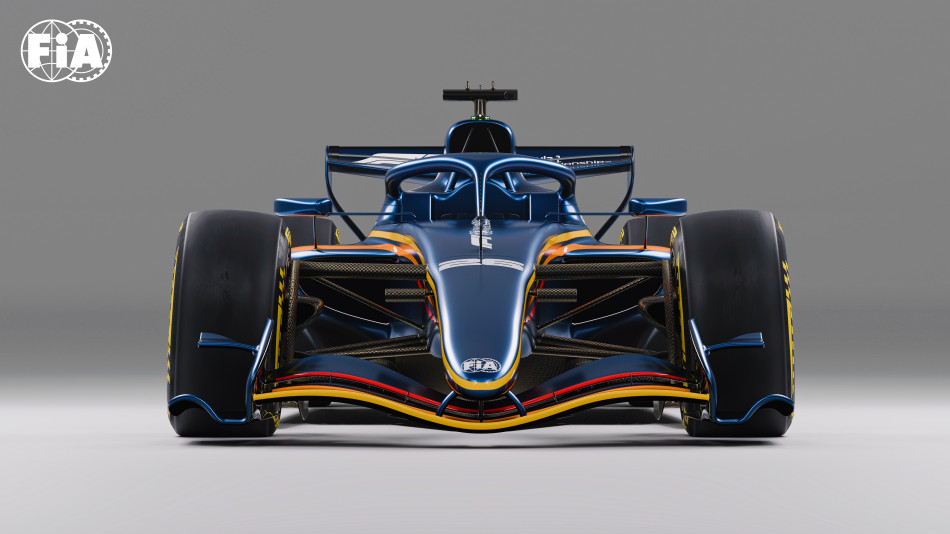
To do this, the new cars will be 30 kilograms lighter, with a target of 724kg for the car plus the mass of the tyres. The dimensions of the 2026 cars have also been altered, with the wheelbase down by 200mm to 3400mm. The width of the car has been reduced by 100mm and the floor width has been reduced by 150mm.
The surfaces of the car are also changing, with the front wing narrowing by 100mm and featuring a two-element active flap. The rear wing also changes, with a three-element active rear wing. The beam wing – the small horizontal plane underneath the main rear wing so common on 2022-2025 era cars – has also been banished and rear wing end plates have been simplified.
To help cars follow each other, wheel bodywork will be proscribed and in-washing wheel wake control boards will sit at the front of the side pods to assist with the control of the wheel wake. Also removed are the front wheel arches or brows that were a feature of the 2022 cars.
The changes will lead to downforce being reduced by to 30% and drag falling by somewhere in the region of 55%. While that will mean cars are slower through corners, they will be quicker out of those corners and though lap times will initially be slightly slower than currently, the expectation is that teams will recover that lost time rapidly as development cycles mature.
Wake Management
Difficulties with cars following one another closely has been a factor in Formula 1 for many years and the 2022 regulations, with raised diffusers designed to channel the disruptive wake up and over the following car, were a bid to counter serious issues with the previous generations of car (2014 and 2017). However, as FIA Single-Seater Director Nikolas Tombazis explains, the 2022 cars eventually began to suffer from the same issues.
“The 2022 cars started off with a significant improvement in their wake characteristics,” he says. “I don’t remember the exact numbers, but downforce at approximately 20 meters behind went from about 50% on the previous generation of cars to about 80 or 85% to start with on the 2022 cars. And then that gradually decayed during the regulation cycle to what it is now, where we are probably talking about 70%. We believe that the start of the new cycle will be more like 90%, better than it’s ever been.”
He also points to areas that had been exploited to provoke outwash being tightened in the new regulations.
“The front wing end plates morphed into shapes that permitted quite a lot of outwash, while the inside of the front brake drums also worsened the characteristics, as did the side of the floor,” he says. “We learned a lot from that and in developing the regulations for 2026 we hope we will maintain the good characteristics for a longer period or hopefully not have this decay again.”
Active Aerodynamics
One of the biggest changes coming in 2026 is active aero. For 15 seasons F1 fans have been used to the sight of the rear wing of F1 cars opening in order to lower drag, providing a speed boost and giving following cars the opportunity to attack rivals ahead. For 2026, that Drag Reduction System (DRS) is no more, replaced by moveable front and rear wings that allow drivers to switch between two distinct modes.
In Straight Mode, the front and rear wing flaps open to reduce overall drag. Unlike DRS, which was only available to drivers running within one second of the car ahead and in specific zones, the new active aero system can be activated by any driver at predetermined points on the circuit (straights of a minimum length) regardless of their position relative to other cars. The second mode, known as Corner Mode, has the front and rear wing flaps in the normal (high downforce) position for better cornering speed.
While DRS was primarily an overtaking aid, the new active aero system is primarily designed to help conserve energy, as reducing drag on straights is essential for efficient energy use with 2026 power units that will rely much more on electrical energy. Overtaking, the primary purpose of DRS, will from 2026 be assisted in a different way.
Overtake Mode
From 2026 onward, the chief overtaking assist will come from an additional electrical energy via the new Overtake Mode. When drivers are within a second of the car in front at activation points, they will be able to deploy additional power energy to try to pass, with an extra +0.5MJ of extra energy available. The chances of an overtake occurring will also be increased by the leading car’s energy deployment tapering off after 290km/h, while the car behind can use the override for a full 350kW up to 337km/h. The speed differential should help make passing moves possible.
As Mercedes’ Deputy Technical Director, Simone Resta, says, racing in 2026 will be “unpredictable”.
“It’s going to be quite different, especially in racing rather than in quali,” he explains. “We are all used to a certain format with the DRS that helps with overtaking and is used in defined areas and with certain gaps, but next year, every driver will be running moveable front and rear wings together, at many points in the lap, and they will be using the energy to help overtaking. It’s going to be different and potentially quite more unpredictable in the way that the drivers will use the energy to overtake.”
Andy Stevenson, Sporting Director at Aston Martin concurs, adding: “A lot of work has been done so that we can create these cars that will give us much closer racing. And that’s what we’re all aiming for. Yes, we have close grids but I think we can improve the racing and make it better. And when you see what technologies that we’re bringing to Formula 1 for next year, I’m really excited.”
Power Arrangers
It’s not just the chassis that is changing for 2026, the cars also get new power units. Still centred around a 1.6-litre hybrid powerplant, the redesigned PU builds on the world’s most efficient engines with a remarkable 300% increase in battery power and even split between Internal Combustion and Electric power. While the MGU-H has been removed and the power derived from the ICE element of the PU drops from 550-560kw to 400kw, the battery element increases from 120kw to 350kw.
New rules, new manufacturers and teams
Originally approved by the World Motor Sport Council in August 2022 the new power unit regulations, which accented cost reduction, simplification and financial sustainability in order to make it possible and attractive for newcomers to join the sport at a competitive level, have resulted in a 2026 championship featuring five power unit manufacturers. Alongside regular suppliers Mercedes and Ferrari, Audi enter for the first time, Honda fully return to the sport with Aston Martin after exiting in 2021 and Ford join the grid in support of the new Red Bull Powertrains concern that will build PUs for Red Bull Racing and Racing Bulls.
The regulations have also led to the arrival of a new Constructor in the shape of Cadillac. At the season- opening Melbourne Grand Prix, GM’s premium brand will become the sport’s first wholly new entrant since Haas in 2016. The arrival marks the culmination of more than two years of intense, but ultimately successful work for the FIA towards expanding the grid.
For its first seasons in F1, Cadillac will use Ferrari power units but in April of 2025 the FIA officially approved GM Performance Power Units LLC., a company formed by TWG Motorsports and General Motors to build powertrains for the Cadillac Formula 1 Team, as a power unit supplier for the FIA Formula One World Championship starting in 2029.
Sustainable Racing
The increase in electrical energy is just one element of a major FIA move towards a more sustainable Formula 1 and from 2026 all F1 cars will use advanced sustainable fuels.
The FIA has mandated the use of sustainable fuel derived from ‘Advanced Sustainable Components’ (ASCs), ensuring they are sourced from non-food biomass, renewable feedstock of non-biological origin or municipal waste, and meet stringent greenhouse gas emissions thresholds.
To ensure compliance with these stringent standards, the FIA has collaborated with Zemo Partnership, an independent provider of assurance services, to develop the Sustainable Racing Fuel Assurance Scheme (SRFAS). This scheme employs a robust third-party verification process to guarantee that all Formula 1 racing fuel meets the FIA’s criteria for blended fuel composition and the sustainability of its advanced sustainable components (ASCs).
To do this, the SRFAS will employ a rigorous verification process focused on tracing the origin and movement of each ASC throughout the supply chain to ensure compliance with the FIA’s stringent criteria, analysis of the blended racing fuel to verify the accurate composition and traceability of ASCs and emissions performance to ensure fuels meet FIA sustainability targets.
Even Safer Racing
The 2026 regulations are not just about improved racing – the FIA’s ceaseless mission to continually raise safety levels will also lead to 2026 cars being safer and more secure than ever. Revised front impact structure and increased side intrusion protection will further protect drivers in the event of an impact, while roll hoop loads have been increased from 16G to 20G. Test loads increased from 141kN to 167kN. Rear wing endplate lights will be homologated and lateral safety lights to be introduced to identify ERS status.

Finishing Lines
The 2026 regulations began development with the publication of the PU rules in 2022. Since then, new Technical, Sporting and Financial Regulations have been drafted, reviewed, refined and approved to create a comprehensive new suite of clearer and more consistent rules for F1 to take into the future.
Along with last tweaks to other sections of the regulations, the final element of that suite, the creation of a new Section A, was approved at the December 2025 meeting of the World Motor Sport Council. With the new approved Regulations, the new structure of the 2026 Formula 1 Regulations has finally been completed. The Regulations are now split in six sections: Section A: General
Regulatory Provisions; Section B: Sporting Regulations; Section C: Technical Regulations; Section D: Financial Regulations (for F1 Teams); Section E: Financial Regulations (for PU Manufacturers), and
Section F: Operational Regulations.
Section A constitutes a ‘General’ section creating consistency between all other sections and to avoid duplications or contradictions. It adopts a more rigorous legal framework, previously introduced with the Financial Regulations.
After three years of intense work in collaboration with Formula 1 and the sport’s 11 teams – and with the final rules section now in place – the FIA Formula One World Championship is set for a thrilling future