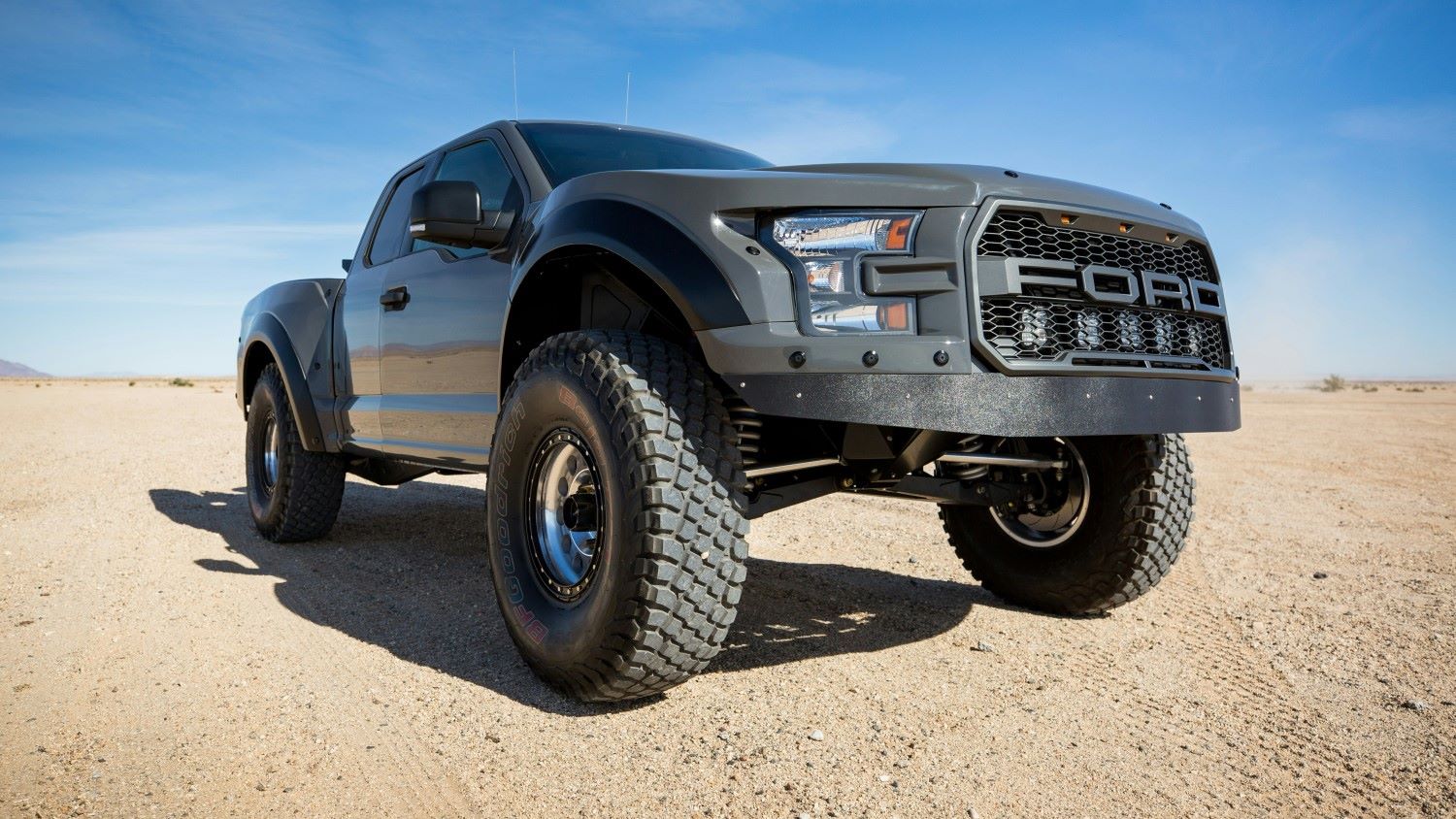
Automotive News: Choosing the Right Aftermarket Bumper for a Ford Super Duty
Ford Super Duty trucks (pictured) have earned their reputation by doing work that lighter pickups simply can’t handle. Whether the job involves towing heavy trailers, navigating rough access roads, or logging long highway miles, these trucks are built to take stress day after day. That same workload is exactly why many Super Duty owners eventually replace the factory bumper with something more substantial.
Finding the right option is not always straightforward. Designs vary widely, and what works well on a half-ton truck may fall short on an F-250 or F-350. Owners comparing styles and construction often start by reviewing the complete lineup of aftermarket Ford F250 Super Duty bumpers for 2017-2022 models here, and then narrow down choices based on how the truck is actually used rather than how it looks in photos.
The sections below break down what makes a bumper suitable for a Super Duty platform, why certain brands consistently come up in owner discussions, and how different designs address real-world demands.
What Super Duty Owners Typically Expect From a Bumper
A bumper on a heavy-duty truck serves a different role than one on a daily commuter. It must tie cleanly into the frame, support added weight from accessories, and survive repeated use without shifting or flexing. Fitment accuracy also matters more, since misalignment on a Super Duty often interferes with lighting, sensors, or recovery access.
Most experienced owners evaluate bumpers using practical criteria rather than marketing claims. The following factors tend to matter most:
- Steel thickness and overall construction quality
- Powder-coated finishes that resist corrosion and road debris
- Bolt-on installation to factory mounting points, no drilling required
- Proper accommodation for factory sensors and lighting
These considerations separate durable equipment from products that only look capable.
1. Ranch Hand: Traditional Strength for Heavy Use
Ranch Hand bumpers are often associated with agricultural and industrial environments, and that reputation did not happen by accident. Their designs emphasize coverage and structure, which suits trucks that see frequent exposure to brush, equipment, or wildlife.
For Super Duty owners, Ranch Hand options appeal most to those who prioritize protection over minimal weight. The brand’s bumpers typically extend further around the front end, shielding headlights and grille areas that take damage first during off-road or worksite driving. Installation remains straightforward thanks to frame-specific mounting systems, which keeps alignment predictable even on larger trucks.
2. Steelcraft: Clean Integration With Modern Super Duty Designs
Steelcraft takes a different approach by blending durability with a more streamlined appearance. Many Super Duty owners prefer a bumper that does not overwhelm the truck’s front profile while still offering meaningful protection.
Steelcraft designs often follow factory body lines closely, which helps preserve approach angles and visibility. That design philosophy also makes these bumpers a common choice for trucks that split time between work duties and daily driving. Consistent powder-coated finishes and reliable hardware contribute to their long-term appeal, especially in regions where road salt and moisture accelerate corrosion.
3. Iron Cross and Hammerhead: Built for Load and Recovery
Some Super Duty owners operate in environments where recovery points, winch mounting, and structural rigidity matter more than appearance. In those cases, brands like Iron Cross and Hammerhead are frequently considered.
Iron Cross bumpers are known for their heavy plate construction and integrated winch support, making them suitable for trucks used in towing or recovery scenarios. Hammerhead, by contrast, often appeals to owners who want a strong bumper without the bulk of a full grille guard. Both brands focus on mounting systems that distribute load across factory frame points, which is critical for maintaining stability on heavier trucks.
How Different Designs Suit Different Super Duty Applications
Not every Super Duty serves the same purpose. An F-250 used for long-distance towing may benefit from a different bumper design than an F-350 operating on rural properties. Understanding how design choices align with use cases helps narrow options quickly.
Low-profile bumpers tend to work well for highway-focused trucks where airflow, visibility, and weight distribution matter. Full-guard designs offer better protection in brush-heavy areas or regions with frequent animal strikes. Winch-ready bumpers are best reserved for trucks that actually perform recoveries, since added weight affects suspension behavior.
Installation and Long-Term Ownership Considerations
Aftermarket bumpers designed for Super Duty trucks are engineered for bolt-on installation to factory mounting points, no drilling required. Real-world installation typically takes several hours, especially when sensors, lighting, or recovery hardware are involved. Planning for proper alignment and torque during installation pays off later by preventing vibration or uneven wear.
Maintenance is usually minimal. Occasional cleaning and inspection of mounting hardware help extend service life, particularly in harsh climates. Powder-coated finishes hold up well when chips are addressed early, which prevents corrosion from spreading beneath the coating.
Final Thoughts
Choosing a bumper for a Ford Super Duty is less about following trends and more about matching equipment to real demands. Brands such as Ranch Hand, Steelcraft, Iron Cross, and Hammerhead remain popular because their designs address the structural and functional needs of heavy-duty trucks.
Owners who focus on fitment accuracy, construction quality, and practical features tend to end up with bumpers that perform reliably for years. A well-chosen bumper becomes part of the truck’s working system rather than an accessory added for appearance alone.